| Author |
 Replies: 11 / Views: 1,204 Replies: 11 / Views: 1,204 |
|
|
New Member
United States
18 Posts |
What caused this grease in the die? 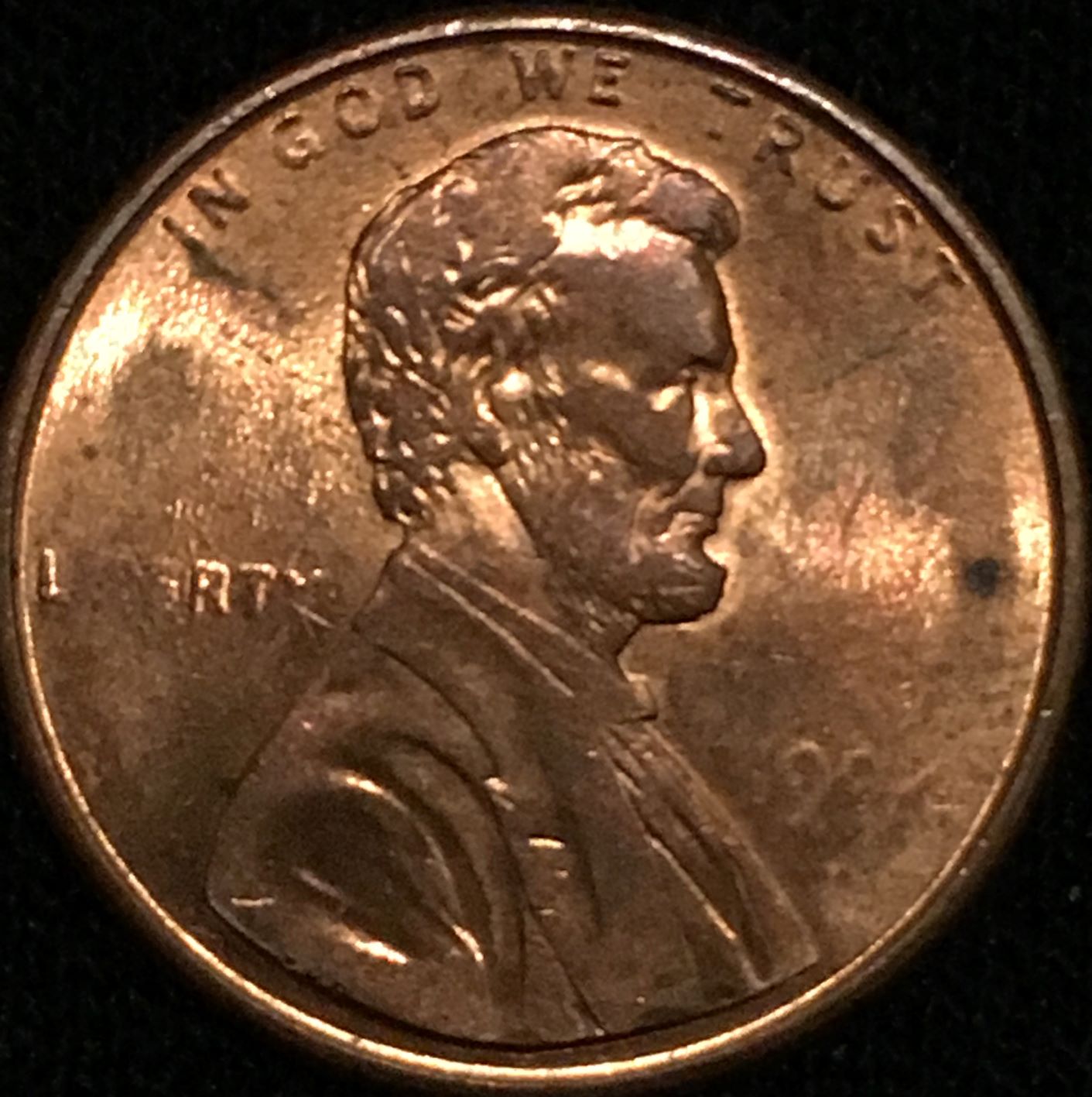 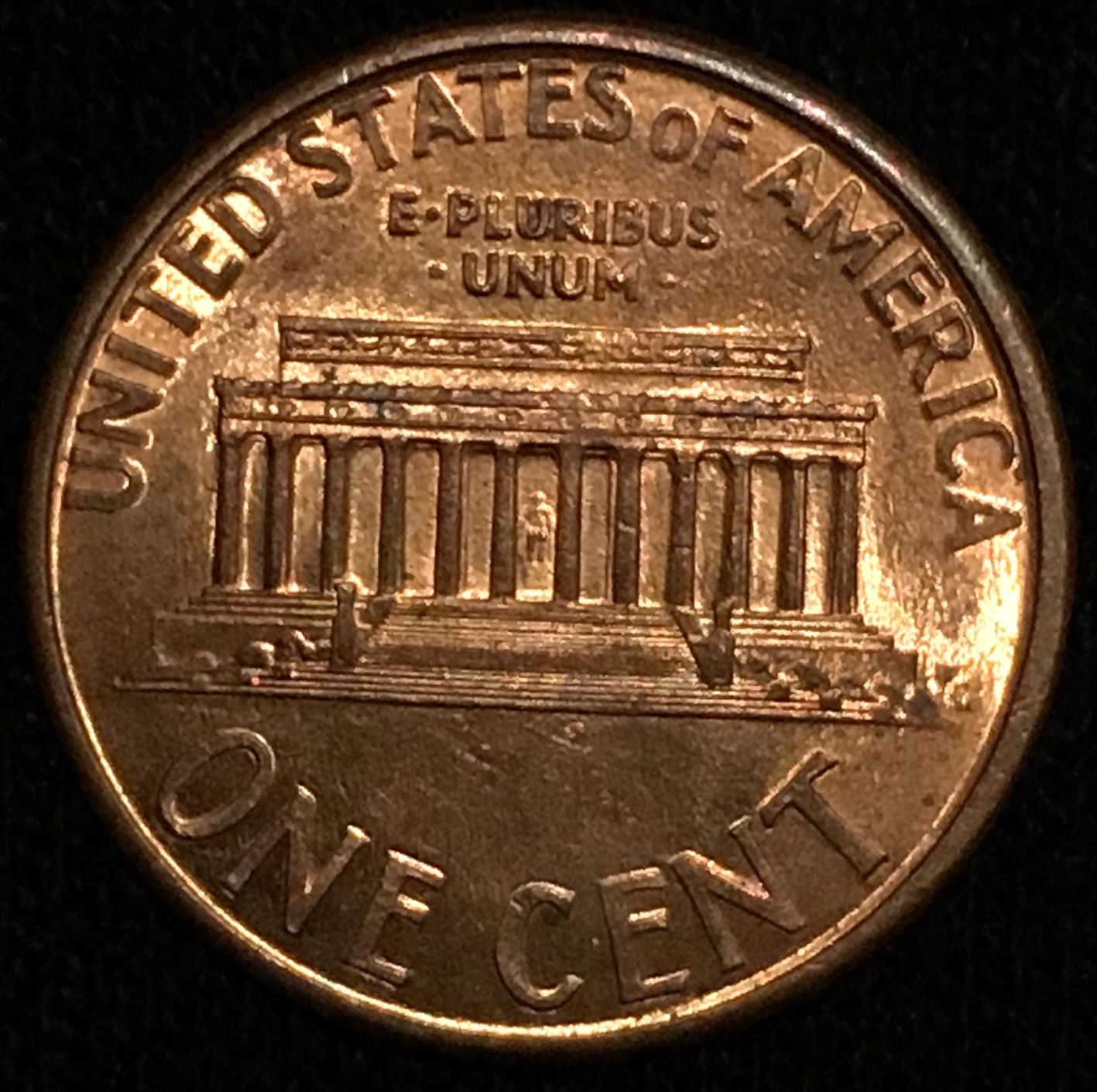 |
|
|
|
Bedrock of the Community
Canada
21885 Posts |
Grease filled die, the same thing
in the word Liberty.
|
|
Pillar of the Community
United States
1335 Posts |
|
|
Moderator
 United States
34546 Posts |
Welcome to CCF and yes I agree with @jimmyd and @cm. This is a great example of a coin having weak details after being Struck Through Grease. "If you climb a good tree, you get a push."
-----Ghanaian proverb
"The danger we all now face is distinguishing between what is authentic and what is performed."
-----King Adz
|
|
Pillar of the Community
United States
7586 Posts |
 To the Forum I agree with above. |
|
New Member
 United States
18 Posts |
|
|
Bedrock of the Community
United States
78955 Posts |
It's a good find. It's worthy of a 2x2.  Errers and Varietys.
|
|
Bedrock of the Community
United States
62064 Posts |
Actually the date is not gone, it was never there. The grease prevented the strike from forming the date.
|
|
Pillar of the Community
United States
3732 Posts |
First, Adayinthelife67, grease can get on either the die or the planchet. The coining presses in use in 1994 were vertical-strike Bliss presses. They were (and in industrial applications still are) workhorses, but they need frequent lubrication. Ditto for the equipment that prepares the blank into a planchet and inserts the planchet into the coining press. Metal stamping rarely is an antiseptic process. In dies, the grease easily gets into the incuse areas of the die, which produce the raised areas on the coin. Mint workers frequently had to stop the press and brush the accumulated grease, dust and debris out of those areas, leaving the die scratches that become markers for many of the varieties. |
|
Bedrock of the Community
United States
62064 Posts |
The die scratches are on the dies from die resurfacing. If it were from just bushing grease away, we would see the deeper devices showing the the die scratches as well. When a die is polished, just the field areas area affected during this process. The deeper devices are not affected from the die polishings. When the fields get polished down a lot, then the shallow and then the mid devices are removed from the dies. Making devices thinner looking because the wide part of the devices went away with the fields.
|
|
New Member
United States
18 Posts |
ok thank you to everyone very good information I was wondering how the grease got there thank you
|
|
Bedrock of the Community
United States
62064 Posts |
Most of the time, the grease is shoved into the devices by the strike or by the wiping down of the dies to remove the grease from the surface of the die when the operator notices it. Thus some devices can be altered is shape when this happens. 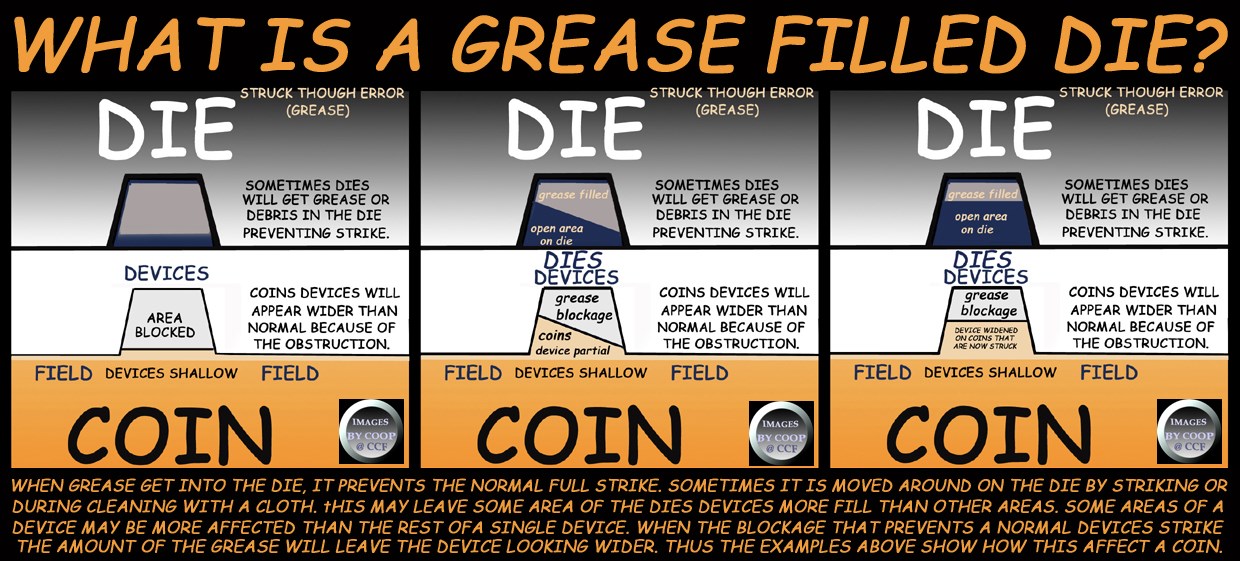 |
| |
Replies: 11 / Views: 1,204 |
|







 Posted 02/16/2019 08:59 am





