| Author |
 Replies: 7 / Views: 7,334 Replies: 7 / Views: 7,334 |
|
|
New Member
Brazil
15 Posts |
I have recently inherited this coin, which is cataloged from the Turkish-Ottoman Empire - Mahmudiye Mahmud II 1223/27. However, I question whether it is an authentic gold or fake piece. It seems very light... I would like some tips to unravel this puzzle ... Thank you very much! 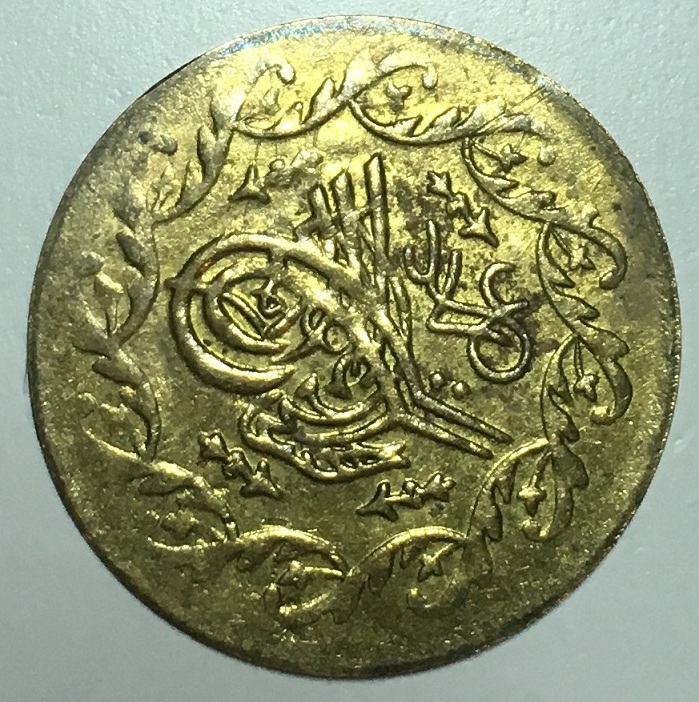 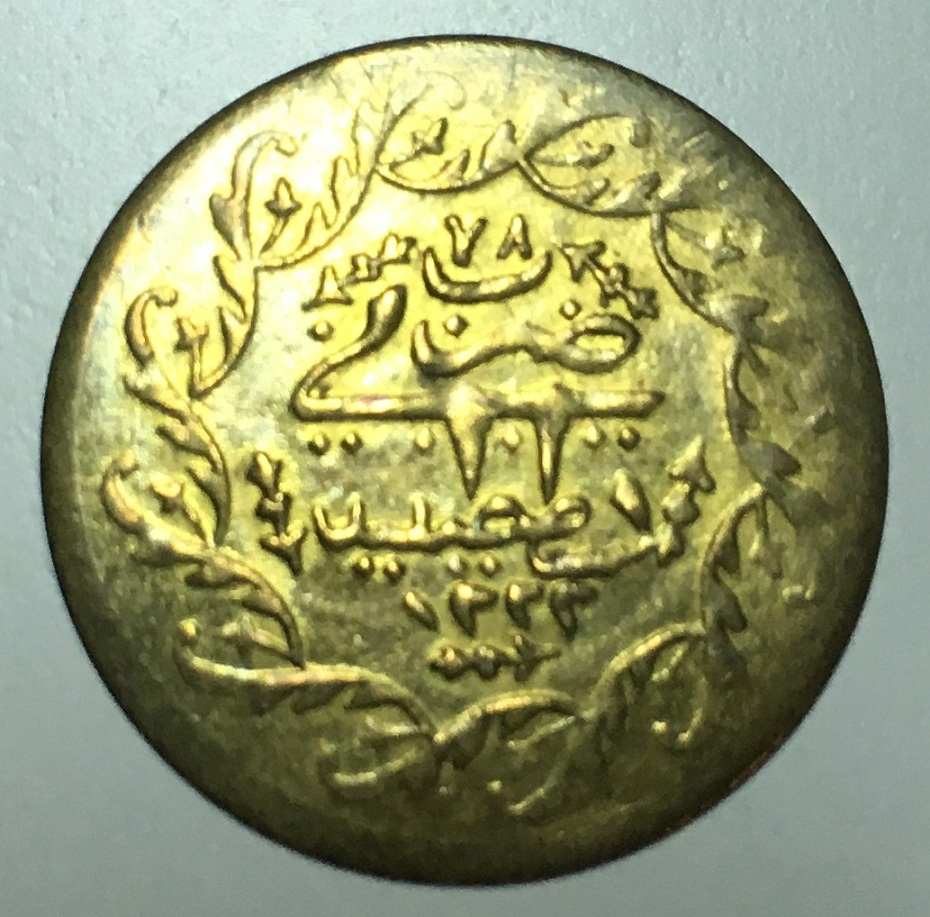 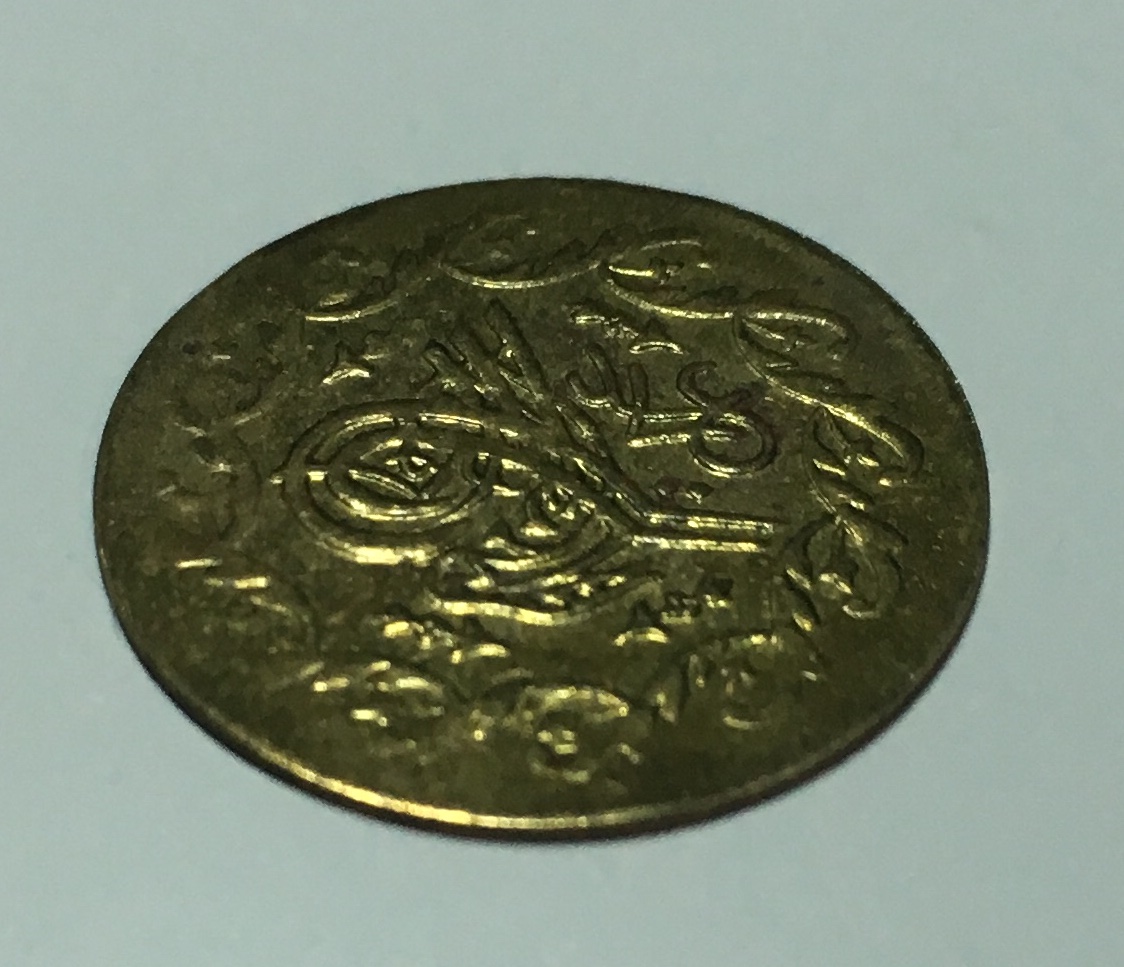 |
|
|
|
Pillar of the Community
United States
1915 Posts |
Tips: Identify exactly what your coin is supposed to be and find the specifications. Weigh and measure your piece and compare.
Also look under a microscope to see if there is base metal under some gold plating.
If it happens to be CEDID MAHMUDIYE KM#645 it should be 1.58 to 1.60g
Edited by Albert
04/02/2019 12:06 pm
|
|
Pillar of the Community
United States
4212 Posts |
The 1st pic shows, @ 12 o'clock, where it may have worn through. Take a look @ this original. 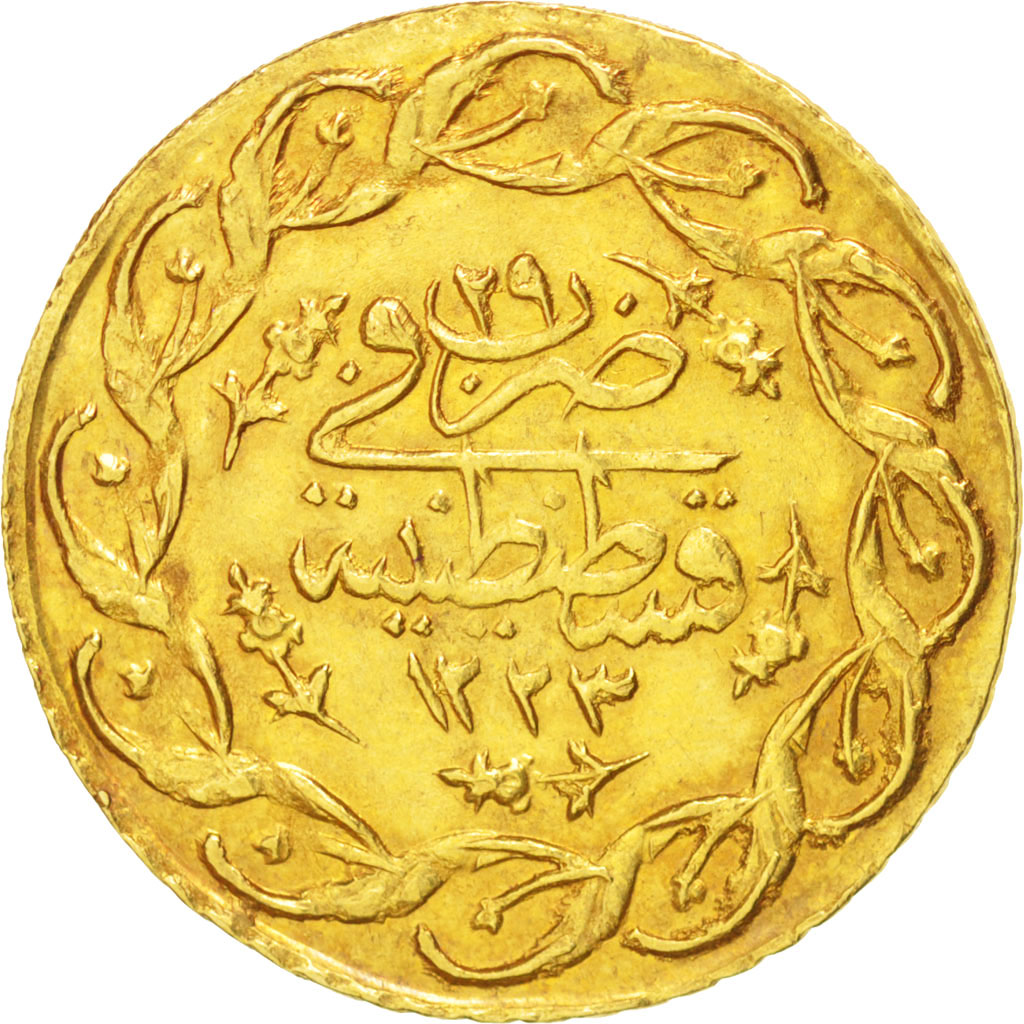 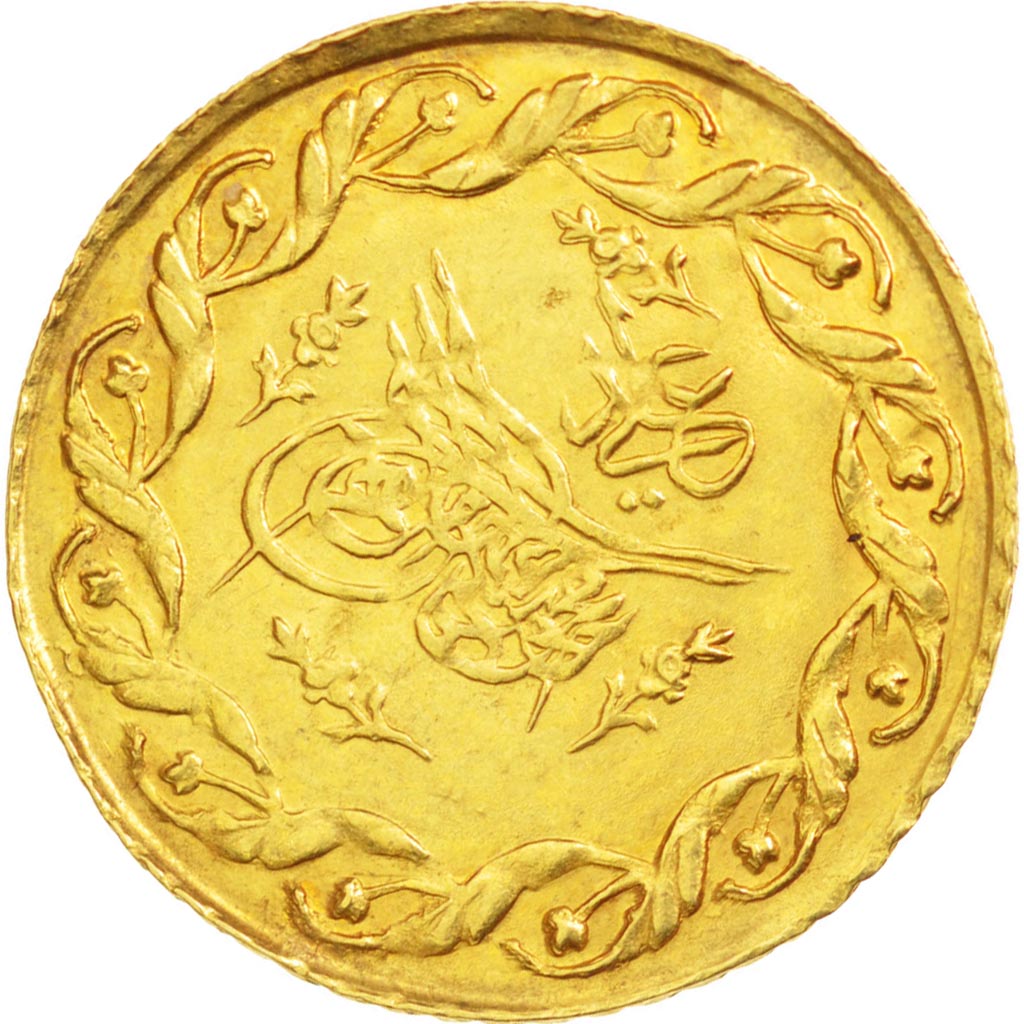 |
|
Pillar of the Community
United States
1915 Posts |
Not the same coin. Try this one: Although the OP images are poor, it does look like base metal is showing. 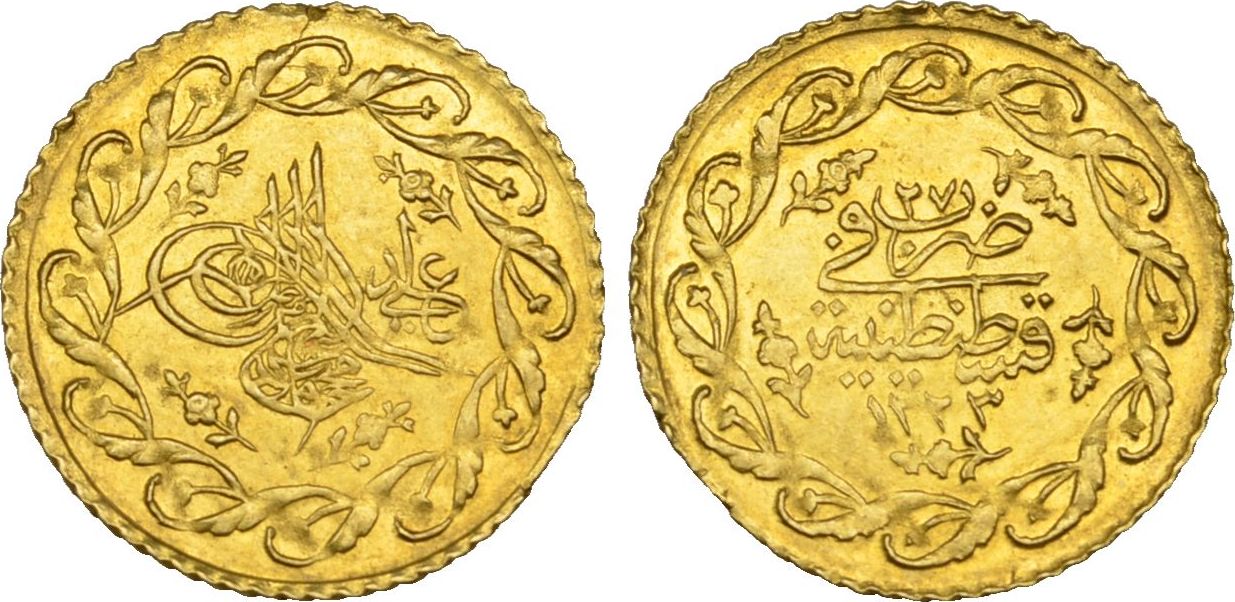 Edited by Albert
04/02/2019 3:21 pm
|
|
Pillar of the Community
Canada
5290 Posts |
I have a few of those brass (plated?) replicas. The quality is so poor that I doubt that they were made for deception purposes.
|
|
Valued Member
United States
414 Posts |
not my area of expertise, but that doesn't really look like a struck coin. Where are the dentils? There is absolutely no trace of them
|
|
Pillar of the Community
United States
1915 Posts |
Many replicas were made for jewelers and in different ways for other purposes.
|
|
Moderator
 Australia
16989 Posts |
These brass replicas of Ottoman gold and silver coins are intended for jewellery purposes. They are often found holed, and would have been intended to form part of a dancer's costume, (hence their often-encounterd nickname of "belly dancer token") or some other object that required a dangly coin-like decoration. I have seen them dangling off the drink dispensers of the traditional sherbet-sellers wandering around the Grand Bazaar in Istanbul.
This particular replica is very commonly seen; it cna be identified by the rather clumsy rendering of the script. FOr example, the ocin icopying a coin that was dated "Year 28", but the Arabic numeral "2" is written more like the Arabic numeral "7", making it look like the coin is dated "Year 78" - and no Ottoman sultan ruled for that long.
Don't say "infinitely" when you mean "very"; otherwise, you'll have no word left when you want to talk about something really infinite. - C. S. Lewis
|
| |
Replies: 7 / Views: 7,334 |
|







 Posted 04/02/2019 3:06 pm





