| Author |
 Replies: 13 / Views: 2,244 Replies: 13 / Views: 2,244 |
|
|
New Member
Australia
45 Posts |
|
|
|
|
Moderator
 United States
56855 Posts |
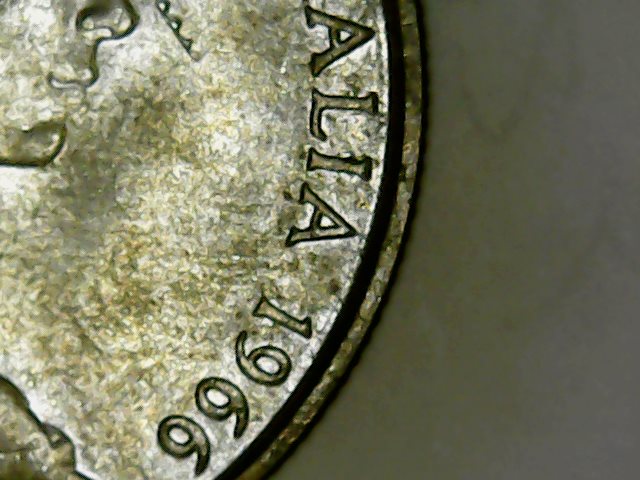
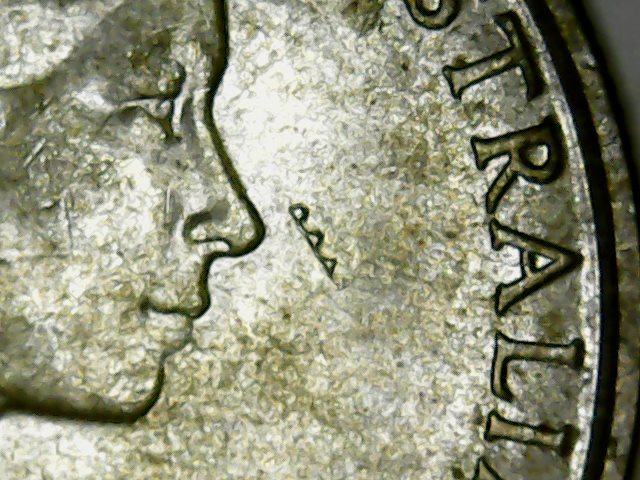
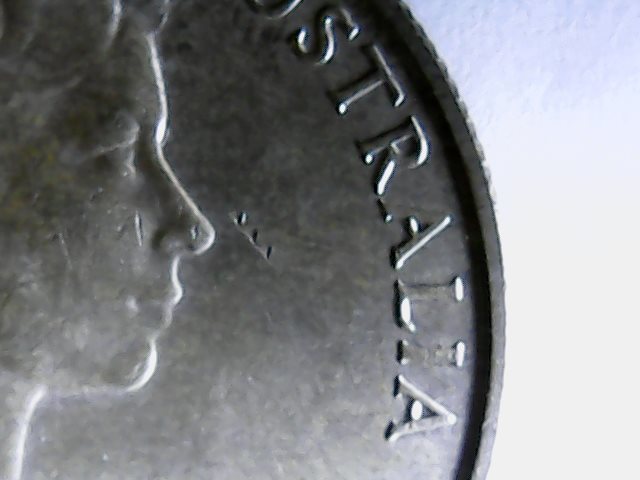
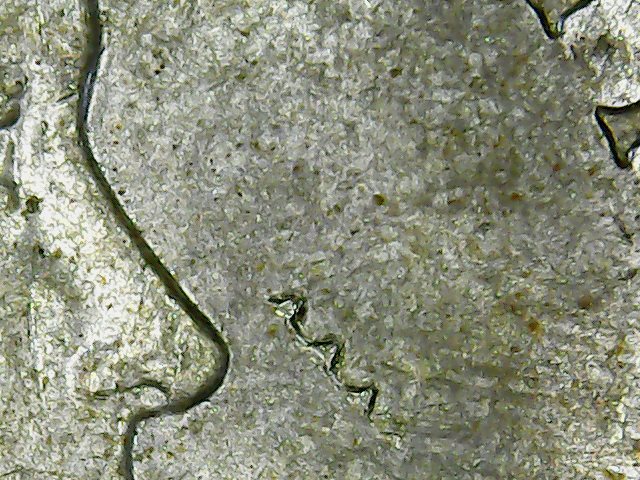
Looks like a reed hit from the edge of another coin to me. John1  |
|
Pillar of the Community
Australia
852 Posts |
Coin has at least 5 nicks on the queens face and the denticle pattern is as John1 calls it. Very common on larger silver coins such as the 50 cents and the crowns where one heavy coin falls onto another at the mint.
|
|
Pillar of the Community
Australia
1366 Posts |
How do you tell the difference between a 'denticle imprint' and a 'reed hit from the edge of another coin'? Thanks
|
|
New Member
 Australia
45 Posts |
Yes. @coaster, I would like to know that too.
|
|
Valued Member
Australia
370 Posts |
Quote:
How do you tell the difference between a 'denticle imprint' and a 'reed hit from the edge of another coin'? I believe they are the same. Just one of the many confusing terms our US cousins use to describe things  |
|
Pillar of the Community
United States
7343 Posts |
Could it be from a rim burr (dislodged) that was then turned into a "struck through"... ..would need coin in hand to tell if there is any metal movement, if yes then it's a reed hit...IMO....best of luck |
|
Bedrock of the Community
United States
79330 Posts |
Definitely PSD. It's a hit from a reeded edge from a coin. Errers and Varietys.
|
|
Moderator
United States
56855 Posts |
(I believe they are the same. Just one of the many confusing terms our US cousins use to describe things)From my understanding:reeds are on the edge of a coin and denticles are on the obv and or rev along the rim. On a reeded coin the reed edges are also on the edge of the rim,so when if hits another coin it leaves that jagged look. Denticles are protected by the rim,so if it hits a coin I do not see how it would leave just the jagged look without also leaving the impression of the rim. John1
Edited by John1
08/16/2019 09:08 am
|
|
Valued Member
Australia
370 Posts |
Quote:
From my understanding:reeds are on the edge of a coin and denticles are on the obv and or rev along the rim. . You are correct.. However, in OZ it is described as Denticle Pattern. Meaning it looks like denticles but is, of course, caused by the reeding or milling from another coin hitting it. |
|
Pillar of the Community
Australia
1047 Posts |
Quote:
You are correct.. However, in OZ it is described as Denticle Pattern. Meaning it looks like denticles but is, of course, caused by the reeding or milling from another coin hitting it. Not that it matters but in the 60(almost) years I've been collecting Coins In Oz.it was always referred to as "reeding" but it may have been a Sydney 'thing'. The most common egs. were of course the 1937/38 Crowns,the following Coin hitting the hot minted ones already in the Bucket/Bin. I had an 1938 Crown where the entire Obv. was hammered with Reeding Marks but it somehow made it out of the Mint/Banks,i'll throw up a Photo if I can find it. |
|
New Member
Australia
42 Posts |
This is getting confusing, and not trying to hijack the thread. I refer to the well known 1921 Halfpenny with supposed denticle pattern, which I've always had trouble coming to terms with. In this instance the anomaly certainly wasn't caused by edge milling as there is none. 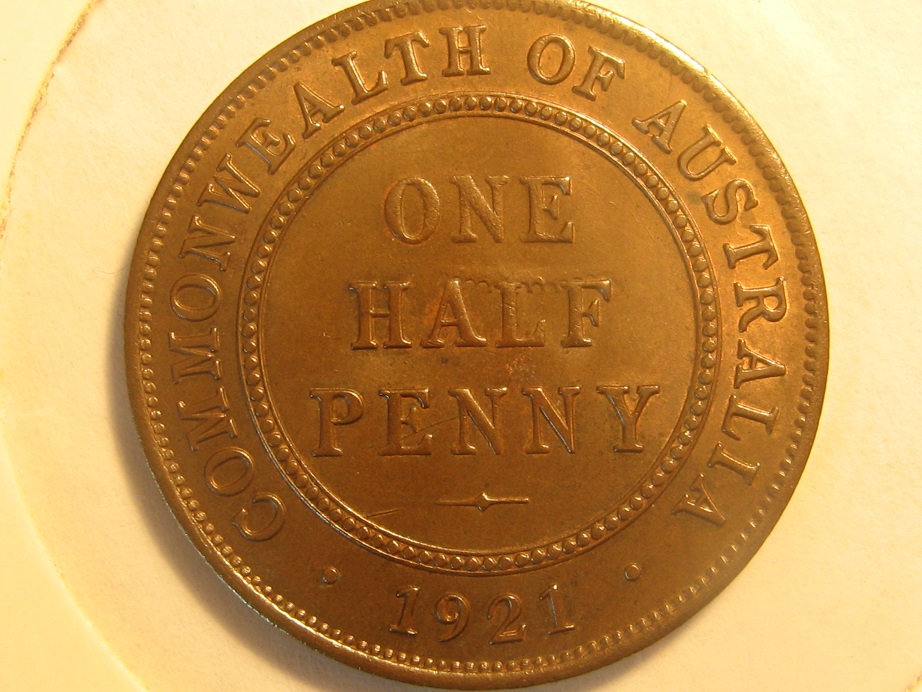 |
|
Valued Member
Australia
370 Posts |
Quote:
In this instance the anomaly certainly wasn't caused by edge milling as there is none. . Correct. This is on the die and hence it is described as denticle pattern because it looks like the denticles have clashed. So it would appear that anything resembling the denticles on the coin is called denticle pattern regardless of what caused it. |
|
Valued Member
Australia
370 Posts |
It should also be noted that the Royal Australian Mint describes our coins as having a Milled Edge and not a Reeded Edge. |
| |
Replies: 13 / Views: 2,244 |
|











 Posted 08/15/2019 04:57 am


