| Author |
 Replies: 25 / Views: 3,431 Replies: 25 / Views: 3,431 |
|
Pillar of the Community
Canada
1275 Posts |
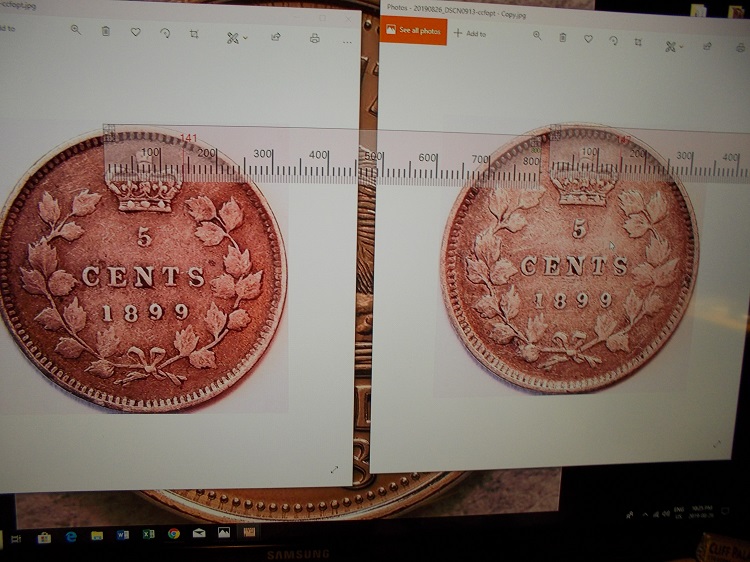
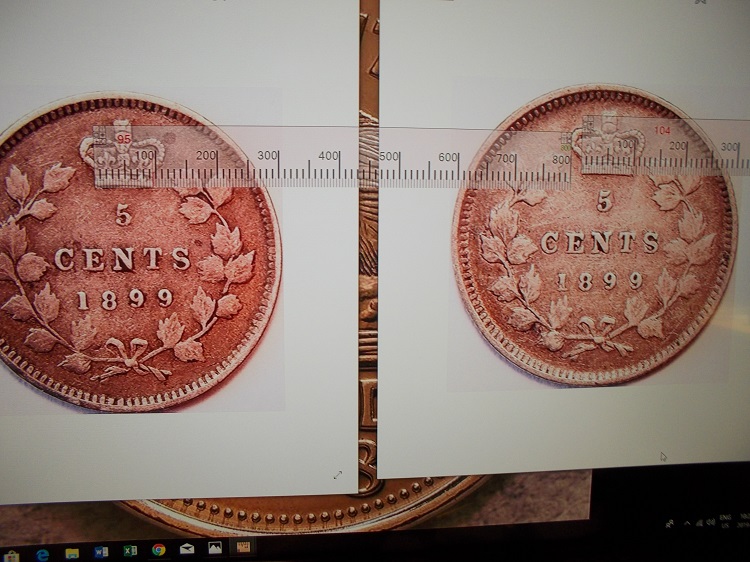
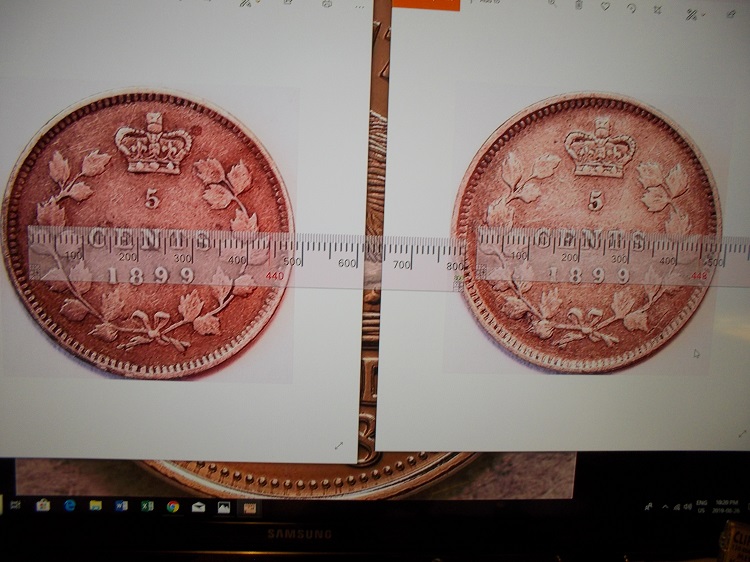
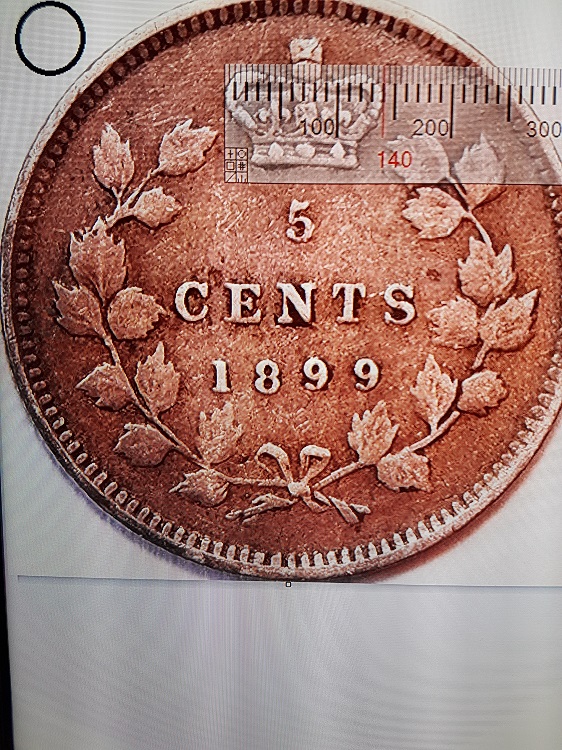
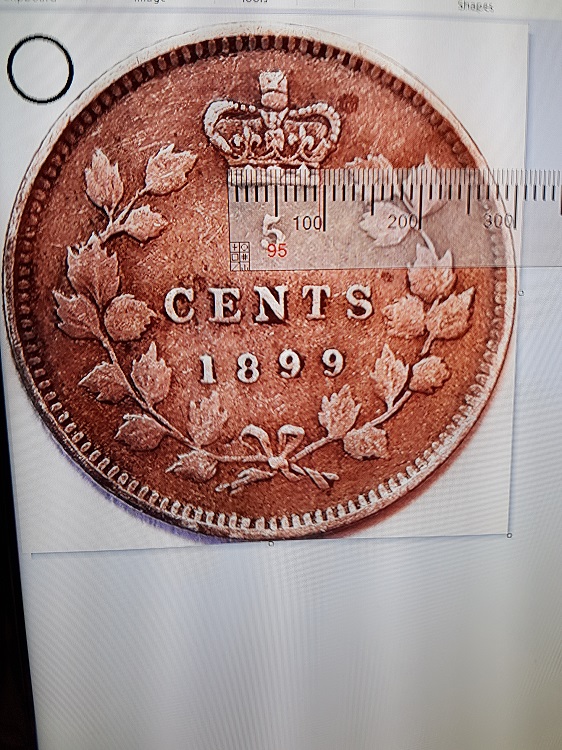
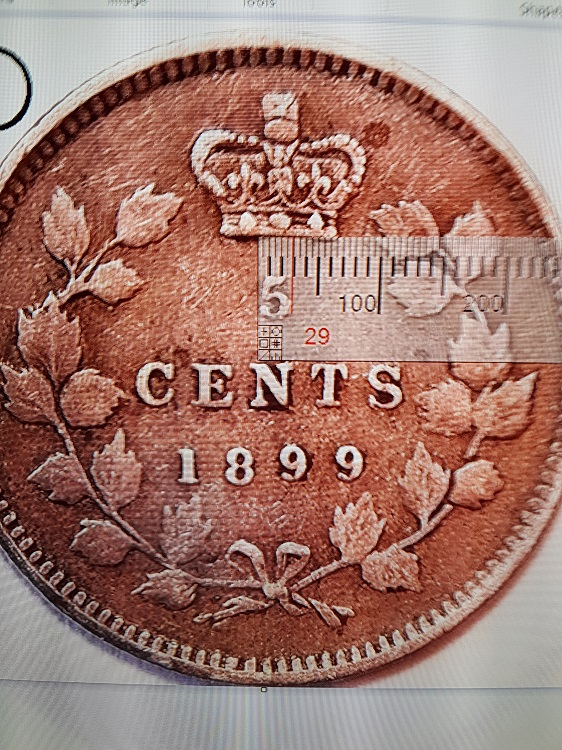
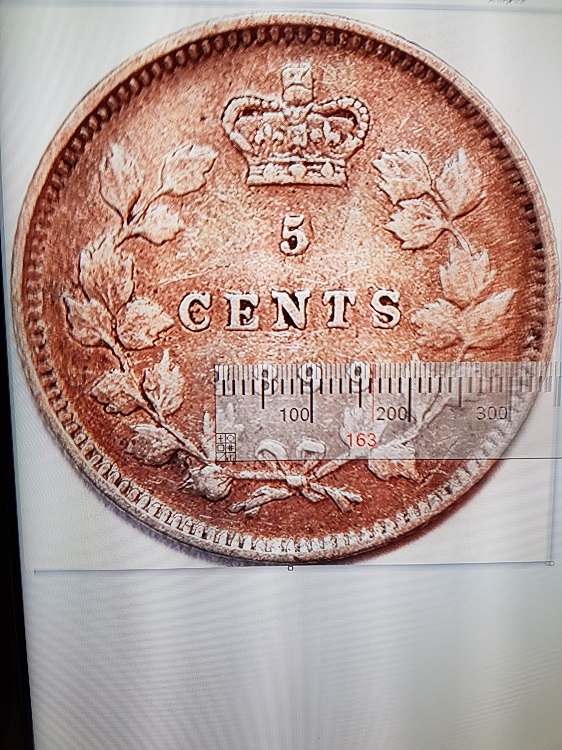
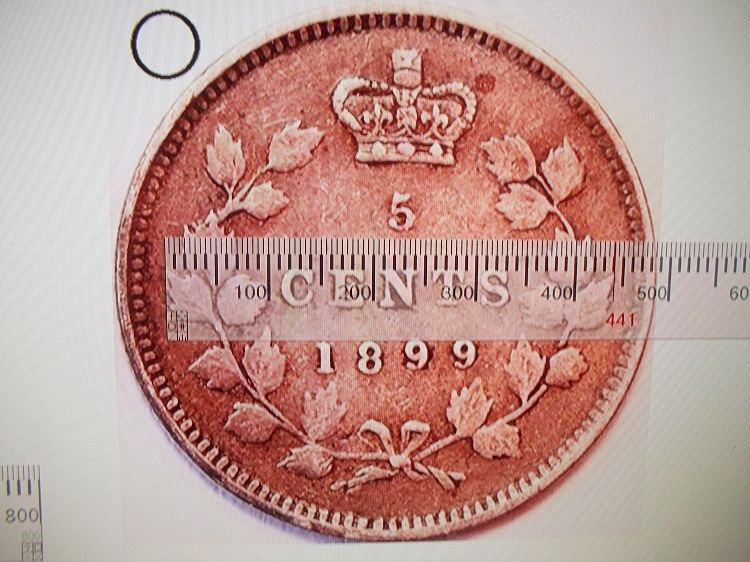
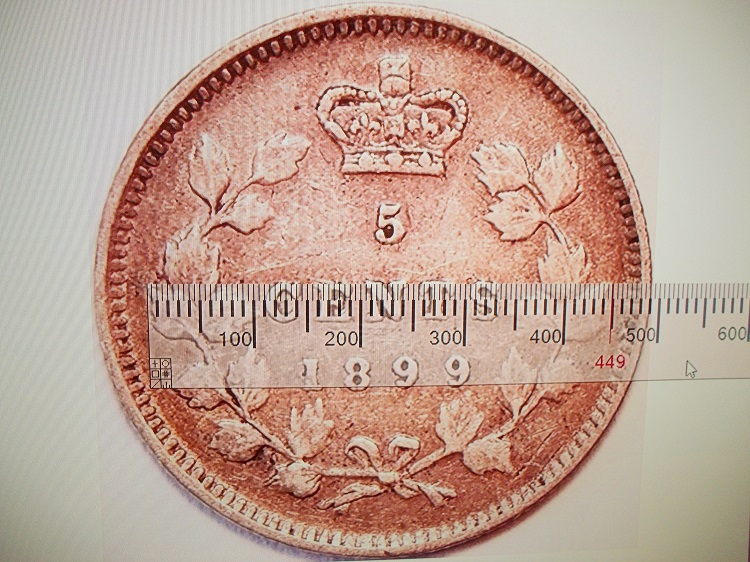
I look at these two coins that appear to be in similar grades and the date looks wider on the left coin when compared to the one on the right. I then noticed that the 5's in the denomination also appear to be different. Would this be a variety or is this just the result of wear? Is it old knowledge that I'm not aware of? Cheers, Bill   |
|
|
|
Pillar of the Community
United States
4212 Posts |
The only variety C&C alludes to, is the 'high 9' variety. Sorry, but I cant C&P with this 'puter.
|
|
Pillar of the Community
 Canada
5646 Posts |
I think that jmc or Zonad discussed this on the old CCRS site about a larger 5. I was going to say that the last 9 of the left is closer to the leaf than the one on the right ... but someone beat me to it.
|
|
Pillar of the Community
Canada
2784 Posts |
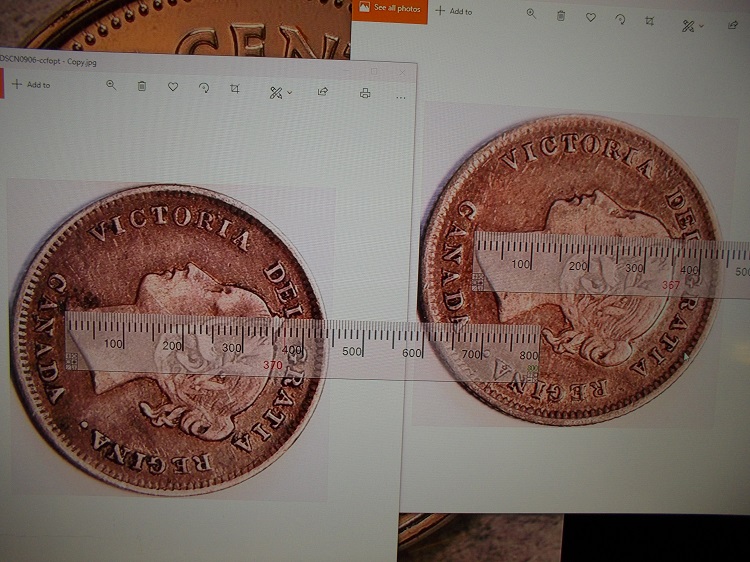
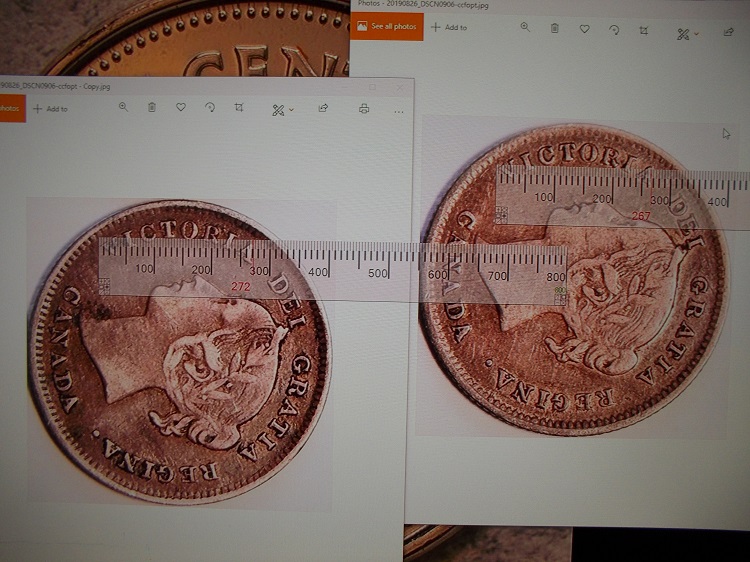
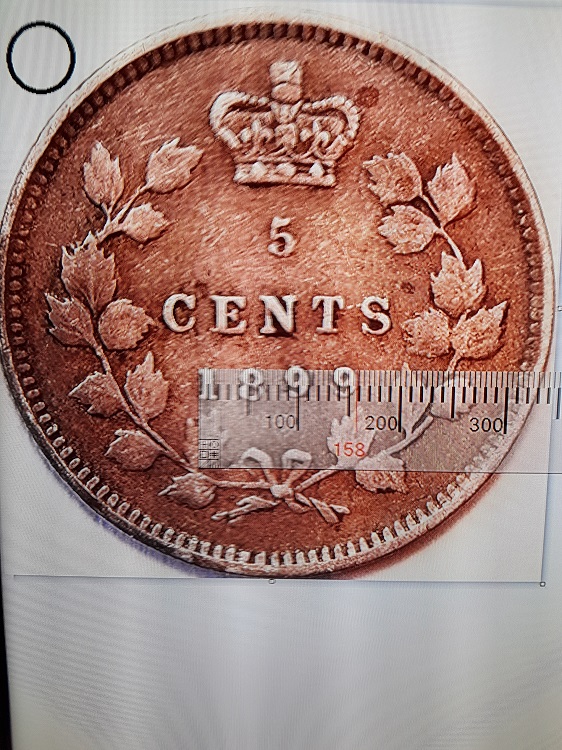
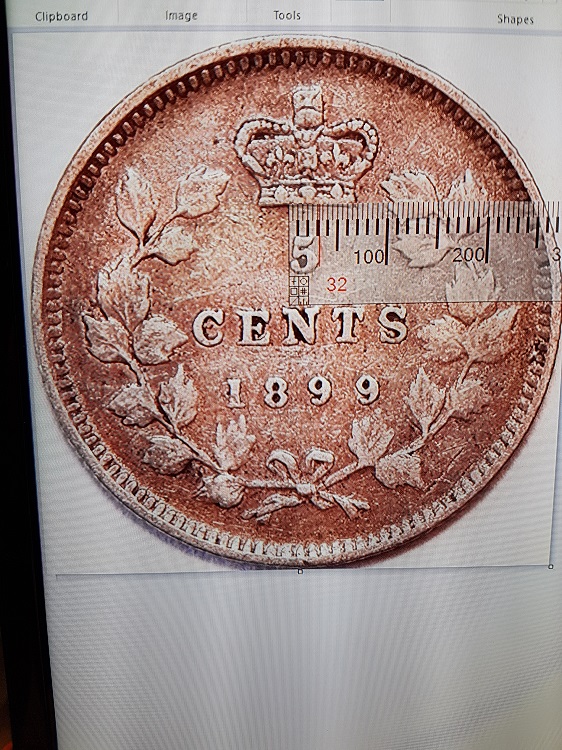
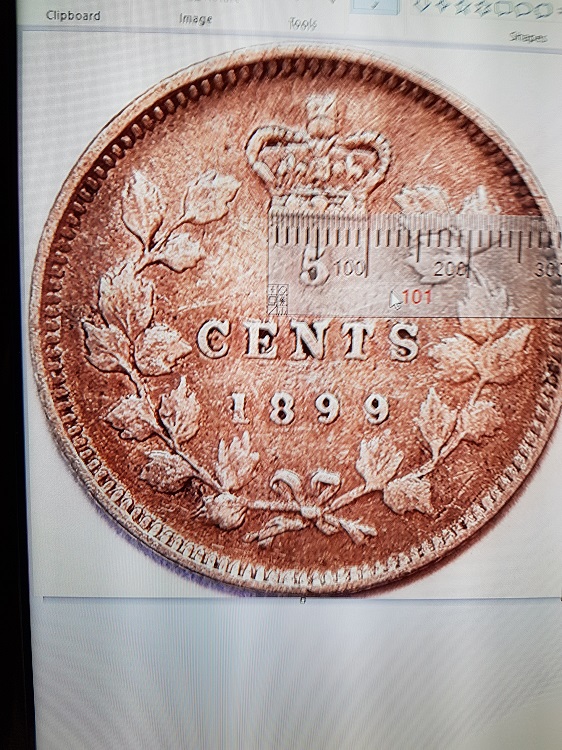
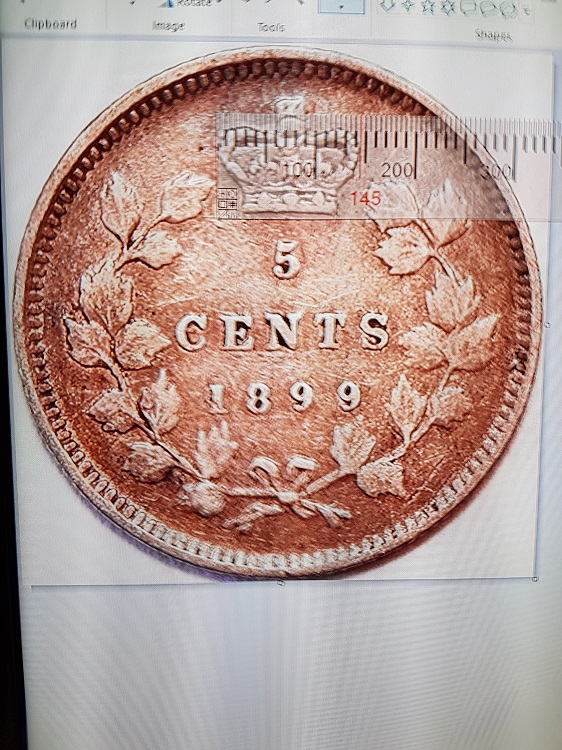
Hounddog Bill would you mind. if I put your images in my computer program. it will only take minutes I will show you if you want. if there is any differents. if you dont post I wont touch.
|
|
Pillar of the Community
 Canada
1275 Posts |
By all means rocky go ahead, sounds interesting.
Cheers, Bill
|
|
Valued Member
Canada
219 Posts |
Yep these are recorded on french site Numicanada, the main 4 versions are: Type 1 = even 99 and narrow Type 2 = high last 9 and narrow Type 3 = even 99 and wide Type 4 = high 99 and wide Here is a little quiz, can you find out which type the dates marked with a question mark are? 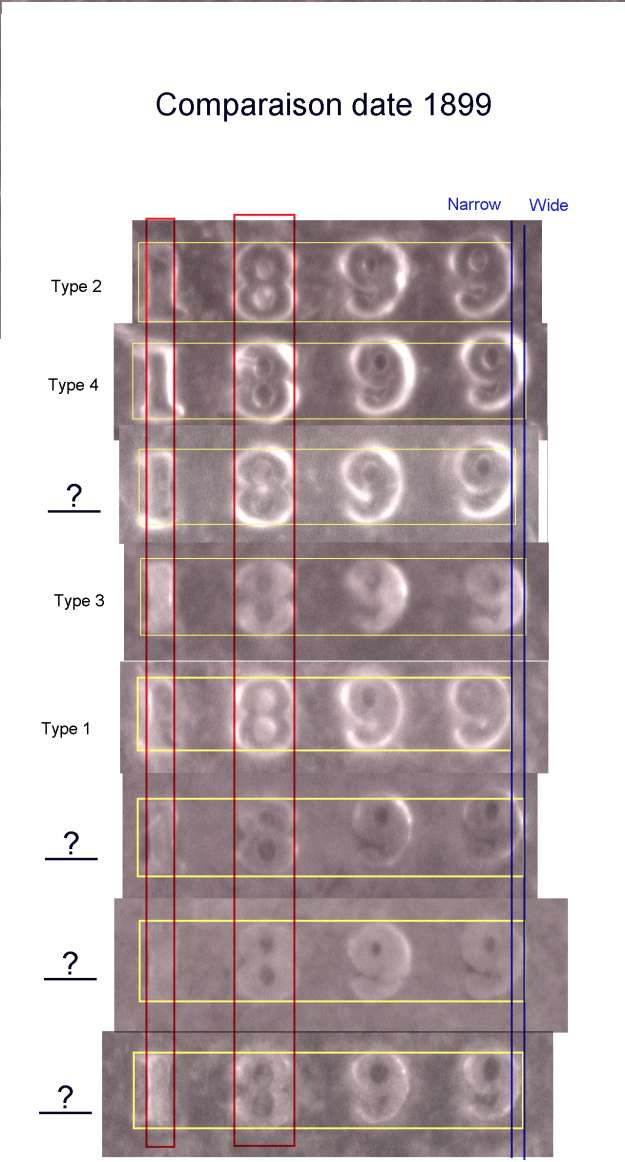 |
|
Pillar of the Community
Canada
2784 Posts |
|
|
Pillar of the Community
Canada
1463 Posts |
You'll notice the second coin's last 9 is drastically further from the leaf below it vs the first coin
Also the leaves are completely different, view the leaf point next to the c in cents on both coins,
Edited by Alan
08/26/2019 10:27 pm
|
|
Pillar of the Community
Canada
9903 Posts |
rocky your pictures and measurements do not distinguish or identify any variety, they do show the effects of die wear, hub wear or varying machine pressure
The spacing discrepancies in the dates as shown by numidan do indicate different varieties as the last nine was punched into each reverse die by hand.
Your program is in trouble already rocky since the developer is obviously unfamiliar with the definition of "variety".
"Dipping" is not considered cleaning...
-from PCGS website
Edited by DBM
08/26/2019 11:47 pm
|
|
Pillar of the Community
Canada
5646 Posts |
Rocky .... Your computer program is, at best, very confusing. The photos from Hounddog don't seem to be exactly the same size so the measurements may be a little off. Also toss in the Die Deterioration into the mix and you will have differences. Numidan .... As DBM says, the last digit of the date was hand-punched into each working die, so you will have high, low, near, far, along with canted(rotated) CW & CCW. Any coin that you find can be any one of those, along with any combination or gradient. That's like saying that each of the nearly 200 1859 Reverse dies is a different variety because of the hand-punching placement of the last digit, regardless whether there was any D/P's involved. It's also the reason why ICCS and other TPG's stopped certifying the 1896 large cents because there was no definition of "far" .. there was near, close, fairly close, normal, far, very far, far far, along with the combos for high, low and rotations. The French version for this site (Numicanada)posts images from any member collector. The "variety" guide for the site is only a compilation of what members have sent in and is not all-encompassing. Maybe the 1899 5 cent doesn't have many submitters The differences in the leaves is Die Deterioration or wear. This whole thread started to be about the size of the "5" in the denomination and I can visually see the difference, as it appears to be a different font. I remember this being discussed maybe 10 years ago. DBM and I are of the same mindset concerning the die wear and hand-punching. Edited by okiecoiner
08/27/2019 06:51 am
|
|
Pillar of the Community
Canada
2784 Posts |
thank you all, what you see that I am using. this is not the computer program. this is another way to check coins. that rule was built by a bundle of computer engineers from the univerity. the accuracy is down to 1 pixel line there is nothing more accurate.
hounddog bill I will do this again another way. if there is holes in the computer program. I need to find them. again thank you, as they say rome was not built in one day.
|
|
Pillar of the Community
Canada
5646 Posts |
But you are always going to have measurement discrepencies ... just the same as the difference between a crisp new struck coin and one that is either worn or there is die deterioration/wear. As either the coin or the working die wears, the letters & digits get fatter/broader.
|
|
Pillar of the Community
Canada
2784 Posts |
|
|
Pillar of the Community
Canada
1463 Posts |
What hound dog Bill is saying is that a coins design will always get stretched out depending on hubbing and die wear/the sequence the coin is struck. Do the same measurements to a1937 dime and a 1969. I'm not disputing what you're doing, it's helpful, but doesn't take into account die expansion.
|
|
Pillar of the Community
Canada
5646 Posts |
As DBM, Alan and I are trying to explain .. what you have confusingly shown has nothing to do with any variety, except the spacing of the final 9. Your "was built by a bundle of computer engineers from the university" certainly do not know or understand what an actual VARIETY in numismatics actually is. We have provided reference after reference to you about what is a variety vs an error and also a variety vs normal die/coin wear. This whole thread should be about Hounddog's initial concern ... the size/font of the 5 of the denomination, but has drifted to your inaccurate methodology of ID'ing varieties.
|
|
Valued Member
Canada
116 Posts |
Royal Mint report from 1899 says 49 obverse and 19 reverse dies were used.3 different reverse matrix rf 2 rf 7 and rf 8 were used.6 common varieties are normal date, large o in Victoria high 99,wide 89 , wide and high 99,double punch and wide 99. Vic
|
| |
Replies: 25 / Views: 3,431 |







 Posted 08/26/2019 3:38 pm