| Author |
 Replies: 11 / Views: 2,475 Replies: 11 / Views: 2,475 |
|
|
Pillar of the Community
Canada
2784 Posts |
this 1964 fifty cent coin is nicely strike doubled. I can not believe the grade of this coin. 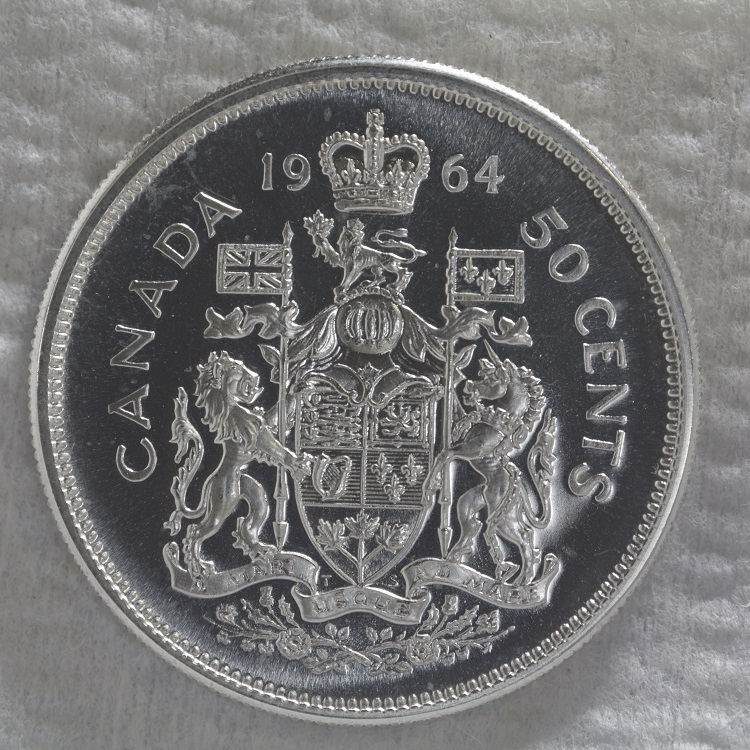 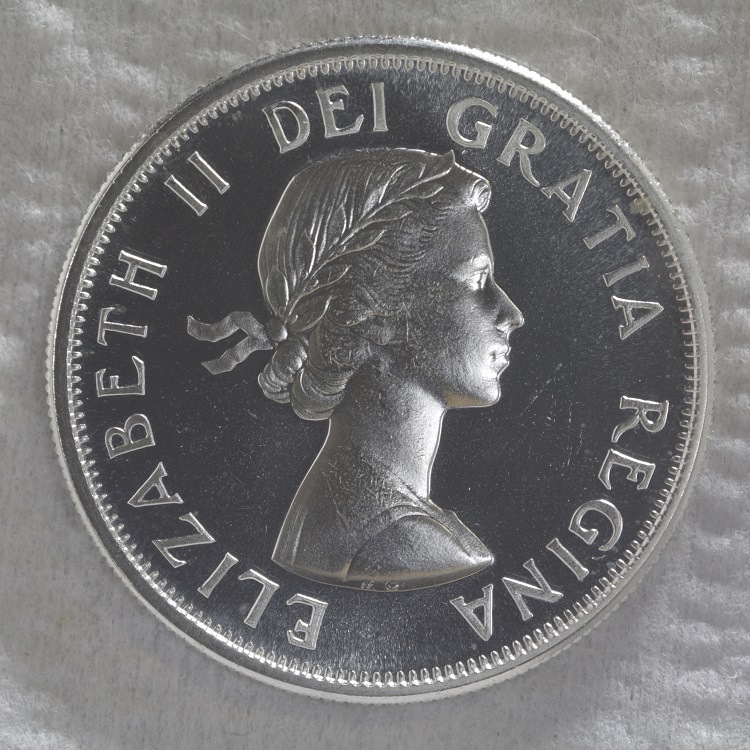 |
|
|
|
Pillar of the Community
 United States
8946 Posts |
|
|
Pillar of the Community
Canada
9903 Posts |
Beautiful coin.
Fantastic photo.
But what on earth does strike doubled mean?
"Dipping" is not considered cleaning...
-from PCGS website
|
|
Pillar of the Community
United States
1373 Posts |
Not my series, but nice coin.
http://www.victoriancent.com2011 & 2025 Fred Bowman Literary Award, 2025 Guy Potter Literary Award, 2022 Paul Fiocca Award, & 2020 J. Douglas Ferguson Award. Life Member of RCNA.
|
|
Bedrock of the Community
United States
79393 Posts |
|
|
Pillar of the Community
United States
7344 Posts |
Doubled strike...Maybe referring to a proof coin?
|
|
Bedrock of the Community
Australia
21792 Posts |
No sign of even tiny surface hits suggest to be that this example is a collector coin as issued by the Mint, and has never seen circulation.
That being said, it may have well been struck twice, to bring up all of the design detail.
Looks like a 'proof like' (PL) coin, with cameo.
|
|
Pillar of the Community
Canada
5653 Posts |
This is the "variety/Error" forum. Is there supposed to be doubling somewhere on your coin or is it an example of a very high grade coin?
|
|
Valued Member
Canada
258 Posts |
It almost looks like doubling around the front of the queen
|
|
Pillar of the Community
Canada
5653 Posts |
I think that the right side appearance is just the lighting/glare coming in from that side. On ANY coin, all the elements of the design are slightly wider at the base of the element, regardless whether it's the monarch or the lettering or the date, etc. That's because the working die is constructed/made that way(on a slight taper) so that the coins don't stick to the die when they are struck. That taper is what makes well worn coins appear to be in a wider font than newly struck ones. On the working die, the definitive edge of the flat part of the die and the beginning of the recessed element takes the full brunt of the tons of pressure that the presses deliver. That edge wears much faster than the rest of the die because it's just a very thin surface area. It's that edge wearing (and not always evenly) that causes the appearance of " Die Deterioration Doubling" which many people infer that it's some type of repunched doubling or some other type of doubling. Just think of the edge of a kitchen knife, which is about what the very edge of the working die design pattern would be. Then start pounding it with tons and tons of pressure multiple times per second and see how long that edge stays perfect. That's what causes apparent "doubling" on some coins, when all it is is just honest wear on the working die.... or an example of " Die Deterioration Doubling". To counteract some of this edge chipping/wearing away, some dies may have a very slightly beveled edge to spread out the tremendous forces of the presses. This gives some coins the appearance of also being slightly doubled at the very vase of the design elements of the coin, against the flat surface of the field. Edited by okiecoiner
09/07/2019 07:45 am
|
|
Pillar of the Community
Canada
5342 Posts |
I posted a topic here a few years ago of 1992 provincal quarter that was truly double struck, the single coin was struck with two distinct strikes and of course those massive # of 1967 dollars and halves
|
|
Valued Member
Canada
258 Posts |
|
| |
Replies: 11 / Views: 2,475 |
|









 Posted 09/05/2019 10:31 pm


