| Author |
 Replies: 18 / Views: 3,730 Replies: 18 / Views: 3,730 |
|
New Member
United States
44 Posts |
I've read lots of posts on cleaning coins and what not to do and what to do. Just need verification on best method. These are not valuable coins. Indian Head Pennies fine to very fine. Should I use distilled water first to loosen up the crud and then work with a Q-tip or tooth pic then acetone and maybe if necessary xylene? Posting an example. appreciate the help Larry G 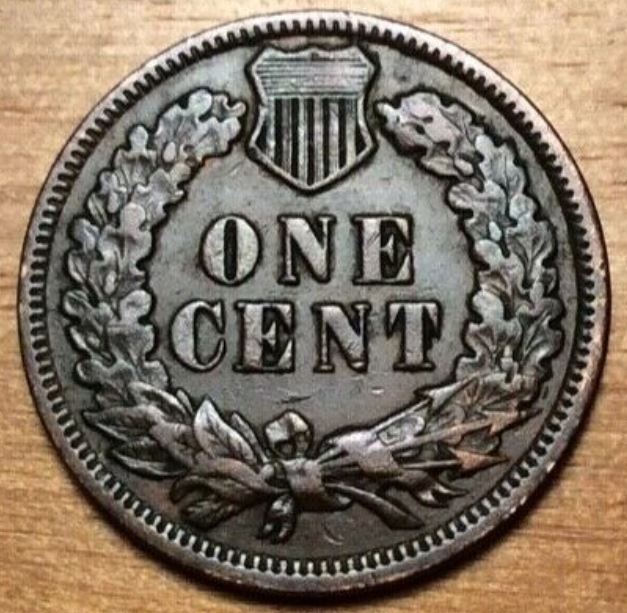 |
|
|
|
Pillar of the Community
 United States
6824 Posts |
Why would you want to clean it?
|
|
New Member
 United States
44 Posts |
Personal preference. Why not as long as you are keeping the patina and toning intact.
|
|
Moderator
United States
56855 Posts |
 to CCF. I think I would start with acetone and be gentle of course. Maybe post a before and after photo. John1  |
|
Pillar of the Community
United States
7375 Posts |
If you start picking at the crud, the patina can come off with the crud....trust me. Do what you want, it's your coin.
|
|
Pillar of the Community
United States
4618 Posts |
You also need to consider the danger of working with aromatic hydrocarbons. They can build up fumes and cause breathing problems or reach a saturation level in the air that could cause a fire or explosion.
I don't like dirty coins, but I won't buy coins that have been cleaned. It's easy to see cleaned surfaces on coins.
ANA ID: 3203813 - CONECA ID: N-5637 Clean a coin that may be worth collecting? Please DON'T! When in doubt, leave it dirty!! 
|
|
Pillar of the Community
 United States
2365 Posts |
Quote:
You also need to consider the danger of working with aromatic hydrocarbons I agree with Yukozuna. I use both Acetone and Xylene and this is especially true of Xylene. Be very careful. Member ANA and EAC "You got to lose to know how to win". Dream On by Aerosmith |
|
Valued Member
179 Posts |
I have used a lock pick to scrape away some of the bigger crud on my coins. Doesn't hurt it, and doesn't use chemicals
|
|
Moderator
United States
34531 Posts |
@LG, first welcome to CCF. Second, as a general rule, I would advise against anything more than an acetone bath, with no mechanical rubbing, picking, or scraping of anything on the coin's surface. What looks improved to you, may remove much of the value of the coins, even knowing that these are not super-valuable. For context, I have a whole bunch of foreign coins that my grandfather whizzed in the 1950s and 1960s that are now pretty much just hole-fillers. I'm not saying that what you are proposing is equivalent, but maybe just take it a little slow, ok?  "If you climb a good tree, you get a push."
-----Ghanaian proverb
"The danger we all now face is distinguishing between what is authentic and what is performed."
-----King Adz
|
|
Rest in Peace
United States
17900 Posts |
You can't go back to original after ANY type of mechanical (with a tool) cleaning or anything other than pure Acetone.
The vast majority of collectors prefer original coins.
|
|
Bedrock of the Community
United States
20753 Posts |
May as well use a sandblaster machine. Or some jewelry cleaner from Walmart. That coin is OK as is. |
|
Rest in Peace
United States
18456 Posts |
Please show us the obverse of that IHC . Reverse doesn't look bad at all . A little Acetone and your all set .  |
|
New Member
United States
44 Posts |
T-BOP, I don't really have this coin any longer to be able to post a picture of the obverse but I do have quite a few that are in the same dirty condition. I was just using this one as a good example. I'll just use the acetone with Q-tip and leave it as is after that.
Appreciate it and all the other replies and suggestions.
|
|
Moderator
United States
194400 Posts |
to the Community! |
|
New Member
United States
18 Posts |
I always wondered how the guys that metal
detect clean their coins when they find them in the ground or can you.
|
|
Bedrock of the Community
United States
10635 Posts |
Those Indians took over 100 years to develop their patina. Might as well use a sand blaster as just carl suggested.
|
| |
Replies: 18 / Views: 3,730 |





 Posted 09/15/2019 10:36 am





