| Author |
 Replies: 25 / Views: 2,823 Replies: 25 / Views: 2,823 |
|
|
|
Pillar of the Community
 United States
1361 Posts |
Maybe I'm wrong, but I believe this evidence to be pretty strong that someone at the mint got carried away, and they should have trashed this die by now.
|
|
Rest in Peace
United States
18456 Posts |
Quote:
I have my opinions, but I'm TOTALLY staying out of this. I have to agree . This back and forth crap is driving me crazy !  |
|
Pillar of the Community
United States
2189 Posts |
Quote:
and that's got to be a fingerprint on the obverse. It is a finger print. Nothing more.it's a good reason to hold coins by the edge. Here's mine  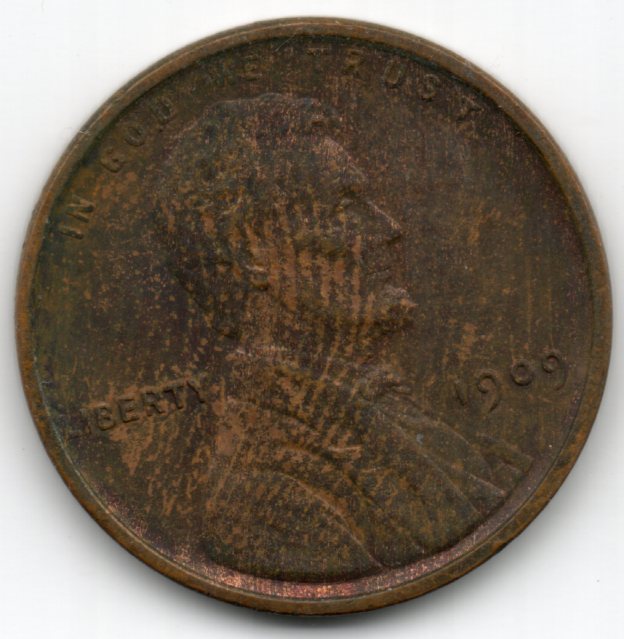 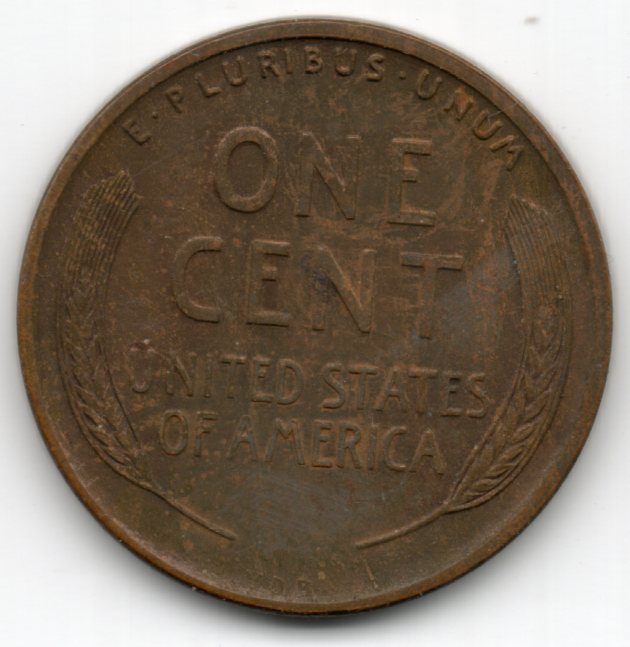 Edited by jasper62
01/01/2020 08:23 am
|
|
Pillar of the Community
United States
3745 Posts |
Unlike the 1922-D, this one has been cleaned, and probably twice.
On the original pictures, notice the darker areas in the crevices near the portrait, inside the interior lettering, and in the lines of the wheat stalks. The original cleaning only affected the higher points and the open fields. The reason the fingerprint is raised is that the oils from the finger protected the surface when it was chemically cleaned a second time, resulting in minor etching of the surrounding field.
My best guess: (1) an early abrasive cleaning, such as with a pencil eraser, followed by (2) mishandling the coin, leaving the fingerprint, followed by (3) a second chemical cleaning, such as with metal polish, (4) followed by some gradual retoning. The crud in the recessed and protected areas was never removed by any of the cleanings, causing the current appearance. I suspect that if you removed the crud with a wooden toothpick, you would see a brown surface from normal circulation.
I'm at F Details, cleaned. It looks like LMDS obverse and MDS reverse, with a typically indifferent early San Francisco strike. JMHO.
|
|
Pillar of the Community
United States
1361 Posts |
It appears there are raised die scratches running perpendicular across the dark streaks/high and low streaks though...or it appears so, wouldnt you agree based on these photos? 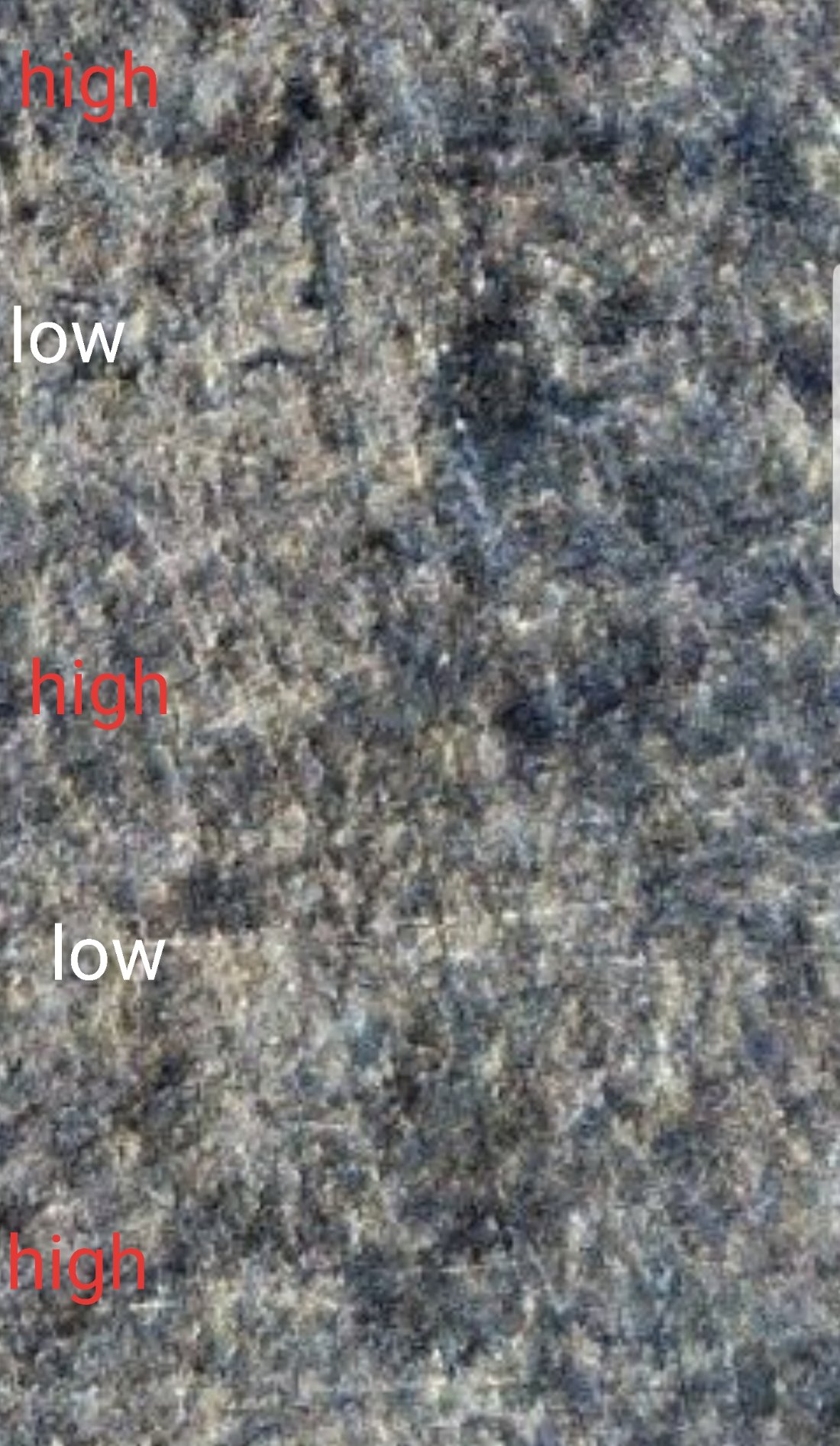 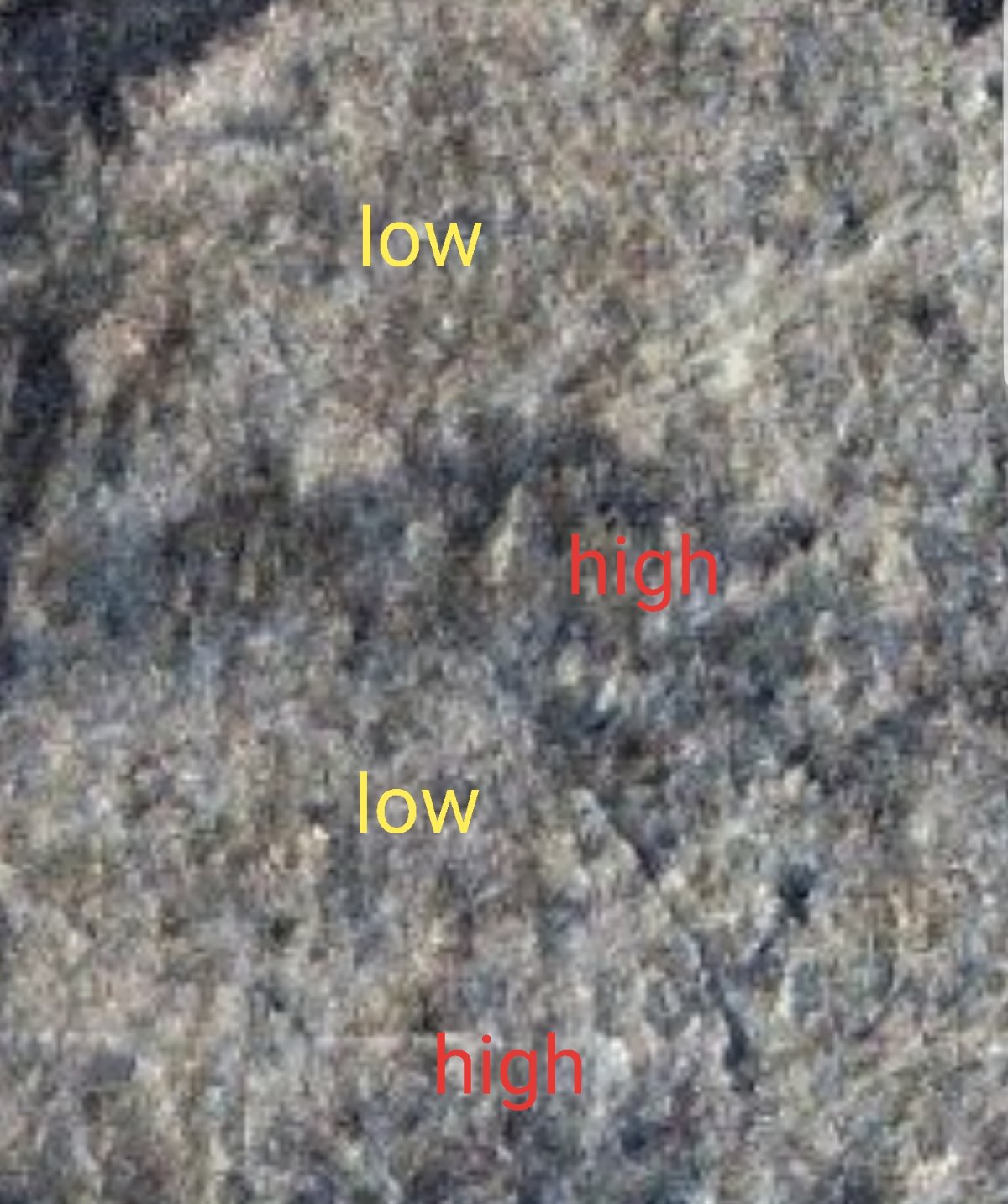 |
|
Pillar of the Community
United States
1361 Posts |
Also, the die polishing lines below the chin run parallel to the highs and low lines as well if you examine the pictures.
|
|
Bedrock of the Community
United States
94367 Posts |
Actually, I think the OP's '13-D is a late state original gem, with splashes of lavender bursting through shimmering pastel fields and hints of aqua and muted raspberry in the protected devices. Sure to please the advanced Lincoln specialist with a record price expected.
|
|
Pillar of the Community
 United States
5720 Posts |
Quote:
splashes of lavender bursting through shimmering pastel fields and hints of aqua and muted raspberry in the protected devices  Are we grading coins or at a wine tasting? |
|
Pillar of the Community
United States
1361 Posts |
Yes, these coins look like trash, not defending their beauty, plus I know Coinfrog has an LDS fetish...I'm sure he looks at the PCGS 22 no d MS 65's trueviews daily (along with Liberty's toes). Not like they would never command the same premium that a EDS coin would. We buy the coins, not the slabs anyways, so regardless of grade, do most people prefer a beautifully struck specimen over a trash die state? No. I just want to know how to identify them, and if I am on the right track. As well as maybe get a perspective on how a TPG looks at such a coin. They are a good way to educate on the life of a die, from fresh, to destruction, what the mint workers did to try and keep a die doing its job. Obviously they don't allow dies to become this worn in more modern mintings before retiring them, so finding good examples of vlds coins isn't quite as easy. I guess what I'm trying to figure out is this: Am I differentiating a heavily circulation work coin from a VLDS coin correctly? Am I correctly identifying original surfaces under the scope? Do die polish lines normally hold up to cleanings? And finally, did the mint employee polish the die with an angle grinder? |
|
Pillar of the Community
United States
5720 Posts |
I don't think any of the lines and scrapes you're seeing are die polishing lines. Those would generally be finer and closer together, and it's unlikely they would be visible on a worn, circulated coin like this.
|
| |
Replies: 25 / Views: 2,823 |







 First Page


 Posted 01/01/2020 08:04 am





