| Author |
 Replies: 20 / Views: 4,769 Replies: 20 / Views: 4,769 |
|
New Member
United Kingdom
37 Posts |
|
|
|
|
Pillar of the Community
 Canada
5416 Posts |
With tomatoes currently @ $4.00 per pound in Canada , I can think of a heck of a lot better things to do with a tomato , like a yummy salad with French Dressing .  |
|
Pillar of the Community
United States
4618 Posts |
 to the CCF! Most members here are against anything other than an acetone bath and distilled water rinse. It's really easy to clean the value right out of a rare coin. ANA ID: 3203813 - CONECA ID: N-5637 Clean a coin that may be worth collecting? Please DON'T! When in doubt, leave it dirty!! 
|
|
Rest in Peace
United States
18456 Posts |
 Never ever clean coins . Tomatoes are acidic , that's a no no . No brushing with toothbrush or ammonia soap & water and definitely no boiling any coins . It drastically reduces the value of any coin . Only ancients can get away with a cleaning by someone who knows what they are doing .  |
|
New Member
 United Kingdom
37 Posts |
I don't clean coins with patina, expensive coins in agrresive way. Cheap coin is from metal detecting. What should I do? Keep it in olive oil for a year? :) as long as you know how to do it then fine :)
|
|
New Member
United Kingdom
37 Posts |
Yokozuna, thank you for information. Will try aceton bath.
I metal detect a lot and some often needs cleaning :)
|
|
New Member
United Kingdom
37 Posts |
Pacificoin,
When you eat salad, you can even squize juice a bit from tomato in a cup and put coin there. But like it been said, tomatos are acidic and need to be careful.
|
|
Pillar of the Community
 United States
8031 Posts |
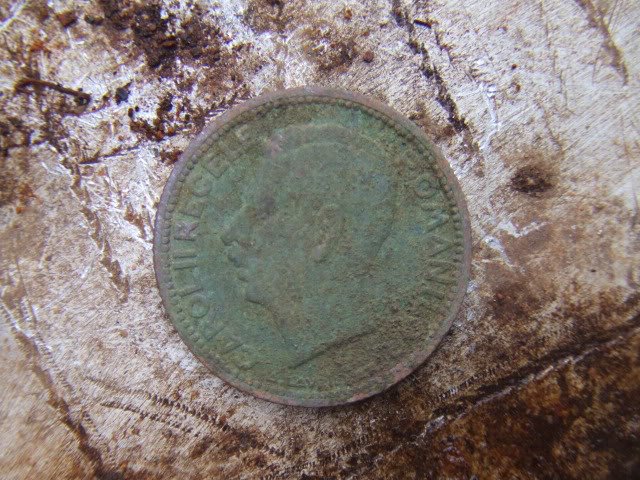
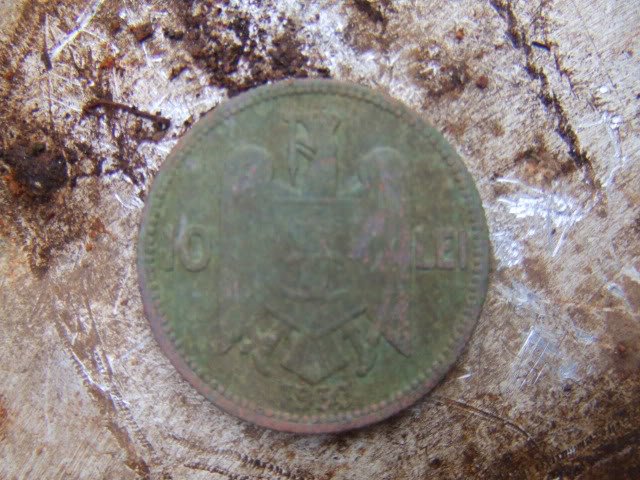
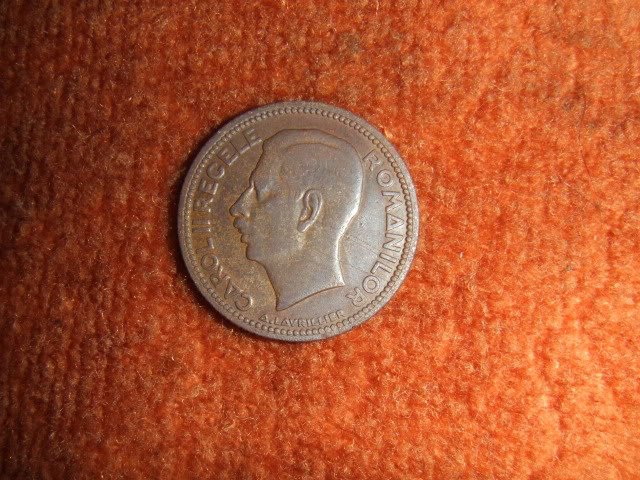
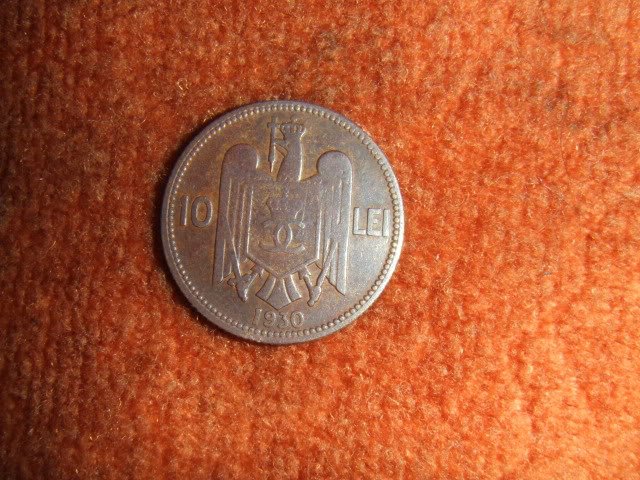
To my eye, you improved that coin quite bit (as long as the scratches were already there). It sounds like you have experimented enough to know what you are doing.
Tomato juice is a fairly weak acid. It is about 100 times weaker than lemon juice or most vinegars. Probably this fact, plus the need for the acid (juice) to diffuse through the tomato pulp, makes it a more slow, gentle form of "cleaning with an acid" than other approaches.
I see this coin is made of Ni-Brass alloy. I would guess the results on other compositions could be very different.
|
|
Pillar of the Community
United States
6822 Posts |
Quote:
To my eye, you improved that coin quite bit  And someone had to do something to save that coin |
|
New Member
United Kingdom
37 Posts |
tdziema
Yes, I dug it in the woods (Lithuania) and scratches were already there. In some places soil can be very acid. Not to mention how bad it is in UK. But I am talking only about those coins that are found in the ground and in poor condition. Not to make illusion for people that I buy and ruin coins with toothbrushes or sanding paper :D No, no, I don't do that. Only experiment with coins that have no value and need attention.
You are absolutely right. Diffusing tomato juice would really make things so much better. For me it ideally work to remove green oksids from silver coins and it doesn't make metal shine or damage patina. All detectorists came across with this problem.
Regarding metal composition, with copper coins you need to be careful. It can leave gingerish color on the coin and it not always can work ideally.
|
|
Pillar of the Community
Canada
1082 Posts |
Whether you're cleaning with a tomato or toning with a boiled egg - it's a chemical treatment of a coin. Once it's done, it's not un-doable. I take the point that this coin was in decidedly weird shape. So there may be exceptions towards the bottom of the heap. But they are exceptions....
|
|
New Member
United Kingdom
37 Posts |
Silver101,
All people are with different taste ;)
Better than tooling, smoothing coins and selling to people without letting them know :)
|
|
Pillar of the Community
United States
8031 Posts |
To me, you started with a coin that is really not presentable to a numismatist, and your result was still some uneven patination, but a coin that is now collectable.
It is only different in degree from the result obtained when an ancient is professionally "conserved." Although I agree with many earlier comments that one must be very careful with any approach like this.
|
|
Bedrock of the Community
United States
20753 Posts |
Chemically every Tomato is different. Therefore this is rather dumb since one Tomato may do little and the next one could melt the coin. Not really but could do a real number on it. And don't forget nowadays there are numerous different Tomatoes. So should we be using Red ones? Yellow ones? Striped ones? etc., etc., etc,? Round ones, pear shaped ones, large or small ones?
|
|
Pillar of the Community
United States
4085 Posts |
I can only recommend cleaning coins with homegrown tomatoes.
|
|
Rest in Peace
United States
18456 Posts |
The ones that I recommend are the Organic Italian Plum Tomatoes . Guaranteed to strip the Zinc right off a U.S. steel cent .  |
| |
Replies: 20 / Views: 4,769 |












 Posted 03/28/2020 1:52 pm


