| Author |
 Replies: 12 / Views: 1,023 Replies: 12 / Views: 1,023 |
|
|
Valued Member
Canada
207 Posts |
|
|
|
|
Pillar of the Community
United States
5318 Posts |
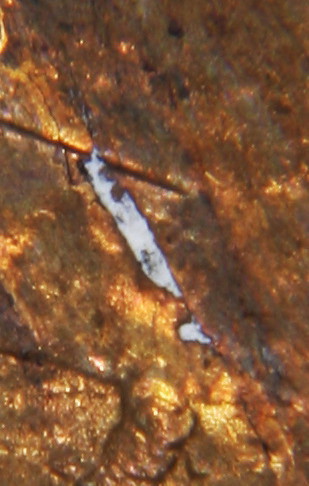
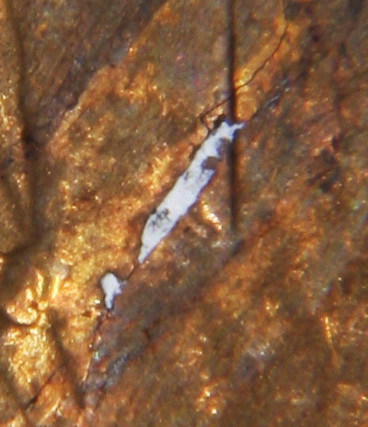
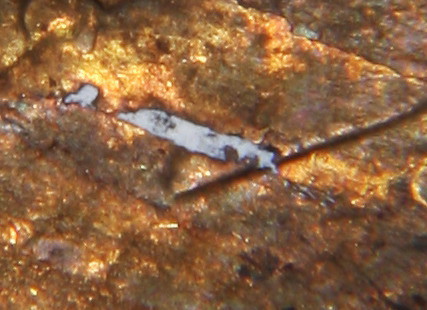
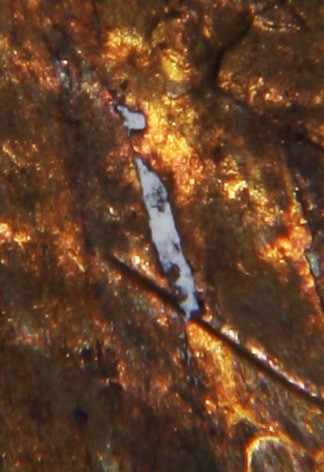
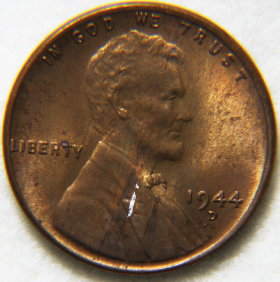
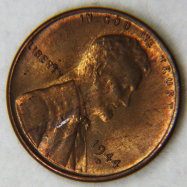
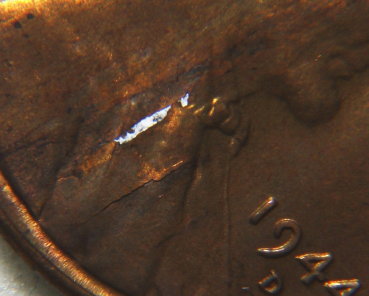
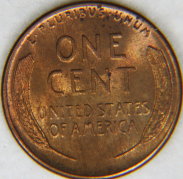
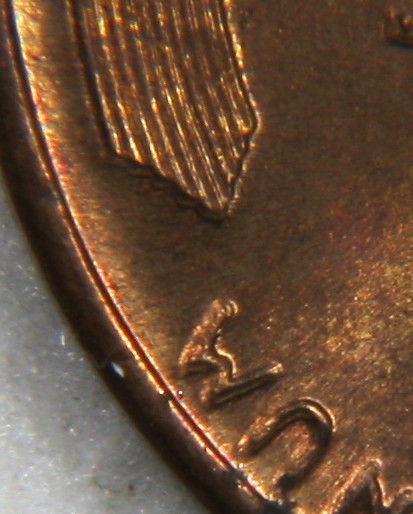
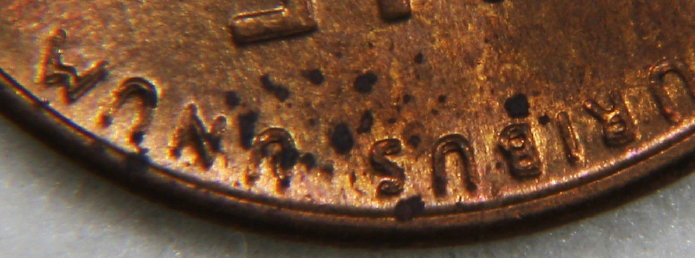
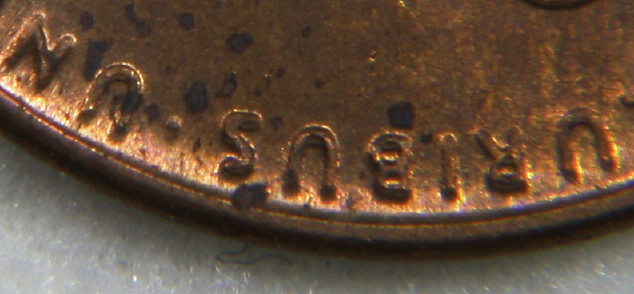
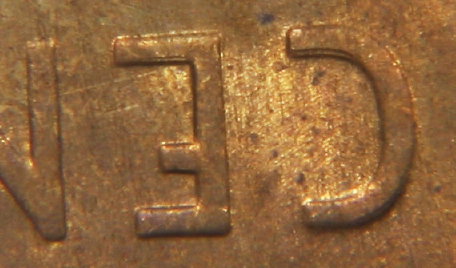
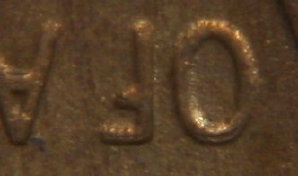
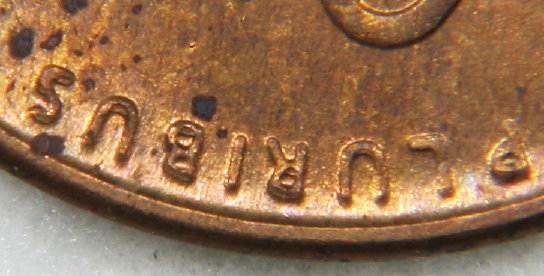
I'll throw out a guess for fun--correct me please: Obverse: lamination error on planchet Reverse: Machine Doubling |
|
Valued Member
 Canada
207 Posts |
KurtS.Thank you, will see what other opinions?
|
|
Pillar of the Community
United States
2540 Posts |
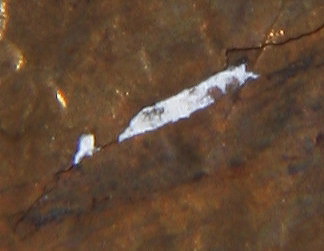
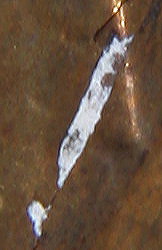
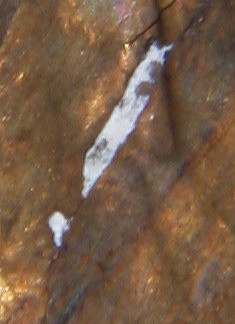
The white on the obverse makes no sense as a lamination, it should be the same color as the rest of the coin, these weren't copper plated zinc coins.
The doubling is machine/strike doubling.
|
|
Pillar of the Community
United States
5318 Posts |
Actually, there's a plausible explanation for a bright streak in the coin. From what others have said, planchet laminations begin as an impurity in the metal used to roll out the coin stock. I believe that during 1944-45, shell casings were recycled to mint pennies, and if impurities weren't completely mixed, they would be rolled out as streaks in the coining stock. Planchet is stamped out, upset and struck, revealing a shiny impurity--implausible?  |
|
Moderator
 United States
194816 Posts |
Plausible.
"Copper" Lincoln Cents have 5% Zinc/Tin.
You might have a white streak if either of those did not mix in well.
|
|
Bedrock of the Community
United States
12437 Posts |
Yes, it is possible to have off-metal contamination in a planchet and it would stand to reason that something like that could cause a lamination because of a weaker bond with the bronze. One cannot tell for certain what kind of metal it is without an in-depth analysis but the most likely possibility would be 90% silver. I would assume that the 35% silver alloy used for War Nickels would have oxidized to a darker color, tin/zinc impurities shouldn't be so stark white, and no Cu-Ni alloys were used on US coinage in 1944(I have no idea about any foreign compositions used during that time though) so that leaves 90% silver as the best candidate. If it is silver, that would certainly make this coin much more interesting. However, you would probably need an XRF analysis to determine the elemental composition for certain and that would not be a cheap test. I would call it "Lamination with unknown impurity"  Edited by biokemist6
10/29/2008 12:34 pm
|
|
Moderator
United States
194816 Posts |
I like the sound of that!  Nice analysis, BTW.  |
|
Pillar of the Community
United States
5318 Posts |
Quote:
However, you would probably need an XRF analysis to determine the elemental composition for certain and that would not be a cheap test. Perhaps this could be an "added-value service" of the TPGs? Then, grading using SEM, followed by augmenting the Sheldon scale to decimal places...MS64.5, MS66.9, etc--collectors could really jockey for those population rankings.  Seeing that bright color, I first thought tin since it doesn't really tarnish over time, but Ag sounds very plausible too. Edited by KurtS
10/29/2008 2:16 pm
|
|
Bedrock of the Community
United States
12437 Posts |
You are correct Kurt in that tin does not tarnish/corrode easily. However, tin will form a thin oxide layer on its surface that has a light greyish cast to it- this oxide layer is a protective patina. If the white balance of the photos is off, i.e. too white, then it could just as easily be tin. Since this Lincoln appears to be of a red-brown color, then the tin should have oxidized somewhat as well. The present photos make the contamination appear to be "too white" for oxidized tin.
With that said, my background is in chemistry/biochemistry and not metallurgy so I would say that I have a somewhat informed opinion but I am certainly not an expert.
Edited by biokemist6
10/29/2008 2:36 pm
|
|
Valued Member
Canada
207 Posts |
|
|
Pillar of the Community
United States
5318 Posts |
Ping Szeto- Those are interesting details! It sure looks like a whiter metal is interspersed within the bronze. Quote:
With that said, my background is in chemistry/biochemistry and not metallurgy so I would say that I have a somewhat informed opinion but I am certainly not an expert. I'm no expert either--just some general knowledge here--I appreciate your insights. |
|
Pillar of the Community
United States
7629 Posts |
Obverse appears to have post-mint impurities in the crack of the lamination. nothing more. Reverse is Machine Doubling. The letters were squashed by the die bounce. Doubled dies never look flattened. |
| |
Replies: 12 / Views: 1,023 |
|









 Posted 10/29/2008 12:21 am