| Author |
 Replies: 35 / Views: 6,259 Replies: 35 / Views: 6,259 |
|
Pillar of the Community
United States
1156 Posts |
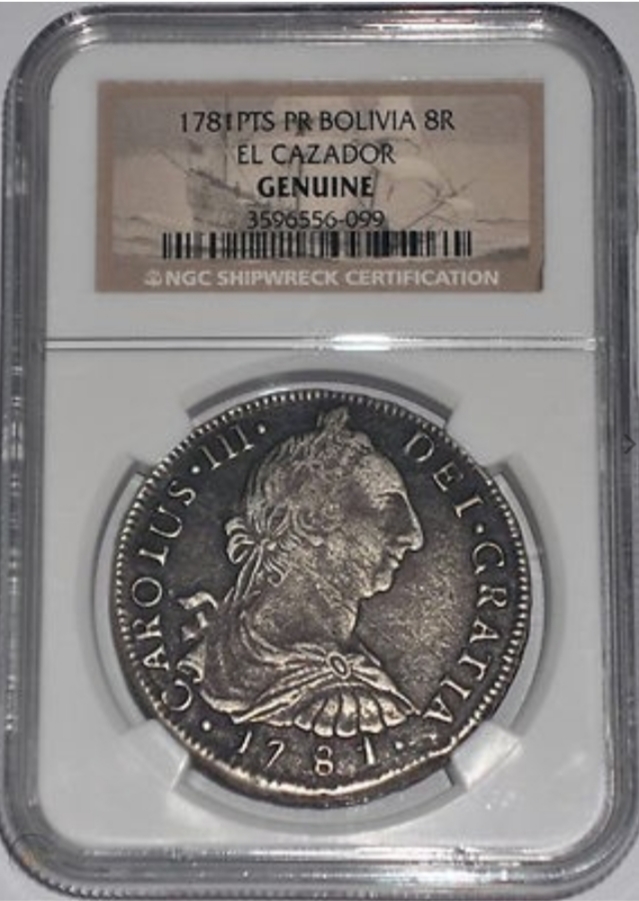
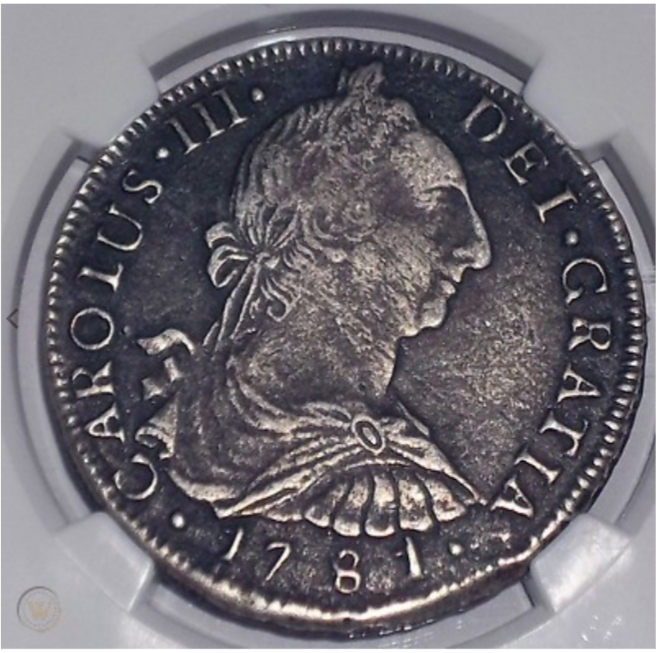
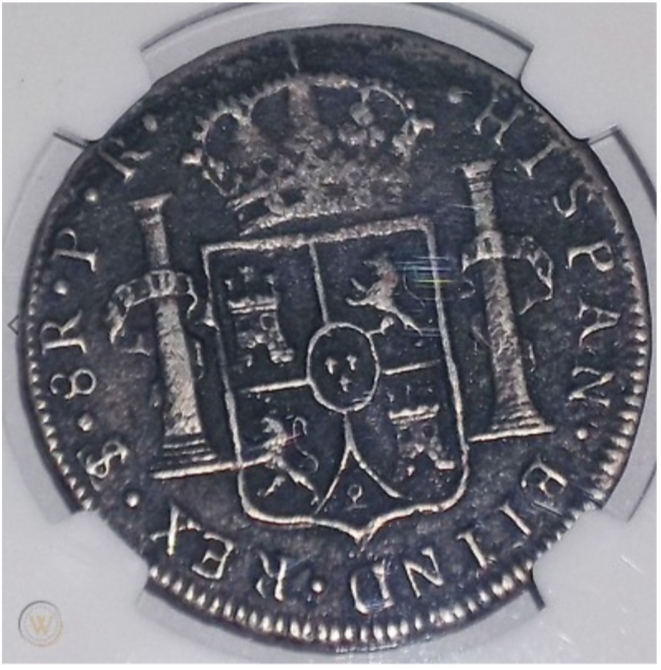
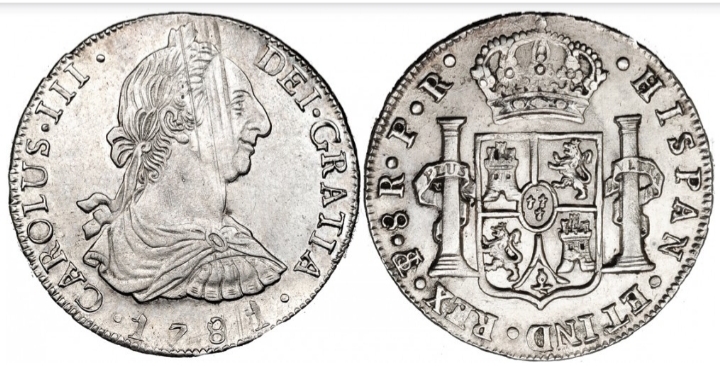
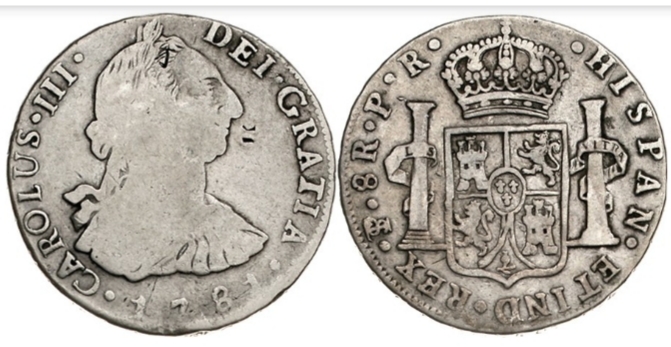
Just saw this in Sedwick's current auction. 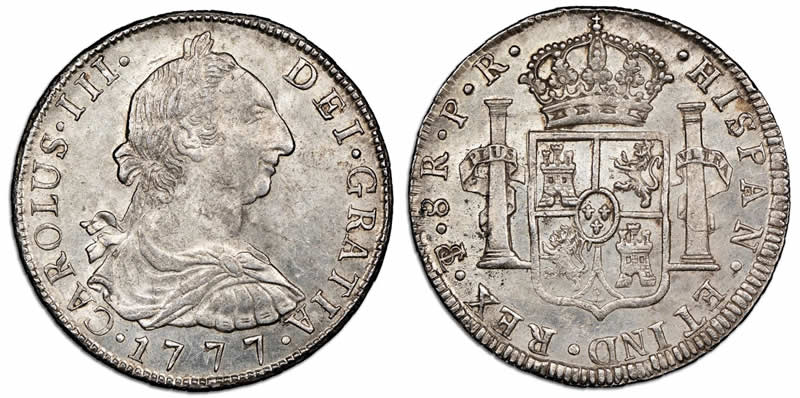 |
|
|
|
Pillar of the Community
 United States
1156 Posts |
Actually all 4 Charles III 8 reales from Potosi, in this auction, all certified by NGC, exhibit the broken castle, 1776, 1777, 1780, 1782.
Edited by jgenn
04/21/2020 02:07 am
|
|
Pillar of the Community
United States
1156 Posts |
Interesting that the 1776, 1777 and 1780 are NGC #4767954-001, NGC #4767954-002 and NGC #4767954-003, meaning they were submitted together. The 1782 is NGC #4739340-002. Those NGC numbers are pretty high and slab label style is the current generation, likely indicating fairly recent submissions.
|
|
Pillar of the Community
United States
1962 Posts |
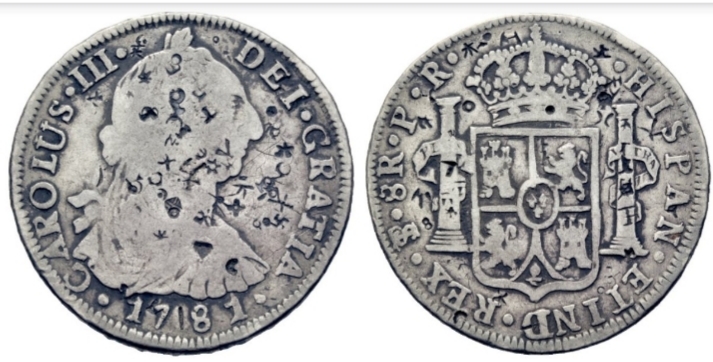
Since this castle break appears on a large number of Potosi pieces of these years seen at auction... not really shocking. I see this as essentially the same idea as what is seen on many years of Mexico City castles in the 1780s-90s period, where a crack/break extends from the upper Right window diagonally out to the castle wall. That, as has been discussed, is a curious - but apparently legitimate REGAL - feature. From Sedwick 16 - from an "Unidentified Revolutionary War-era wreck (ca. 1781) in the Chesapeake Bay": 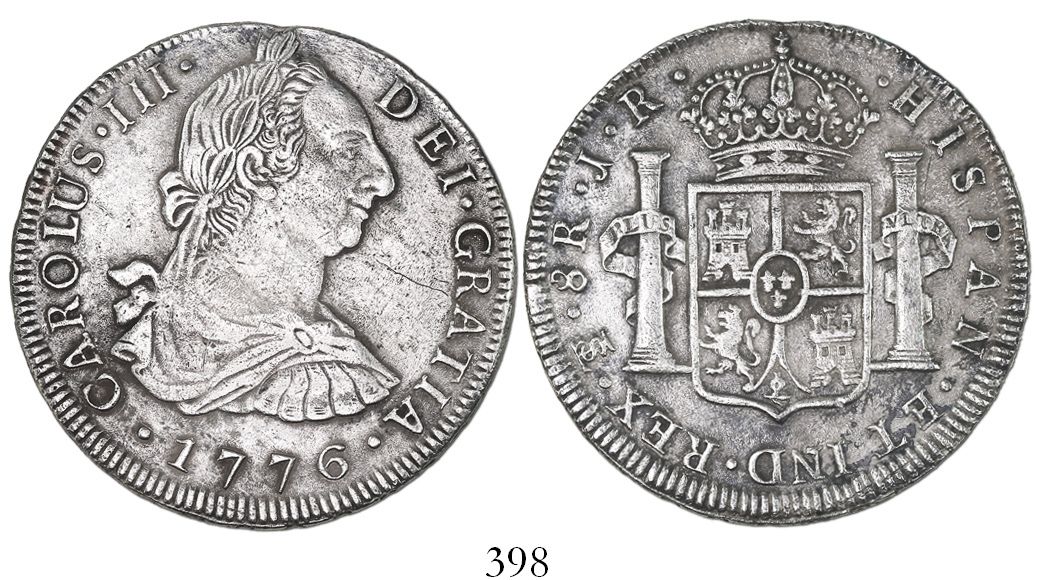 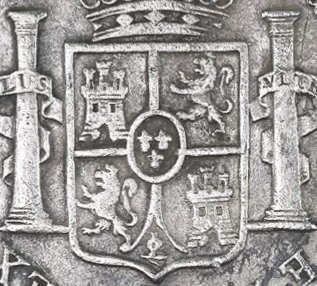 Edited by realeswatcher
04/21/2020 11:17 am
|
|
Pillar of the Community
United States
1962 Posts |
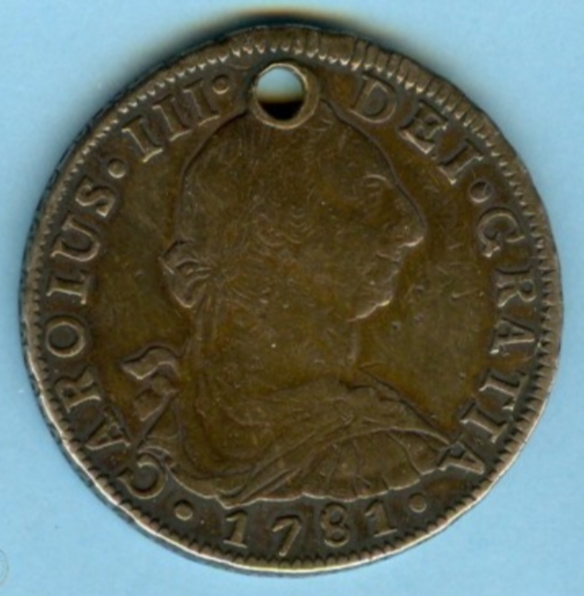
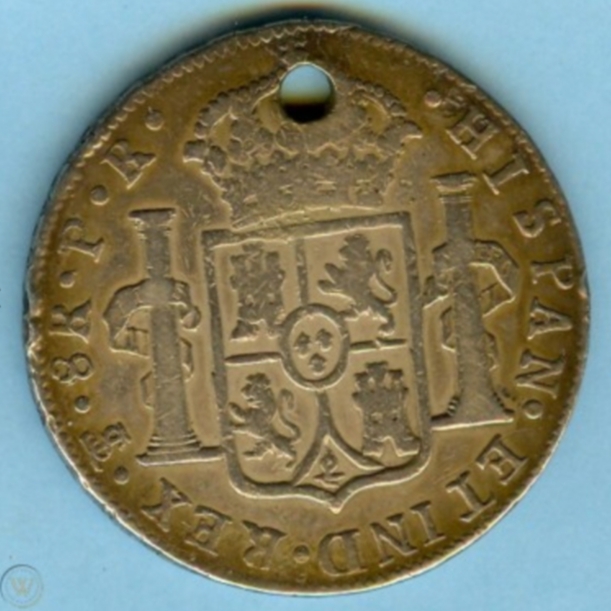
Here's a 1778, VERY typical of a Potosi piece used domestically in Bolivia - well-worn and holed: 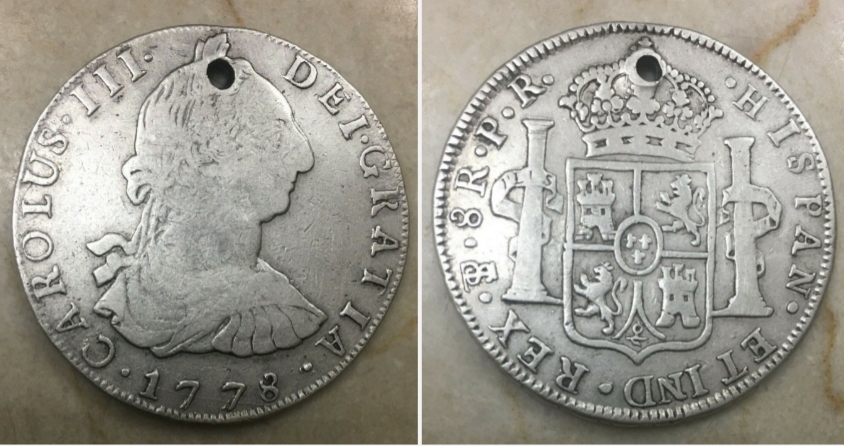 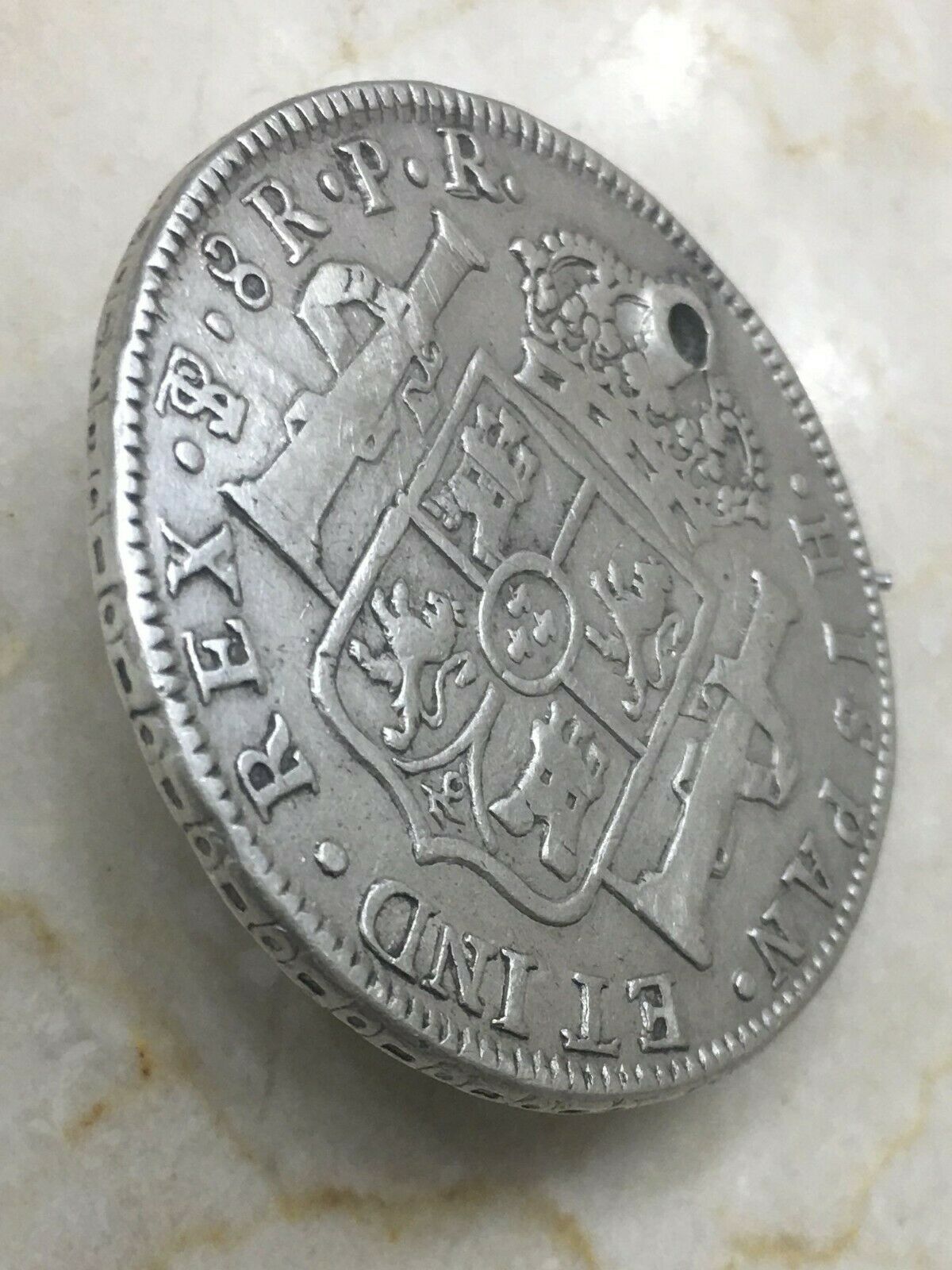 |
|
Valued Member
United States
97 Posts |
I don't know this series as well as the experts here but am reading Bob's 8 Rls book. Here is something to consider. In a authentication class I learned that early authenticators noticed that $2 1/2 gold coins with various dates from the 1870's to the early 1900's had the same defect - rust pimples on the coin's reverses. U.S.coin dies don't last that long!
In this case the punch with the cracked closet lasted quite a few years. Just saying.
|
|
Pillar of the Community
United States
5362 Posts |
The broken castle punch was used to make many dies over a very long period of time. I own several in my collection. I covered the subject in pages 150 and 151 of my book "Counterfeit Portrait Eight Reales".
This broken punch came to my attention at least 20 years ago and the first few examples I located were clearly counterfeit coins. One in particular had been drilled to expose the copper core. So initially I used the broken castle as a clue to locating counterfeit examples.
When I began hunting for higher grade examples of the crack, I found that many were already encapsulated (no density measurement possible). I did buy one raw example and the density was correct 10.31.
The earliest dated example I am ware of is 1774 and the latest is 1789. That is a 15 year time span. It is a long time for one punch to survive in a mint where production was as high as Potosi. The mint also had the original matrix block and could have easily replaced the broken punch. A counterfeiter making fewer dies over a long time period is far less likely to replace his die punches.
When a punch or a die breaks - there is a tendency for the crack to expand and for small chips to break off from the edges. This particular die break can be further identified by a chip resembling a diamond in the crack that occurs about half way along the length of the crack. This small chip is not visible in 1774 or 1776 but is visible by 1778. It is present until 1789. The castle doorway also develops a truncation very early where the door meets the base.
I took some time to assemble a group of similar die breaks to look for the normal tell-tale progression from small to large. However in this case the date sequence did not align well with the date sequence.
I am at this point uncertain that the break automatically identifies a bad coin. I have seen so many in holders that I doubt that anyone will be convinced these coins are not genuine.
I consider all examples suspect. I also suggest that density testing is a must in this case to isolate bad coins before they are place in holders.
|
|
Pillar of the Community
United States
1962 Posts |
Quote:
This broken punch came to my attention at least 20 years ago and the first few examples I located were clearly counterfeit coins. ------ Bob... I don't know how that could possibly be the case: https://www.acsearch.info/search.ht...usd&company=Also try Worthpoint archives for these and nearby dates... or Heritage directly. HUNDREDS of coins... in completely different states of preservation... showing some form of this same broken castle. THEY AREN'T ALL FAKE!! Not ALL pieces from these years show it, which is curious... but WAY more than enough undoubtedly regal pieces DO to show it was a feature that appeared on genuine Potosi mint product. If you look at the Potosi minors of these years, crude features abound. |
|
Pillar of the Community
United States
5362 Posts |
realeswatcher I agree there are a lot of these coins in the market place. However, at least some of them are not silver. As I said my first broken castle coin was silver over copper. It was drilled. I started by looking for other cancelled (drilled) coins with the same broken castle and got 3 that were very cheap at the time. All had very low densities. Then I started to run into genuine silver types.
When I first noticed the broken castle on a copper core counterfeit, I thought that it might be a diagnostic for fraudulent coins. However, I ran into the same thing that you have. There are apparently genuine examples as well. At least they are full density silver and the correct weight.
I am still of the opinion that this variety should be given more than a quick 30 second look before encapsulation. A density check will pick out the fraudulent coins. These should only be encapsulated with a note indicating they were made on non-standard planchets.
|
|
Pillar of the Community
United States
1962 Posts |
|
|
Pillar of the Community
United States
5362 Posts |
realeswatcher Have you checked the specific gravity of all of these before assuming they are genuine?
|
|
Pillar of the Community
United States
1962 Posts |
No, I'm using my eyes and common sense based on familiarity with the material.
What exactly are you imagining these could represent?
I'm going to exclude any iteration of your bullion restrikes - for multiple reasons, I don't think that would fit here.
Additionally, it's obvious we're not dealing with large-scale modern numismatic forgery/replication - way too many obviously old and well-used examples... plus plenty of higher-grade pieces with indisputably "old" skin. There are some known modern forgeries - particularly 1779 comes to mind, also 1780 - though not nearly as many as for Mexico City mint, and, from my observation, pretty easily IDed as cast fakes (though the detail is precise).
That leaves as options:
-- predominantly genuine
-- contemporary counterfeits
-- "debased originals" or something similar (e.g., access to regal punches, etc.)
I think we can rule out any large scale traditional contemporary counterfeit population (i.e., homemade imitative, imprecise dies). While the design elements are crude when compared to regal Mexico Charles III, this was pretty standard for Potosi (again, also study the minors). It's not nearly as crude as what you would see from contemporary counterfeits of this era (especially where Potosi mint 8R circulated).
Of course, there ARE some true contemp. ctfeits out there, but my experience is that they tend to be pretty obvious.
So that leaves the option of backdoor debased originals or perhaps sold off/smuggled equipment used to make "quality" contemporary counterfeits.
Is that what you're considering?
|
|
Pillar of the Community
United States
5362 Posts |
realeswatcher Your third option is exactly what I believe I have uncovered here. Coins made from dies that were most likely made at the mint on false planchets that were low in silver content.
I am still bothered by the long term use of a single punch for the castles. A broken punch should not have lasted as long as this one apparently did. That element is difficult to work into any theory.
I started using the Heritage Data base to identify just how prevalent the die crack types were but never completed the project. In some years like 1774 the crack is very scarce 1 out of 42 examples. However in other years the cracked examples predominate by a wide margin. I did not find a year where all known examples were cracked. Have you?
I also wondered about the large number of MS examples which have the cracked castle. Were these all from a small number of hoards?
Right now I have neither the time nor the money to pursue this project. Each of the debased examples needs to be tested with XRF at a lab.
|
|
Pillar of the Community
United States
1156 Posts |
Is it not plausible that a forger might create a mold from a genuine example that would then be used as the matrix for individual punches that were subsequently used to craft dies for forgeries? If we are speculating that some broken castles might be from genuine examples, then perhaps such an example might have been used as the source for the forged punches with broken castles. I struggle to imagine another reason for the appearance of the broken castle on both genuine and forged examples.
Edited by jgenn
05/16/2020 01:12 am
|
|
Valued Member
United States
97 Posts |
Dear Realeswatcher, Please go easy on me as I am posting with experts. Nevertheless, I can read and have become interested in these coins. I like the way you have detected counterfeits by matching defects. Jim Young has done the same with US coins from images on the internet. So, based on what has occurred in other series... So far, it is my humble opinion that many 8 Reales coins already slabbed by major TPGS's will turn out not to be "official" issues. In the 1986-87 period, it is my humble opinion that the dealers who authenticated the foreign coins at the "new" TPGS's were not as qualified as you are to pick out a counterfeit in this series. I worry the same about today. Furthermore, with very few exceptions,I would not trust the opinion of any coin authenticator examining these coins with only their naked eye or a hand lens! These coins need to be checked with expensive analytical tests to weed out possible problems associated with half-baked opinions in the past. I have read that the same counterfeiters who made the small "O" Morgan dollars that passed as genuine (including by the TPGS) for ninety years also made counterfeit 8 Reales. I'm betting that some of these are the coins in the slabs. PS I believe the fact that some counterfeits are pretty obvious (magnetic Chinese fakes) causes collectors to pass anything as genuine that is deceptive. A simple look on the internet shows that many U.S. Coin types have been counterfeited and slabbed as genuine until they were finally detected. Sadly, I'll bet that The group of coins we are discussing here is ripe for some "new" revelations. |
|
Valued Member
United States
97 Posts |
Question: Is it not plausible that a forger might create a mold from a genuine example that would then be used as the matrix for individual punches that were subsequently used to craft dies for forgeries? If we are speculating that some broken castles might be from genuine examples, then perhaps such an example might have been used as the source for the forged punches with broken castles. I struggle to imagine another reason for the appearance of the broken castle on both genuine and forged examples. That would take a lot of work but it would be the best way to have counterfeits made with different positions of the letters, etc. I believe I read in ANA Counterfeit Detection that when something is transferred it is a different size from the original. I still cannot think of any way a punch could last that long in service. |
| |
Replies: 35 / Views: 6,259 |










 Posted 04/21/2020 02:40 am