| Author |
 Replies: 11 / Views: 1,467 Replies: 11 / Views: 1,467 |
|
|
Valued Member
United Kingdom
106 Posts |
So I'm Gona start by saying that I was stupid and bought these a while back in a moment of idiocy and my knowledge of these are lacking to say the least. I usually stick to the cheaper AE3 and 4 coins. I'm not one for amazing and rare coins but rather just to enjoy a little bit of history and 'have it in my hand to admire' I bought these two coins (dupondius I believe) I've done a bit of research on them. The first I believe is emperor Phillipus dupondius, and weighs 21g, the second Quintus Decius, weighing 22g. My concern is their authenticity as while researching them, the other similar coins for sale are a much higher price to my two...so either I was lucky, or very stupid in buying reproductions. I know it is never 100% accurate just by judging photos but hope I will be given some form of opinions. I'm sure a lot of you can tell fakes from a mile off. Thank you for taking the time, 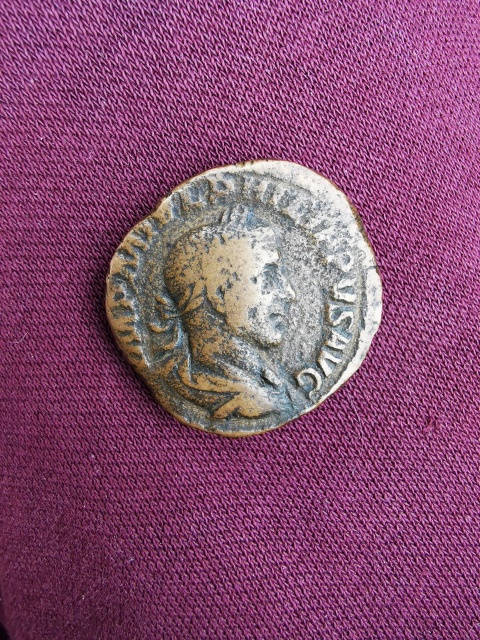 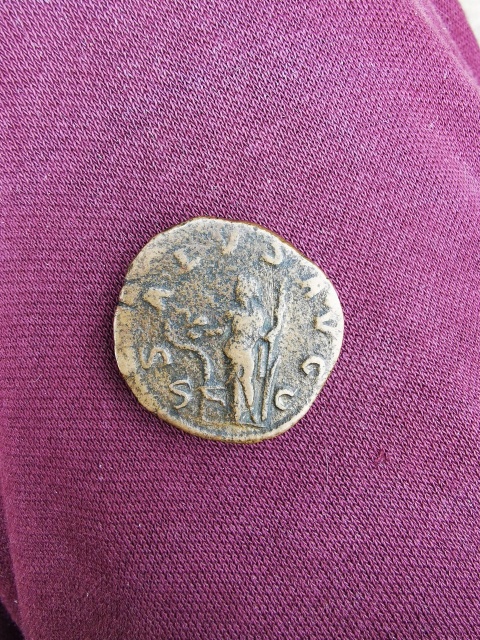 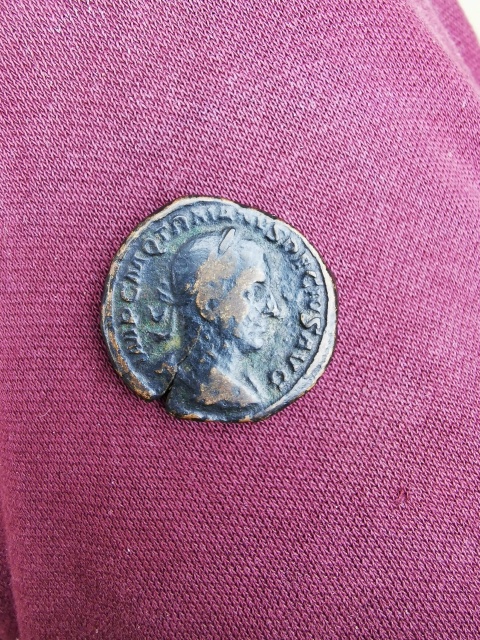 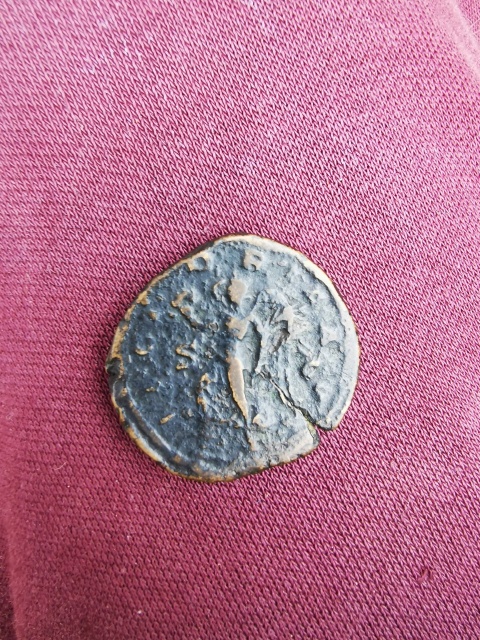 |
|
|
|
Pillar of the Community
United States
1122 Posts |
At first look, they look authentic. But if you don't mind a picture of the edge would help. If it looks anything like this 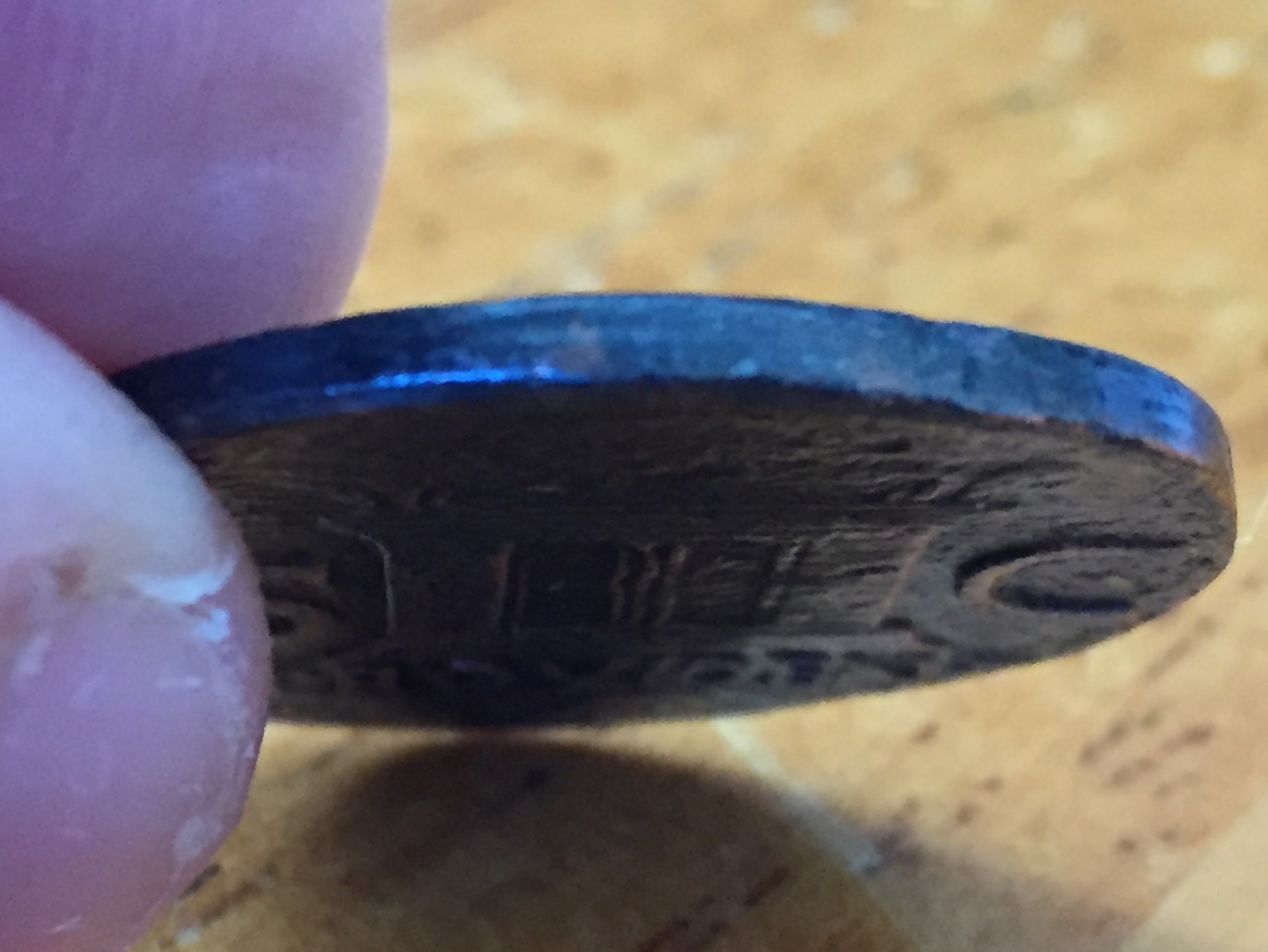 Then you're in trouble. I wouldn't worry about the coin's worth, there are a lot of factors that go into price. One of which is the grade. You can have a lower grade rare coin, but in better condition it could be worth 3 4 5 + x more. |
|
Valued Member
 United Kingdom
106 Posts |
Thank you for your help. No they are considerably thicker. I will attach photos of both 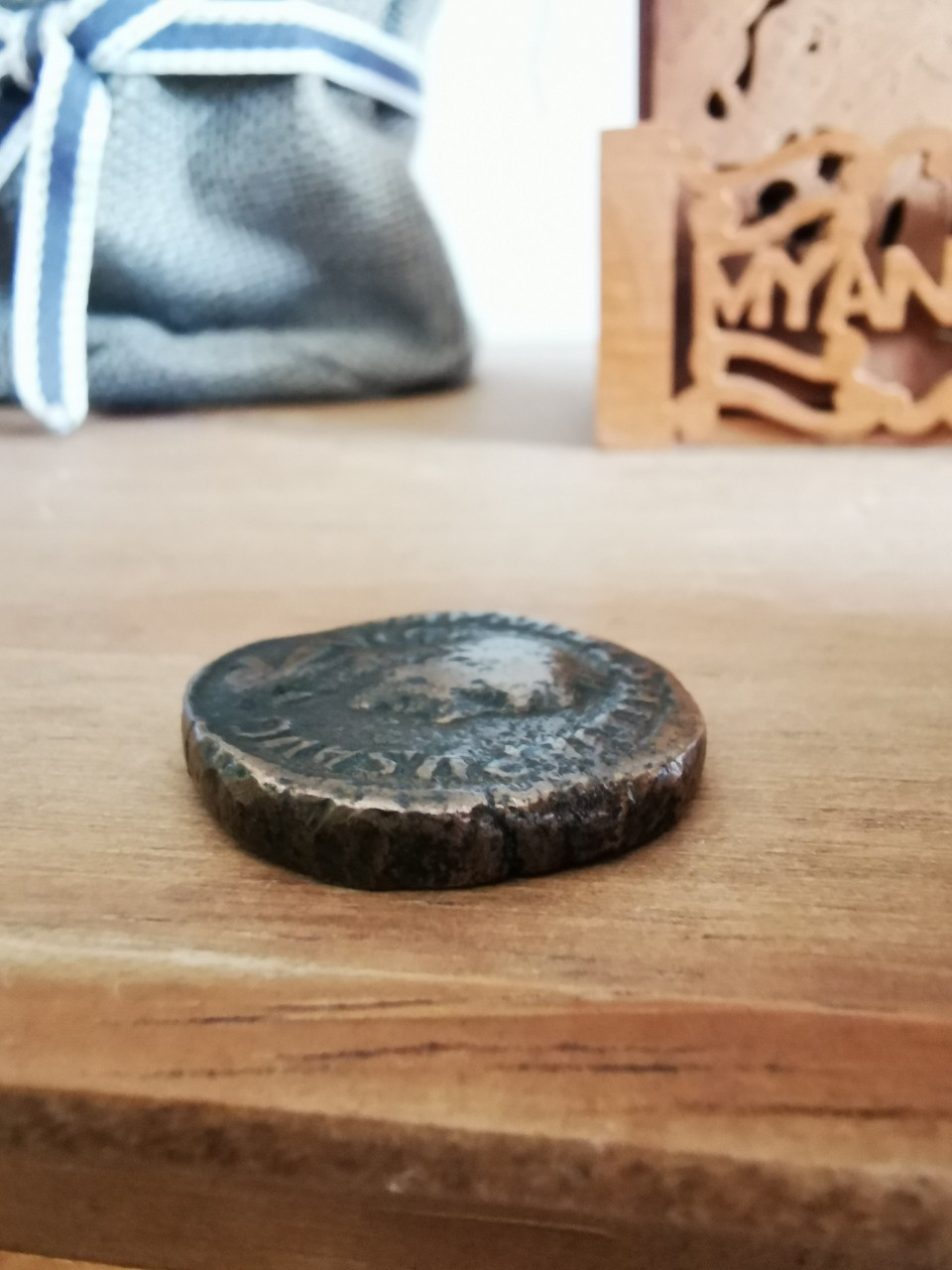 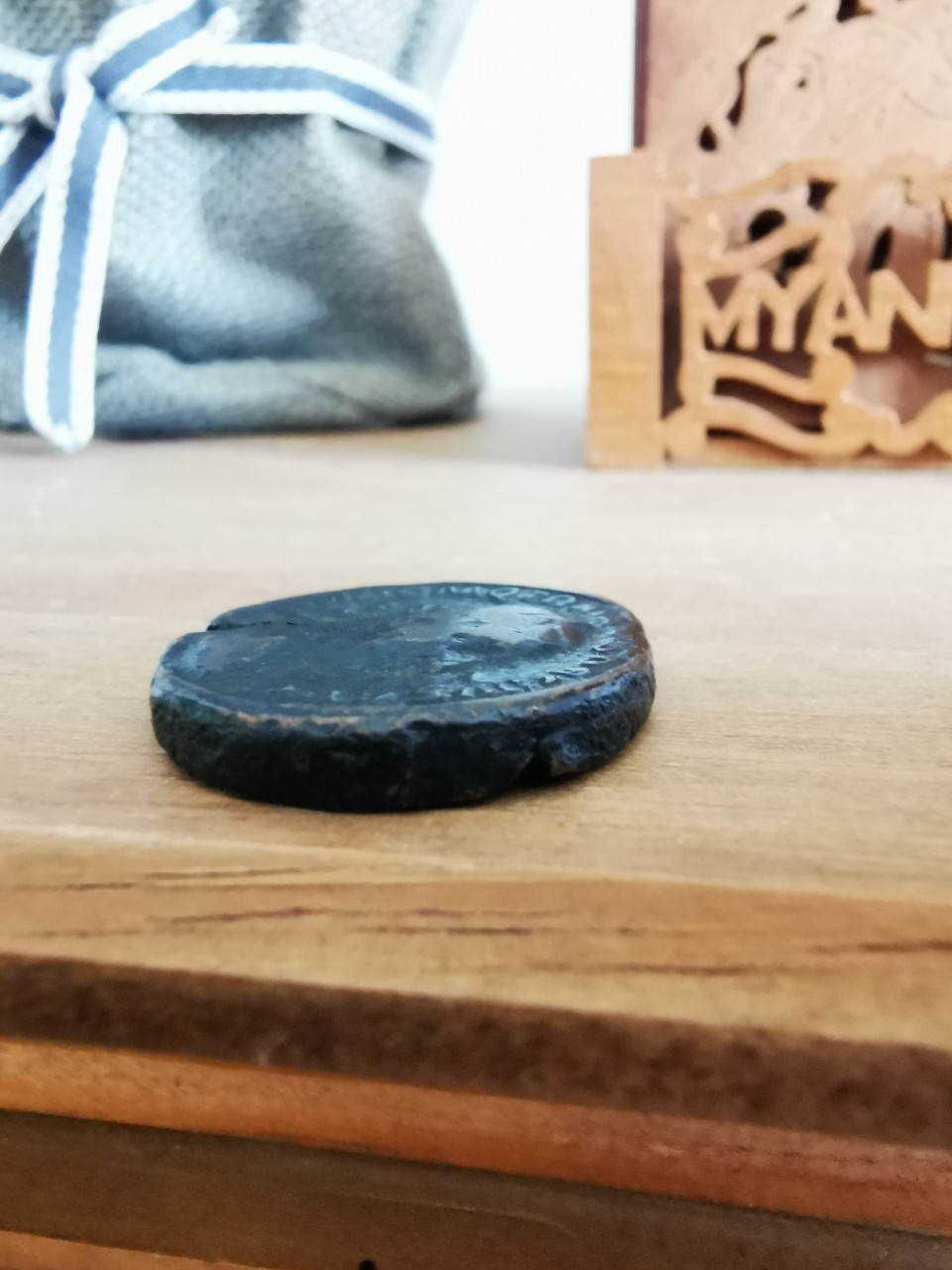 Edited by FuzzyDuck
04/27/2020 3:39 pm
|
|
Pillar of the Community
United States
1554 Posts |
Based on the weights you've given, these would be sestertii rather than dupondii. They both look ok on my phone. Both have minor issues (porosity, crack) which would bring them into the "affordable" category.
|
|
Pillar of the Community
 United States
3098 Posts |
I agree that they look authentic.
The second is Trajan Decius (249-251 AD).
Paul Bulgerin
|
|
Bedrock of the Community
Australia
21789 Posts |
They look to be authentic, but they appear to be a little thicker than usual.
The color on the wear areas for the Philip coin looks OK.
The second coin is of Trajan Decius, reigned 249-51, legend is
'IMP.C.M..TRIANVS DECIVS.AVG.'
What is their approximate diameter?
At this stage, I am thinking both genuine.
Edited by sel_69l
04/27/2020 7:34 pm
|
|
Moderator
 United States
23731 Posts |
I also agree the appear genuine.
|
|
Valued Member
United Kingdom
106 Posts |
Thanks all. So they are both about 3 - 4 mm thick and 30/31 mm in diameter
|
|
Pillar of the Community
United States
3495 Posts |
Yes they are almost certainly genuine
Both also are on the heavy side for the period which they date from
The Sestertius went from a 'weaponized' 24-5 grams average weight in the 1st century down to a common 14-5 grams average in the 3rd century
After Decius they become difficult to obtain in higher grades as the quality of the metal also deteriorated due to excessive recycling of the older issues from previous regimes
Corrosion becomes much more common !
In my last post "Little Green Men" I mentioned my preference for the stunning emerald colored little gems I tend towards when buying
Inferior alloy is unlikely to achieve the desired results !
Which also effects the price sought by sellers
Things like the surface quality, degree and type of patination and corrosion can effect prices to great degrees
Keep in mind that ancient coin collecting is essentially (and should be) a 'hobby'
While it is also an investment the price is not to be determined by any organized market place
I am watching the morning news right now and see that Brent North Sea crude oil is plunging in price
But there is a fixed (market) price at any given moment
Same could be said really for most modern coins
What's today's price for a (fill in blank) in MS65 ?
Your two ancients are nice enough really
But you might find sellers asking anywhere from $20 for the both together to those really obnoxious fellows asking $200 apiece
It's all about whether you really like them !
If you enjoy owning them ......
Well that is what it is supposed to be all about
|
|
Valued Member
United Kingdom
106 Posts |
That's a fantastic answer, thank you !
|
|
Bedrock of the Community
Australia
21789 Posts |
FR-
A couple of thoughts in my mind arise:
1. I am thinking about the possibility? of increased amounts of dross in recycled metal that leads to extra corrosion.
2. Current volatility in the stock markets around the World may well find a parallel in coin prices.
|
|
Pillar of the Community
United States
3495 Posts |
Well as to number one I suppose it rather goes without saying !
The beautiful gold colored sestertius and dupondius of the first century gradually lost their luster by the early third century
This was caused in part by evaporation of the zinc content during smelting of older coinage
The addition of lead to increase mass also had consequences of its own
Alloys tend have their own ideas of behavior
One might think adding lead would make the alloy 'soft' but it actually makes bronze much more brittle
Hence the fractured coins become more common
I actually like a nice "crack" line in my bronzes
Just as long as it's not too intrusive !
Much like modern times such a thing as scrap yards and the business of collecting buying and selling salvaged metal existed
It's likely much of that scrap metal also ended up in the mix
The bronze alloy by late third century often shows traces of everything known to man
Even minute traces of silver as well as all the usual suspects like lead tin etc
The golden color of brass/orichalcum was long gone replaced with a dull looking lead colored bronze
Of course the folks sitting up in "first class" seats had plenty of high quality gold to play dice with
And to wager on which unfortunate was going to get eaten alive by the lions first
Ahhhh the good old days
|
| |
Replies: 11 / Views: 1,467 |
|







 Posted 04/27/2020 3:36 pm





