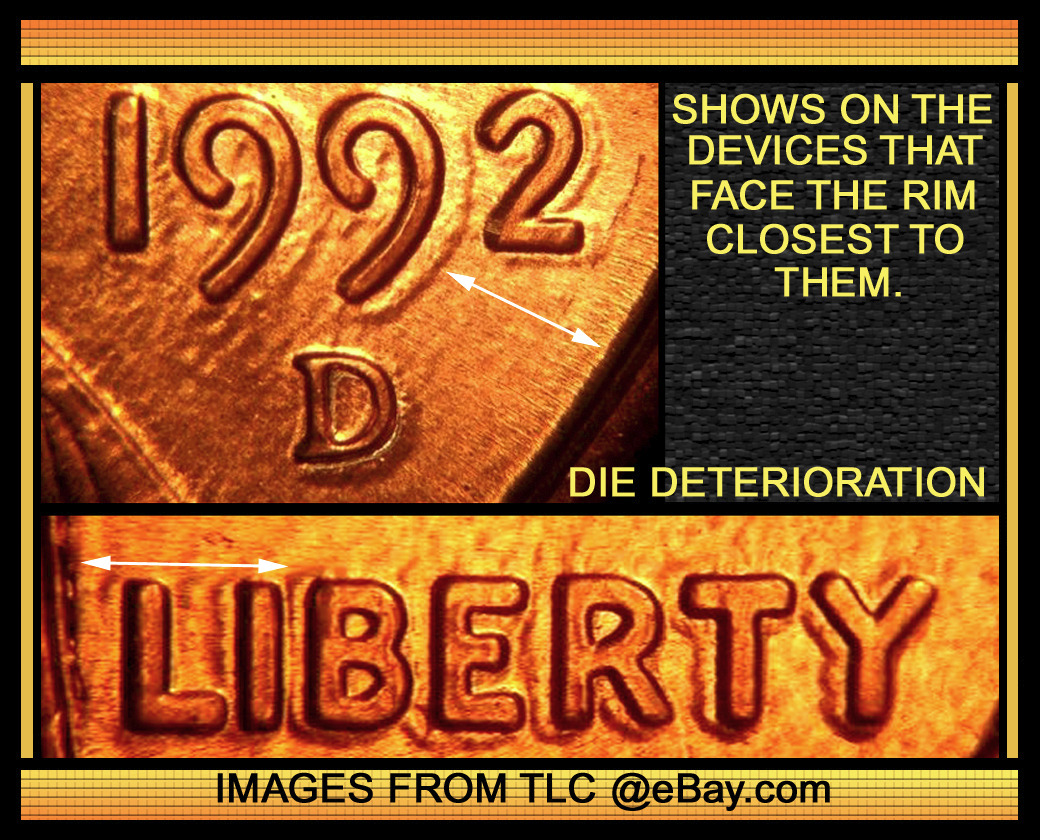
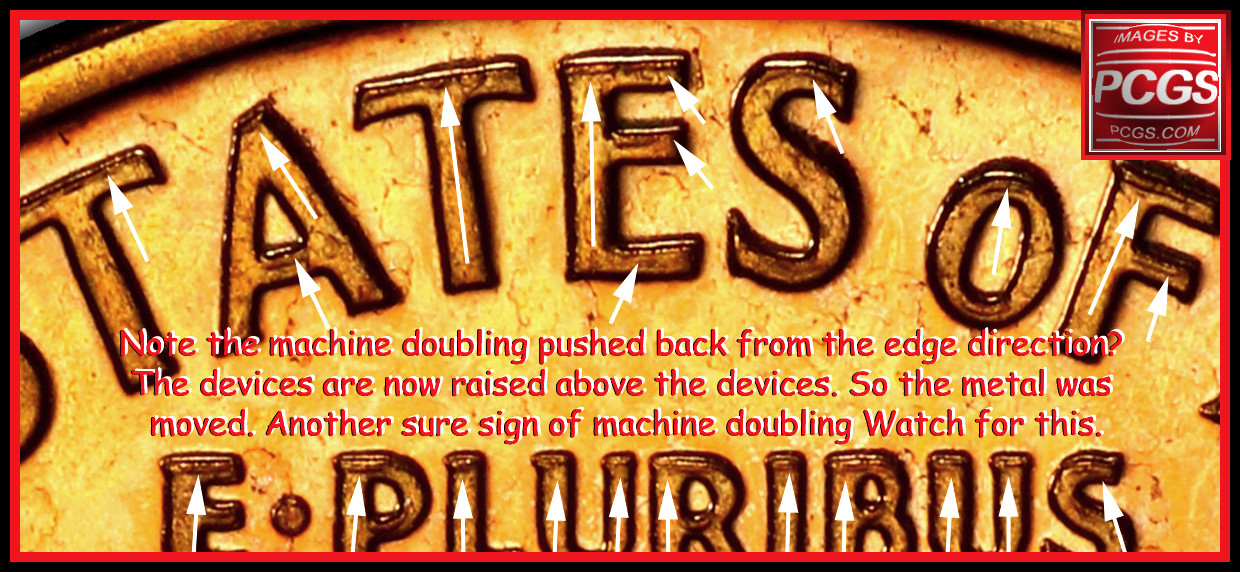
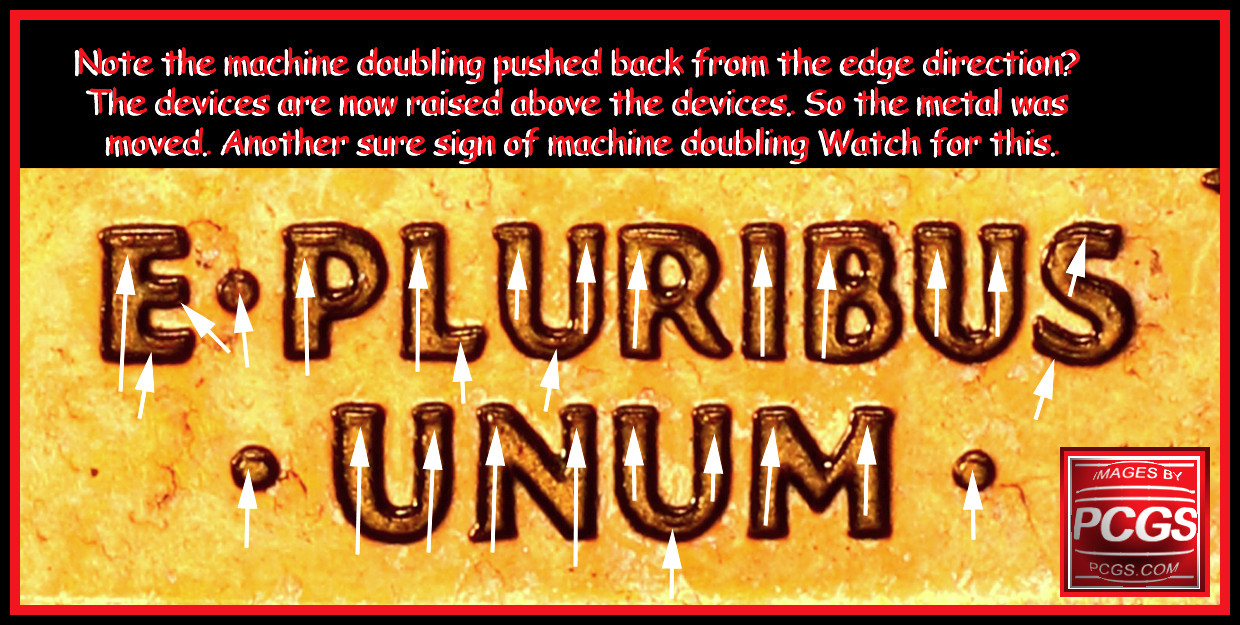
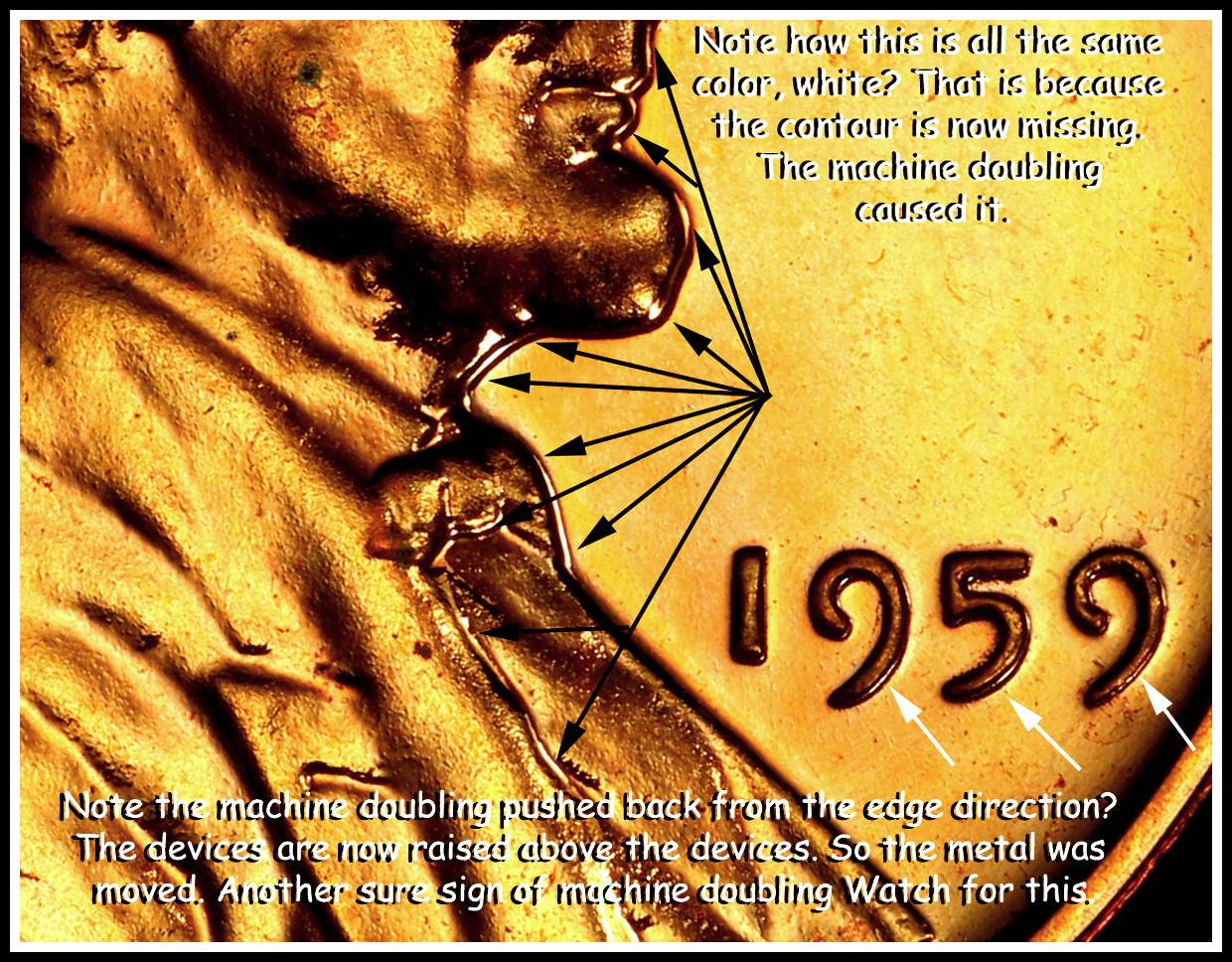
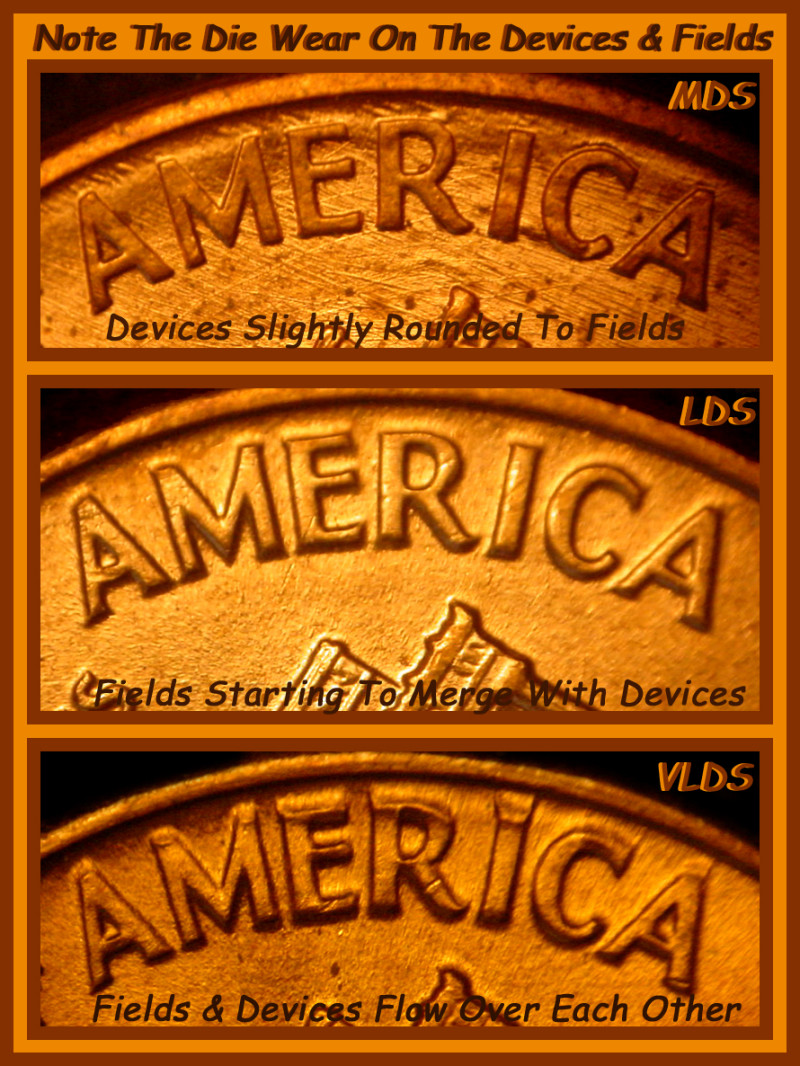
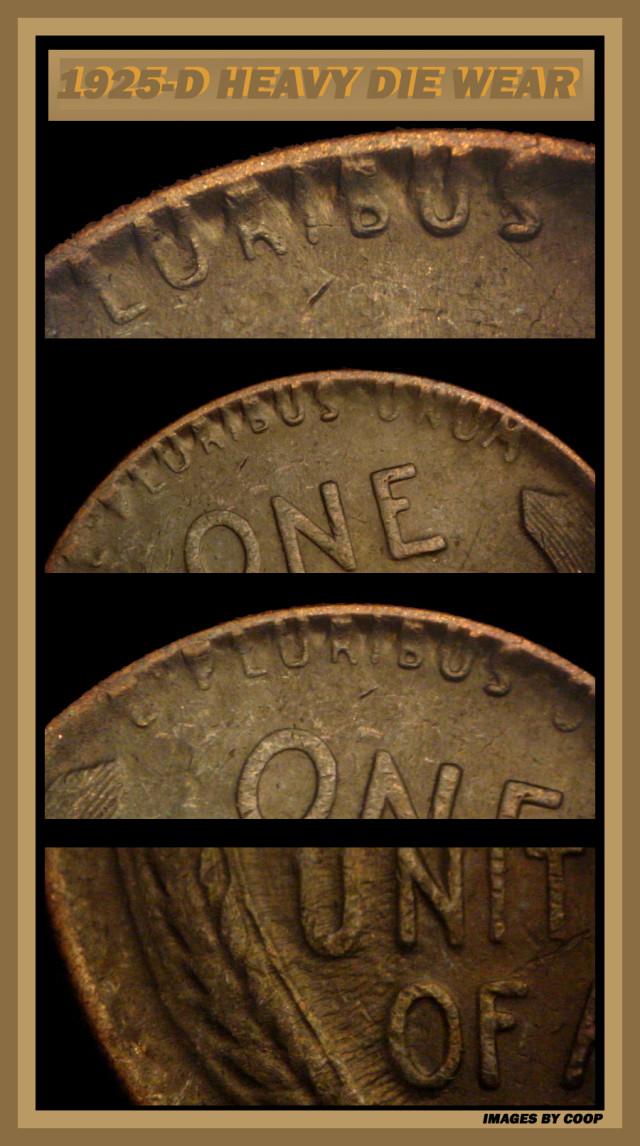
You question told me to look closer about this coin. This coin is not
DDD, It is a case of
Machine Doubling. I know I've mention on the side towards the closest rims is usually die wear. But not in all cases.
Machine Doubling happens on that side to. Also the mention of
DDD is all wrong.
DDD happens on single squeeze dies. So when I look at the date of the coin, I knew it wasn't that. But die wear could be a factor, but it was not then end result. So here is what I discovered about coins like these:
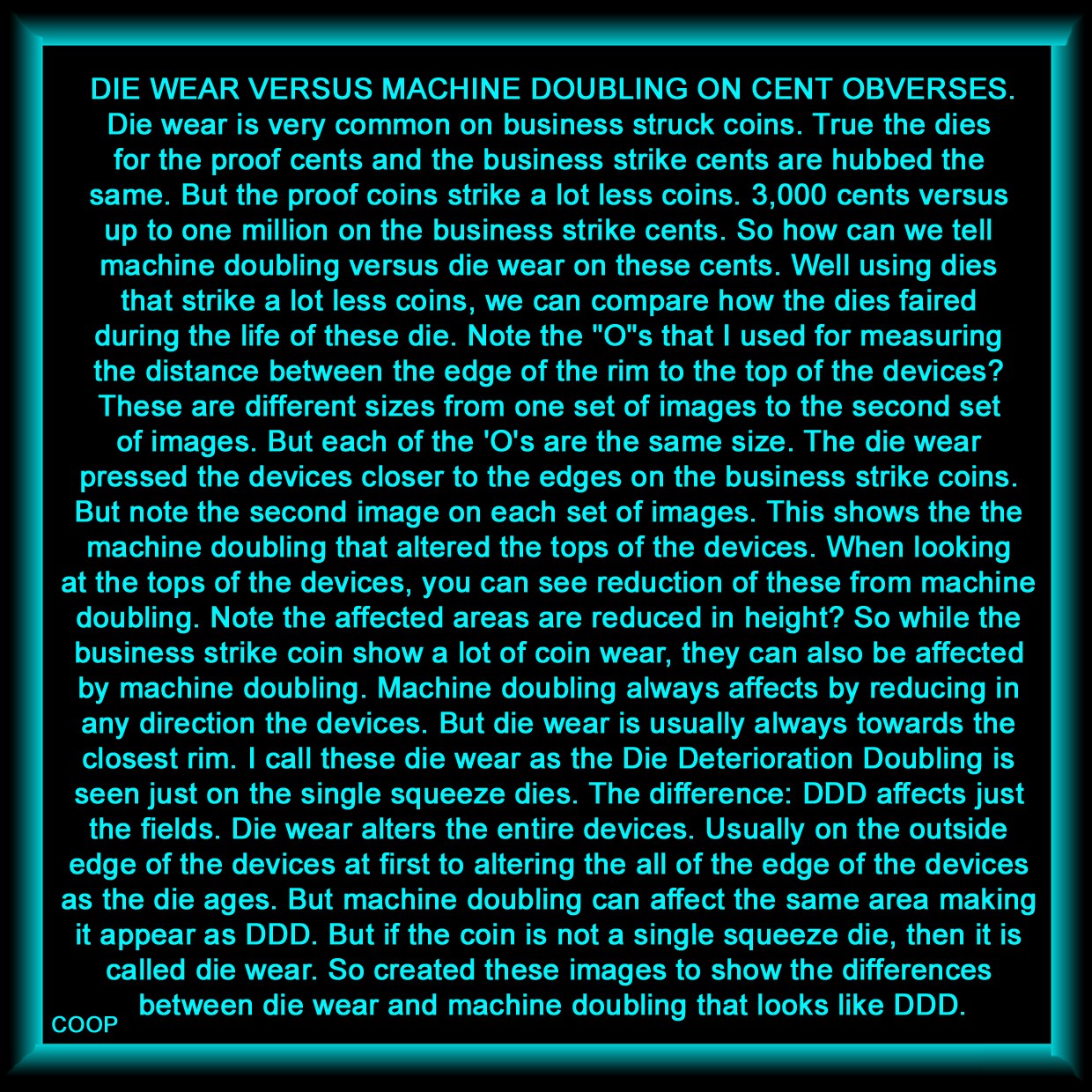
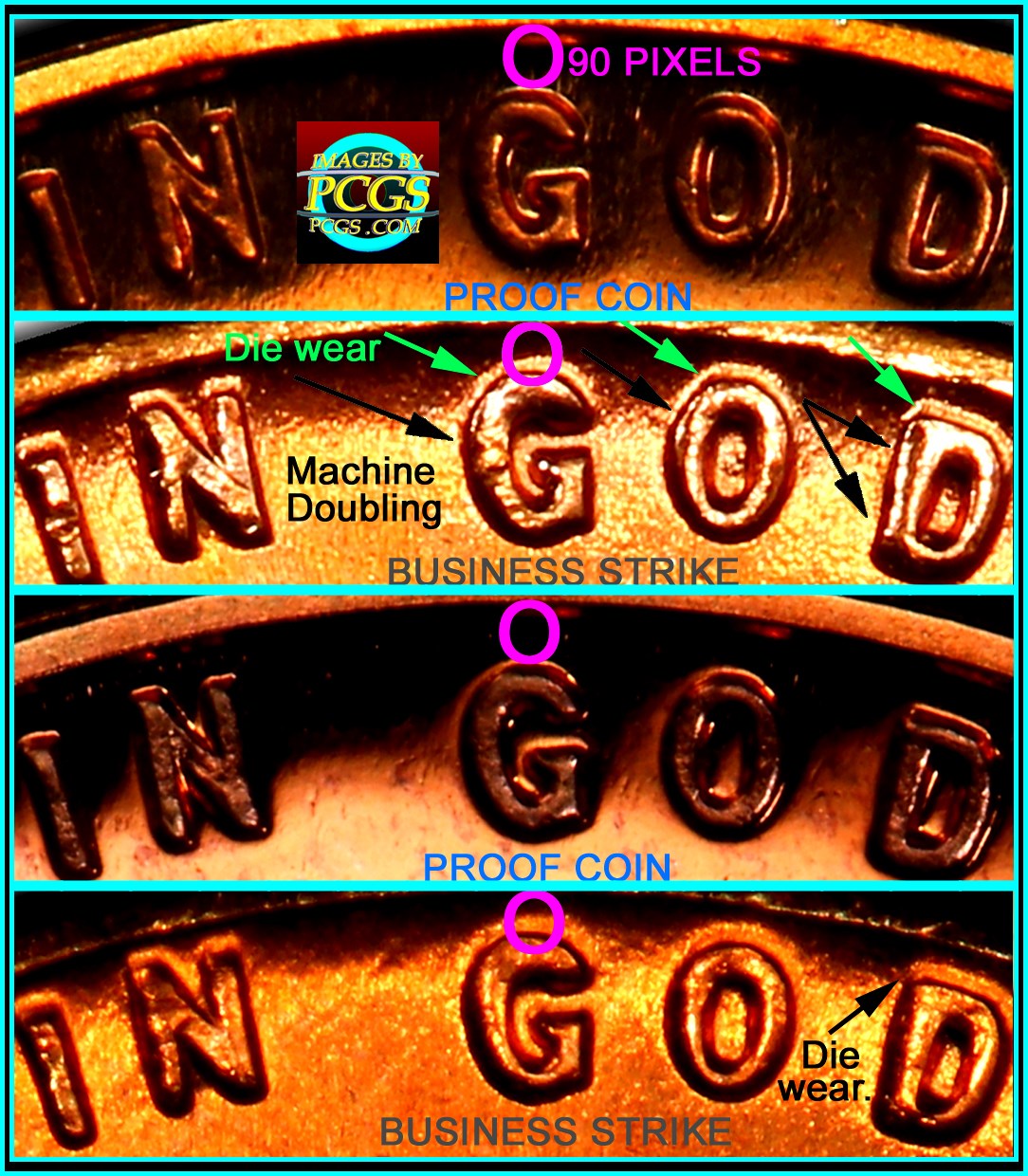
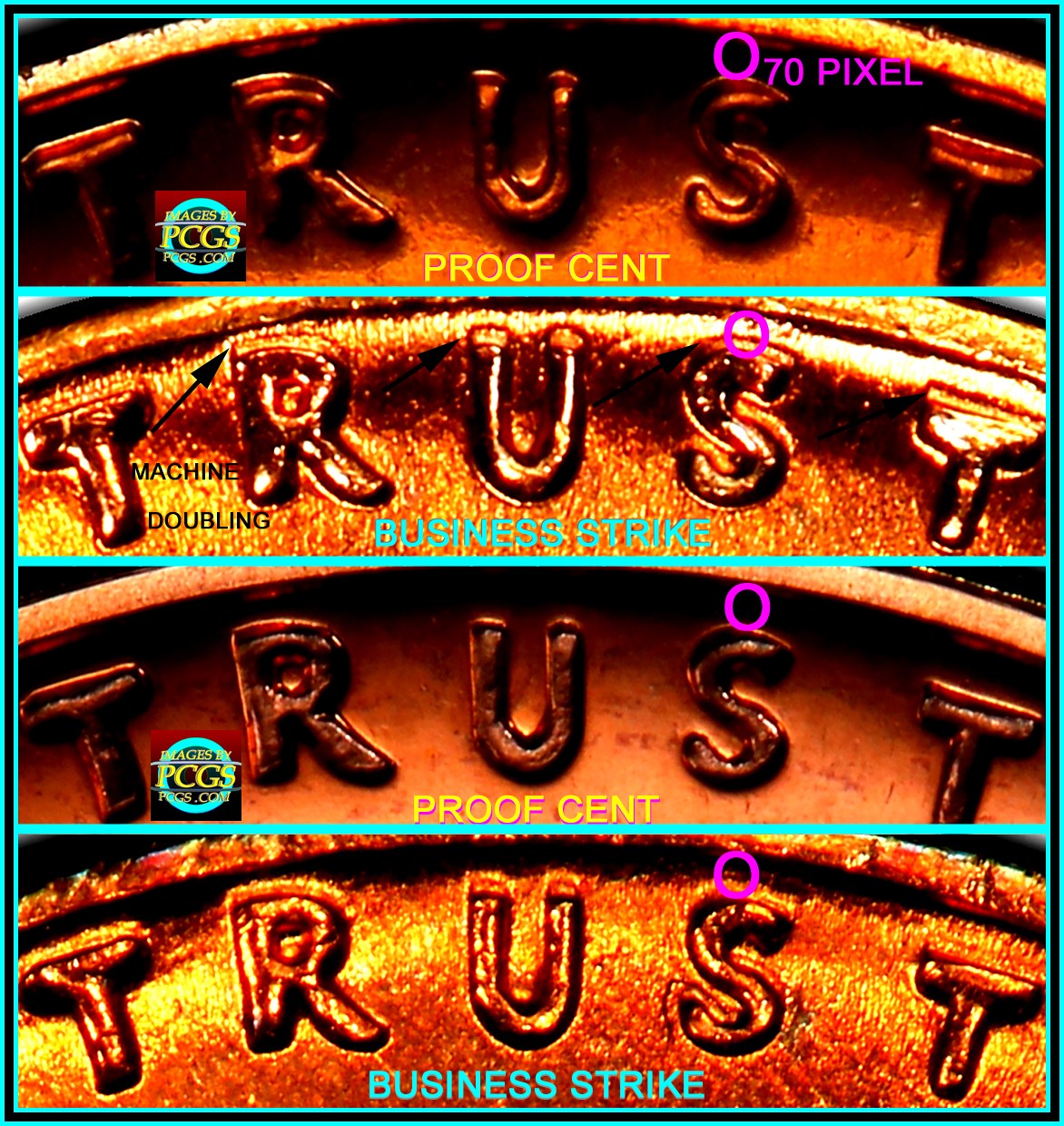
Remember that
DDD that happens on the single squeeze die (because of the lower profile of the design) affects just the fields of these single squeeze examples. On the older style dies, the outer edge of the devices are affected. While this one looked like it was affected in the fields, I needed to see how close the devices were to the edge of the rim. Then I could figure out what happened on this coin. When I saw the date and the affected area, I knew it wasn't
DDD and instantly though of
Machine Doubling.










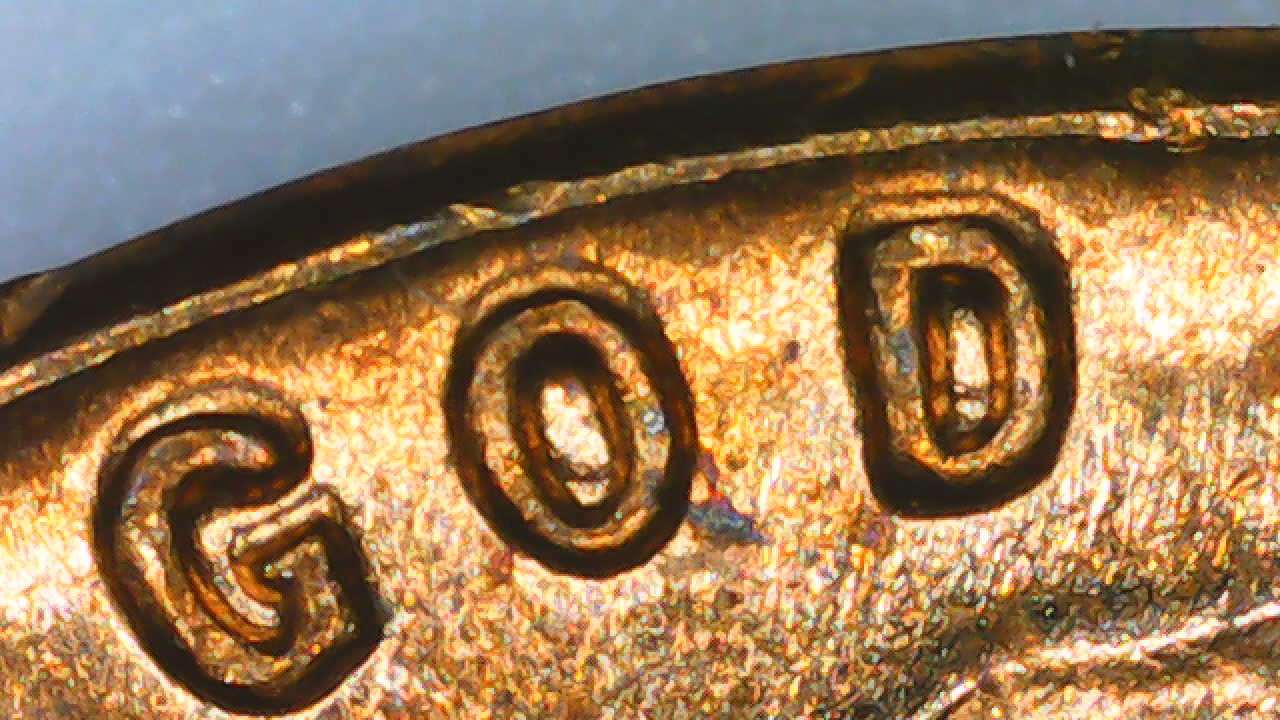
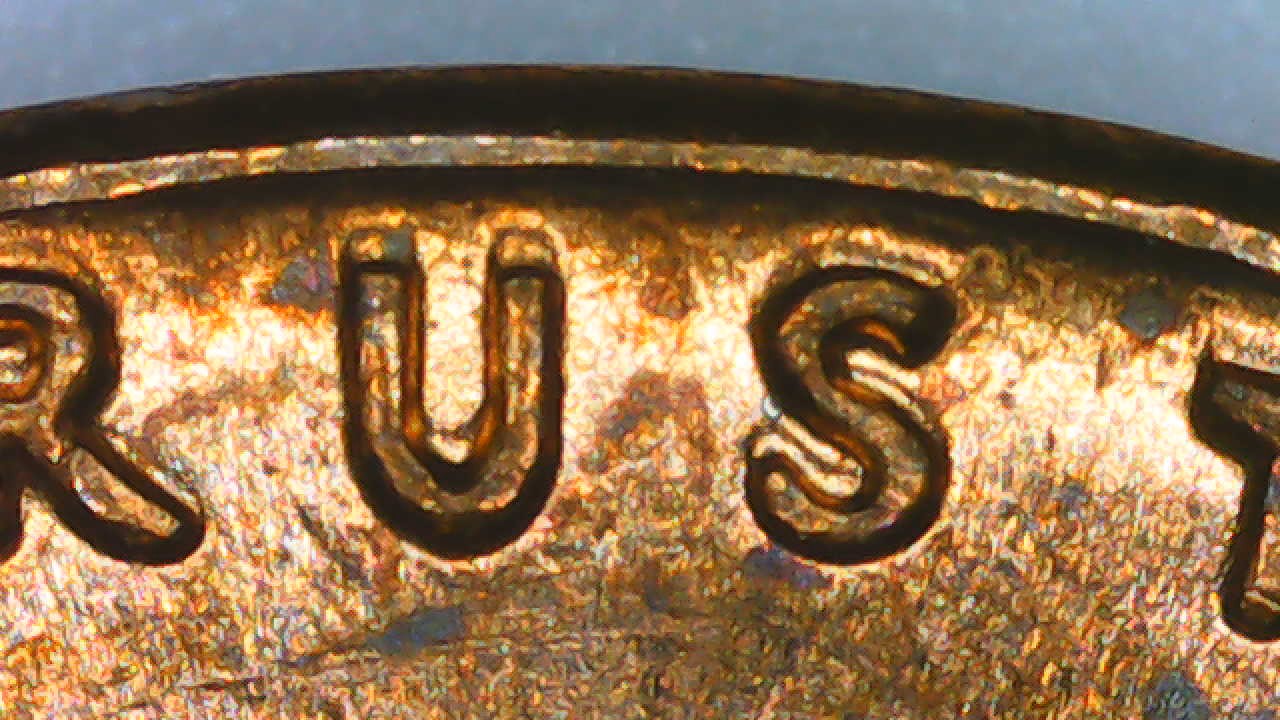
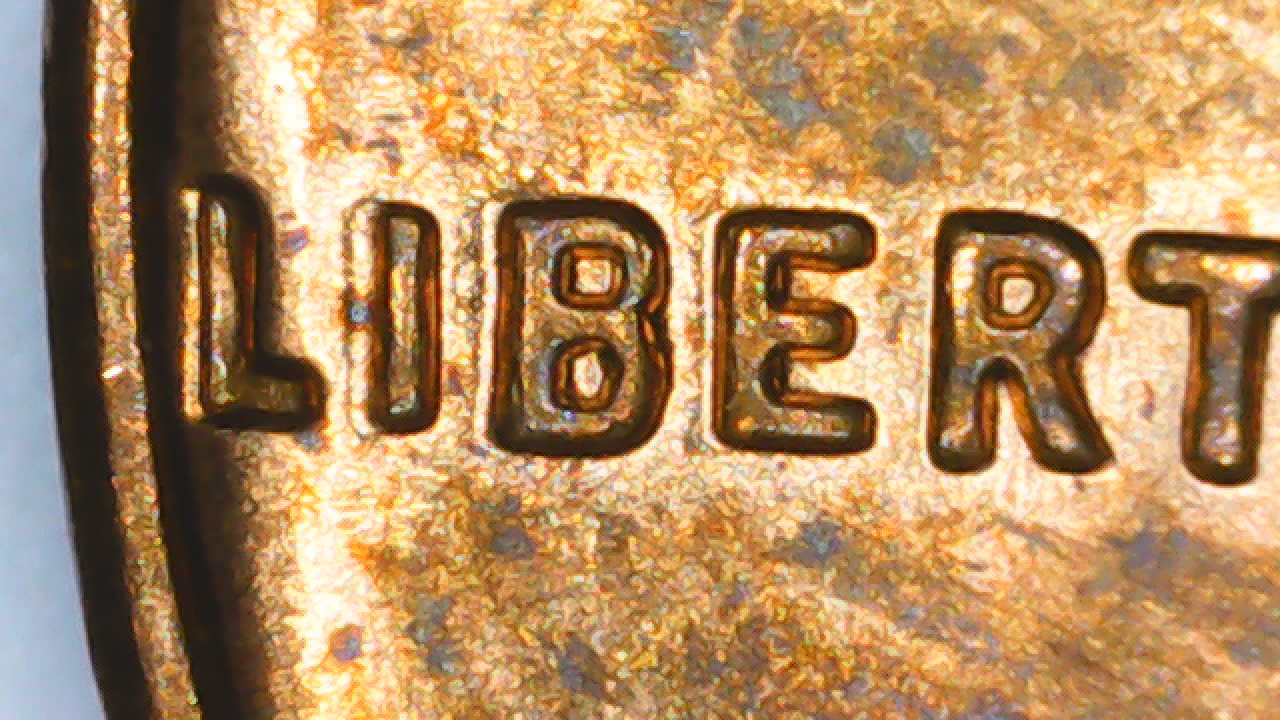


 Posted 05/05/2020 9:30 pm