| Author |
 Replies: 10 / Views: 1,482 Replies: 10 / Views: 1,482 |
|
|
New Member
United States
24 Posts |
Just wondering if I called this one correctly. Slight die crack on the reverse. Also it is slightly off center on the obverse. Are there proper terms to use identifying errors / varieties on coins? Thank you! 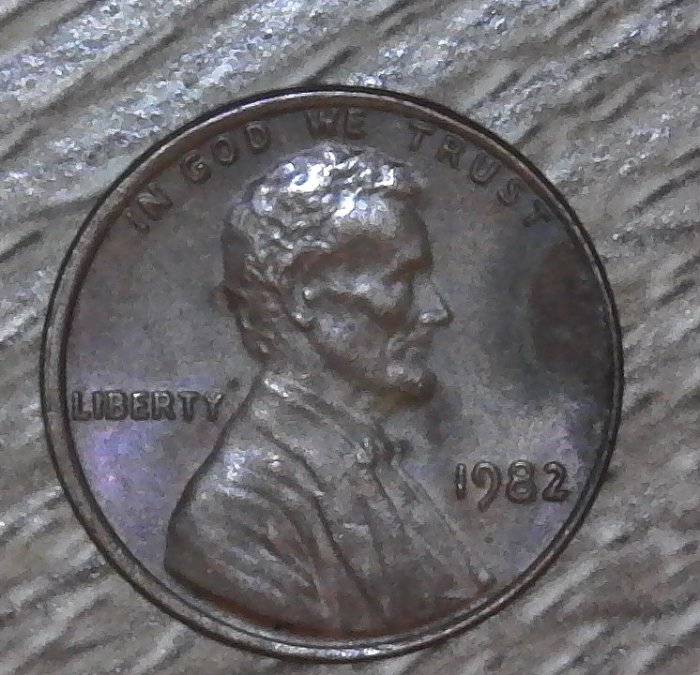 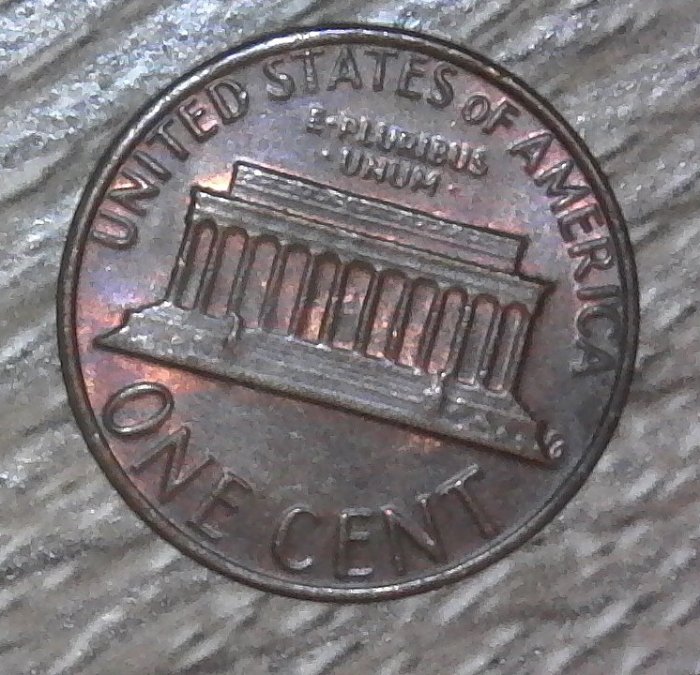 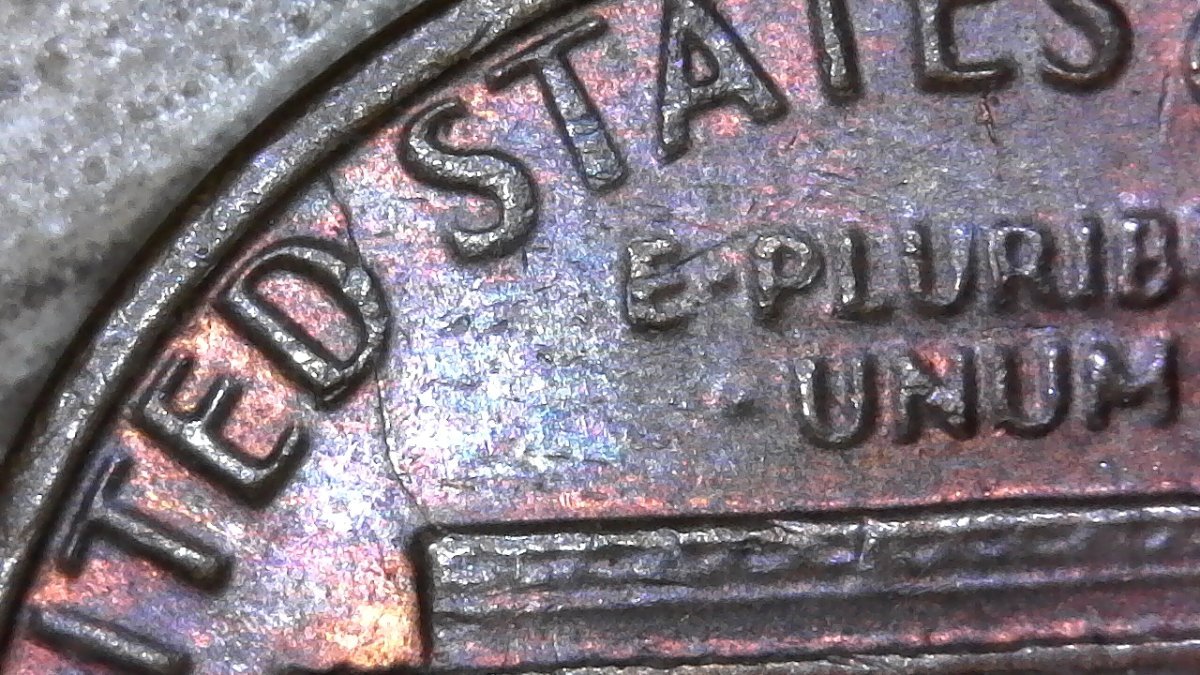 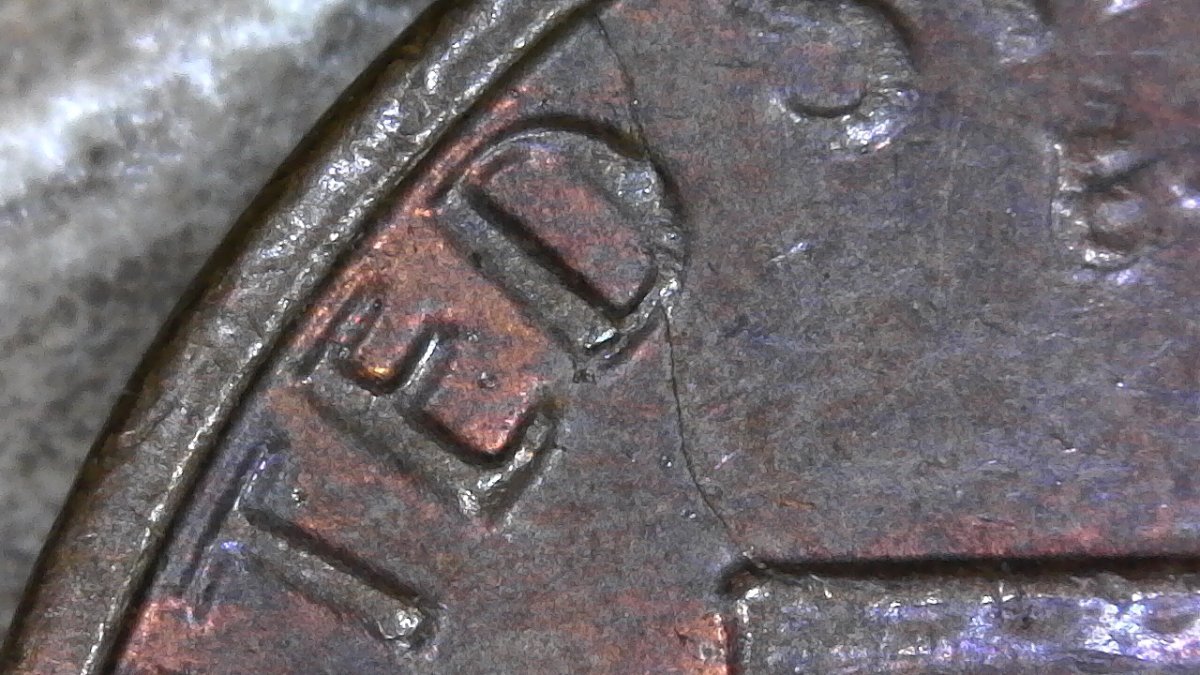 |
|
|
|
Pillar of the Community
United States
3237 Posts |
When a coin is only off center on one side, it's a misaligned die, not a true off center strike. Misaligned dies are very common and don't carry a premium unless it's severe enough that part of the image is missing. Die cracks on the corners of the memorial building are quite common and don't carry any real premium either. Typically die chips and breaks need to be pretty massive to carry a premium, while Cuds (die chip on the edge of the coin that includes part of the field or design) are typically a little more valuable, with nice examples commanding a pretty significant premium. |
|
New Member
 United States
24 Posts |
|
|
Moderator
 United States
56855 Posts |
It is also a large date and the weight,2.5 grams is copper platted zinc and 3.1 is copper. John1  |
|
Bedrock of the Community
United States
19563 Posts |
Nice die crack. Good catch.
|
|
Bedrock of the Community
United States
94367 Posts |
 to the CF! |
|
Pillar of the Community
United States
1359 Posts |
Have you check for a DDO. That LIBERTY looks fairly fat. IB looks like its almost touching. There are a few listed DDOs like this for 82. Worth a shot. |
|
New Member
United States
24 Posts |
Here is the Obv. I think you guys are right. Found this attribution. http://www.varietyvista.com/01b%20L...2PDDO001.htm1982 DDO-001, 1-O-V-CW from K-5 (Stage D) It is copper and has that crack. Still not too sure what to look for in terms of doubling. But I believe 'I' & 'B' in Liberty show signs and maybe in 'WE'. What do you think? Thank you! 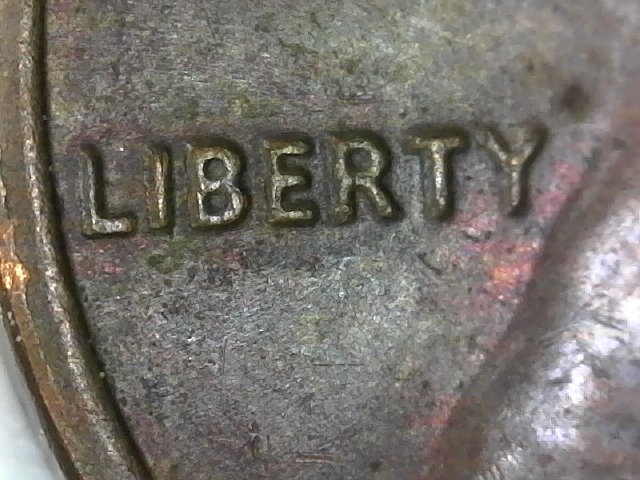 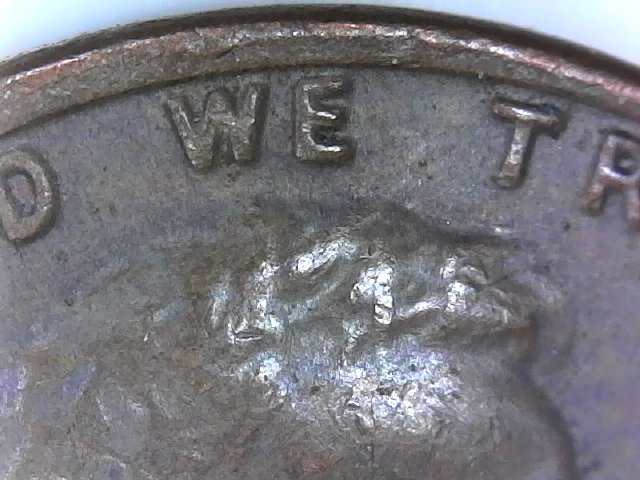 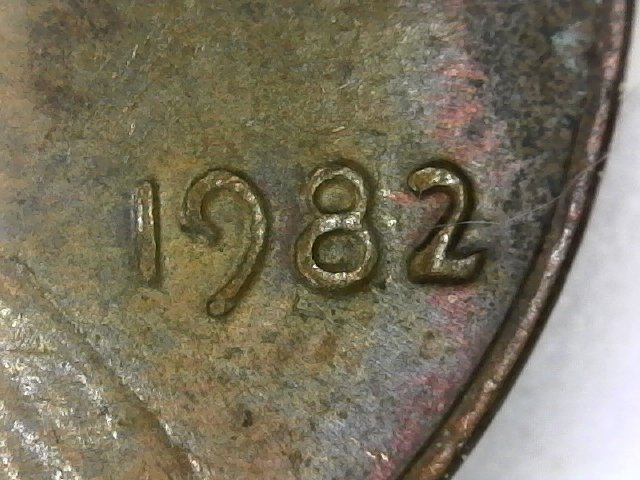 |
|
Bedrock of the Community
United States
62064 Posts |
The devices you mentioned are Machine Doubling. The die is a normal die, but after the strike the dies damaged those devices in all the same direction. On a doubled die, the devices are enlarged, not reduced. The devices are enlarged on the die, not caused by the machine. When you see a doubled die next to a normal die coin you'll see the differences. 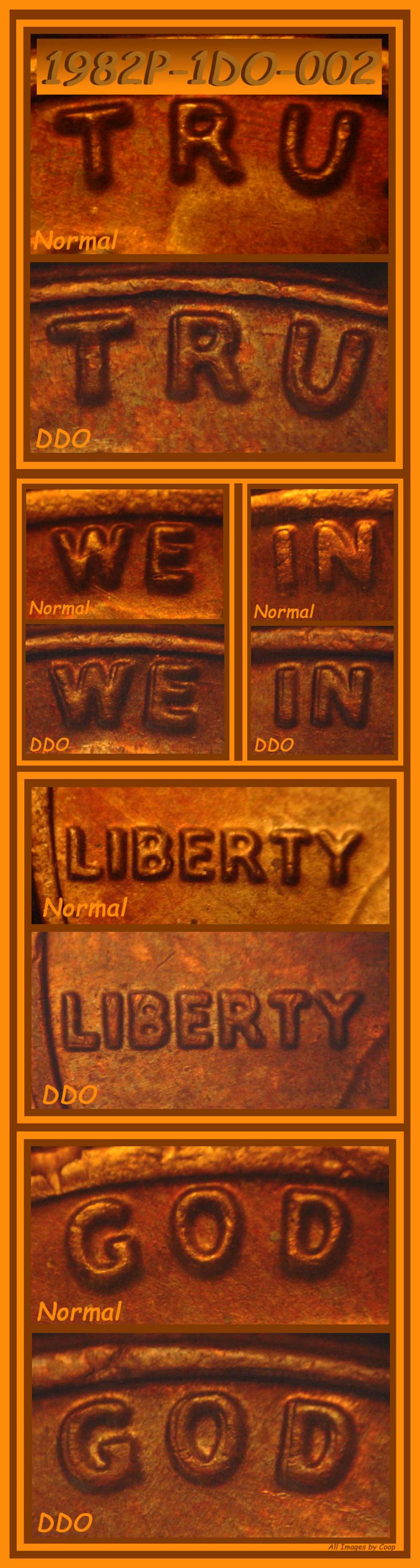 |
|
Pillar of the Community
United States
1359 Posts |
Yea I agree. The closeup doesn't look anything like it did in the first shots. Definitely not a DDO. Sorry |
|
New Member
United States
24 Posts |
Thats cool always learning and enjoying. Now I have a question though as to why does the DDO in the link I posted have the exact same die crack on the reverse? Check out "Stage D" at the bottom "Die Crack from Roof to Rim". If the die producing this fella's DDO is creating the same exact crack (Rev.) as on the one I have, what is going on? http://www.varietyvista.com/01b%20L...2PDDO001.htmEdited by Azure
05/13/2020 9:38 pm
|
| |
Replies: 10 / Views: 1,482 |
|







 Posted 05/06/2020 12:59 am





