| Author |
 Replies: 12 / Views: 1,553 Replies: 12 / Views: 1,553 |
|
|
New Member
United States
48 Posts |
|
|
|
|
Moderator
 United States
56855 Posts |
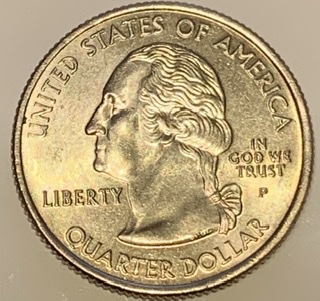
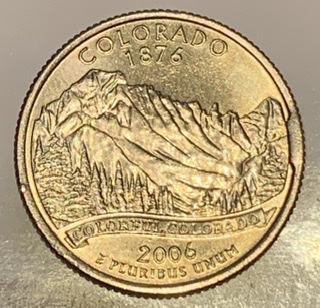
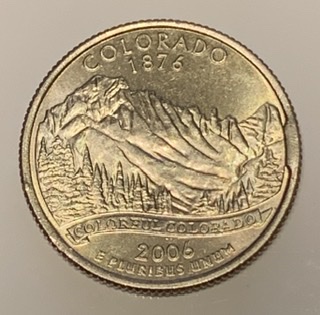
Nice Cud on reverse. Check the Cud site for a match. John1  |
|
Moderator
United States
34555 Posts |
"If you climb a good tree, you get a push."
-----Ghanaian proverb
"The danger we all now face is distinguishing between what is authentic and what is performed."
-----King Adz
|
|
Pillar of the Community
United States
3237 Posts |
Very nice Cud. The Colorados had a lot of excellent Cuds for whatever reason. Edited by SamCoin
06/12/2020 09:52 am
|
|
New Member
 United States
48 Posts |
Ohhhhh so this is a Cud I always say the wrong thing I do have books but some of the info is like Chinese to me lol thanks so so much for everything |
|
New Member
United States
48 Posts |
Hey @spence that page was pretty cool , thanks for that
|
|
Pillar of the Community
United States
3237 Posts |
@Gizzy yep! classic example of a Cud right here. A Cud is any die break that takes place at the rim of the die and affects the fields of the coin or design elements (as opposed to a rim Cud, which is a break that only affects the rim itself). It's kind of an arbitrary distinction that collectors care more about Cuds than die chips, but Cuds do tend to be more major when they occur and can be quite spectacular. Unfortunately, quarter Cuds are collected less than on pennies, so the premium might be a little lower, but still 10-20 dollar coin imo. Edited by SamCoin
06/12/2020 11:24 am
|
|
Valued Member
United States
113 Posts |
Do you guys know why a lot of the Cuds on those colorados are in that specific area? Would it be because of one particular die that produced a lot of them? |
|
Bedrock of the Community
United States
62064 Posts |
There is weakness on the strike on right side of 'WE and the rim looks a bit affected, so I feel it is a genuine Cud. 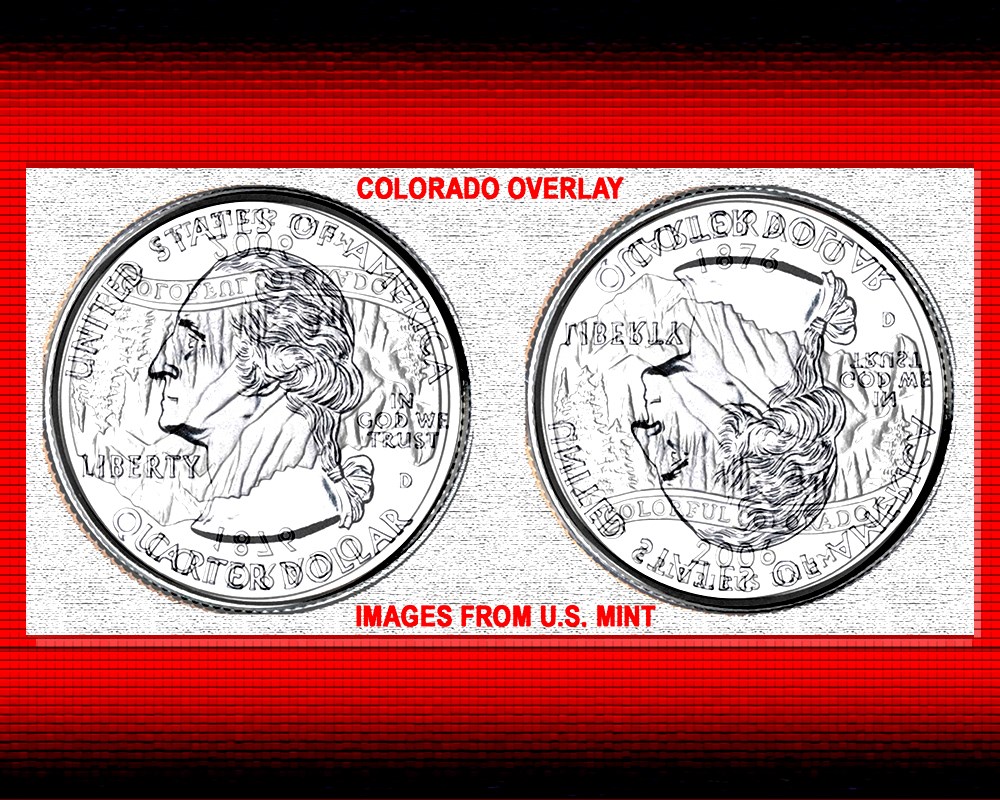 |
|
Pillar of the Community
United States
3237 Posts |
@JoeTheLucky Cuds happen when a piece of a die breaks off the rim. As such, every coin struck by that die after the break will have a similar Cud in the same place (although the Cud may grow larger as more metal breaks off the die). Moreover, Cuds will often develop in the same areas of a coin, since they are generally a reflection of where the design is weakest. Since the raised elements of the final coin are incuse on the die itself, these create weak points that will be more susceptible to cracks and degradation, and you will often find Cuds and other die breaks along the same lines of weakness. |
|
Moderator
United States
15930 Posts |
Lovely find - fully concur this is a reverse Cud.  Take a look at my other hobby ... http://www.jk-dk.art |
|
New Member
United States
48 Posts |
@samcoins thanks man that was great explanation
|
|
New Member
United States
48 Posts |
@coop and @samcoin thanks so much you guys have great info .
Edited by Gizzy23
06/16/2020 07:23 am
|
| |
Replies: 12 / Views: 1,553 |
|











 Posted 06/12/2020 09:41 am


