| Author |
 Replies: 11 / Views: 1,066 Replies: 11 / Views: 1,066 |
|
|
New Member
United States
13 Posts |
|
|
|
|
Moderator
 United States
34563 Posts |
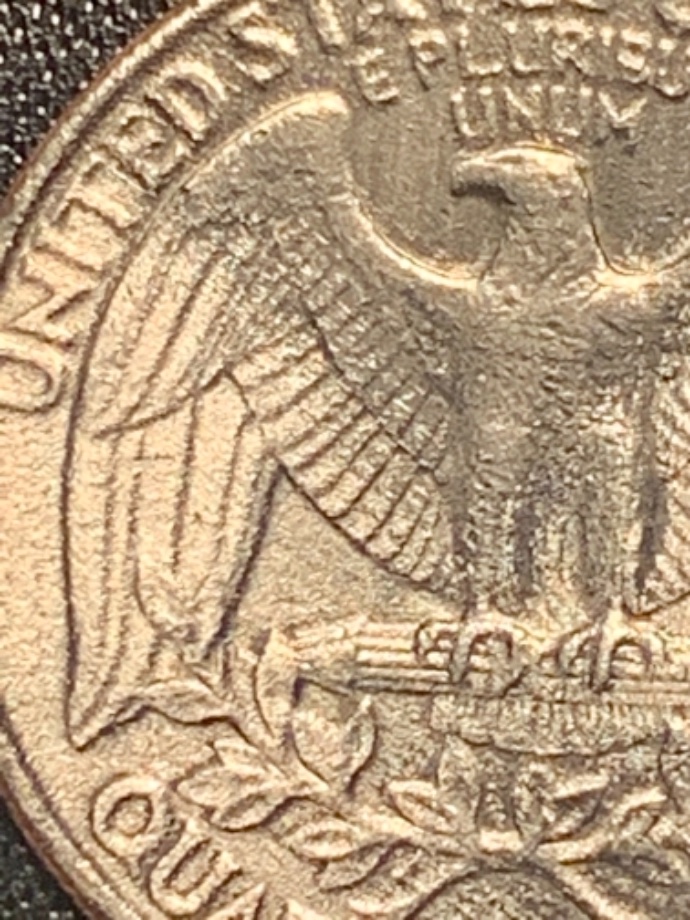
Sorry but rather than struck through, I rather think that the surface roughness can be attributable to environmental or chemical exposure.
"If you climb a good tree, you get a push."
-----Ghanaian proverb
"The danger we all now face is distinguishing between what is authentic and what is performed."
-----King Adz
|
|
Pillar of the Community
United States
5897 Posts |
I agree with Spence.
Words of encouragement are one of the major food groups.
We need to consume them regularly to thrive and grow.
|
|
Pillar of the Community
United States
1161 Posts |
 looks more like acid dipped |
|
Bedrock of the Community
United States
19615 Posts |
Yes, exposure to a reactive environmental agent.
|
|
Bedrock of the Community
United States
62064 Posts |
To me it looks like it was in an acid bath. If so the copper on the edges could be reduced: 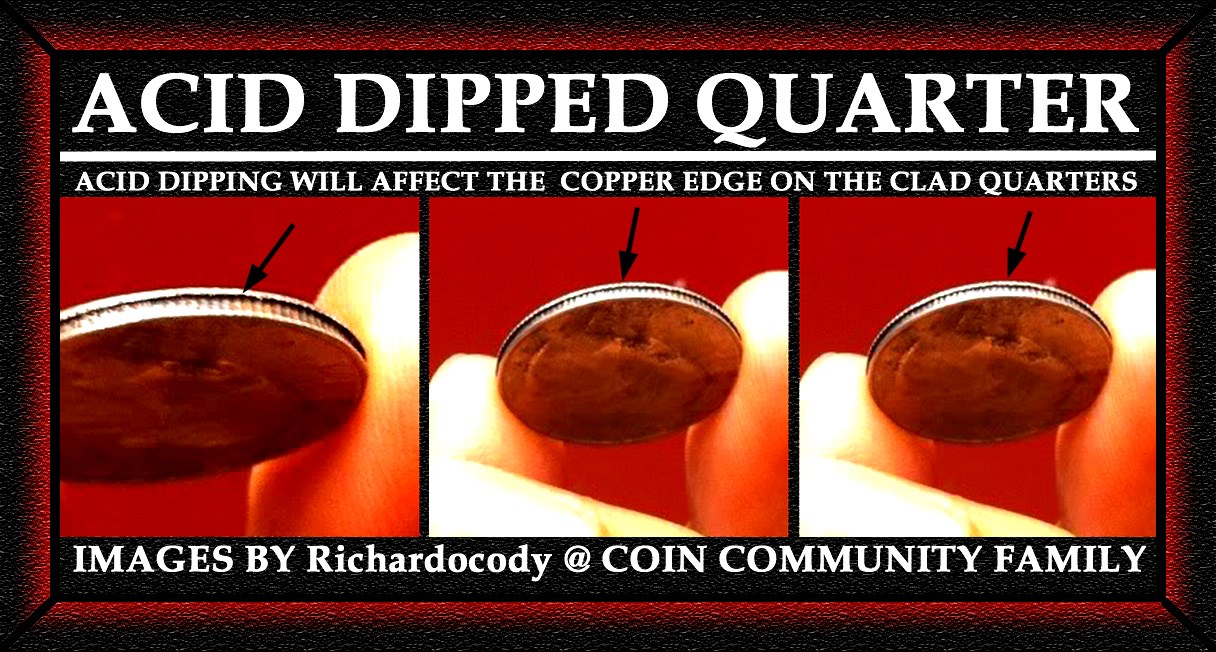 |
|
New Member
 United States
13 Posts |
Once again gentlemen, mahalo for the science.
|
|
Bedrock of the Community
United States
62064 Posts |
|
|
New Member
United States
13 Posts |
|
|
Bedrock of the Community
United States
62064 Posts |
Been there once before. (2000, 20 years ago)
|
|
New Member
United States
13 Posts |
Coop, What if the edges were not reduced? I ask because the metallurgy aspect of the hobby totally fascinates me. A sincere mahalo again from Ewa Beach, Oahu!    |
|
Bedrock of the Community
United States
62064 Posts |
So a strong acid wasn't used. But the surface was altered and done after it was struck when it got out into the wild. Note a premium coin. A premium coin would be one with a great strike and in great condition. Yours is just damaged. Here is what a nice example would look like: https://www.PCGS.com/cert/25614492Note the value on the last line of the evaluation of the coins summary? |
| |
Replies: 11 / Views: 1,066 |
|









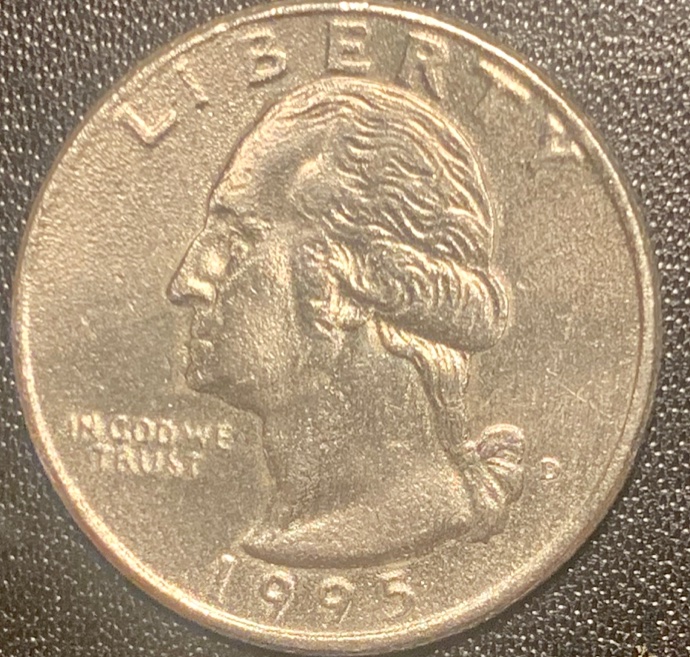
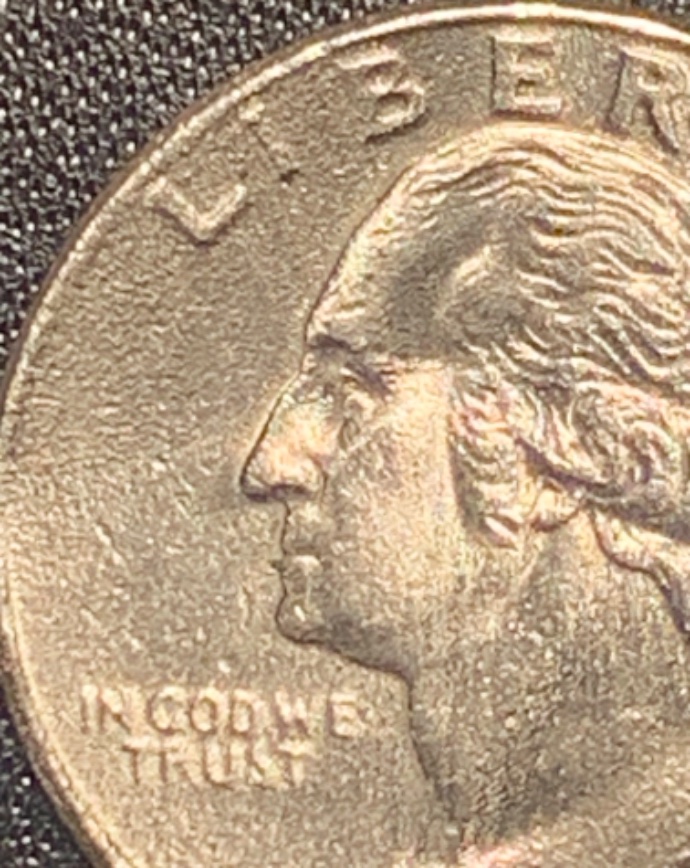
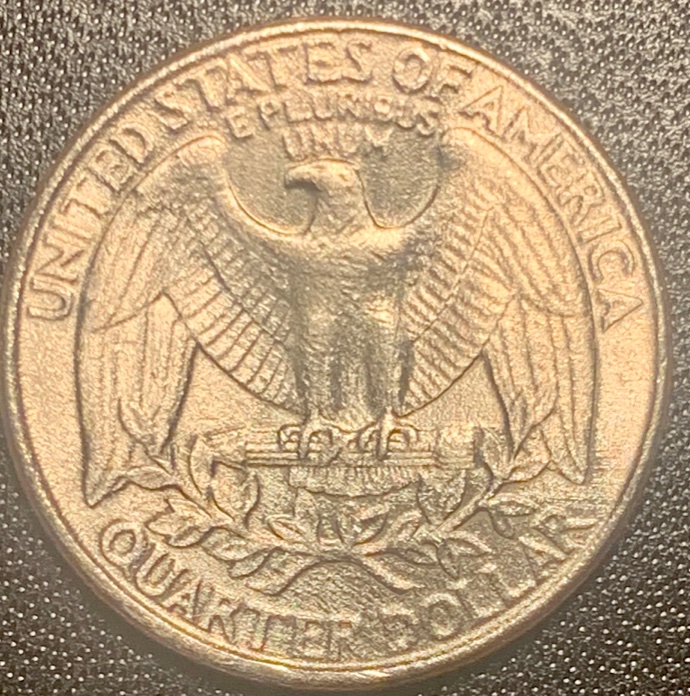


 Posted 07/05/2020 06:46 am


