








 Posted 07/12/2020 3:19 pm


Okay let me give it a go. It is very complicated so follow me if you are really interested. Let's split the two currencies and start with the old denomination before the royal kingdom(The Republic of the seven united Netherlands), and the new denomination after the decimalisation of the Dutch currency(Batavian Republic and the Royal kingdom of the Netherlands afterwards).
From small to large:
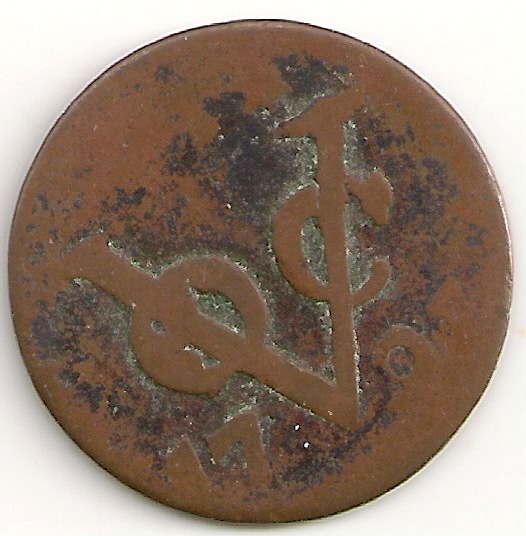
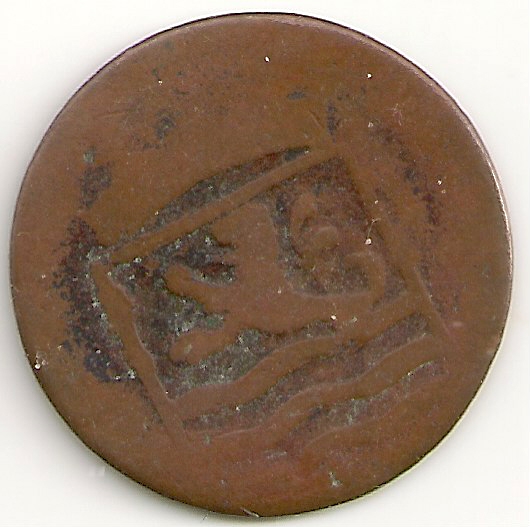
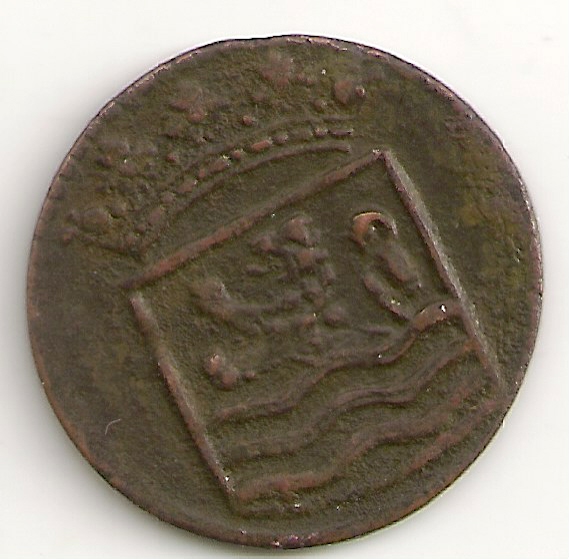
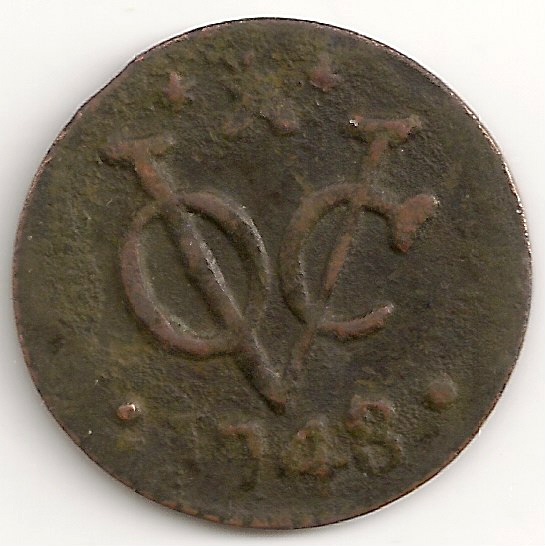
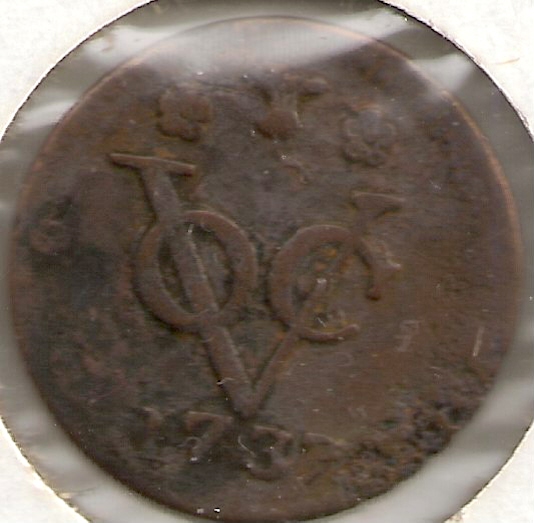
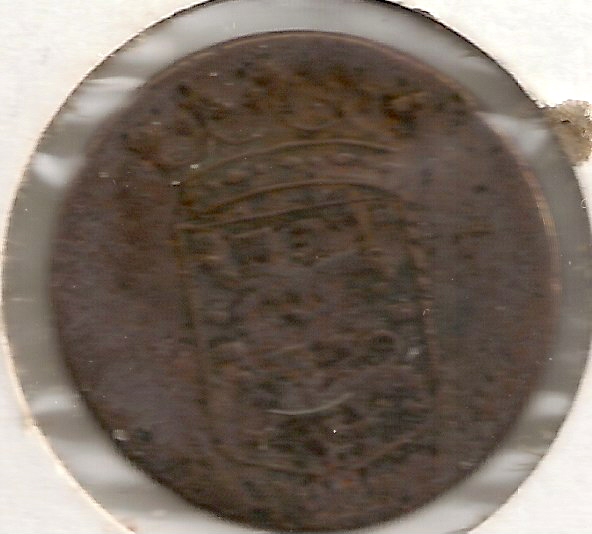
A "Duit" or "Penny", equals 2 "Penningen" or ""tokens".
A "stuiver", in other European countries called a "shilling", used to be 8 "Duiten/pennies". It was also 16 "Penningen/tokens".
The Schelling(not to be confused with the foreign Shilling), was worth 6 stuivers.
A "gulden"(pre-decimal) was 20 stuivers, or 160 pennies. In the northern provences they were 28 stuivers, and in the southern(now Belgium) provences they used "pond Vlaams" or "Pound Flemish", which was worth 6 gulden. This all made trade very complicated so people used small books to recalculate during trade.
A Daalder(pre decimal) was 30 stuivers. They were minted from 1538 - 1847.
A "zilveren Rijder" or "Silver Rider" was 60 stuivers. They were minted from 1659 - 1798.
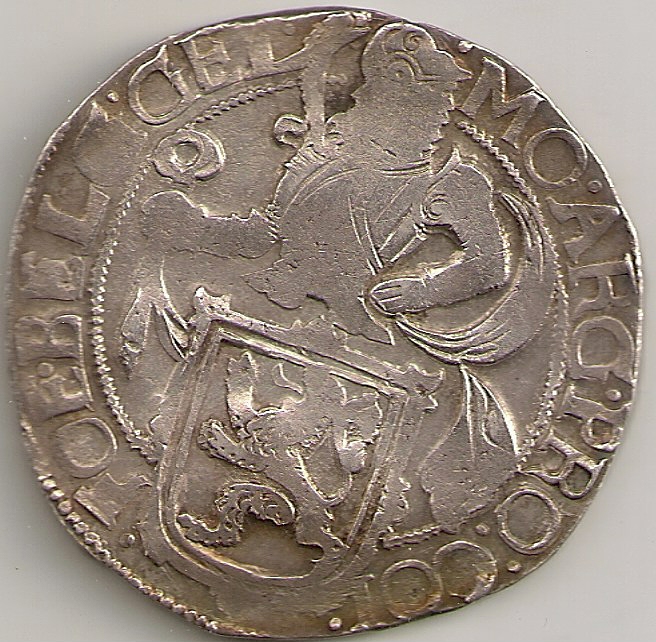
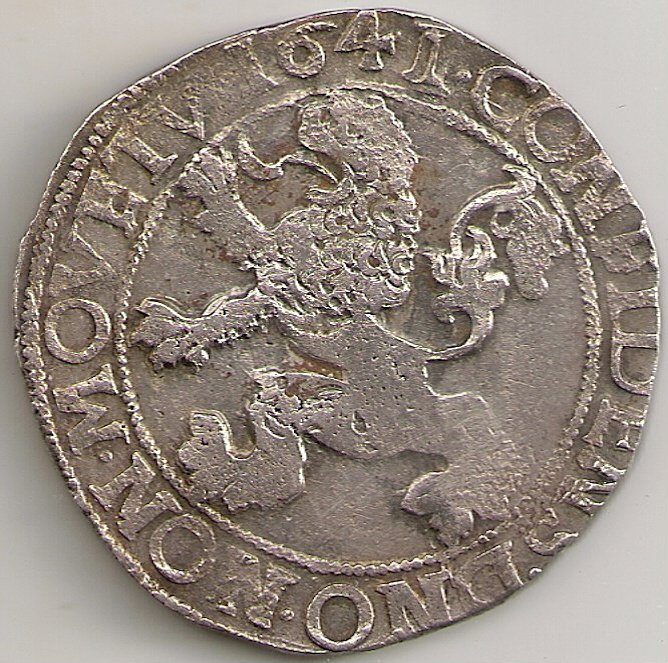
Then there is the "Leeuwendaader" or Lion Dollar, also known as a Dog Dollar. A heavy silver coin from .750 silver. Very popular amongst collectors in the Netherlands(I myself have some but I'll be selling them soon).
This Lion Dollar was worth 32 stuivers, and later when coinage was reviewed, 38 stuivers, and even up to 42 stuivers. The premium above silver rate was used for the war chest. It was widely used across the world for trade, and is also known as the first real US dollar. The word dollar originates from this Daalder. They were introduced in New Netherland(later New Amsterdam, and New York after that, when the Dutch traded New Amsterdam with the British for the colony of Surinam).
These Lion dollars were minted from 1575 - 1713. Every provence in that day had their own design, and also some big trade cities minted their own Lion Dollars(Kampen, Zwolle, Zutphen). There are also "Half Lion Dollars" known. Have the size, and half the value. They are more rare then the regular ones.
After decimalisation things got a lot easier, the same way the US currency works. 100 cents in a Gulden, 20 nickels in a gulden, or 10 dimes in a gulden, etc.
Any follow-up questions? Feel free to ask them! Hope you enjoy this small piece of history!
From small to large:
A "Duit" or "Penny", equals 2 "Penningen" or ""tokens".
A "stuiver", in other European countries called a "shilling", used to be 8 "Duiten/pennies". It was also 16 "Penningen/tokens".
The Schelling(not to be confused with the foreign Shilling), was worth 6 stuivers.
A "gulden"(pre-decimal) was 20 stuivers, or 160 pennies. In the northern provences they were 28 stuivers, and in the southern(now Belgium) provences they used "pond Vlaams" or "Pound Flemish", which was worth 6 gulden. This all made trade very complicated so people used small books to recalculate during trade.
A Daalder(pre decimal) was 30 stuivers. They were minted from 1538 - 1847.
A "zilveren Rijder" or "Silver Rider" was 60 stuivers. They were minted from 1659 - 1798.
Then there is the "Leeuwendaader" or Lion Dollar, also known as a Dog Dollar. A heavy silver coin from .750 silver. Very popular amongst collectors in the Netherlands(I myself have some but I'll be selling them soon).
This Lion Dollar was worth 32 stuivers, and later when coinage was reviewed, 38 stuivers, and even up to 42 stuivers. The premium above silver rate was used for the war chest. It was widely used across the world for trade, and is also known as the first real US dollar. The word dollar originates from this Daalder. They were introduced in New Netherland(later New Amsterdam, and New York after that, when the Dutch traded New Amsterdam with the British for the colony of Surinam).
These Lion dollars were minted from 1575 - 1713. Every provence in that day had their own design, and also some big trade cities minted their own Lion Dollars(Kampen, Zwolle, Zutphen). There are also "Half Lion Dollars" known. Have the size, and half the value. They are more rare then the regular ones.
After decimalisation things got a lot easier, the same way the US currency works. 100 cents in a Gulden, 20 nickels in a gulden, or 10 dimes in a gulden, etc.
Any follow-up questions? Feel free to ask them! Hope you enjoy this small piece of history!
Edited by ff4266
07/12/2020 3:20 pm
07/12/2020 3:20 pm


 . I have a loosely organized OFER (one from every reign), and in some cases, several types/denominations from each reign, starting with Godefroid III. From Charles the Bold through Philippe le Beau, it is also a place where I collect the early dated coins 1475-1505.






 Sounds like good progress!


