| Author |
 Replies: 12 / Views: 3,223 Replies: 12 / Views: 3,223 |
|
|
Valued Member
United States
357 Posts |
|
|
|
|
Moderator
 United States
34553 Posts |
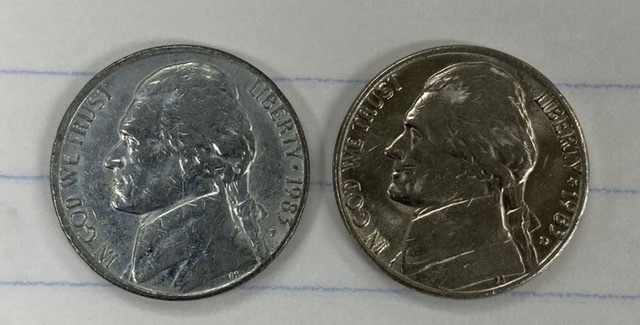
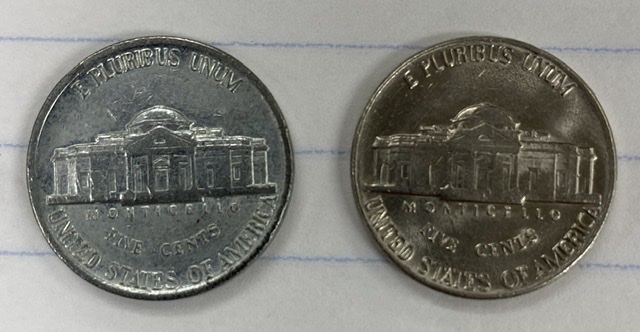
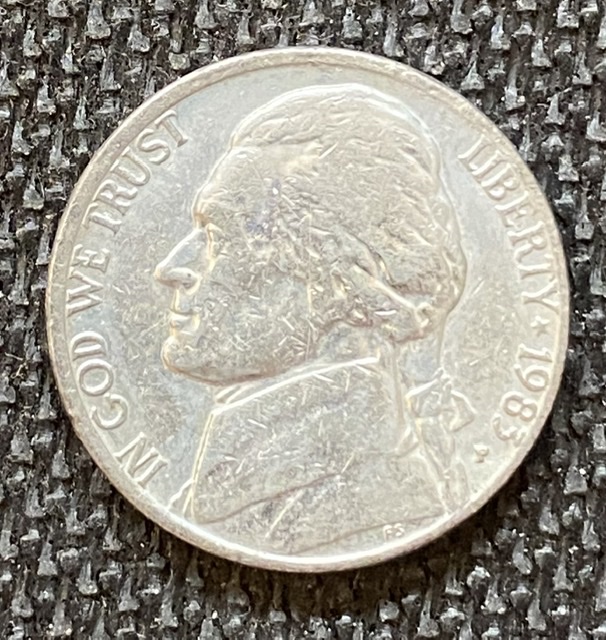
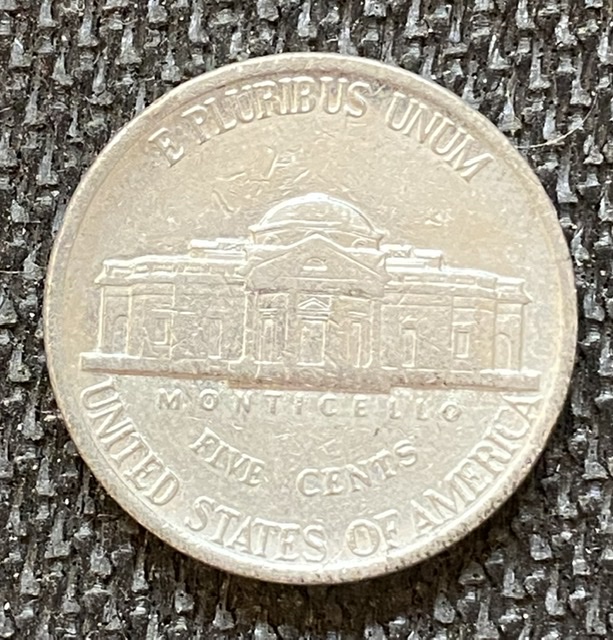
@MRB, I wonder if this coin was zinc plated and that is causing your alloy tester to think that the alloy is wrong. It has been a thousand years since I took chemistry, but it seems to me that if you removed a denser metal like nickel and replaced it with a less dense metal like zinc, then the object's weight should go down. Hopefully someone here can confirm or correct that line of thinking.
"If you climb a good tree, you get a push."
-----Ghanaian proverb
"The danger we all now face is distinguishing between what is authentic and what is performed."
-----King Adz
|
|
Pillar of the Community
United States
3207 Posts |
|
|
Valued Member
 United States
357 Posts |
The coin shop I took it to messaged me and said that a person they showed it to suggested that it could be a Philippine planchet. They suggested that I could have them send it in to a grading service. They said it could run $50. I did some research and can't find a Philippine planchet that looked like it was a possibility.
What's the determining factor to move on and consider it a fake or risk it and send it in?
|
|
Pillar of the Community
United States
4680 Posts |
I'm with Spence, zinc plated.
The theory of a Philippines planchet doesn't make sense, everything that year is aluminum, brass, or copper/nickel. The closest being 50 sentimos at 6 grams. Not aware of any other planchet with that high of a zinc content that is that close in weight. I personally wouldn't send it in.
|
|
Valued Member
United States
182 Posts |
How would a Philippine plancket get into the Mint?
|
|
Valued Member
United States
357 Posts |
Coin Searching - The US Mint has made planchets for other countries. If you use the Google machine and search for foreign planchets made by US Mint or something similar you can find a pdf that shows the countries and dates.
|
|
Valued Member
United States
357 Posts |
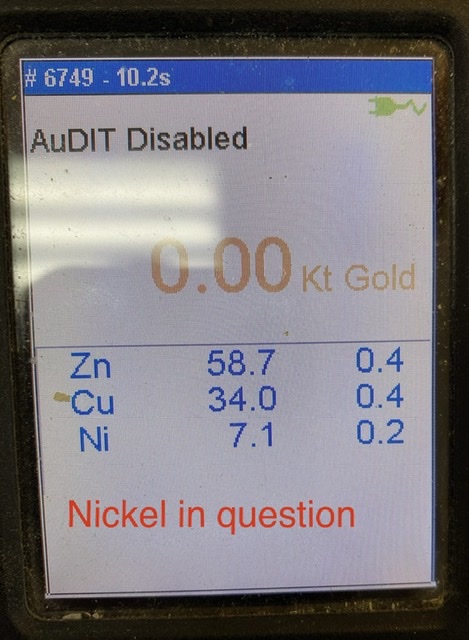
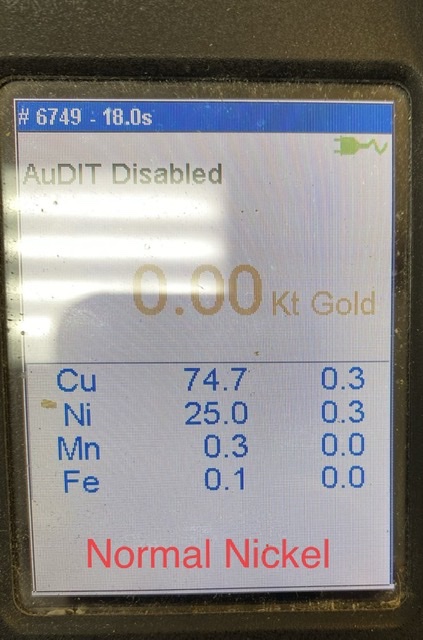
Just a follow up - still haven't given in to it being a fake just yet. Took it to another coin shop and they did not immediately dismiss it as a fake. I have sent the information to a few more folks for opinions. I just can't figure out the composition of someone took a standard nickel and then manipulated it. How would the alloy composition change to what it scanned att?
Edited by MrBreeze
08/28/2020 09:22 am
|
|
Pillar of the Community
United States
588 Posts |
Zinc plating makes the most sense. Nickel and copper are roughly the same density - 8.99 & 8.96 g/cc - whereas zinc is considerably less dense at 7.14 g/cc. There's no way you can replace 50% of the copper and nickel in the coin's alloy with zinc and end up with a coin that's heavier than a normal nickel. Additionally, a thin plating of zinc would also account for the small extra weight of the suspect coin. I'll leave it to XFR experts to weigh in on whether or how a thin zinc plating would affect the results of a scan, but I'll just add that I see the chance that someone is producing relatively good quality counterfeit 1983 P Jefferson nickels as very remote. |
|
Valued Member
United States
357 Posts |
HGK3 - thanks for the comments. I am still very new to the Coin World and trying also understand the chemistry behind alloys is a little mind boggling. Are you thinking that a layer of added zinc is causing the scan to show these odd results as compared to the "normal" nickel scan results? The thing I don't understand is what the process someone would have had to do to remove so much copper and nickel then plate it with so much zinc to make it weigh more? It is interesting if nothing else! I love a good mystery! |
|
Bedrock of the Community
United States
62064 Posts |
Not done at the mint. The zinc cents are order in from a supplier. Mint doesn't zinc coat coins.
|
|
Pillar of the Community
United States
588 Posts |
Quote:
Are you thinking that a layer of added zinc is causing the scan to show these odd results as compared to the "normal" nickel scan results?
The thing I don't understand is what the process someone would have had to do to remove so much copper and nickel then plate it with so much zinc to make it weigh more? I have no familiarity with the XFR process (assuming that's what was used), so anything I say concerning it should be verified by someone else. I think what you have is an ordinary nickel that has had a thin layer of zinc added to it by basic electroplating. This extra zinc would account for the slightly higher overall weight of the coin. We see coins on the forum all the time that have been plated, it's a common science experiment done in schools and at home regularly. Because there's no way a coin of the zinc/copper alloy shown on the scan would weigh more than a coin of the normal copper/nickel alloy I'm left with the conclusion that the XFR (or whatever) results are skewed by the zinc plating. |
|
Valued Member
United States
357 Posts |
They did use the XRF scanner. Interesting thought that the zinc threw it off. Definitely plausible. Thanks
|
| |
Replies: 12 / Views: 3,223 |
|








 Posted 08/25/2020 10:19 pm





