










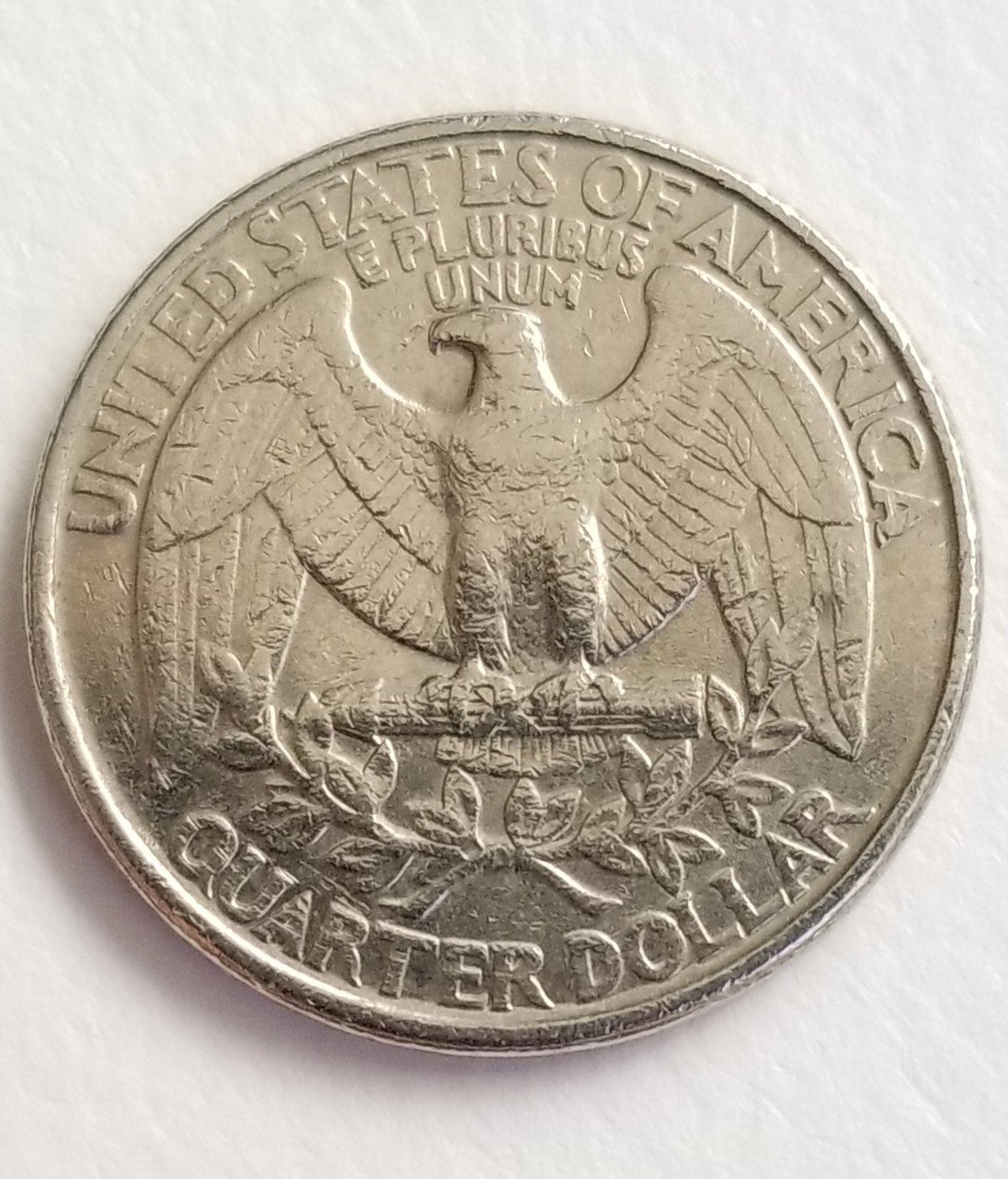


 Posted 11/01/2020 3:51 pm


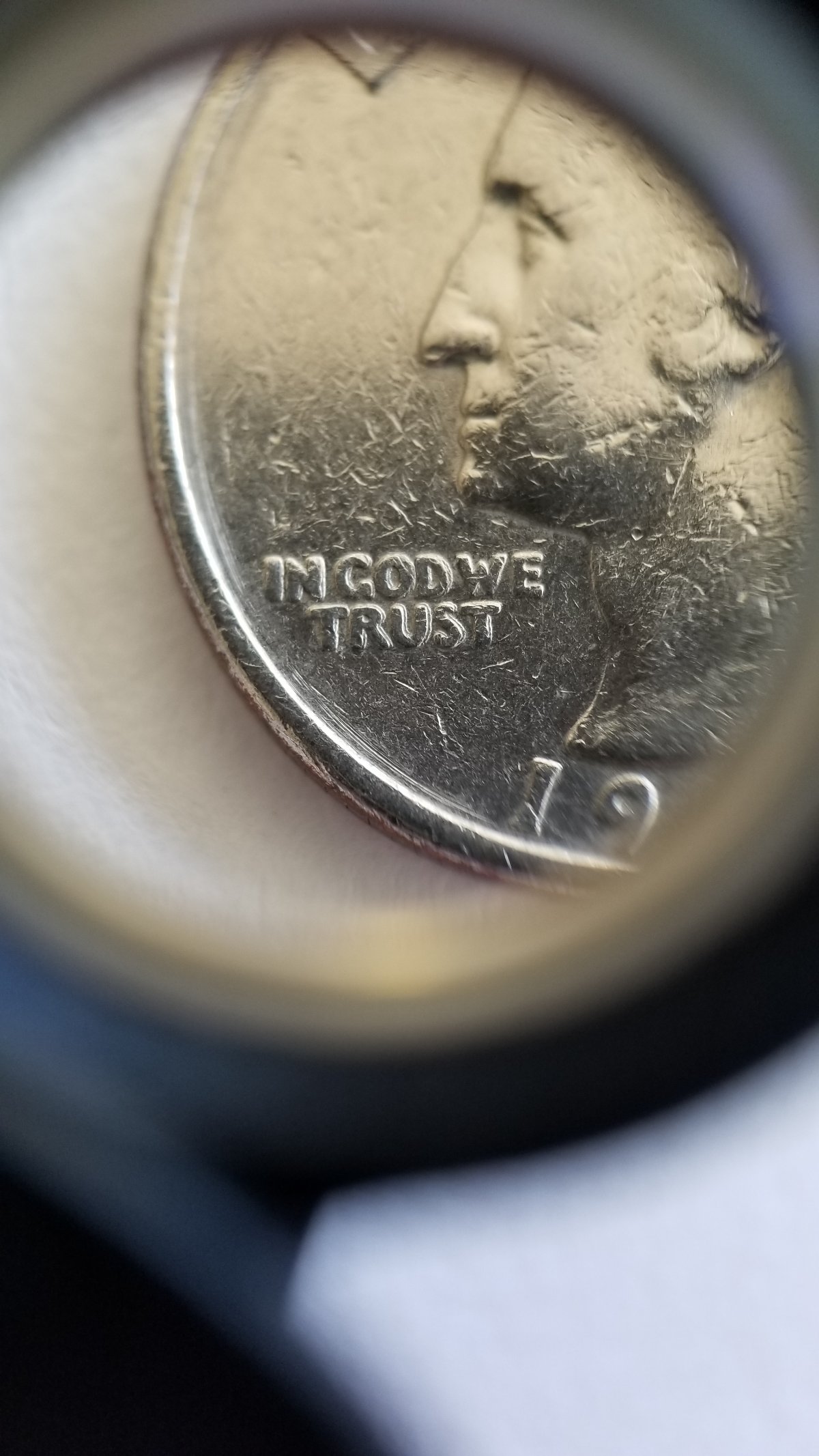
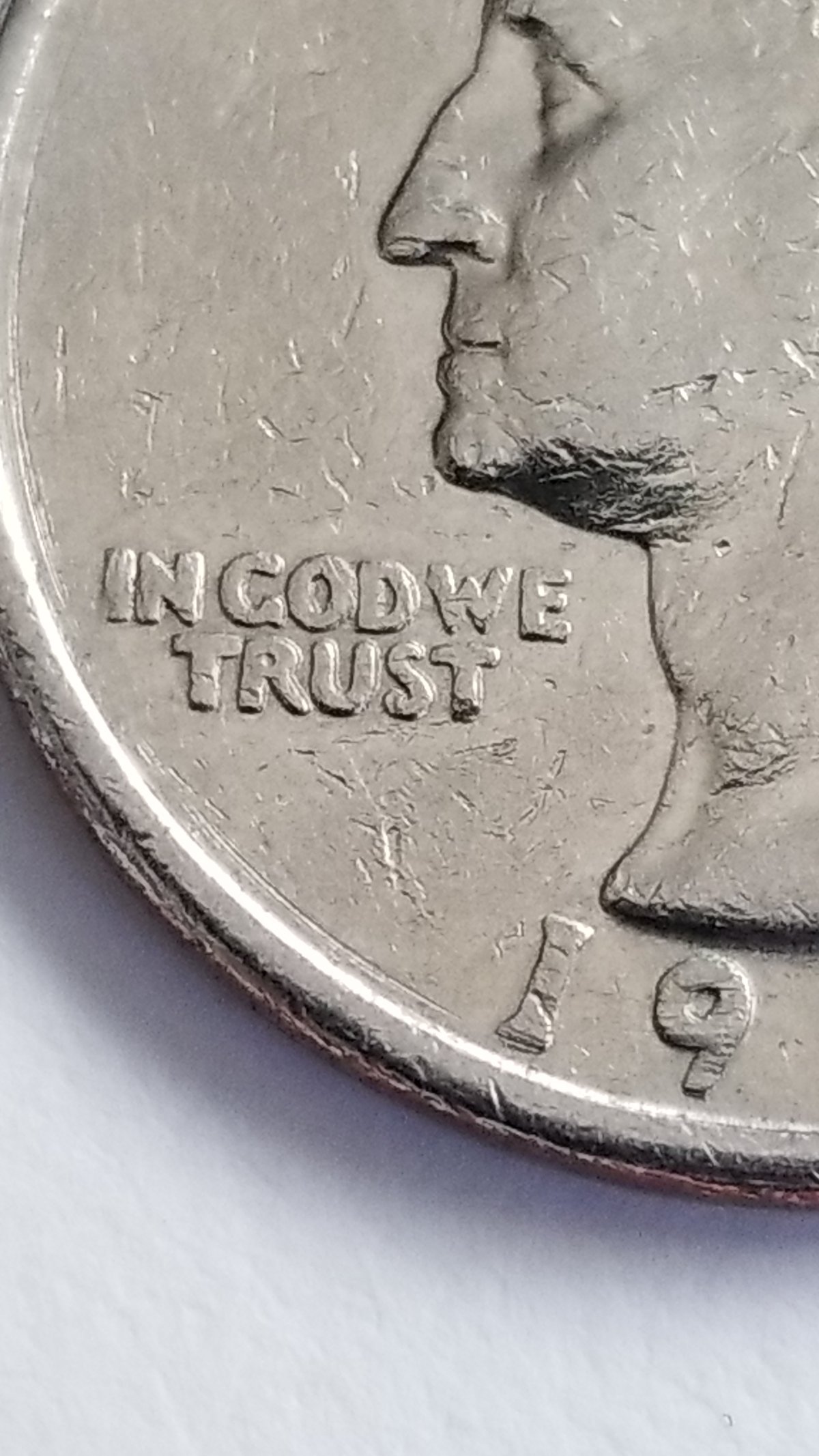
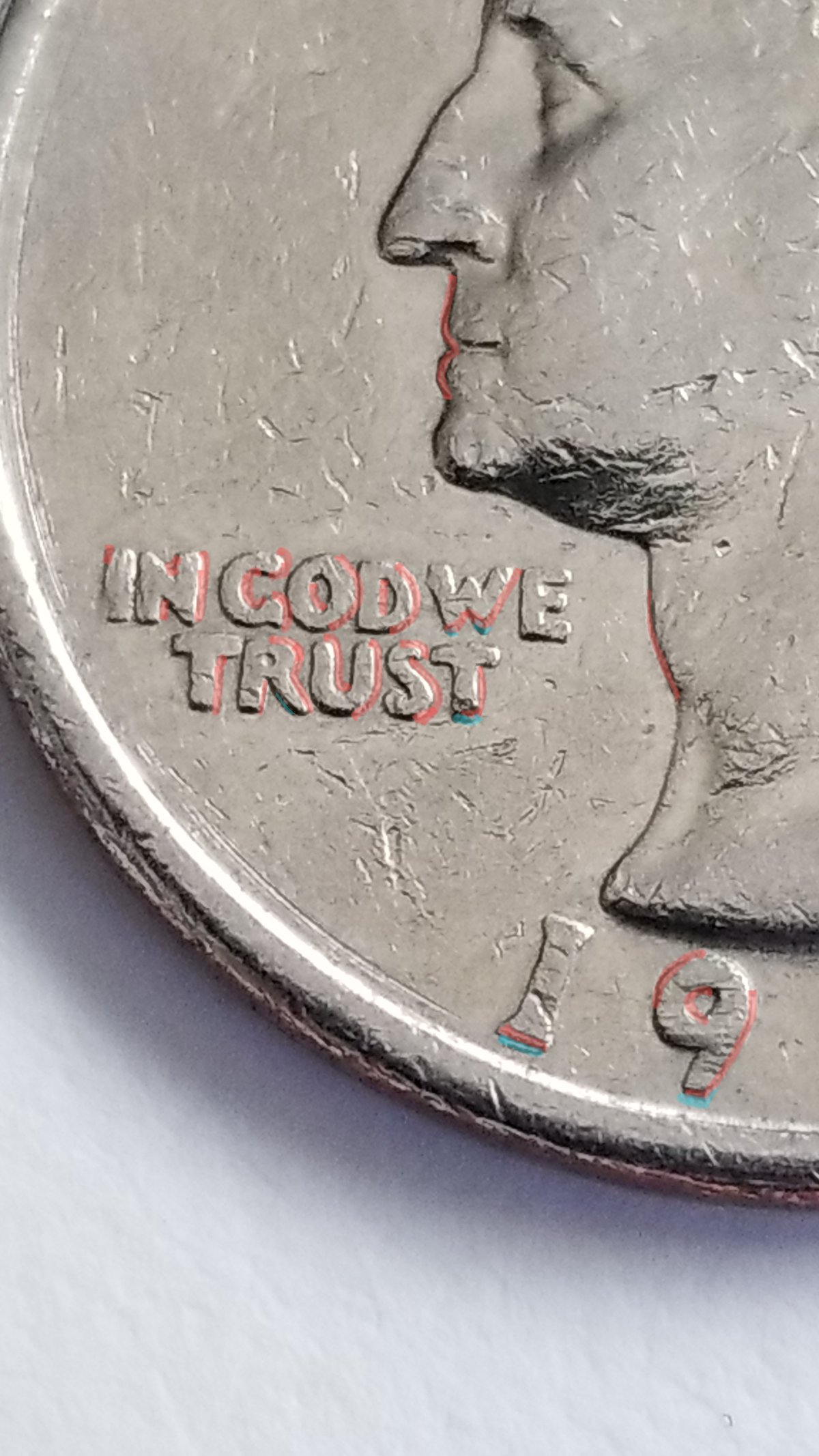
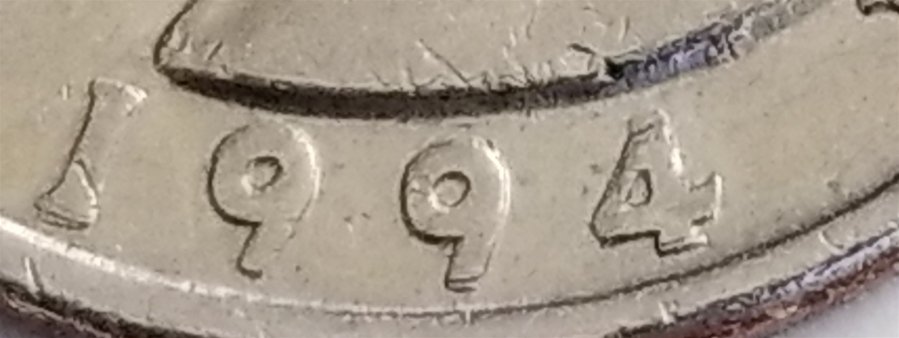
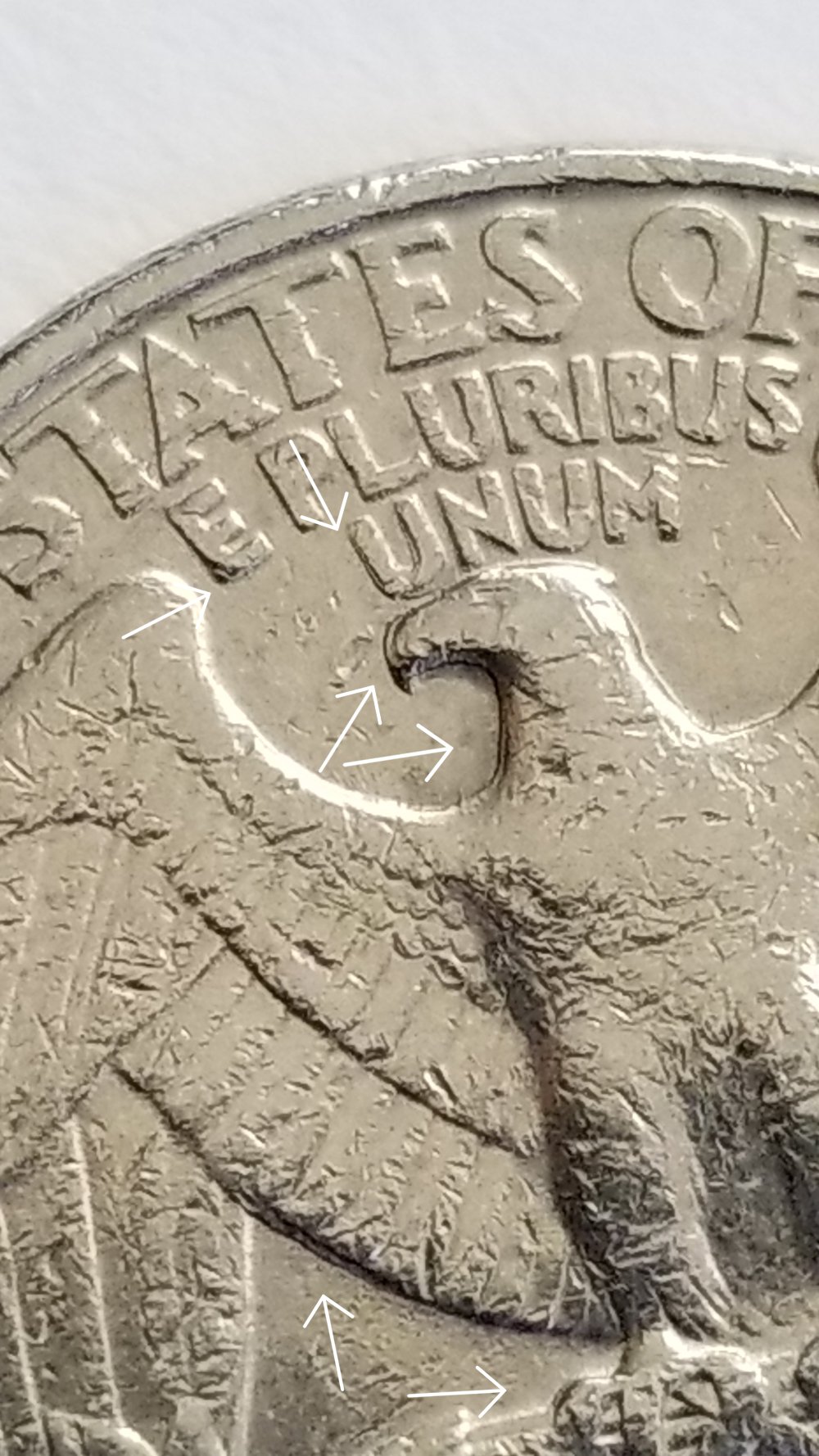
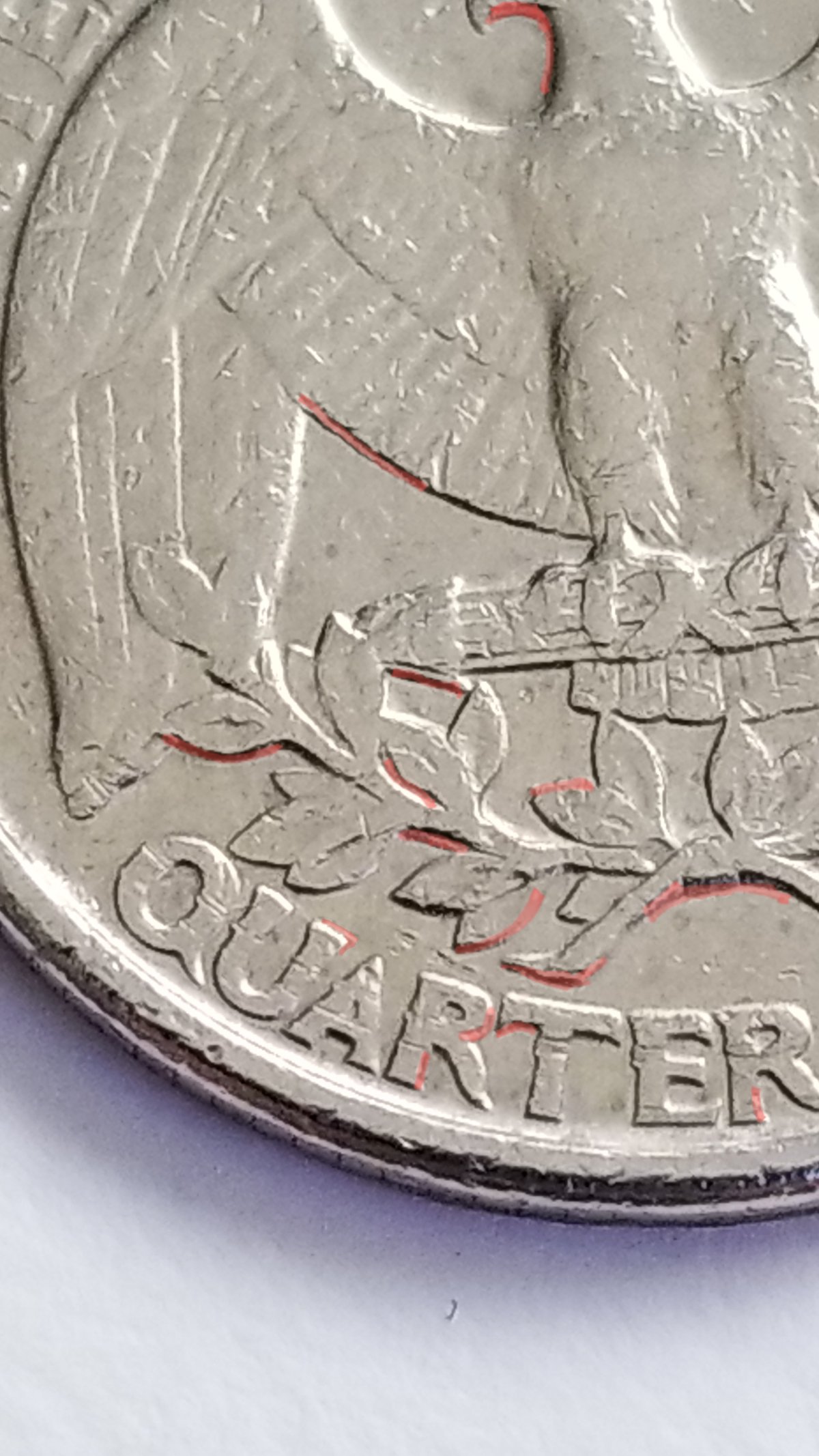
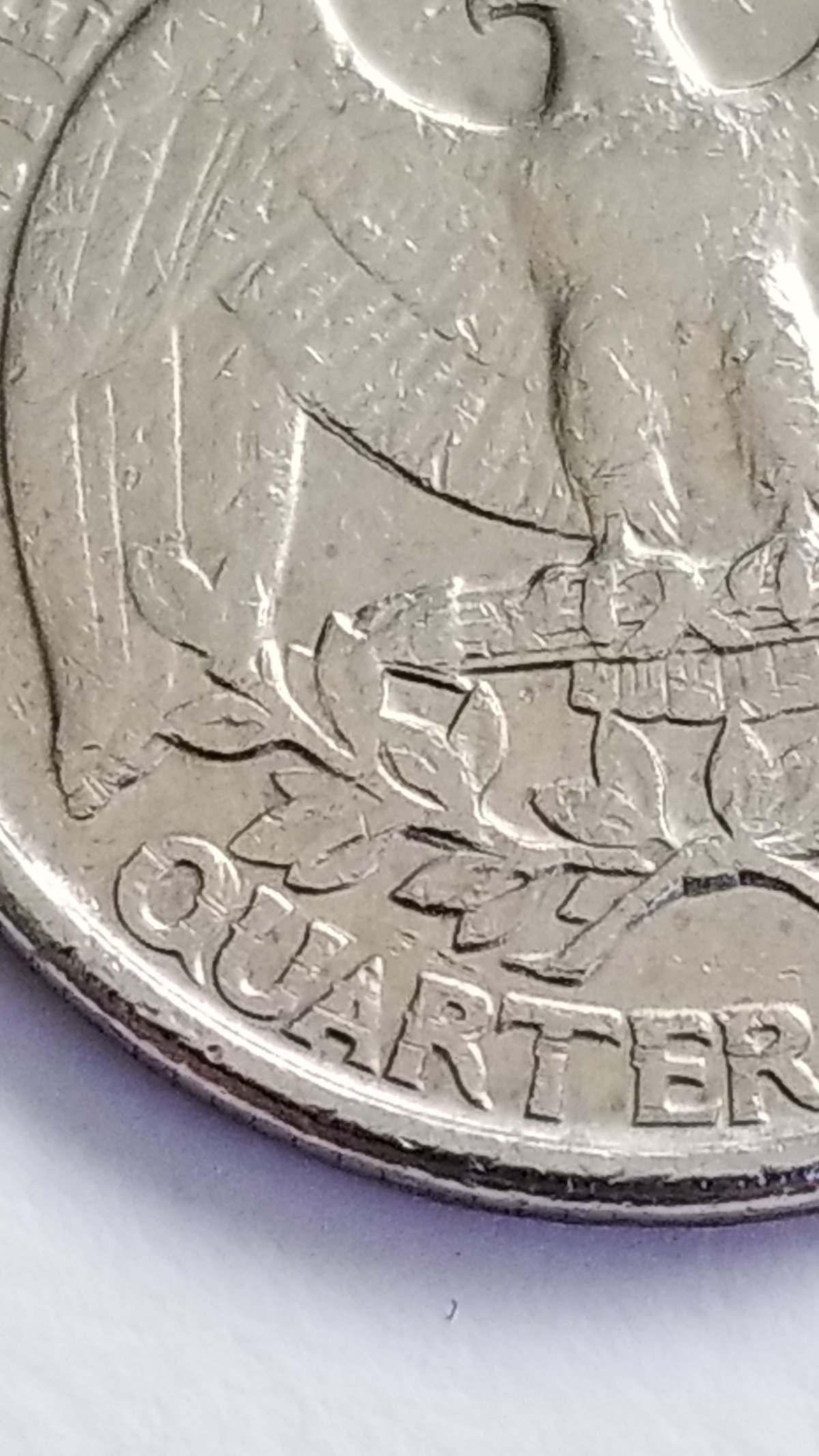
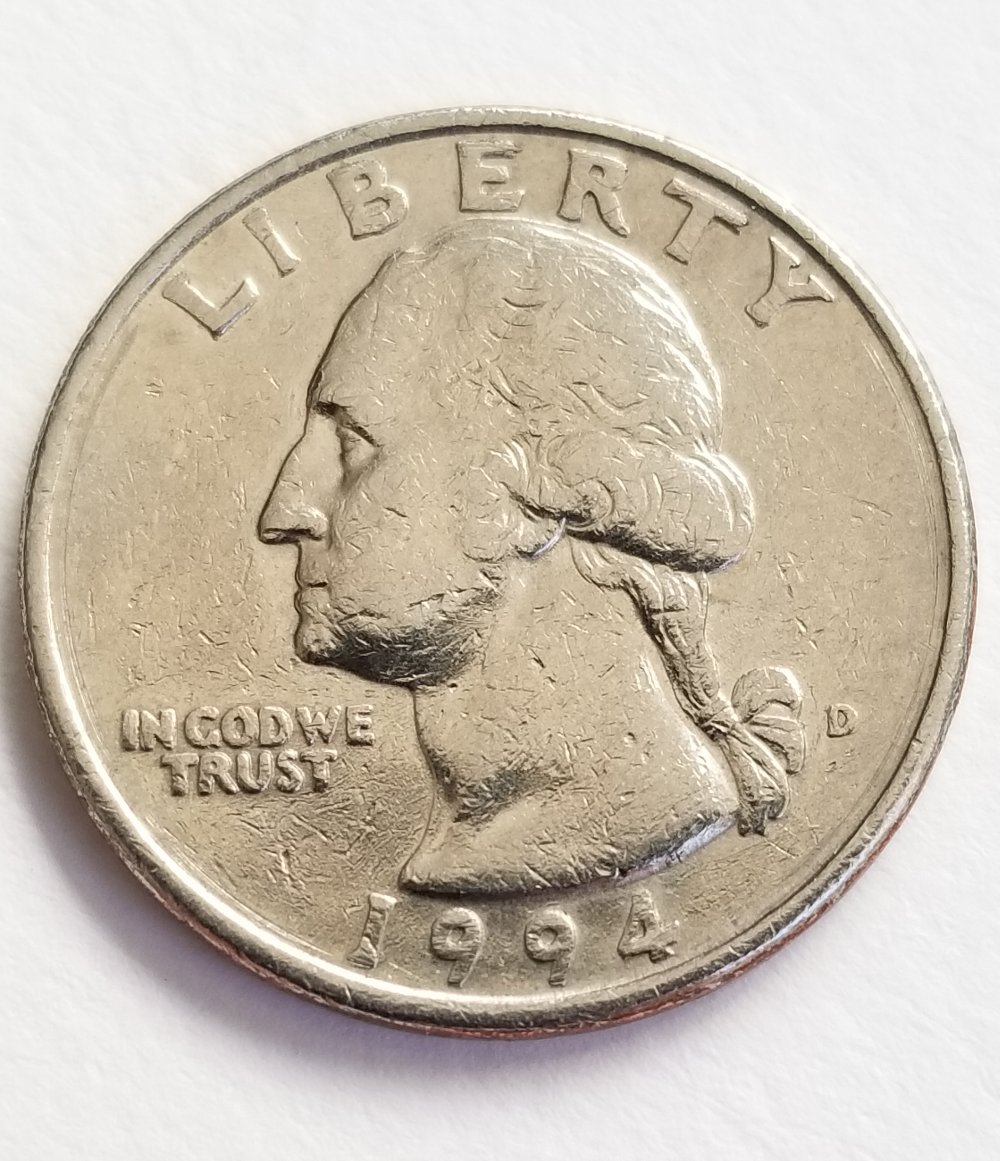
Note you are looking at the outside edge of the devices. That is usually Machine Doubling. A doubled die has the devices on a spread in the centers of the devices.
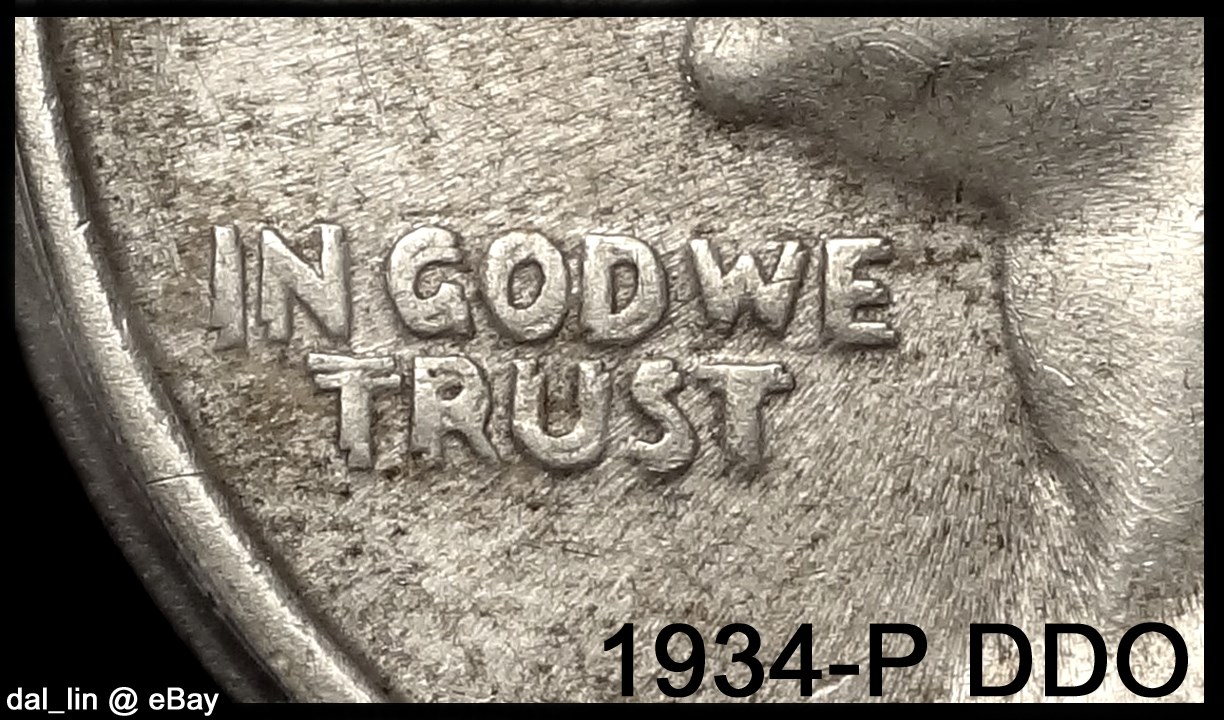
[red]Why does a doubled die look like that? The doubling is on the die because of the hub process not falling exactly over a previous hubbing. Thus the doubling is on the die. What you have is a normal die, with the machine altering the devices right after the strike. The looseness of the machine affects the coins, damaging and removing the contour of the devices. This also happens on a doubled die as well flattening the devices:
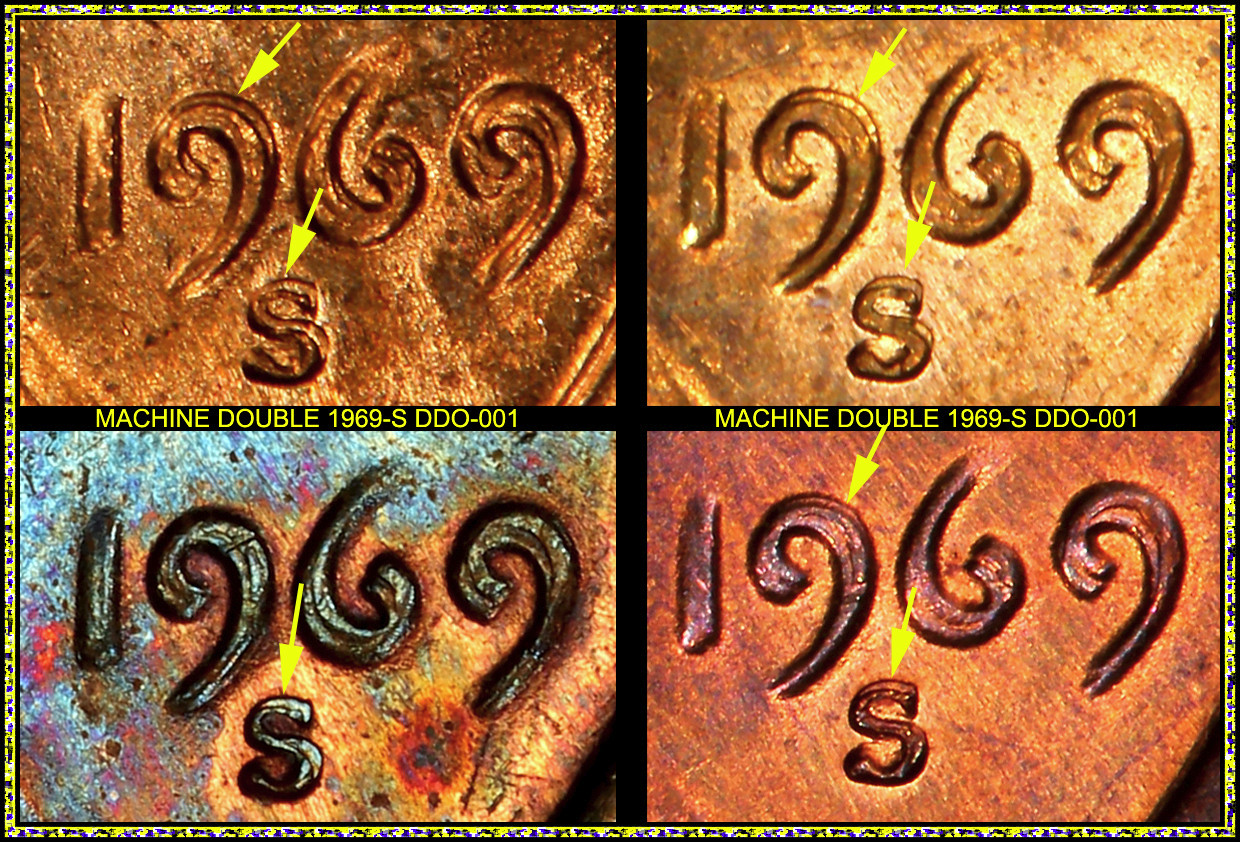
Note the date is doubled on this doubled die. But also note the yellow arrows? Those are where the machine altered thess devices right after the strike. Machine Doubling on a coin is usually in a single direction, thus the same direction appears on each of these different coins. But MD does have a hard set rules, like alerting stuff in the same direction:
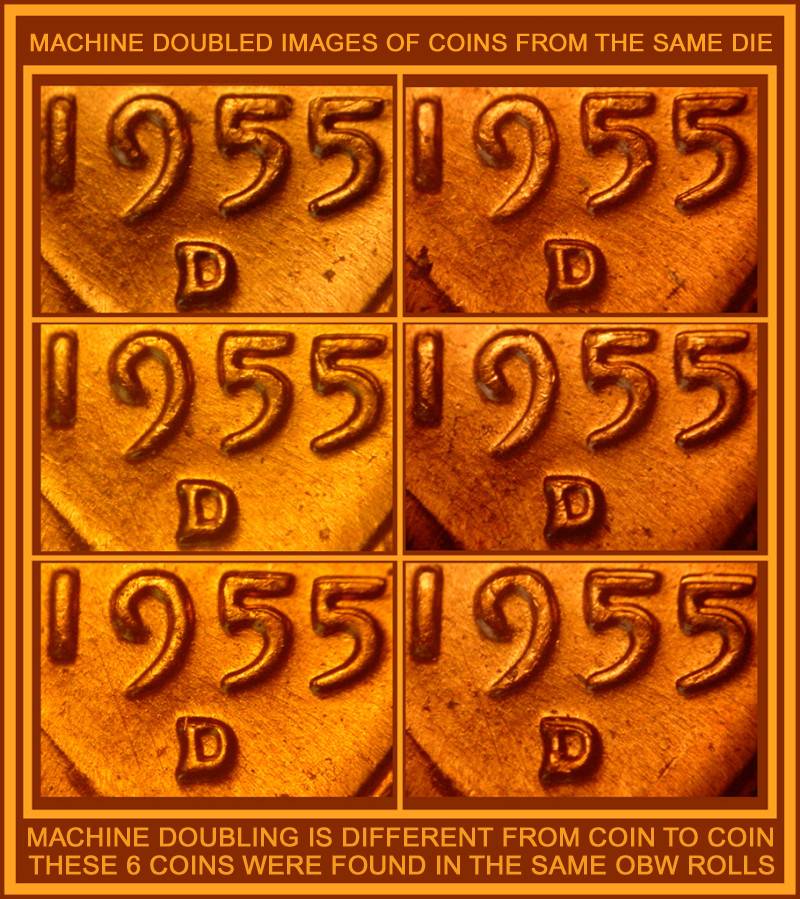
Note how the MD is not always the same. The looseness is not always the same. A doubled die is consitant because the doubling is on the die, but subject to Machine Doubling alteration. Caused by the machine.
[red]Why does a doubled die look like that? The doubling is on the die because of the hub process not falling exactly over a previous hubbing. Thus the doubling is on the die. What you have is a normal die, with the machine altering the devices right after the strike. The looseness of the machine affects the coins, damaging and removing the contour of the devices. This also happens on a doubled die as well flattening the devices:
Note the date is doubled on this doubled die. But also note the yellow arrows? Those are where the machine altered thess devices right after the strike. Machine Doubling on a coin is usually in a single direction, thus the same direction appears on each of these different coins. But MD does have a hard set rules, like alerting stuff in the same direction:
Note how the MD is not always the same. The looseness is not always the same. A doubled die is consitant because the doubling is on the die, but subject to Machine Doubling alteration. Caused by the machine.
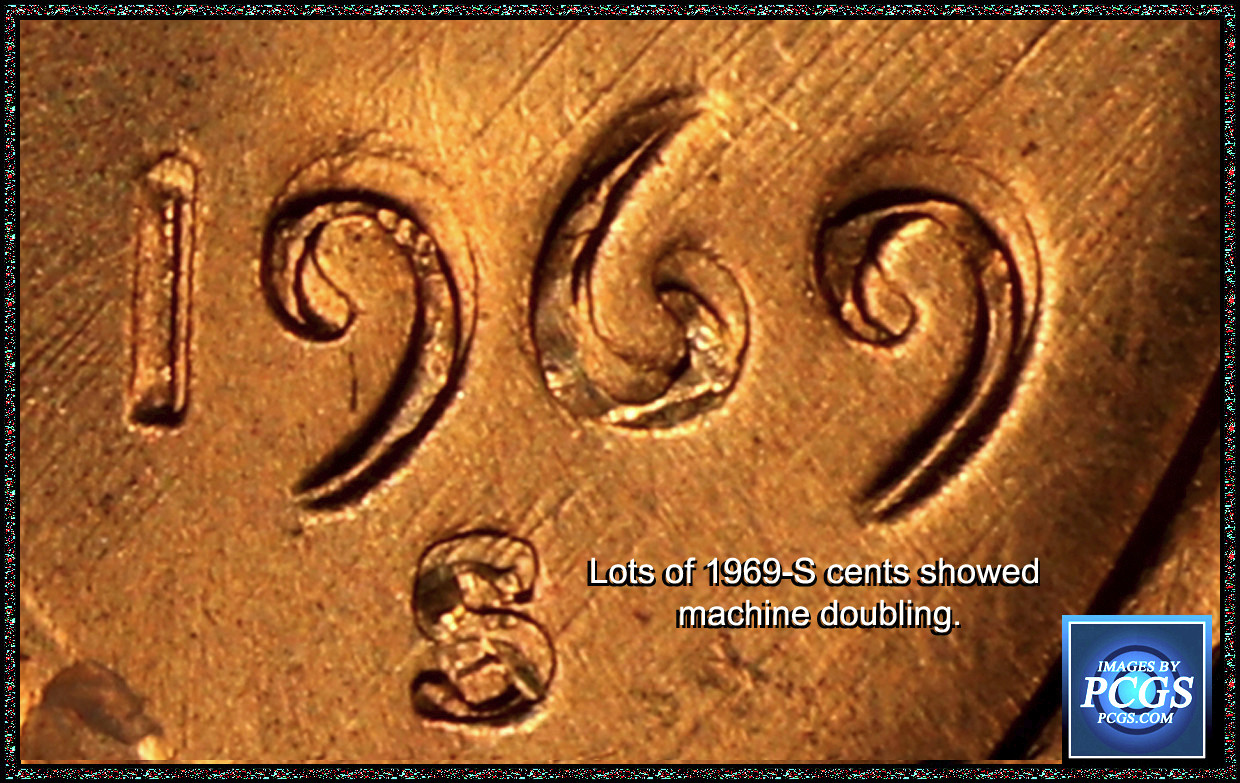


 to CCF. It is MD and has no premium.


