| Author |
 Replies: 12 / Views: 3,969 Replies: 12 / Views: 3,969 |
|
|
Pillar of the Community
United States
1758 Posts |
Can I get your thoughts/do-dont;s/methods/What does NGC use?/(Hydreogen Peroxide/DI water mixture ratio). John Lorenzo Numismatist
P.S. Not so much from metal detector finds but other scenarios since that is almost a given.
JPL
*** Moved by Staff to a more appropriate forum. ***
|
|
|
|
Pillar of the Community
United States
5825 Posts |
I've always thought that ultrasonic cleaning would be good for getting rid of debris on a coin as long as the coin was not in direct contact with the tank.
Cotton cloth or something like that lining the tank.
Use distilled water with maybe a touch of pure liquid soap.
After that I'd use some acetone to get rid of other possible contaminants.
I consider this to be "conserving".
Neither process should affect the toning.
Anything that affects toning should be considered as "cleaning".
I've never done this so it's just an impression rather than knowledge.
Edited by kanga
12/08/2020 09:07 am
|
|
Pillar of the Community
 United States
4618 Posts |
I worry that the debris that had been freed from the coin would then cause damage, even if the bath was lined with a soft cloth. The vibrations could concentrate any contact to one small point, possibly scratching the coin. The same rules concerning soaps, cleaners and solvents would apply when using this method. Detergents can change the toning on coins, especially copper, causing iridescent colors that would be considered Artificial Toning if it were submitted for certification.
You should never use any flammable liquid in a ultrasonic bath unless it's certified to be "Explosion Proof." The electronics are not shielded on basic ultrasonic baths and any small spark from the switch or from the electronics could cause an explosion or fire.
I may be overly cautious when it comes to cleaning coins, but I would hate to ruin the value of any coin.
I have a 1834 Capped Bust half that I feel needs conservation. I'll be sending it to NCS/NGC when (if?) things in this world calm down a bit. I will image and document the process and post the results on CCF.
ANA ID: 3203813 - CONECA ID: N-5637 Clean a coin that may be worth collecting? Please DON'T! When in doubt, leave it dirty!! 
|
|
Pillar of the Community
 United States
1758 Posts |
As I have been finding there is little scientific or hands on chemistry to properly clean a coin - not conserve as I really do not understand what that means other than applying Verdicare to a coin. Here is the subject coin and my background. Worked for a time developing industrial cleaning products, developed a similar Coin Care EAC type product I call JPL Coin Care which works great on light film verdigris, talked to recently to an incredible relic/coin refinisher, M.S. Chemistry, retired as a Chemical Safety/Environmental Manager from the Fortune 500 area; etc: Subject coin:  https://www.ebay.com/itm/333664449898 https://www.ebay.com/itm/333664449898The white particles being a bronze Wiener architectural bronze alloy medal is stannous oxide. Insoluble in water/solvents/soluble in ammonia and mineral acids. Subject item has stannous oxide, dirt and verdigris which of course is copper oxide type. Solution will be given on the after photo. How would you attempt to clean this coin to its original state? The solution - excuse the pun - in 2 weeks. In the interim any ideas now that we have a particular subject coin and every You Tube Metal Detecting IDIOT I have viewed has prompted me with this example to CCF as a BEFORE/AFTER DEMONSTRATION. However never tried this before at this horrid level BUT like I said this English gentleman has given me great HOPE and some NEW ingredients/ideas/direction for something at this level. There is no way to clean a coin? Properly so it can pass NGC/PCGS. JPL Edited by colonialjohn
12/08/2020 2:52 pm
|
|
Pillar of the Community
 United States
584 Posts |
if I use my ultrasound cleaner which I hardly ever do I use a 4 to 1 4parts water and 1 part acetone and I never lay them on top of the metal tray I use my plastic tray and no more then 5 coins at time.
|
|
Pillar of the Community
United States
1758 Posts |
This coin is in route from France and will arrive in a week. I have been talking to an English gentleman and a business in France that conserves coins - mostly ancients. His most sophisticated piece of instrument is the same technology used when you go to the dentist for plaque removal and they use that high powered water for its removal. Same technology for crud removal. He even finishes the coins with renaissance wax - but the treatment for ancients and post ancient coins particularly when they arrive at a TPG is different. Hew did give me some other chemical options. But will attempt the process on this piece and then report. JPL |
|
Bedrock of the Community
United States
20753 Posts |
I'll never understand the necessity to clean coins. People use just about anything and everything to clean coins. I would rather spend time watching TV.
|
|
Pillar of the Community
United States
1758 Posts |
Yes - Carl since the USEPA deletion of Freon TF from the original EAC Coin Care product that created mass hysteria on its effectiveness on Large Cent cleaning 4-5 figure coins several decades ago due to ozone environmental concerns ... it seems hopeless in the fact that if the corrosion is deep enough we would have disturbed surfaces. If done improperly we get NGC/PCGS improperly cleaned (surfaces) due to false toning and other factors outside of course of Mint State. However if able to be done properly based on some recent breakthroughs the TV maybe able to be turned OFF and be given some closer scrutiny <BG>.
Not me but if done properly as with this gentleman in France it can be done - however with ancients due to massive burial issues w/in the series post-ancients have less latitude with surface repair/change. I have gotten a new INGREDIENT to build upon by current procedure with my current Freon TF based technology. Just saying bookmark this thread and turn off the TV in about two weeks and let me have your opinion. Yes the stannous oxide may have eaten into the surfaces SLIGHTLY? My current method to retone to natural color takes months/years so there I may need some latitude. My process will be explained.
John Lorenzo
Numismatist
New Jersey
|
|
Pillar of the Community
United States
3342 Posts |
Interesting discussion. I look forward to your results. Thanks for sharing your experience and experimentation with us.
"Nummi rari mira sunt, si sumptus ferre potes." - Christophorus filius Scotiae
|
|
Pillar of the Community
United States
1543 Posts |
Quote:
I worry that the debris that had been freed from the coin would then cause damage, even if the bath was lined with a soft cloth. People clean vinyl records with ultrasonics, granted they spin them and are suspended by the hole in the center, but if your coins weren't on the bottom, I would think the debris would sink as it is knocked lose. |
|
Pillar of the Community
United States
1758 Posts |
Good point. The coin was entered into the ultrasonic (Small Magnasic) device for (2) 480 second cycles with DI water. Once most of the stannous oxide fell off by the ultrasonic caviation process the coin was then RESOTRED/CLEANED succesfully with no hairlines viwed under a 20X stereo microscope. Used by Freon TF based cleaner similar in solvent chemistry to the original EAC Coin Care developed at my last job before I retired. I have (3) gallons. See photos: 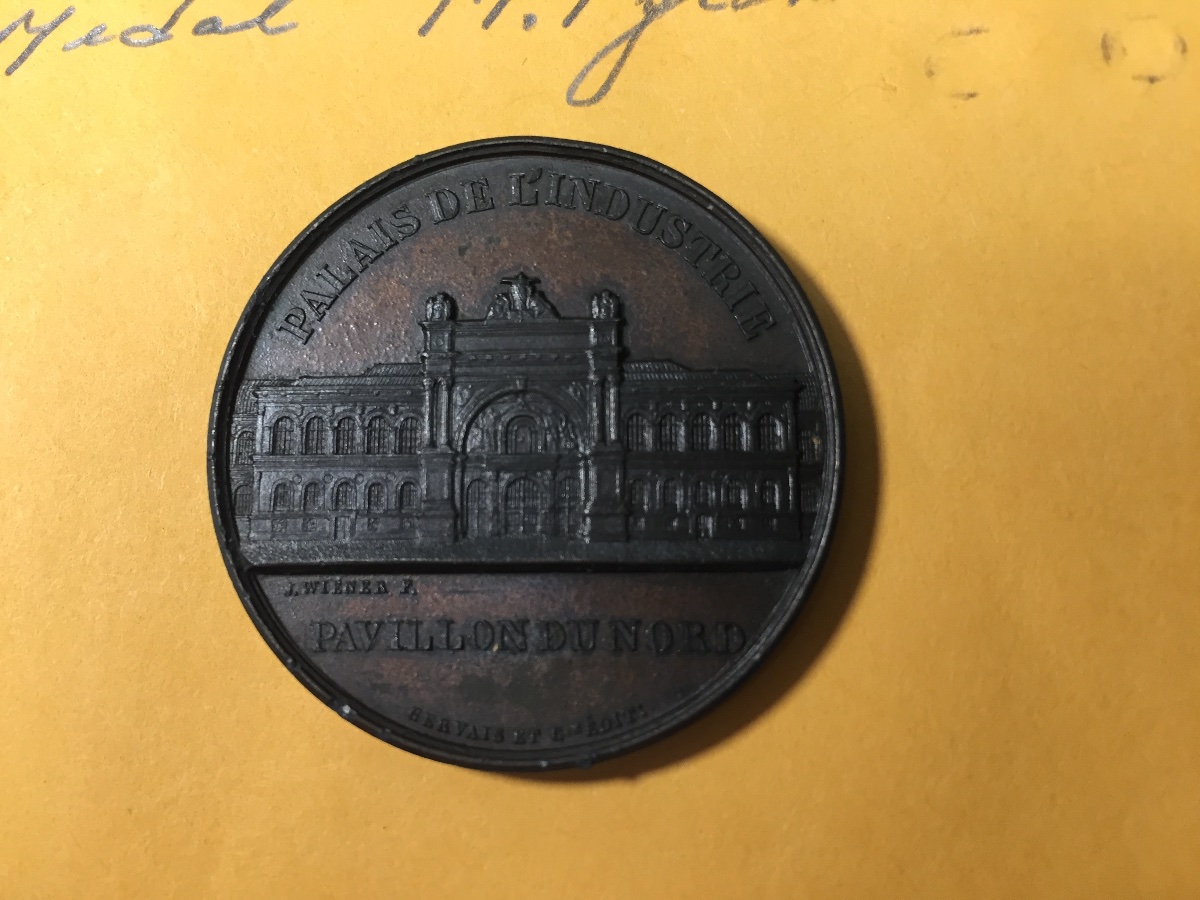 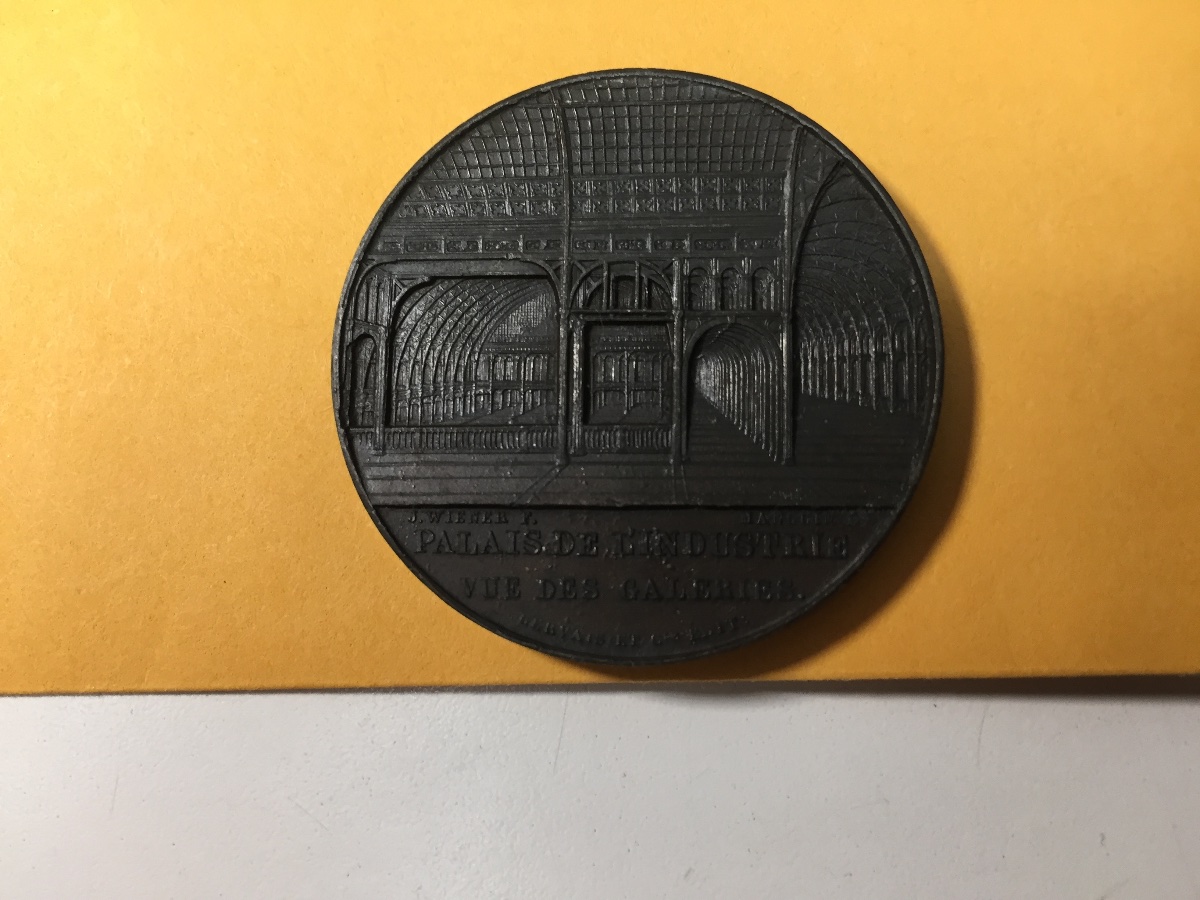 From a questionable collectible to Uncirculated. However if anyone wants to send me another post-1500 piece contact me privately. I will view the piece (photos) and determine its possibility. Here is my general method: 1. Try the EAC Freon TF developed cleaner first. 2. Determine if soiled particles will leave hairlines - if so Magnasonic with DI water. Currently will see how EDTA a pH neutral metal chelating agent works in small quantitative adds to DI water (if necessary). 3. Use Sulfur 8 or send coin back in a coin flip exposed to atmospheric sulfur. Sulfur 8 is sulfur/petrolem jelly/mineral oil mixture. From a $25 Medal to a $200+ Medal. John Lorenzo Numismatist United States P.S. Recall I have done alot of alloy XRF analyses in my two books with Gurney (8 Reales) and Forgotten Coins. Amazon |
|
Pillar of the Community
United States
3342 Posts |
Great results! I'm impressed at the improvement and your technique holds promise for a couple of old SCDs that I have. Thanks for taking us through the process.
"Nummi rari mira sunt, si sumptus ferre potes." - Christophorus filius Scotiae
|
|
Pillar of the Community
United States
1758 Posts |
There is a new chemical EDTA a metal chelating agent. In my younger days I used it in R&D Industrial Water Base cleaning product formulations for product development at 0.1% or so - it can be corrosive to copper at higher levels. Not sure what that % is in this ultrasonic mode at various time durations at room temperature. Its being used with some other conservation services so will experiment. One problem surface compound I would like to TACKLE/CONQUER? is silver oxide - again a light surface build-up as we must remember once we can view or qualify that the corrosion has got into the surface so its visible at 5X then all bets are off as the coin can be considered damaged after TPG'ing review. JPL |
| |
Replies: 12 / Views: 3,969 |
|










 Posted 12/08/2020 10:14 am


