| Author |
 Replies: 11 / Views: 1,042 Replies: 11 / Views: 1,042 |
|
|
Valued Member
United States
121 Posts |
I have a 1956 D with lines across the reverse I think it is a woody and you can see some striations on the obverse sorry for my horrible pictures. Opinions? Thanks for the assistance everyone. 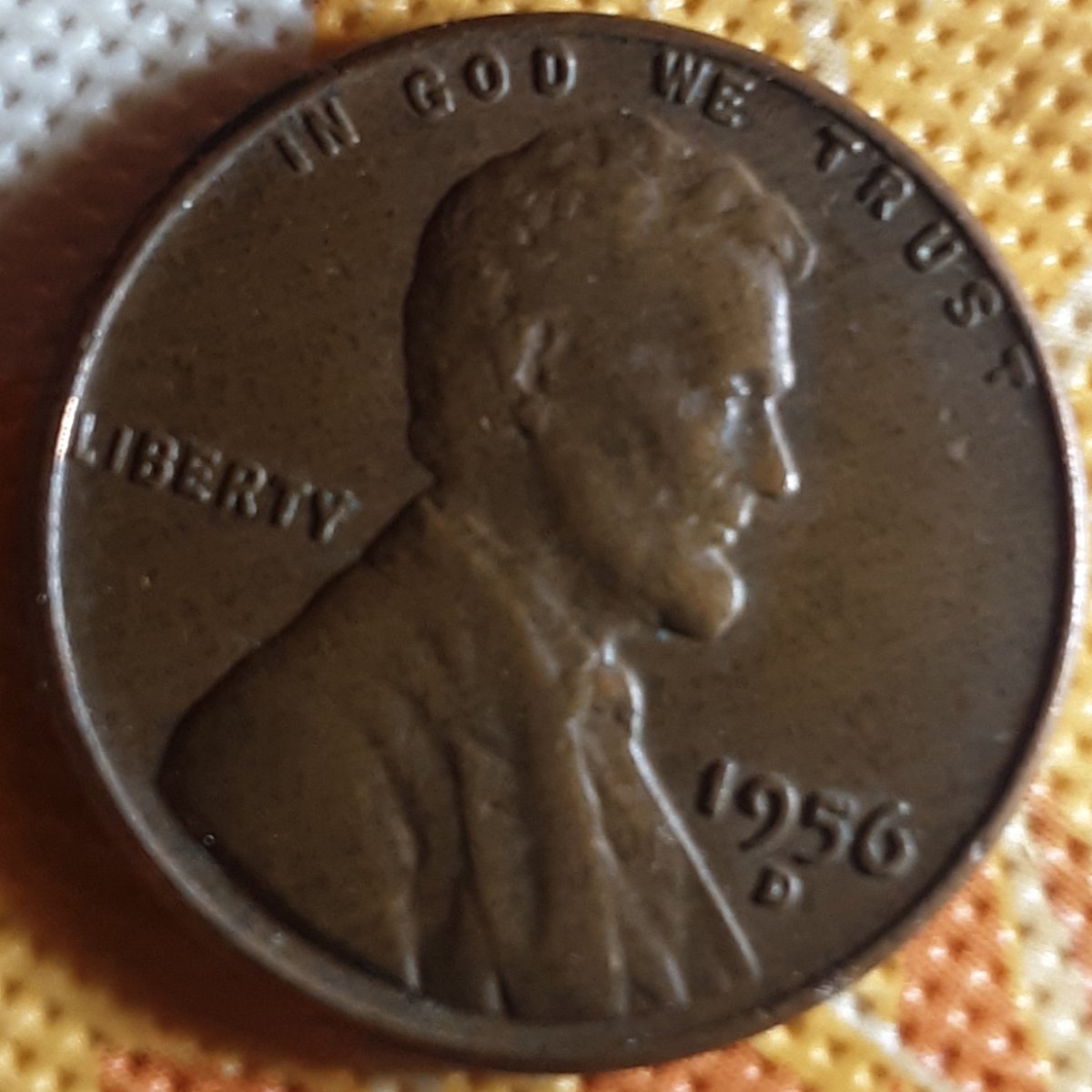 |
|
|
|
Bedrock of the Community
United States
94367 Posts |
Reverse pic please.  to the CCF! |
|
Valued Member
 United States
121 Posts |
Ahh my bad I thought I uploaded one of each side here is the reverse. 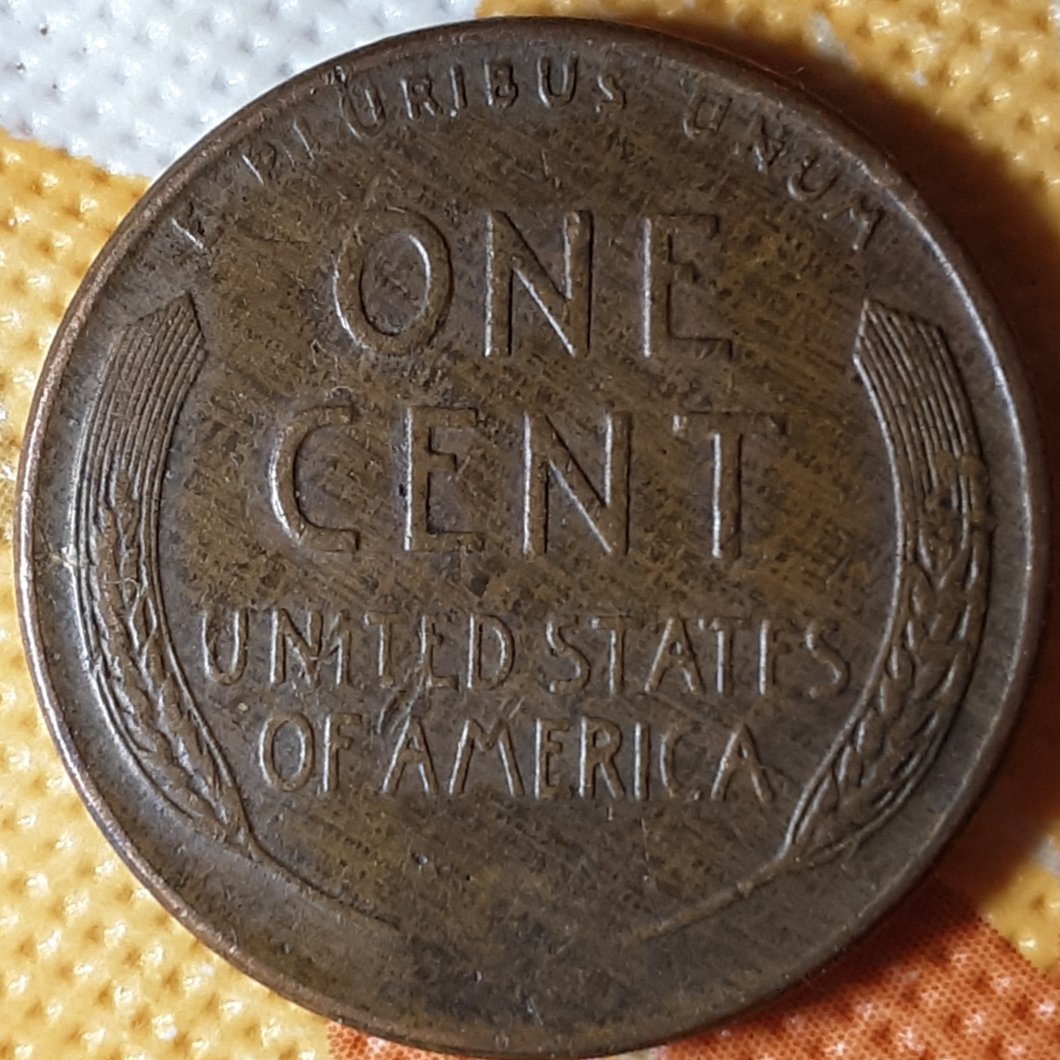 |
|
Pillar of the Community
United States
1590 Posts |
Some people think those are roller lines.
However; because those lines are of different widths and are broken in spots I tend to think it is a woody. In this case I think these are copper/tin alloy inclusions. WE do get somewhat parallel lines in traditional woodies.
San Francisco which produced it's own planchets produced the most commonly accepted woodies, to a greater degree than the other mints did; from the late 40s forward.
Starting sometime around 1953 you see less traditional woodies from Denver and Philly, and start to see these more commonly.
I personally think it is a woody and even accept the "roller lines". Strangely you don't see the roller lines on the zinc Lincolns. Even though the planchets should have been plated before the rollers had their go at them.
I've had some good comments about roller lines. I did not know, for instance that the planchets were plated after being rolled. That makes sense now that I really think about it.
However; so called roller lines being from grease or dirt does not make any sense to me. I'm a retired Engineer. I've worked in factories where we rolled stock to the proper thickness and I have never seen this effect. I have seen grease on a rolling mill. It just does not look like this. At those pressures the grease just does not transfer to the metal in that way. If dirt gets caught on the rollers then it imprints but I have no idea why it would consistantly, and only, show up as parallel lines. That makes no sense. It is not like the rolls have a series of parallel lines on them. The goal is to produce a flat surface. It makes no sense what so ever.
Edited by jmkendall
12/14/2020 3:47 pm
|
|
Bedrock of the Community
United States
94367 Posts |
Definitely a woody, and the perfect example to those who say that a woody alloy flaw must show on both sides.  to the CCF! Edited by Coinfrog
12/13/2020 9:26 pm
|
|
Pillar of the Community
2145 Posts |
Quote:
I personally think it is a woody and even accept the "roller lines". Strangely you don't see the roller lines on the zinc Lincolns. Even though the planchets should have been plated before the rollers had their go at them. That's because the roller lines come from dirt/grease on the rollers used to roll out the coin metal sheets to correct thickness before the blanks were punched out, then were transferred to the upset mills to become planchets. |
|
Pillar of the Community
 United States
5720 Posts |
Definitely a woodie, and you can see a hint of the same striations on the obverse running in the correct direction.
|
|
Pillar of the Community
United States
3281 Posts |
|
|
Pillar of the Community
United States
1427 Posts |
|
|
Bedrock of the Community
United States
10635 Posts |
Nice true woodie |
|
Bedrock of the Community
United States
12477 Posts |
Quote:
Strangely you don't see the roller lines on the zinc Lincolns. Even though the planchets should have been plated before the rollers had their go at them. Zinc cent blanks are plated after they are punched which, in turn, would be after the stock is rolled to proper thickness. In Memory of Crazyb0 12-26-1951 to 7-27-2020
In Memory of Tootallious 3-31-1964 to 4-15-2020
In Memory of T-BOP 10-12-1949 to 1-19-2024
|
|
Bedrock of the Community
United States
62064 Posts |
Actually they are plated after they were blanks, then after the setup process that adds the Proto Rim. Then plated. Then sent to the mint to be struck. How do we know they are plated before striking? Because of seeing the split plating, after they are struck. The zinc planchets are made by an outside source and sent to the mint to be struck.
|
| |
Replies: 11 / Views: 1,042 |
|







 Posted 12/13/2020 8:35 pm





