| Author |
 Replies: 12 / Views: 1,213 Replies: 12 / Views: 1,213 |
|
|
Valued Member
Trinidad And Tobago
490 Posts |
I'm thinking 1982-P 25¢ WMDO-001 Share your views with me. Under Daylight 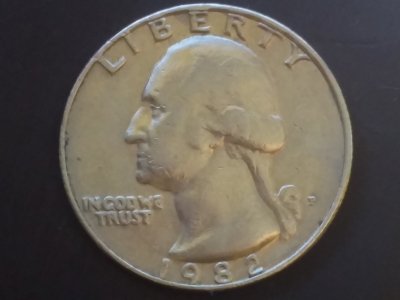 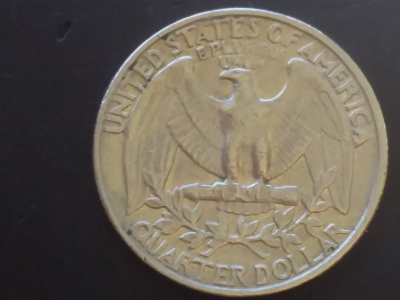 Under Home Light 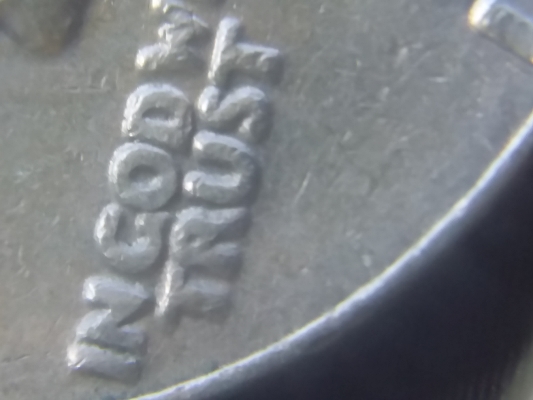 Under Flash 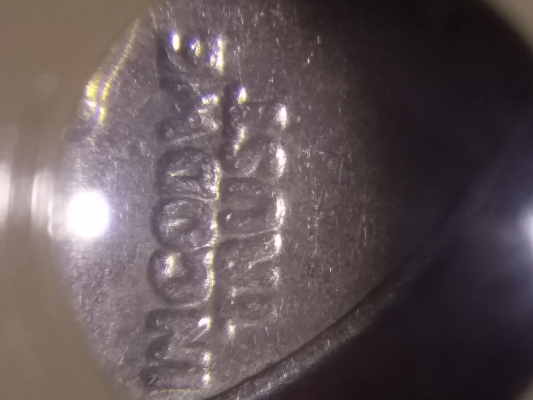 Edited by ikuna
01/03/2021 1:08 pm
|
|
|
|
Valued Member
 Trinidad And Tobago
490 Posts |
I know what you guys thinking. Here he goes again imagining things. I ordered a better camera specifically for coin identification and a new scale. So I would be better equipped in the future to make better assessments. That being said , I am so hurt when you guys give up on me. Patience is a gift from God, be nice and respond knowing that your patience brings virtue.
|
|
Pillar of the Community
United States
1427 Posts |
We don't give up on you. We try our best to help, and then we move on. We have to help a lot of people on the daily. So we can't spend all our time on one post.
Sincerely,
TCD
|
|
Valued Member
Trinidad And Tobago
490 Posts |
|
|
Bedrock of the Community
United States
62064 Posts |
Just a well placed hit on those devices. The master hub hub was swelling that year, that is why the devices look larger than normal. But they all looked like that, that year. A new master hub was created the next year. When you look at the two years, you can see how the devices looked larger that year. 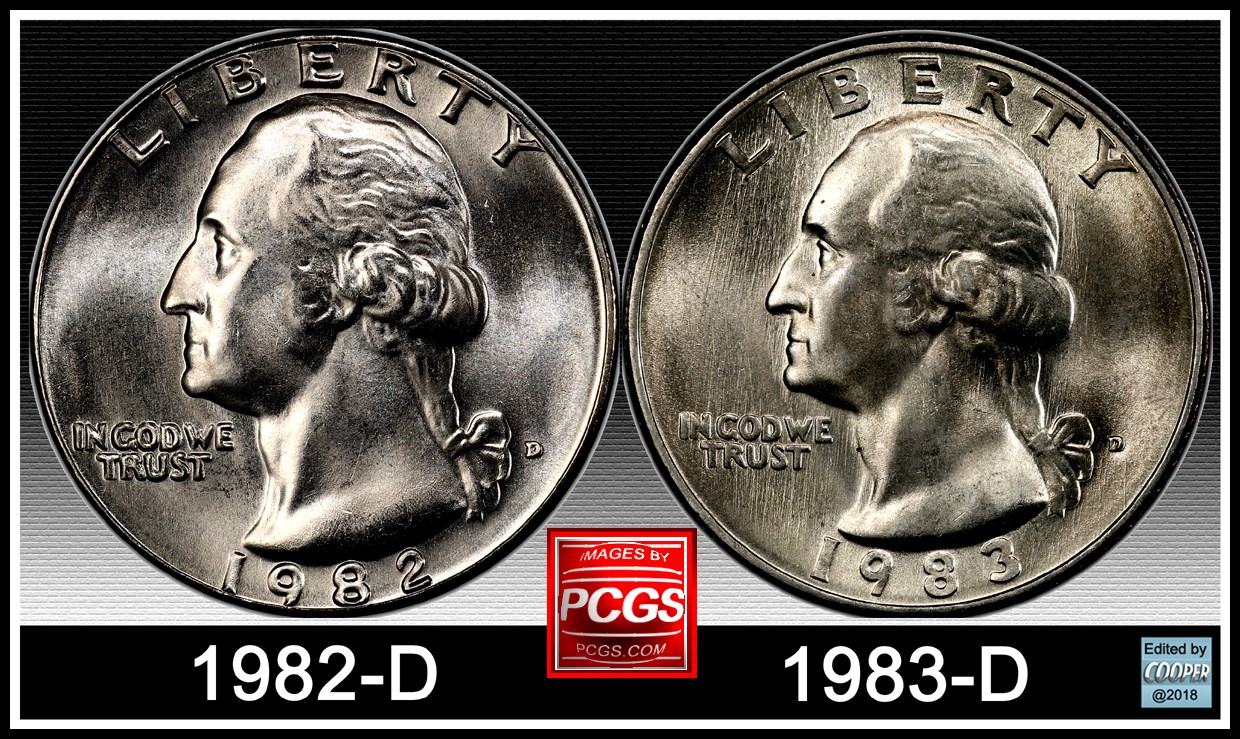 Note how much larger the devices are on the 1982 compared with the 1983 design. Even the head is larger. |
|
Valued Member
Trinidad And Tobago
490 Posts |
|
|
Valued Member
Trinidad And Tobago
490 Posts |
I got my equipment yesterday. 1. New Camera 2. New Scale Let's talk now. Here I have compared my 1982P that I am claiming is a DD with the 1982 D. Tell me your thoughts now. 1982D (No DD) 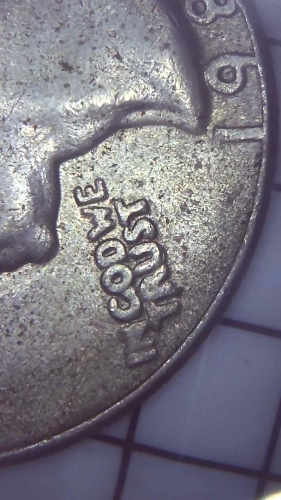 1982P Which I am claiming is the DD 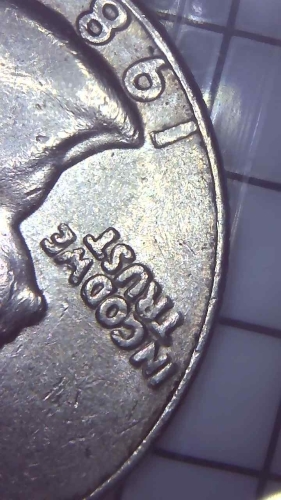 |
|
Pillar of the Community
 United States
5898 Posts |
Nice images but all of dies from this year will have thickness on them since the thickness was on the master die. Wexler/DoubledDies says: " Comments: Since the doubling is on the master die all 1982-P, 1982-D, and 1982-S Washington quarters will have this doubling. Apparent differences from coin to coin may result due to working hub wear, working die wear, and wear to the coins." Coop did a great job of visually showing how the design was changed/improved the following year. Words of encouragement are one of the major food groups.
We need to consume them regularly to thrive and grow.
|
|
Valued Member
Trinidad And Tobago
490 Posts |
How can the DD be detected then? There must be a difference from the others.
My picture shows more thickness in the 1982P coin. I have others an none are quite that thick.
|
|
Pillar of the Community
United States
1427 Posts |
Typically DDs have split serifs, and if they don't, then it would be impossible on a coin that is circulated like yours, even if they were minor DDOs, they wouldn't command much premium, if any.
|
|
Pillar of the Community
United States
592 Posts |
Quote:"Comments: Since the doubling is on the master die all 1982-P, 1982-D, and 1982-S Washington quarters will have this doubling. Apparent differences from coin to coin may result due to working hub wear, working die wear, and wear to the coins." Quote:
How can the DD be detected then? You have correctly detected it. What PetesPocket is saying is that because the die that was doubled was a master die, all of the working hubs made from that master die will include the doubling and then all of the working dies (the ones that actually make the coins) made from those hubs will also include the doubling. Because the doubling is on virtually every coin made from that master die, it's value to collectors is very limited and that doubling is generally not included in lists of doubled coins. It's generally only coins that have had the doubling introduced on the working die that are of interest to the collectors, because of the limited numbers involved. The 1972 Lincoln Cent is another example of doubling that occurred on a master hub and that is not valued by collectors. There are 1972 doubled dies cents that are collected, but by some accounts as many as 50% of all 1972 cents show doubling from a doubled hub and thus are not worth anything. Distinguishing between the two types of doubling can be very tricky. As to the second part of your question, about differences between coins in the same year, these are due to die age and wear. The more a die was used, the more the devices get pushed out towards the edge of the coin and the more that part of the die breaks down, resulting in fatter, thicker letters. This kind of deterioration also happens first towards the rim, so the differences you're seeing are most likely evidence of the age of the dies. |
|
Valued Member
Trinidad And Tobago
490 Posts |
Thanks for the clarification.
|
|
Pillar of the Community
United States
3237 Posts |
WMDO = Wexler's listing for master die doubling. That means you can expect to see that doubling on at least a large fraction of all coins minted that year. E.g. the 1972 master die doubling appears on roughly half of all 1972 Lincoln cents.
|
| |
Replies: 12 / Views: 1,213 |
|







 Posted 01/04/2021 12:51 am





