| Author |
 Replies: 12 / Views: 1,485 Replies: 12 / Views: 1,485 |
|
|
New Member
United States
37 Posts |
How can you tell a wartime planchet from a copper zinc? I have a 43 p that doesn't quite look like my other War Nickels. Its low grade so I did a drop test and compared it to another coin. Although there is a high pitched ping, so did the non War Nickel although a third coin made a thud. Here's a pic of them along with other nickels to give you an idea of coloration. 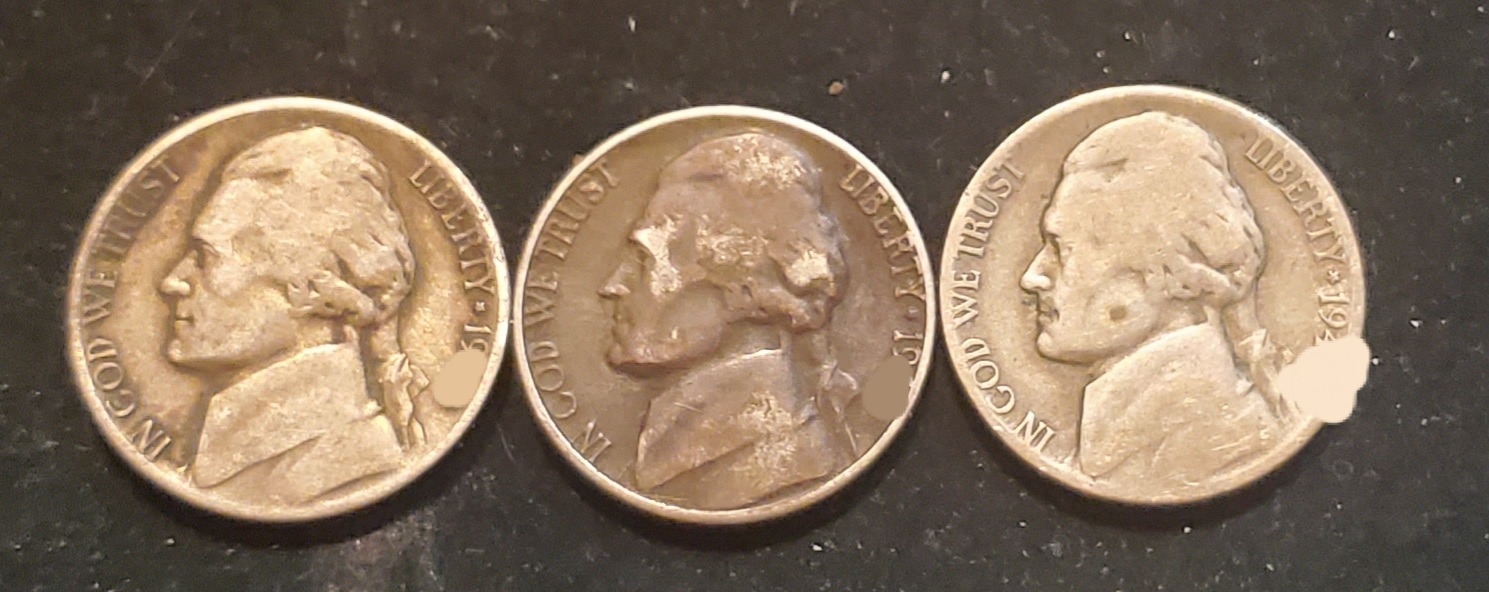 |
|
|
|
Moderator
 United States
56855 Posts |
Quote:
How can you tell a wartime planchet from a copper zinc? Never heard of a copper zinc nickel. You can tell the difference in metal composition by weight most times. John1  |
|
Pillar of the Community
United States
6871 Posts |
Why are the dates blocked out?
|
|
Moderator
United States
34553 Posts |
Yes knowing the weight of this pieces would help us to determine if you have an off-metal strike.
"If you climb a good tree, you get a push."
-----Ghanaian proverb
"The danger we all now face is distinguishing between what is authentic and what is performed."
-----King Adz
|
|
Bedrock of the Community
United States
10982 Posts |
There were no copper-zinc nickels, I think you mean copper-nickel.
You cannot judge the metallic composition of a coin by surface color/appearance. All 1943 nickels are 35% silver. A drop test or ring test on a 35% silver coin is not conclusive.
Assuming all three are 1943-P nickels, they are all 35% silver. The major element in "regular" nickels and "war" nickels" is copper which comprises well over half the total weight of either.
Edited by BH1964
01/06/2021 08:17 am
|
|
Bedrock of the Community
United States
94367 Posts |
The warnicks will have a large mint mark above Monticello! The others will not.   to the CCF! |
|
Pillar of the Community
United States
3207 Posts |
The planchets can be distinguished by color, or more precisely by optical metal testing. In your photo I'd say the center nickel is standard alloy, the left wartime composition, and the one of the right is a tougher call, but I'll say standard alloy.
|
|
New Member
 United States
37 Posts |
My bad I did mean copper nickel. It was late when I posted. 2 weigh 4.85 the other 5.1. @nick the center is 64 d, left is 43 d, right 43 p. The 64 made the same sound as the silver ones. Another 64 made a flat sound. I blocked out dates and mint marks to take the power of suggestion out while looking at color.
|
|
New Member
United States
37 Posts |
Sorry, meant to clarify , 43d weighs 4.83, 64 is 4.85 and 43p is 5.12
|
|
New Member
United States
37 Posts |
What is the tolerance for nickels? Ive found one @4.7 but another at 5.2.
|
|
Pillar of the Community
2145 Posts |
Quote:
The 64 made the same sound as the silver ones Does the "sound" test apply to 35% silver nickels or just coins that are 90% ? |
|
Pillar of the Community
United States
7394 Posts |
You usually tell by color on Mint State Examples, but circulated can be hard due to toning or corrosion or environmental damage. Here is Silver 5 cents, also notice the large P on the reverse. 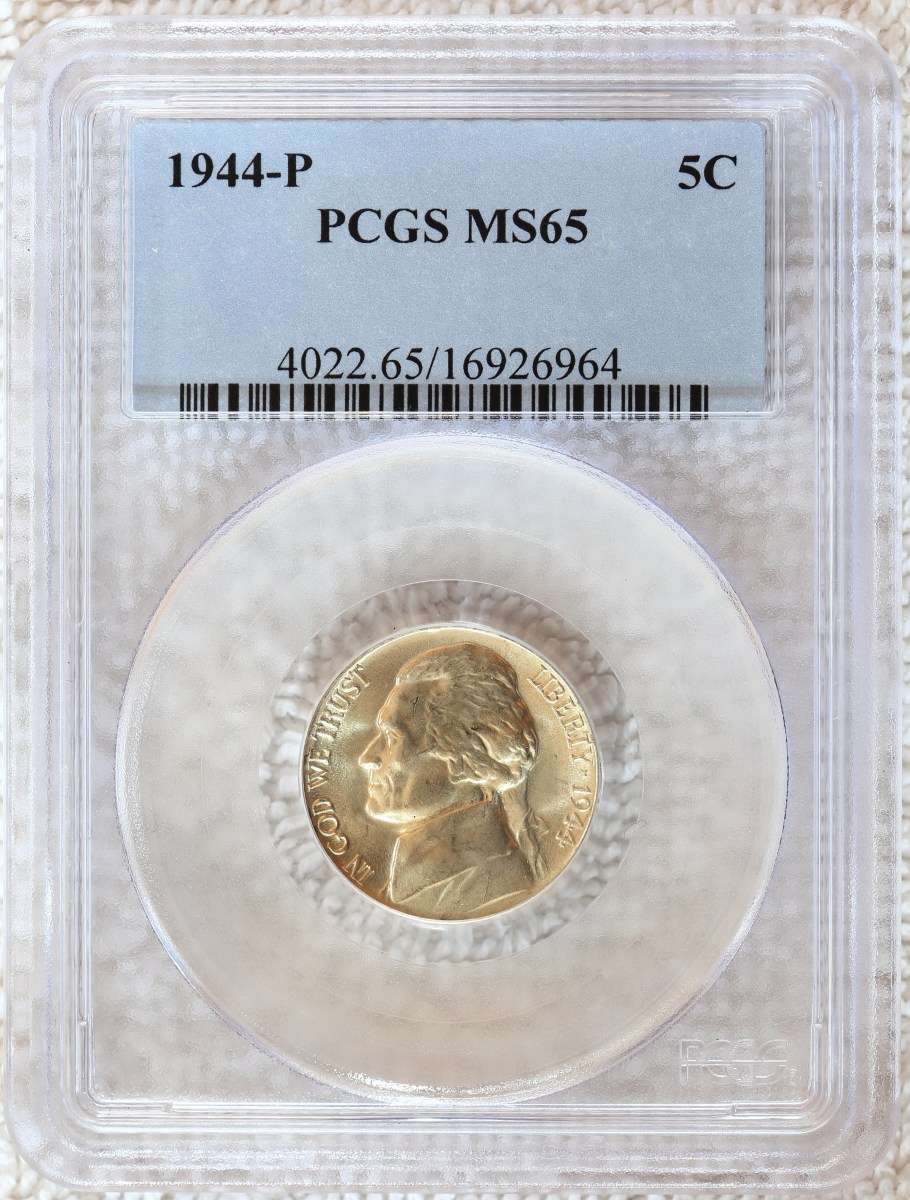 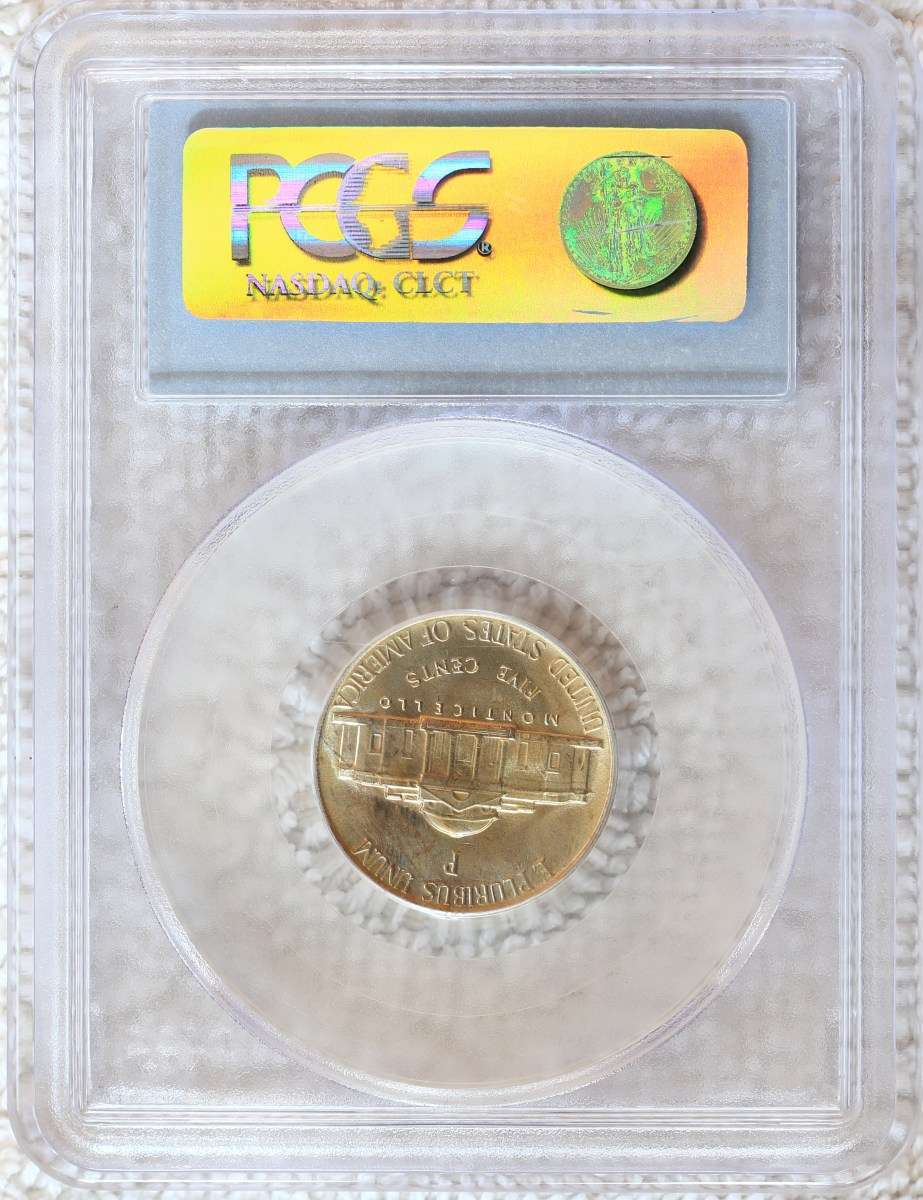 Here is a Cooper/Nickel 5 cents, no P on reverse. 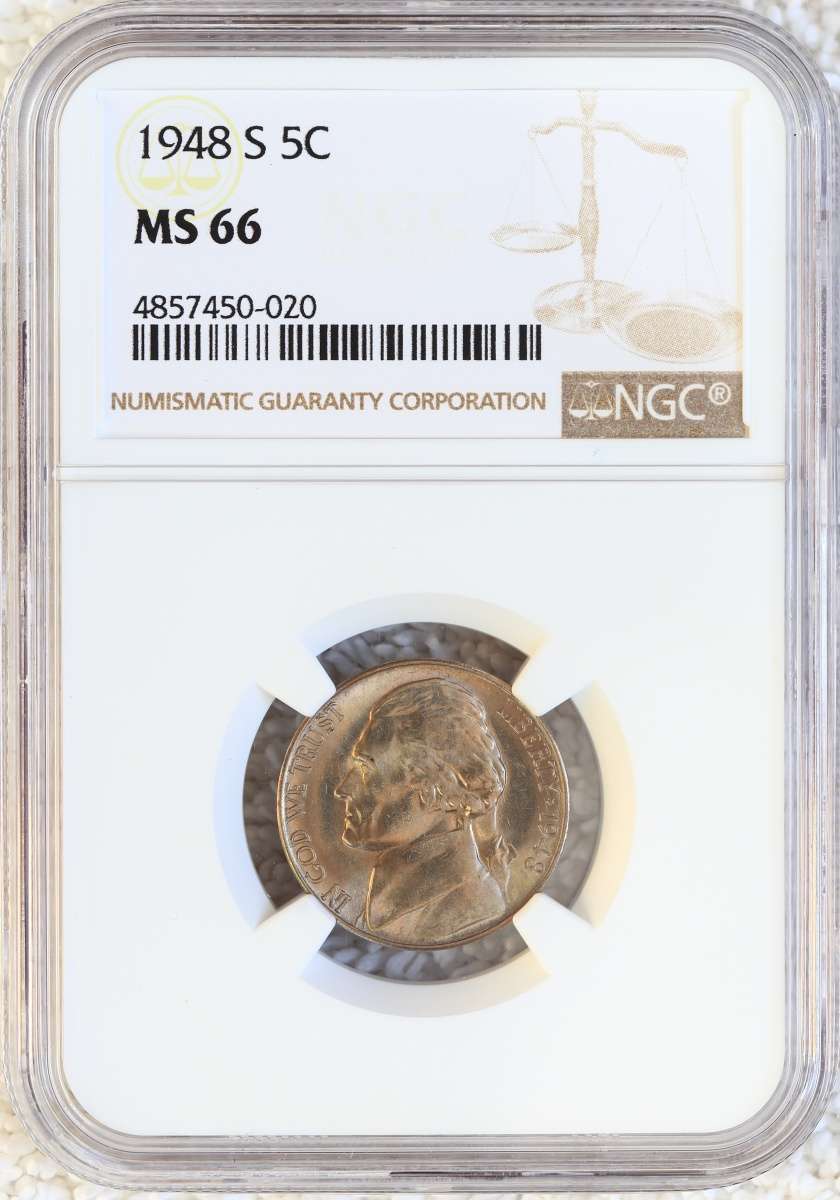 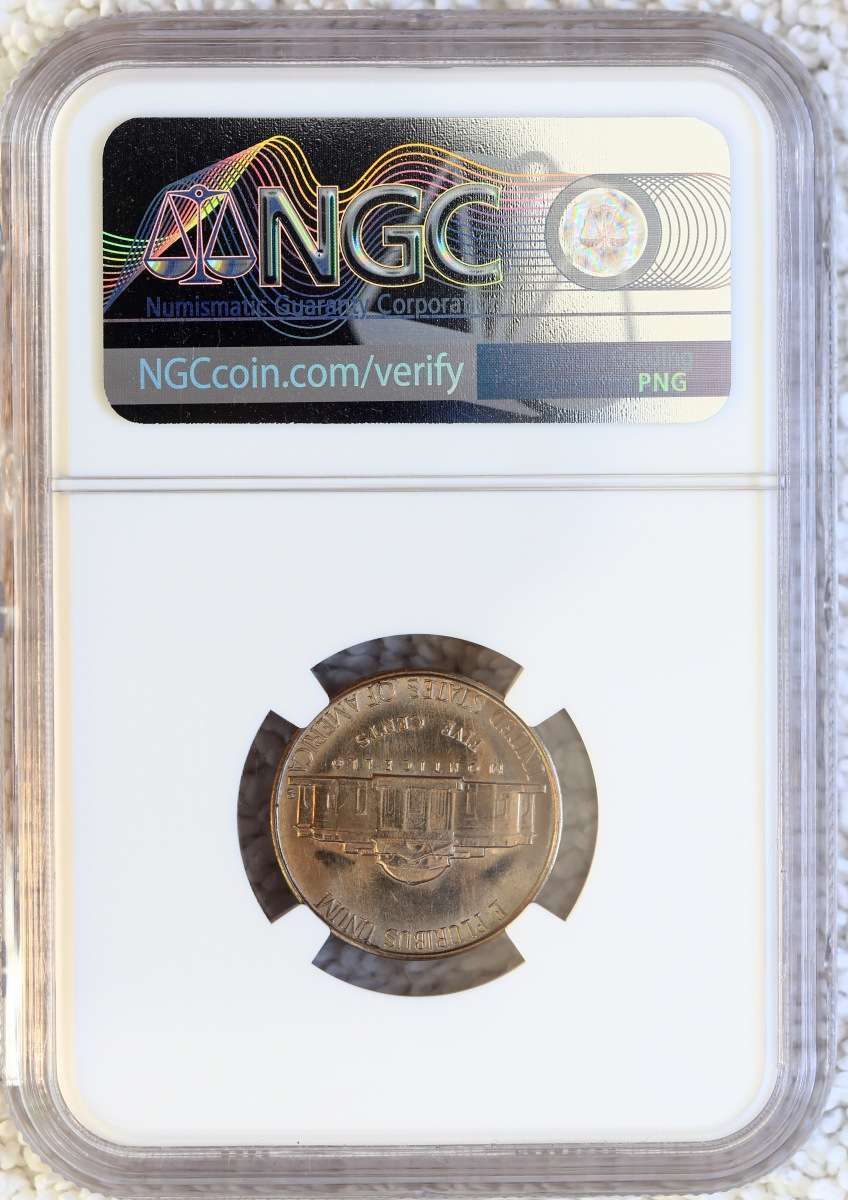 |
|
Bedrock of the Community
United States
62064 Posts |
A large mintmark over the dome is the clue for the "War Nickels."
|
| |
Replies: 12 / Views: 1,485 |
|










 Posted 01/06/2021 04:14 am


