| Author |
 Replies: 8 / Views: 1,356 Replies: 8 / Views: 1,356 |
|
|
Pillar of the Community
United States
4883 Posts |
Colligo ergo sum
|
|
|
|
Pillar of the Community
 United States
2843 Posts |
|
|
Valued Member
404 Posts |
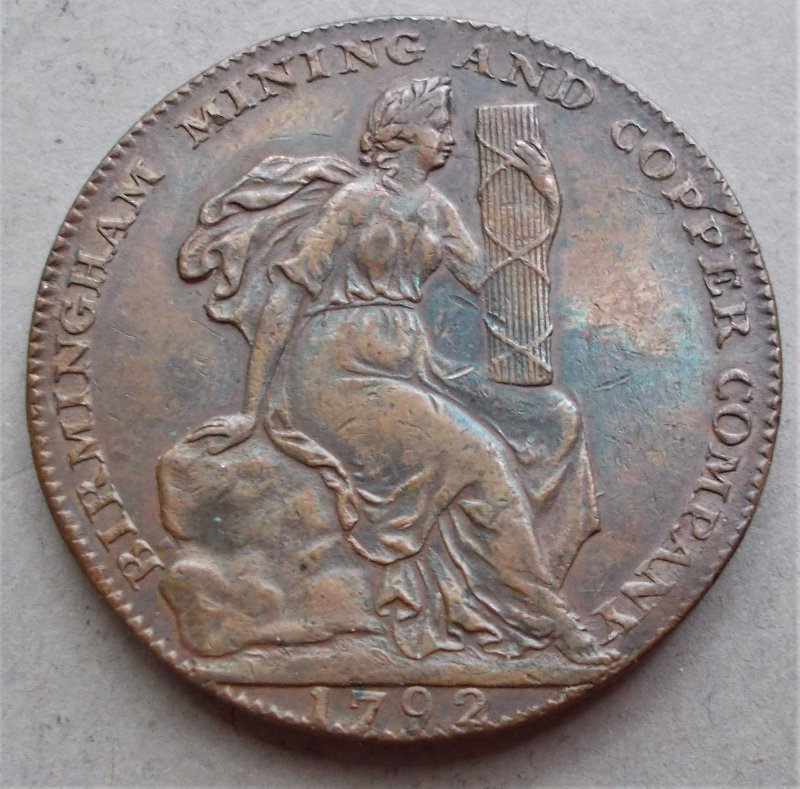
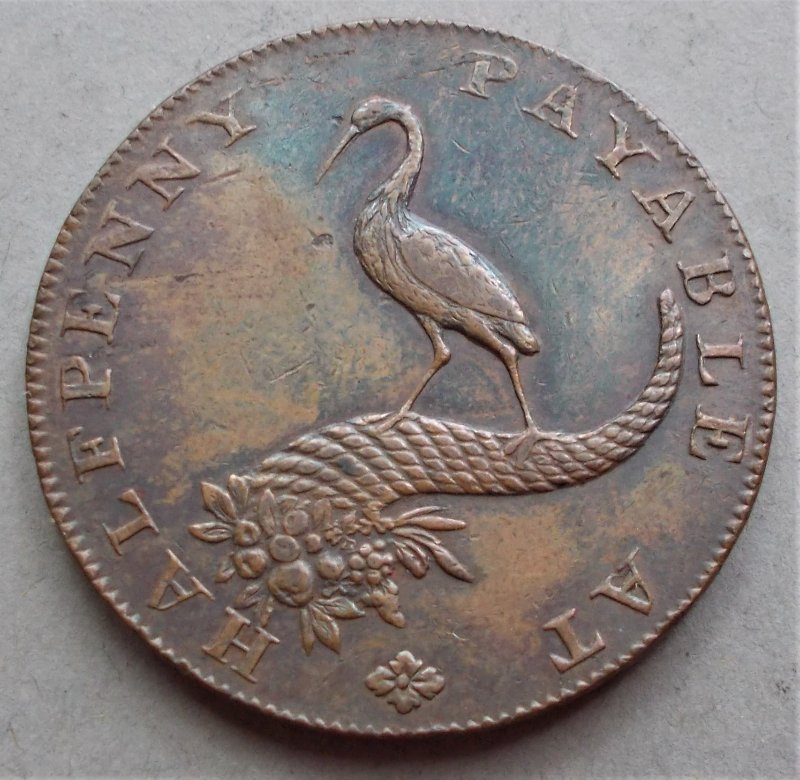
Much better than average - these were a genuine 'workhorse' issue, so not common in this grade. The cornucopia symbolizes plenty, and the Stork symbolizes fertility (possibly of the soil in this instance, as perched on the symbol of plenty). The obverse characterization is likely an 'Anglicized' version of liberty, as a seated female approximating Britannia is holding a fascis (without axe, which was optional) symbolizing juridical power.
|
|
Pillar of the Community
2145 Posts |
|
|
Pillar of the Community
 United States
4883 Posts |
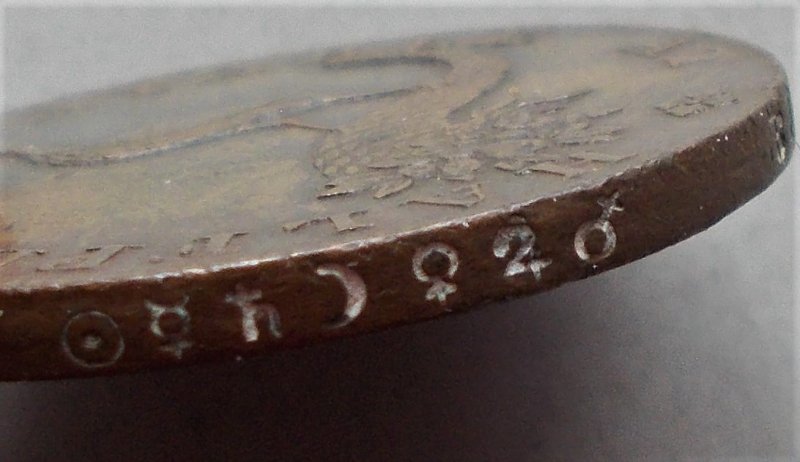
Here's a second example of this type I have, just a bit more used than the first (mostly evidenced by the greater degree of abrasion to the stork). This one has a die crack running across the whole diameter of the its obverse, from the "N" in "AND" all the way down to the "1" in the date. The edge reads, "Payable in Lancaster London or Bristol". 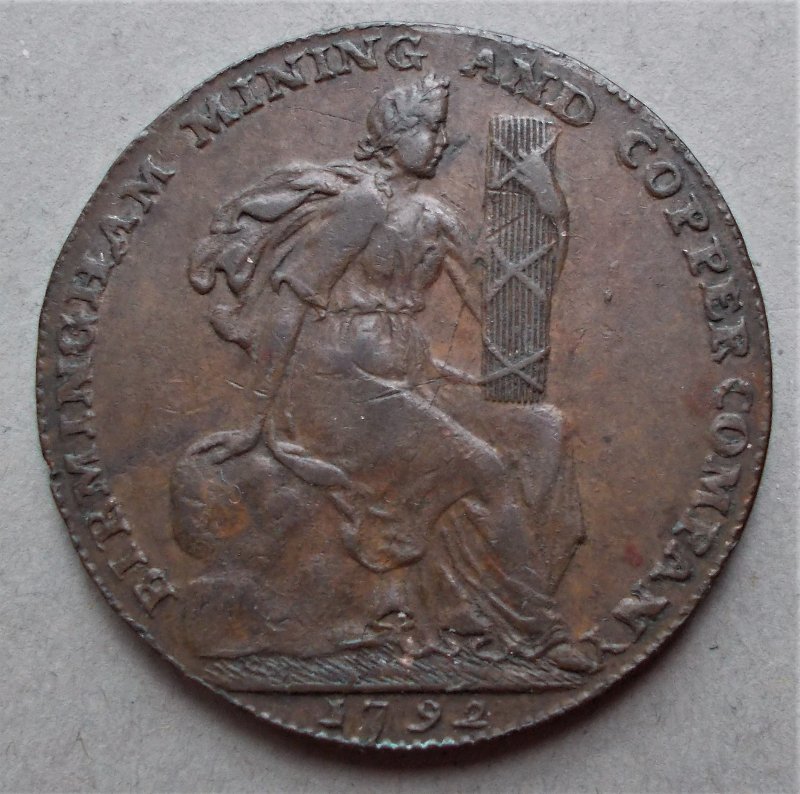 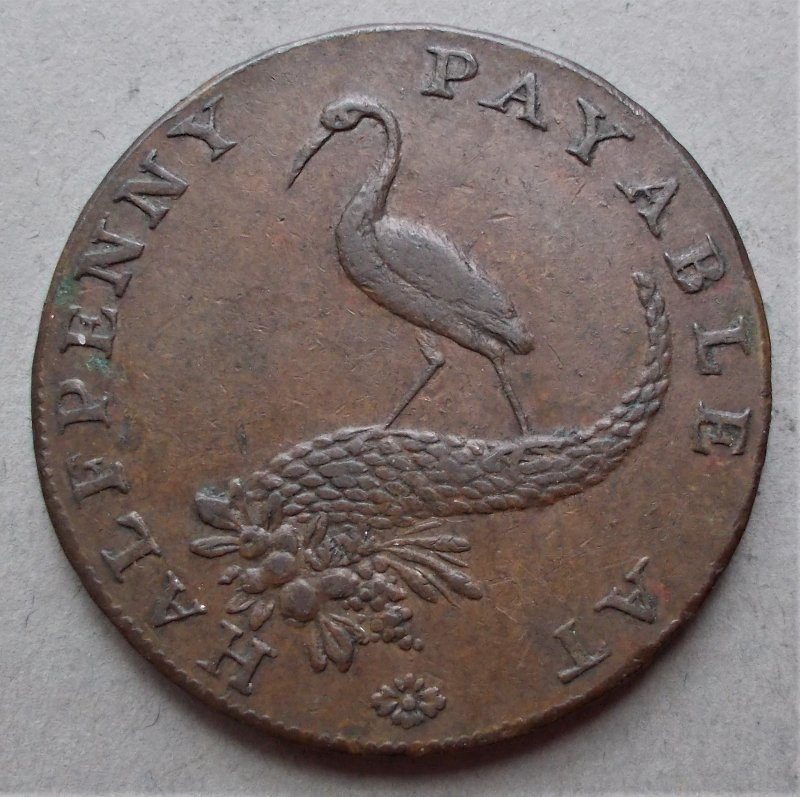 Colligo ergo sum
|
|
Moderator
 United States
198004 Posts |
Nice examples!  |
|
Pillar of the Community
Russian Federation
5186 Posts |
Quote:
plus a series of symbols for which I am ignorant as regards to their significance or meaning Not 100% confident, but I think they're the astrological signs for the seven classical planets (Sun, Moon, Mercury, Mars, Jupiter, Venus, Saturn - not in this order, but I don't recall the signs well enough offhand to tell the actual order). |
|
Pillar of the Community
United States
4883 Posts |
Quote:
... I think they're the astrological signs for the seven classical planets... Yep, that's it. Leaves open the question of why they'd be included on the edge. 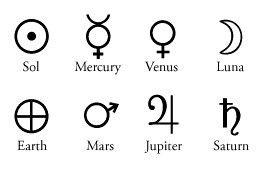 Colligo ergo sum
|
|
Valued Member
404 Posts |
Sorry, misread the initial comment, I thought it was the symbolism of the devices you were uncertain of. Yes, they are astrological symbols - at this time, astrology was still considered a science akin to astronomy, and the symbols remained associated with Aristotelian balance (much like the concept of humors in the circulatory system). Their presence is likely an invocation of balance and stability.
|
| |
Replies: 8 / Views: 1,356 |
|









 Posted 01/19/2021 2:39 pm


