| Author |
 Replies: 14 / Views: 1,780 Replies: 14 / Views: 1,780 |
|
|
Valued Member
United States
484 Posts |
I found this today and figured I would ask someone about certain details that I have found on a few other coins. 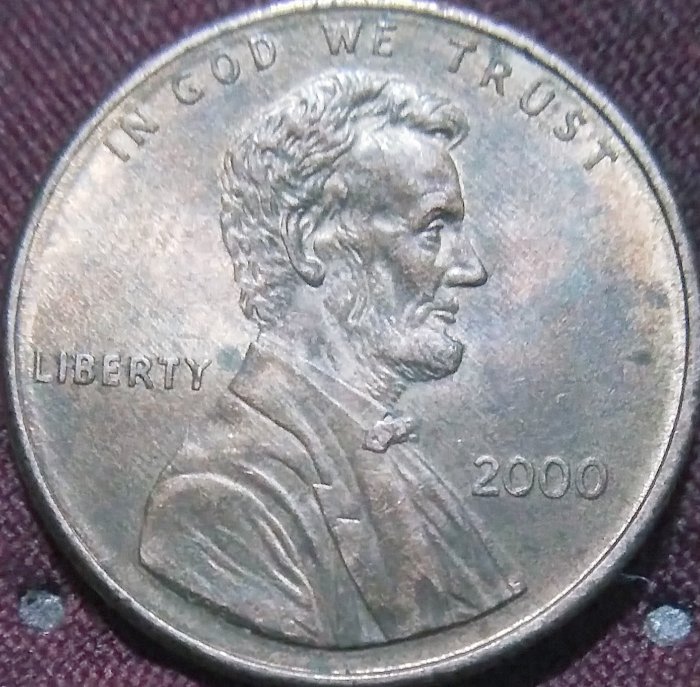 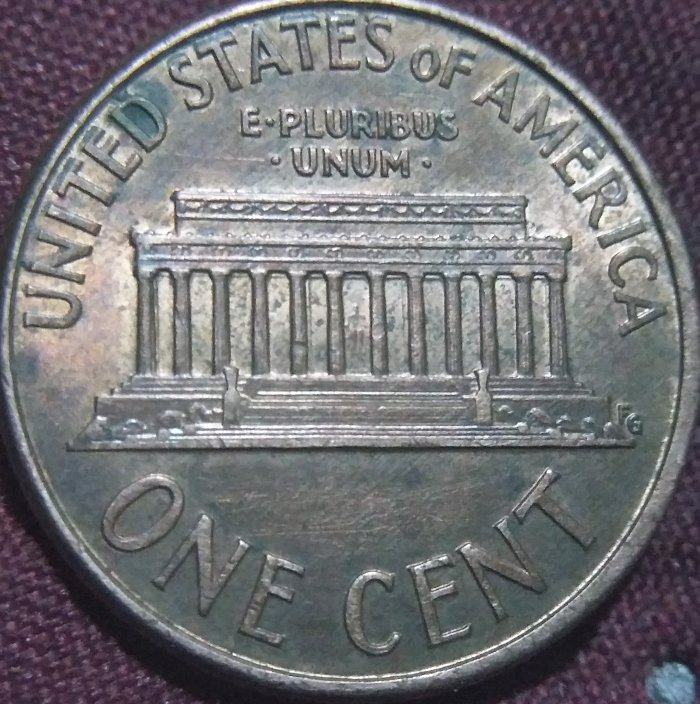 On the obverse I have noticed that almost half of the cent that I find from 2000 Lincoln looks like he is puckering for a kiss, is that a normal thing? 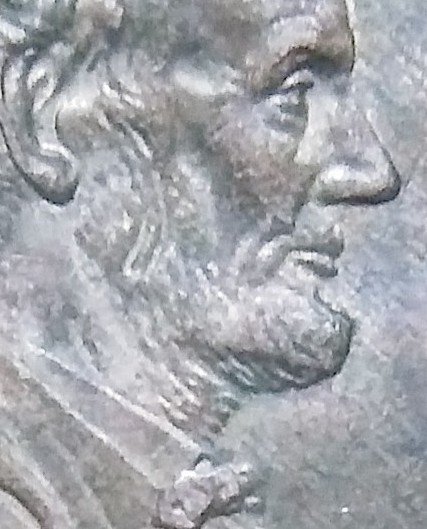 On the reverse there are marks above some of the letters of United States what is it from? I have seen it on other coins but not many. Mostly ones that have slightly tilted hubs. 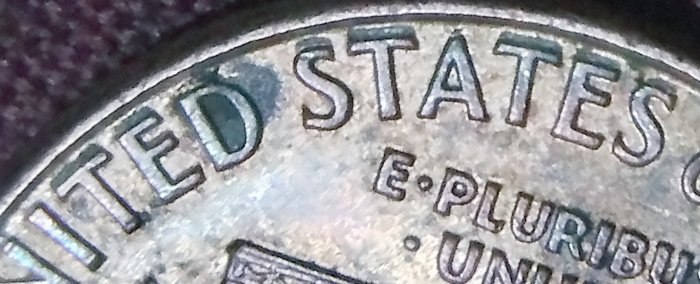 |
|
|
|
Valued Member
United States
255 Posts |
The spots on the reverse look like split plating to me.
|
|
Bedrock of the Community
United States
10635 Posts |
Split plating issues and some unknown staining.  |
|
Moderator
 United States
56855 Posts |
The lip thing is normal design for that year (i think) and above the letters is split copper plating. John1  |
|
Pillar of the Community
United States
4135 Posts |
|
|
Pillar of the Community
2145 Posts |
 Getting harder to find the 2000 WAM in the wild. |
|
Valued Member
 United States
484 Posts |
Thanks for your help. I appreciate it. What causes the split plating like that?
|
|
Moderator
United States
56855 Posts |
|
|
Bedrock of the Community
United States
62064 Posts |
I feel it is caused by Machine Doubling during/after the strike. This exposes the zinc and ruins any value for the coin as it is already zinc rotting its life away. If buying a variety coin, make sure there is not split plating as it will go down hill in your collection as it ages. 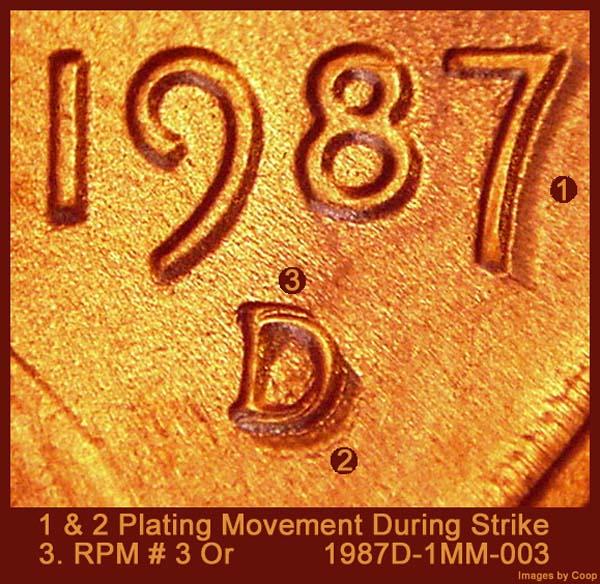 Note the "Plating movement" on the image comment? That was what it was called then. Knowledge came to me too late for purchasing coins with this issue. (Now you know) |
|
Valued Member
United States
484 Posts |
Well luckily enough I did not purchase this this coin. Simply found it looking through some old change I hadn't looked through yet. But it's definitely good to know I appreciate it. I have seen it on other coins as well but couldn't figure it out.
|
|
Pillar of the Community
United States
5240 Posts |
The puckered lips is part of the design. This particular obverse was used for only the year 2000.
|
|
Valued Member
United States
484 Posts |
I suppose stranger things have happened. Thank you everyone for your responses
|
|
Valued Member
United States
356 Posts |
Great 2000 WAM find! I have often wondered why zinc cents typically display more amounts of split plating on the reverse letters between them, and the rim, more so than on the obverse. Split plating is usually, more often than not, seen on the reverse above UNITED STATES OF AMERICA in my observations. I have also seen it on the obverse but not as often as the reverse as described (strictly speaking about modern zinc LMC's). So... I propose this theory and this is nothing I have ever read or come across. I may be completely off base but here it goes............  As we know, zinc core cents are coated with a thin layer of copper and the striking process obviously exhibits a tremendous amount of pressure on the planchet. The reverse devices/letters, namely UNITED STATES OF AMERICA, are much more closely spaced (and more of them meaning letters) and seem to be positioned closer to the rim than those letters on the obverse. As a result, the extensive pressure created during the strike to form the raised rim and also the letters on the reverse, closest to the rim, create metal fatigue. This process further thins or spreads the already thin copper coating of the planchet in this area. As a result, I believe this leads to the exposure of the zinc core thus leading to split plating above the letters and between the rim. I'm absolutely no expert but this is just my humble opinion. There's a lot more going on in my head  about this topic but I tried to keep it as simple as possible. . Edited by Scuba1
01/31/2021 12:58 am
|
|
Valued Member
United States
356 Posts |
One more thing, sorry....... I meant to add that typically you see more split plating above the letters T, E and S. I feel this is because these letters exhibit more surface area above them, and between the rim of the coin, which may be a plausible explanation as to why there is more metal fatigue of the thin copper plating during the strike. I have not seen nearly as much split plating above any other letters such as A, M, I, etc. because they have much smaller "footprints" in relation to the rim which could result in less fatigue. Thanks.
|
|
Valued Member
United States
484 Posts |
Well that seems to make sense to me and your theory was very well explained thank you.
You never have to worry about too much explanation with me because the more the merrier.
I have been told before that if it doesn't make sense it's usually not true and your explanation makes complete sense to me.
I thank you all very much for your assistance on this. It is something I've been wondering for a while and just never asked about it until now.
I like to learn and I enjoy it when people are willing to teach. Even if we are not 100% positive on this subject I'm about 99% sure that's the correct answer to this mind numbing issue.
|
| |
Replies: 14 / Views: 1,780 |
|







 Posted 01/29/2021 04:35 am





