| Author |
 Replies: 8 / Views: 2,115 Replies: 8 / Views: 2,115 |
|
|
Valued Member
United States
63 Posts |
|
|
|
|
Pillar of the Community
 United States
8042 Posts |
|
|
Pillar of the Community
Czech Republic
803 Posts |
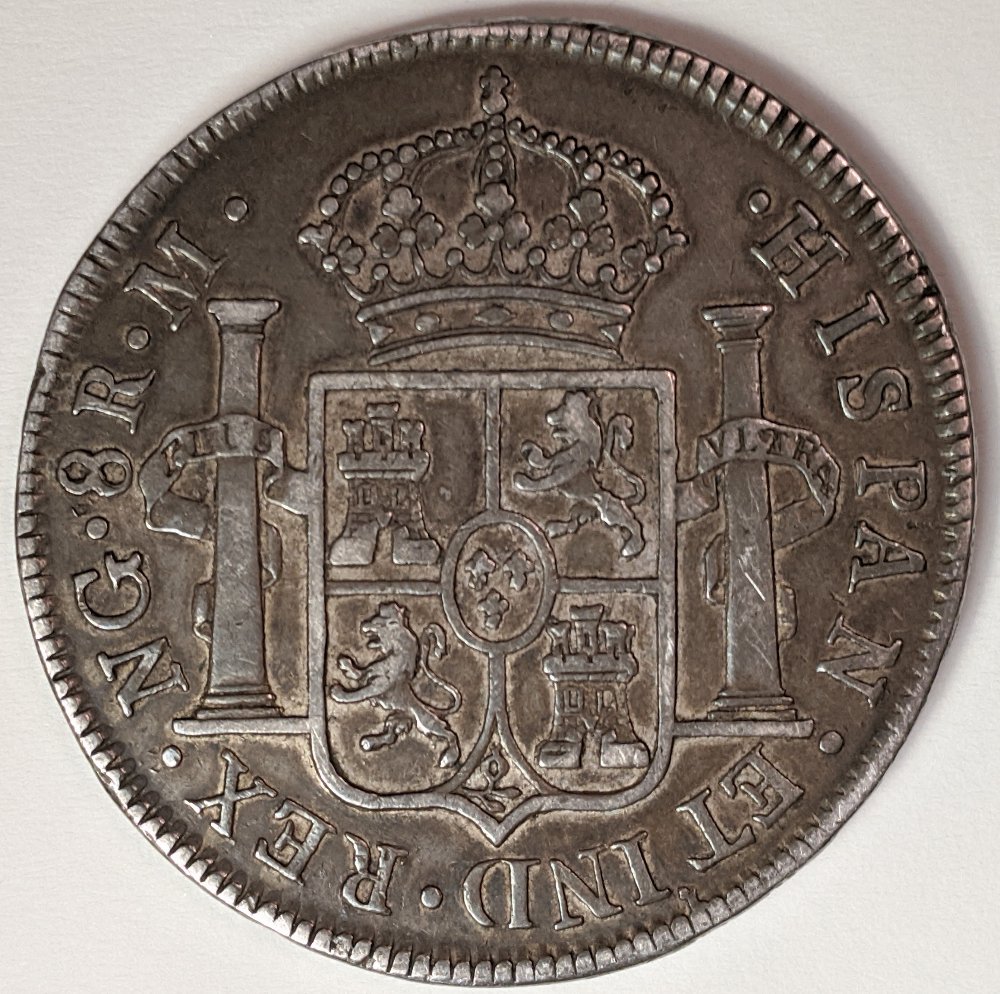
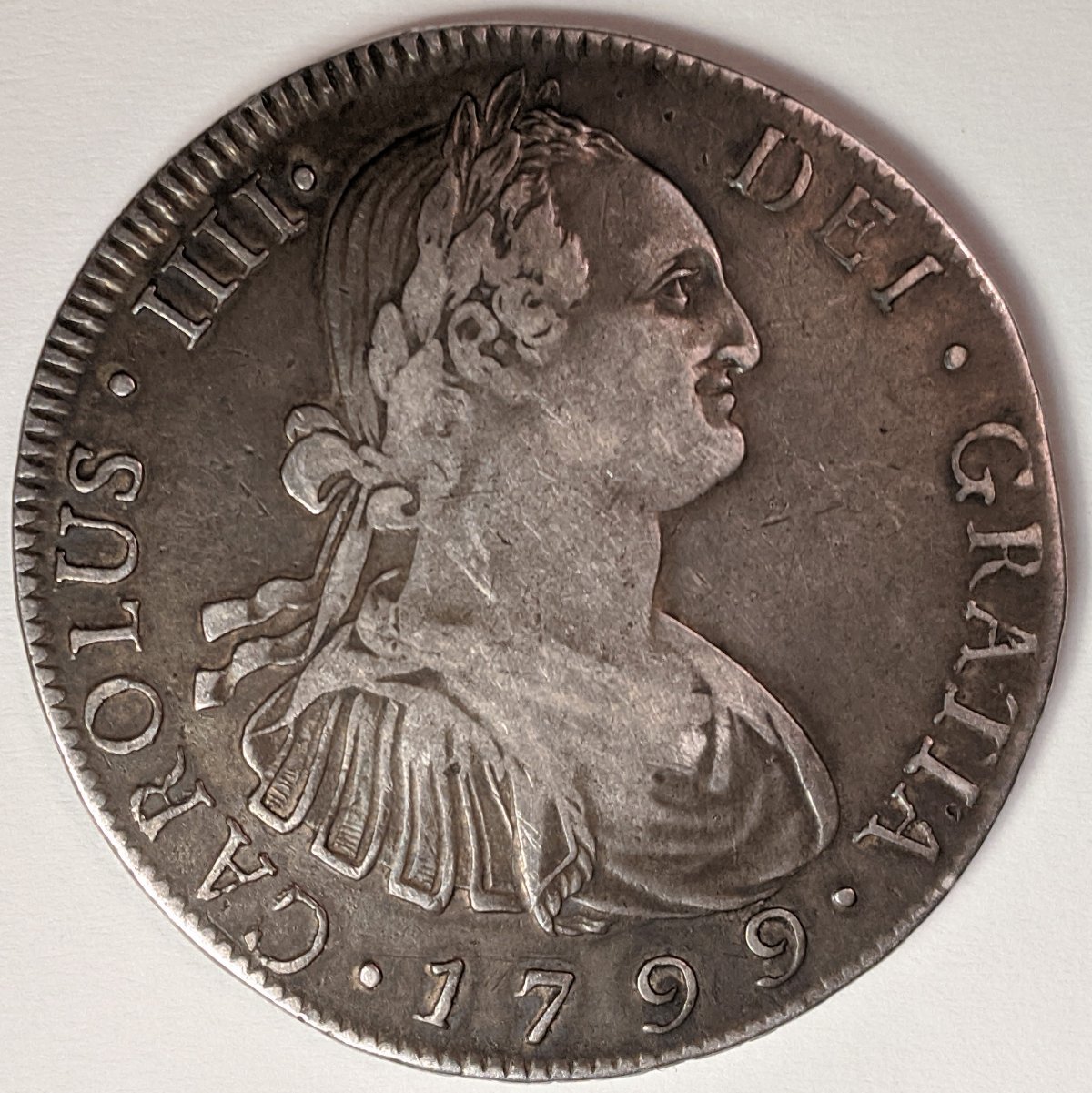
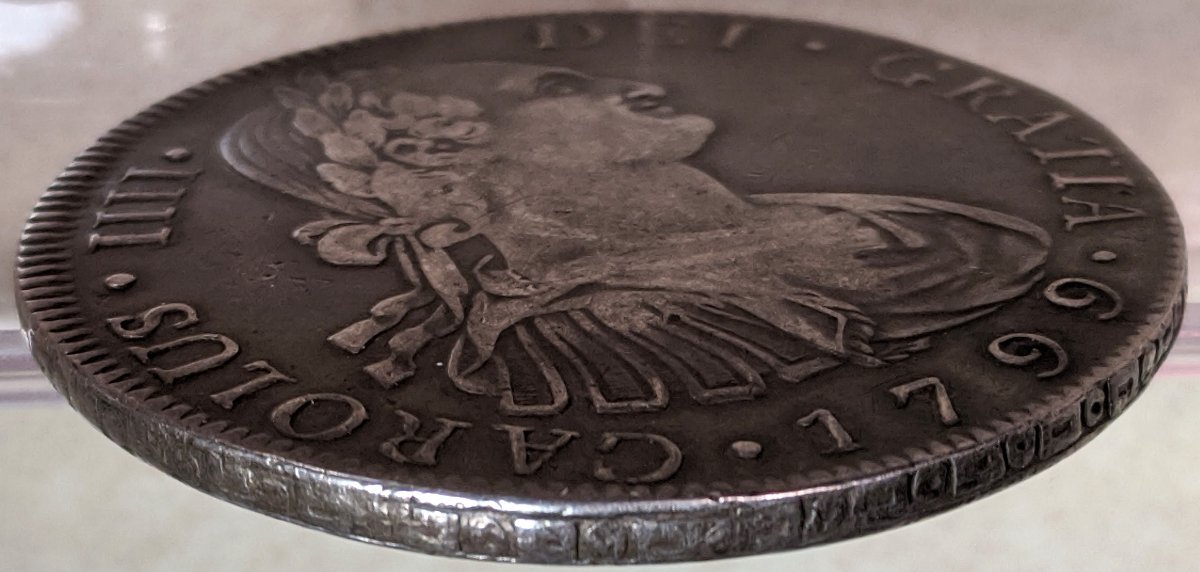
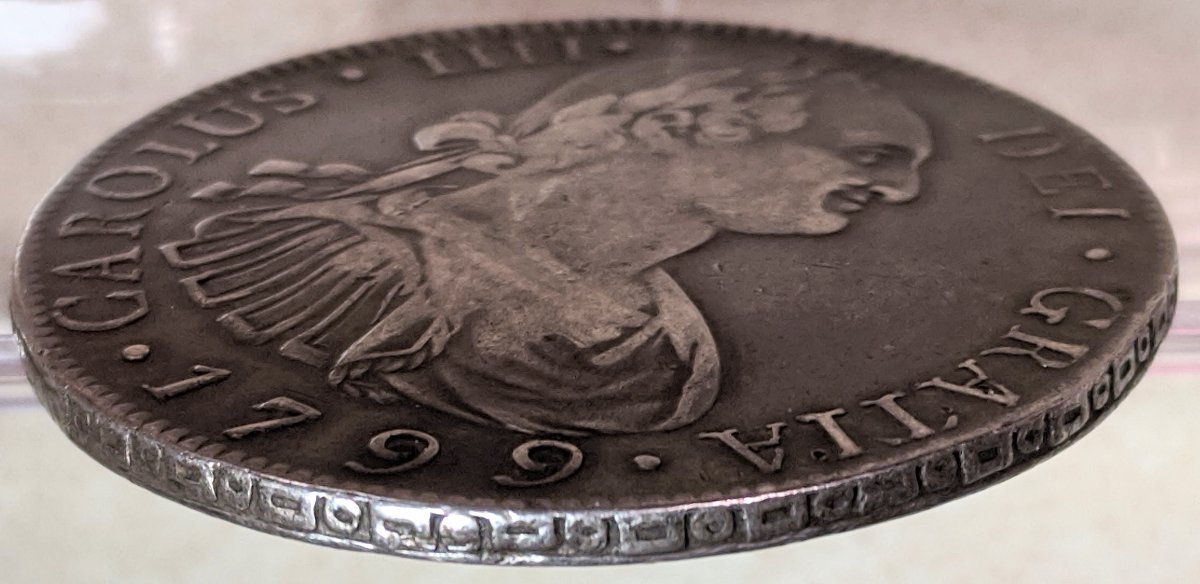
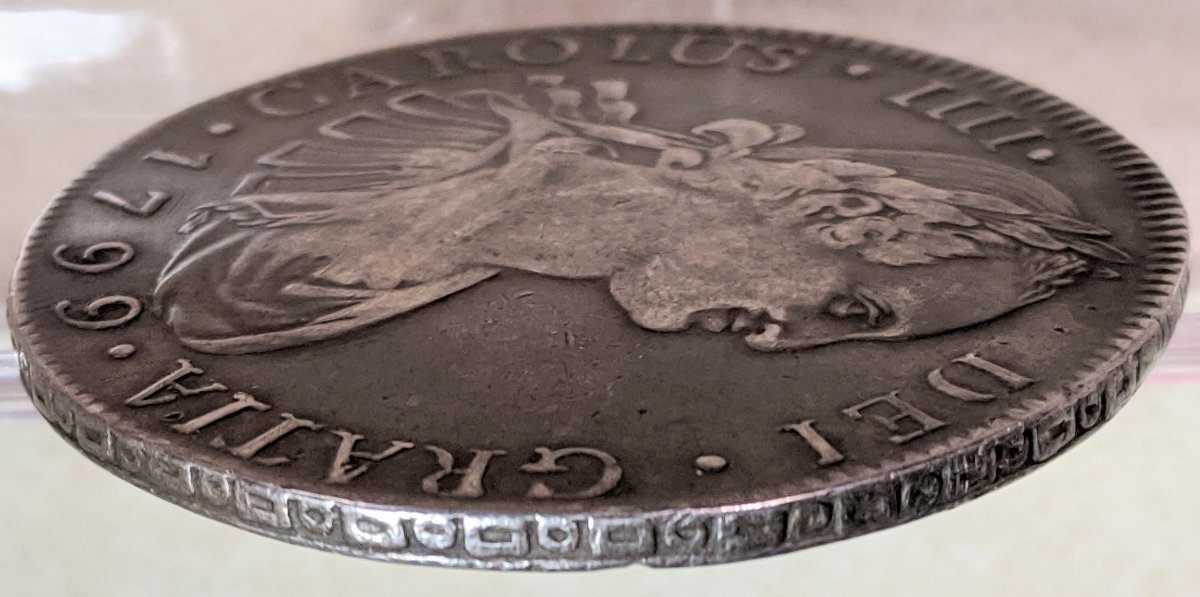
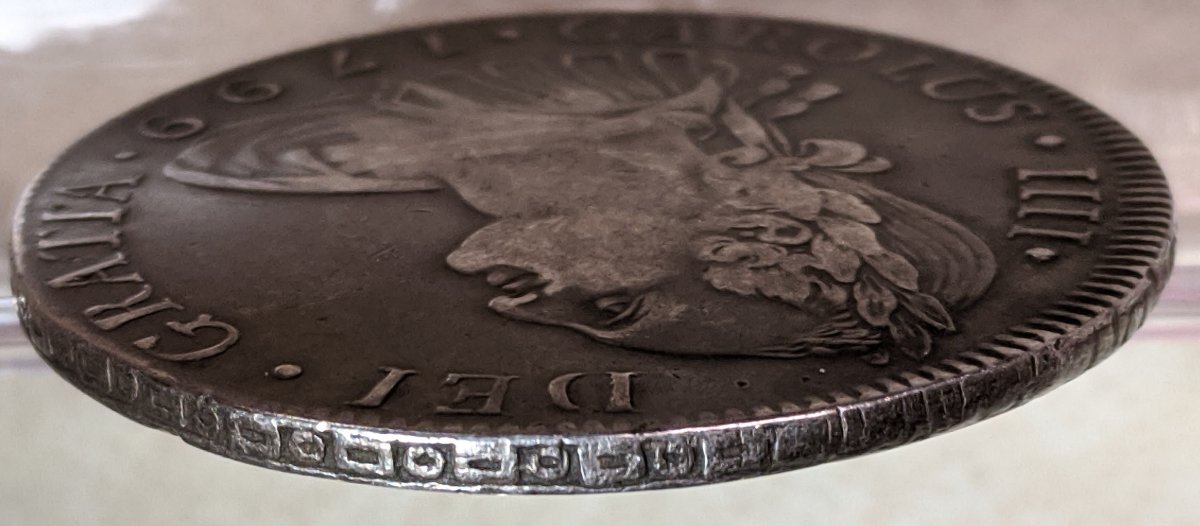
Looks good purely based on the images.
|
|
Pillar of the Community
United States
1962 Posts |
Agreed, appear legit - patina/surfaces have a very proper Guatemala mint look.
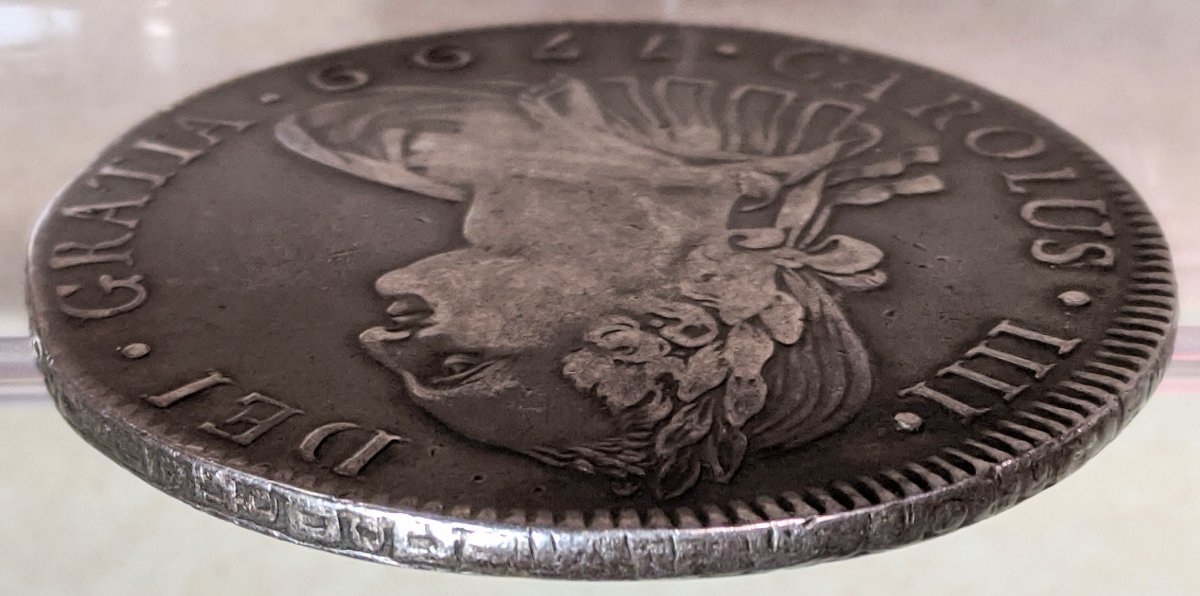
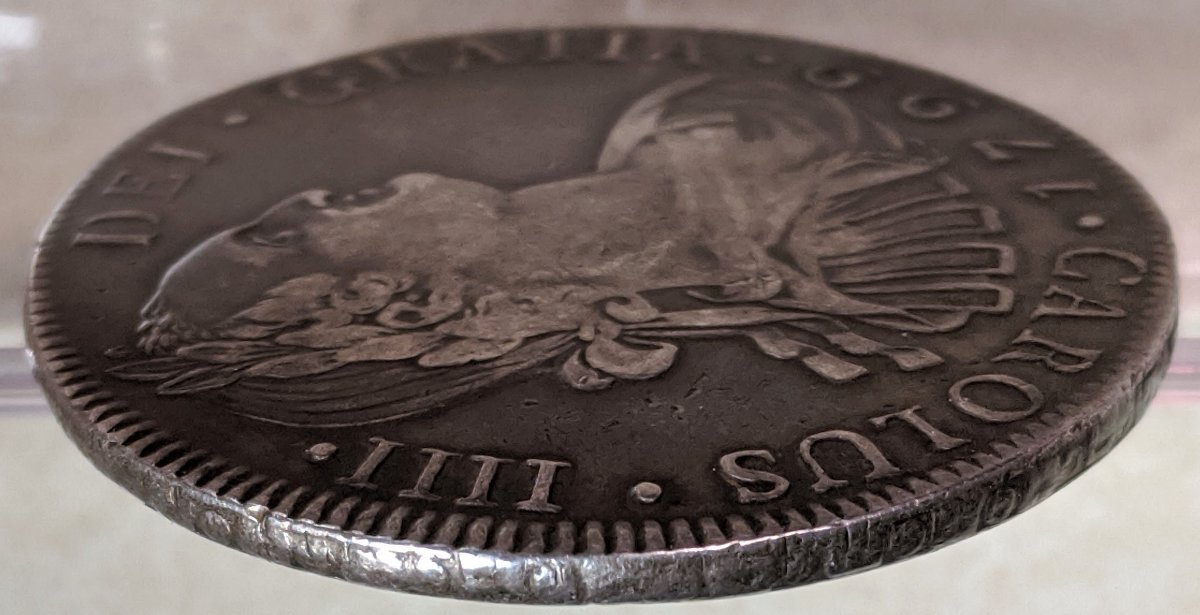
I think you're seeing a blobbish overlap area right around the the spot between his head and the ordinal IIII... but then a quick, sharp overlap at the first 9 of 1799.
That weight is clearly quite high, but there's a lot more observed variance outside of the Mexico City emissions so I'm not particularly worried by that.
|
|
Valued Member
 United States
63 Posts |
Thank you realeswatcher for pointing out the weight issue. I must have proof read this post a dozen times and didn't catch my error. The weight should be 26.73. My apologies to all the readers of this post.  |
|
Moderator
 United States
34539 Posts |
Quote:
The weight should be 26.73. Fixed  "If you climb a good tree, you get a push."
-----Ghanaian proverb
"The danger we all now face is distinguishing between what is authentic and what is performed."
-----King Adz
|
|
Valued Member
United States
63 Posts |
Spence: Thankyou for fixing my post.
|
|
Pillar of the Community
United States
5362 Posts |
I was asked to comment. I had missed this issue and in the future if anyone else would like my opinion please ask.
swamperbob22@aol.com
The density is correct as is the weight. So the coin is a correct silver alloy it is not a debased counterfeit.
I am not as expert in this series as Mexico City but I can give you a few opinions and some facts.
1. Contemporary Circulating Counterfeits made to copy this mint are few and far between and never look this good. In addition they would not be of the correct density. Therefore you can rule out a circulating counterfeit made while the coin was in circulation in Guatemala or Spain.
2. There was no impetus to make near full weight silver counterfeits for this mint either, because there was no Chinese premium on the coins of Guatemala. So you can rule out Class 2.
3. These coins were unlike those of Mexico City, they were not circulating anywhere in the 1890's so there is no reason for a locally circulating silver counterfeit either. (Coins of this type were made to take advantage of a differential value between the intrinsic value of a coin and the fiat value of the same coin where it was still legal tender.)
That leaves only two options - a Numismatic Forgery or a Genuine coin.
To repeat - the density and weight are correct.
Regarding the edge, there are two parallel edge dies used in a typical edger and here one die is completely worn out while the other die is in pretty decent shape. The overlap is difficult to pinpoint because one die is so poor. However, it seems that the worn half covers about half of the perimeter from just about the 1 in the date clockwise to just before the DEI.
The matrix block used by Guatemala is something I have not seen so while I might see a few odd segments, I do not consider them to be enough to condemn the coin.
I also do not know how many edge mills were in use at Guatemala. Mexico City had several that were used for the 8Rs. Perhaps a smaller output mint may not have had as many spare dies and therefore employed one poor die mated with a good one.
So I would at this point believe that the coin is probably genuine. In hand I would check the surfaces in protected areas looking for evidence of flow lines. If I owned the coin, I would likely secure a laboratory level XRF test to exclude the possibility of modern silver trace contaminants.
For the average collector since the coin is relatively common - I would accept it as genuine.
|
|
Valued Member
United States
63 Posts |
Thanks to everyone who posted their comments. A special thank you to swamperbob, upon whom so many of us rely for his extensive knowledge and experience with this coin type.  |
| |
Replies: 8 / Views: 2,115 |
|








 Posted 02/05/2021 10:07 am





