RPMs: What is a RPM? Yes, it is a variety coin called a RPM, these are mintmarks that are punched into the die, that didn't line up with a previous punch. Because the are punched by hand, they locations can vary, the depth can vary and the width and height can vary. Because there are variables, when they are not right over exactly, then the mintmark can be taller or wider. Sometimes they are too close to the devices, or on the bust design. Sometimes there are more than one on the die. (Sometimes as many a 4 and more) But in order for this to be a RPM (Re-Punched-Mintmark), there must be spread/separation from another punch that is seen on the mintmark. Its not being a larger mintmark. It is not
Machine Doubling on a mintmark. The mis-punch must be raised above the field in the design of a punch. There are different types of RPMs, but the purpose of this is to show that on a RPM, there needs to be enlargement of the mintmark. If in a direction, there should be one or both sides see on the mintmark area. Some RPM mintmarks are not even touching each other, but are called a separated mintmark. Some have notches on the serifs, the are called rotated mintmarks and tilted mintmarks. Along with the 8 directions they can be seen on. But without spread on the RPM, it is just a normal mintmark. Hope this helps.
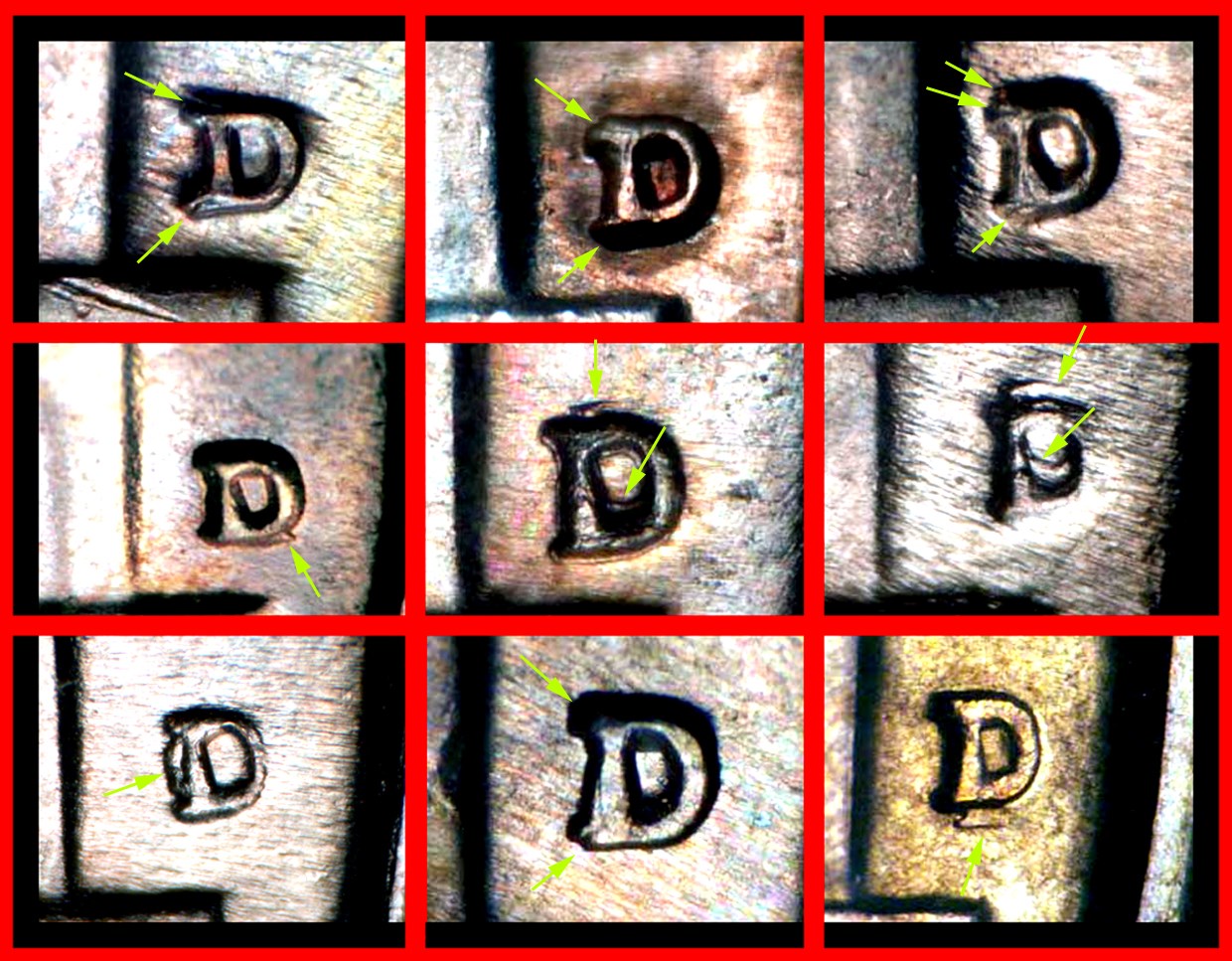
Note on the examples above. These are Nickel RPMs. They are all RPMs, because they show spread/notching. Also note, they are enlarged, because two mintmarks can't have spread and not be larger than normal.
First directions of RPMs: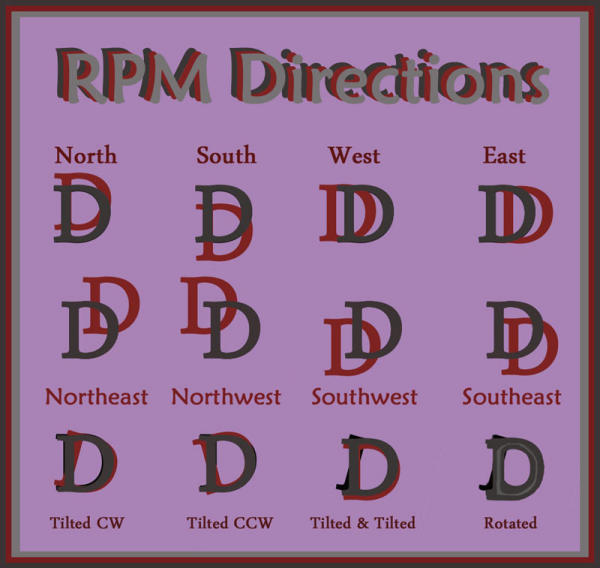
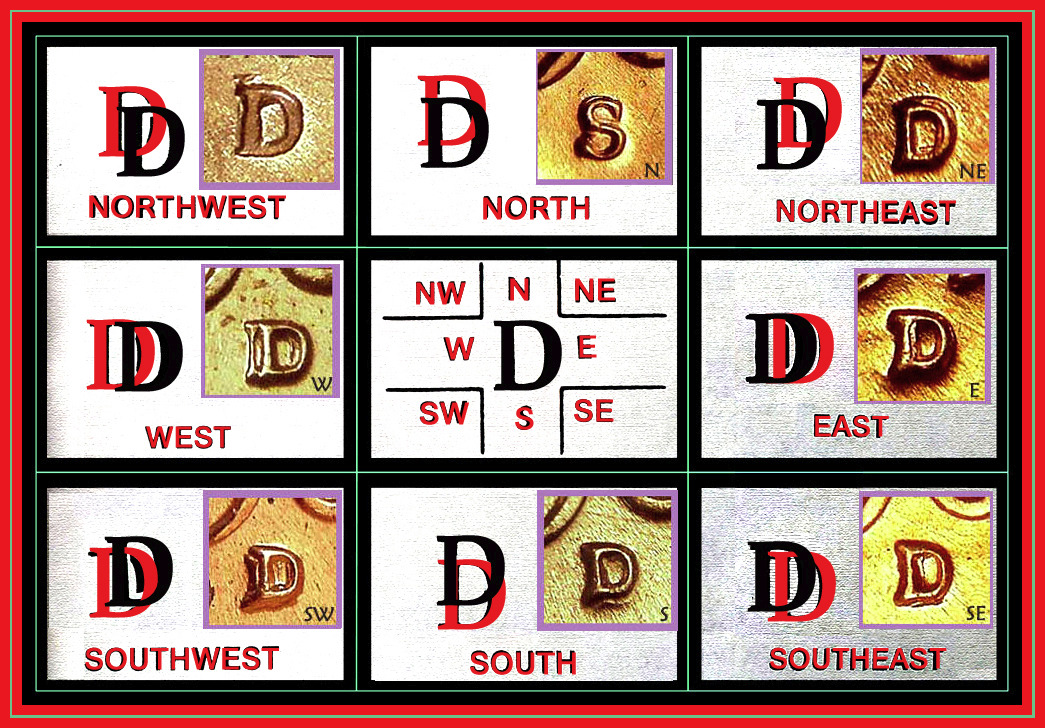 Different types of RPMs:
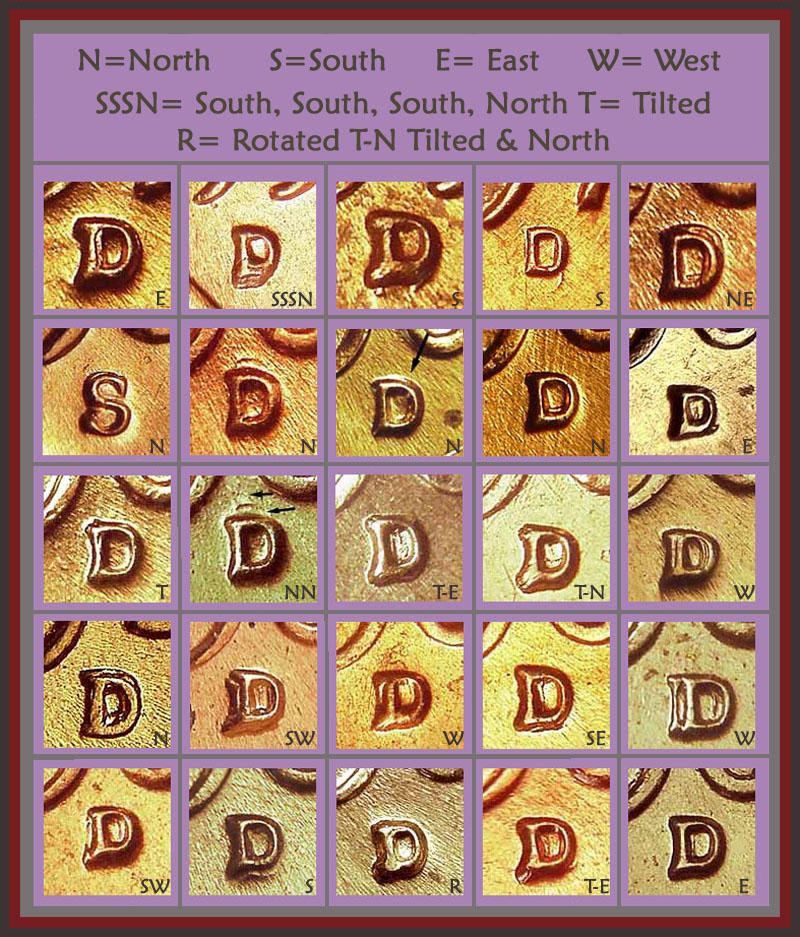 The RPM is seen as a partial copy of the punch. These images will help you see the RPM in a lot different way: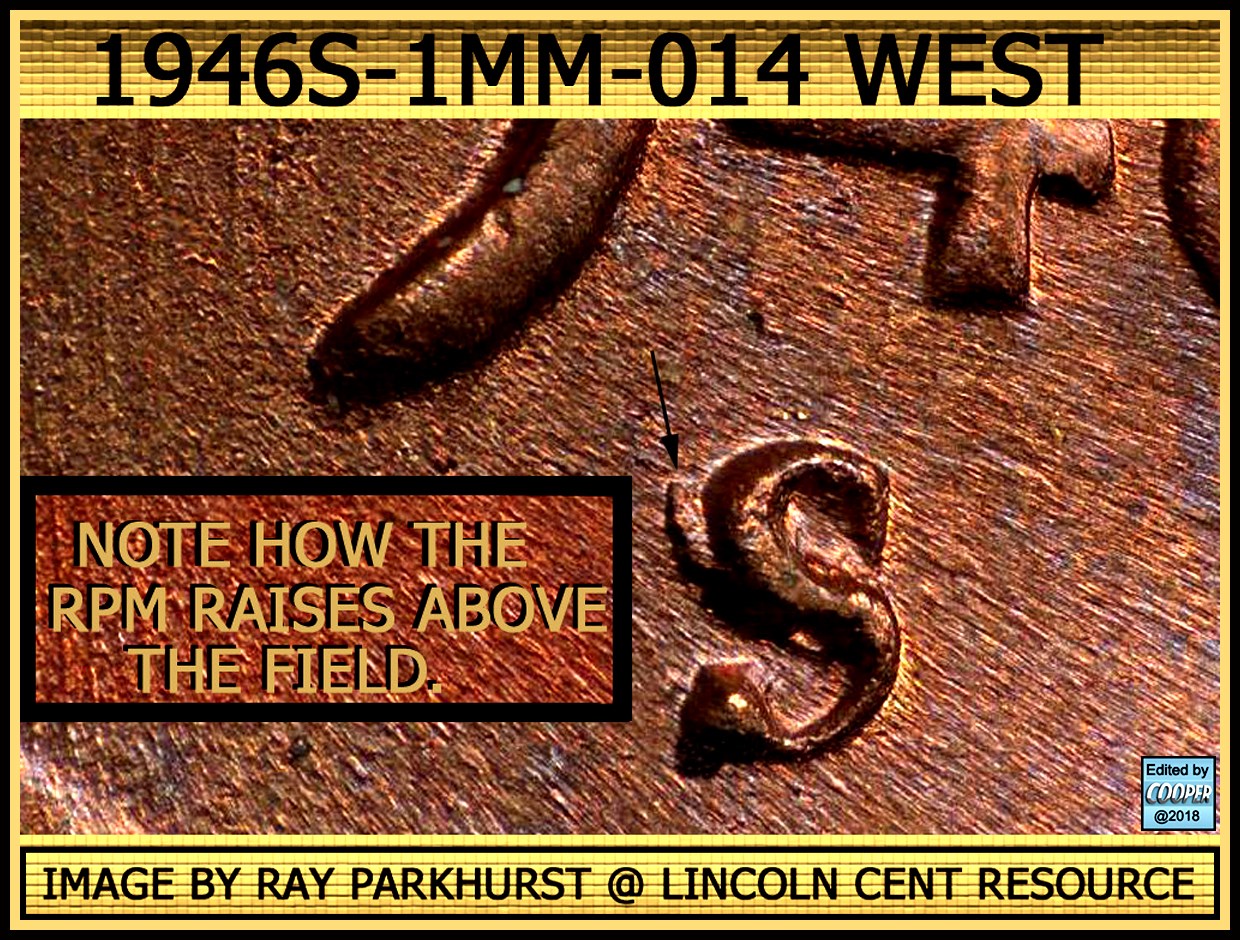
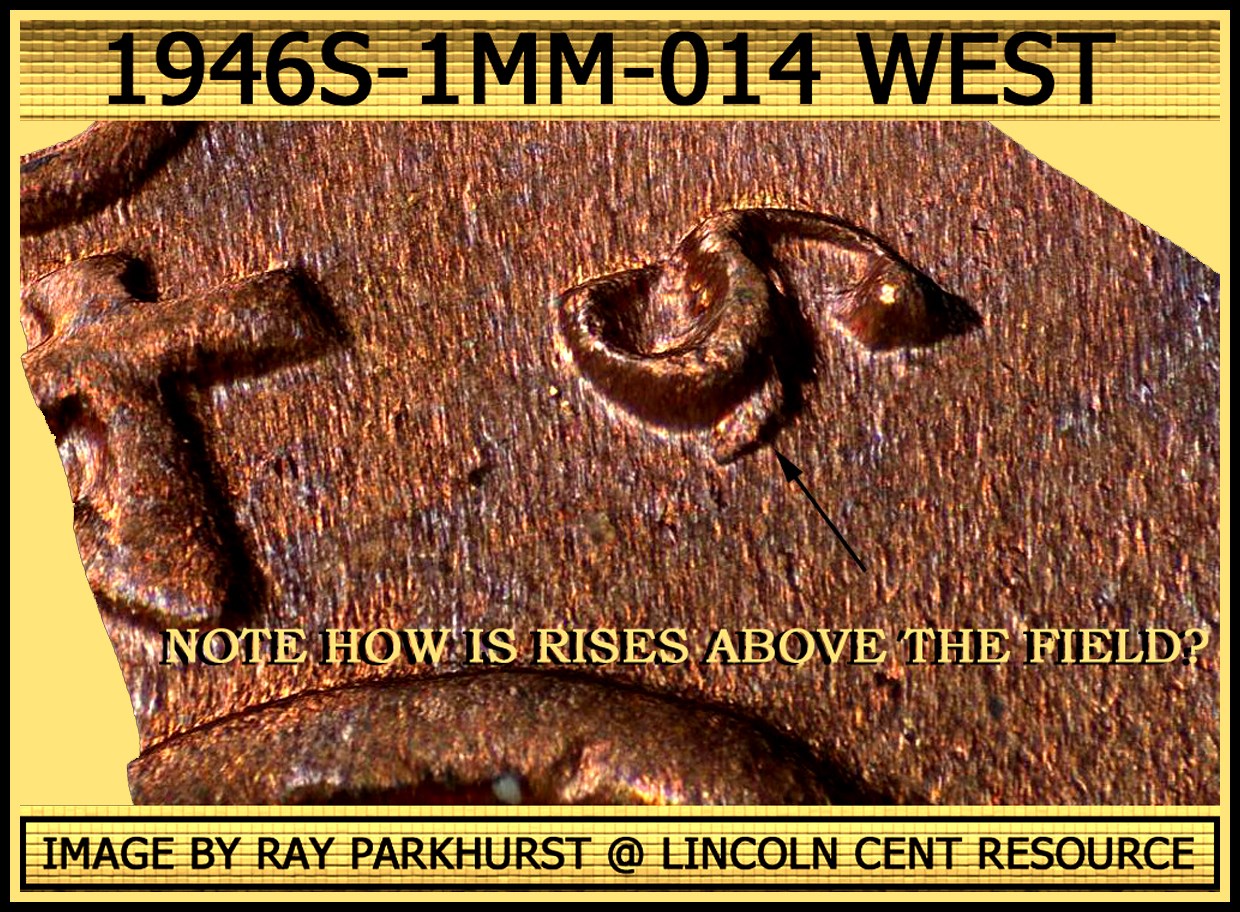
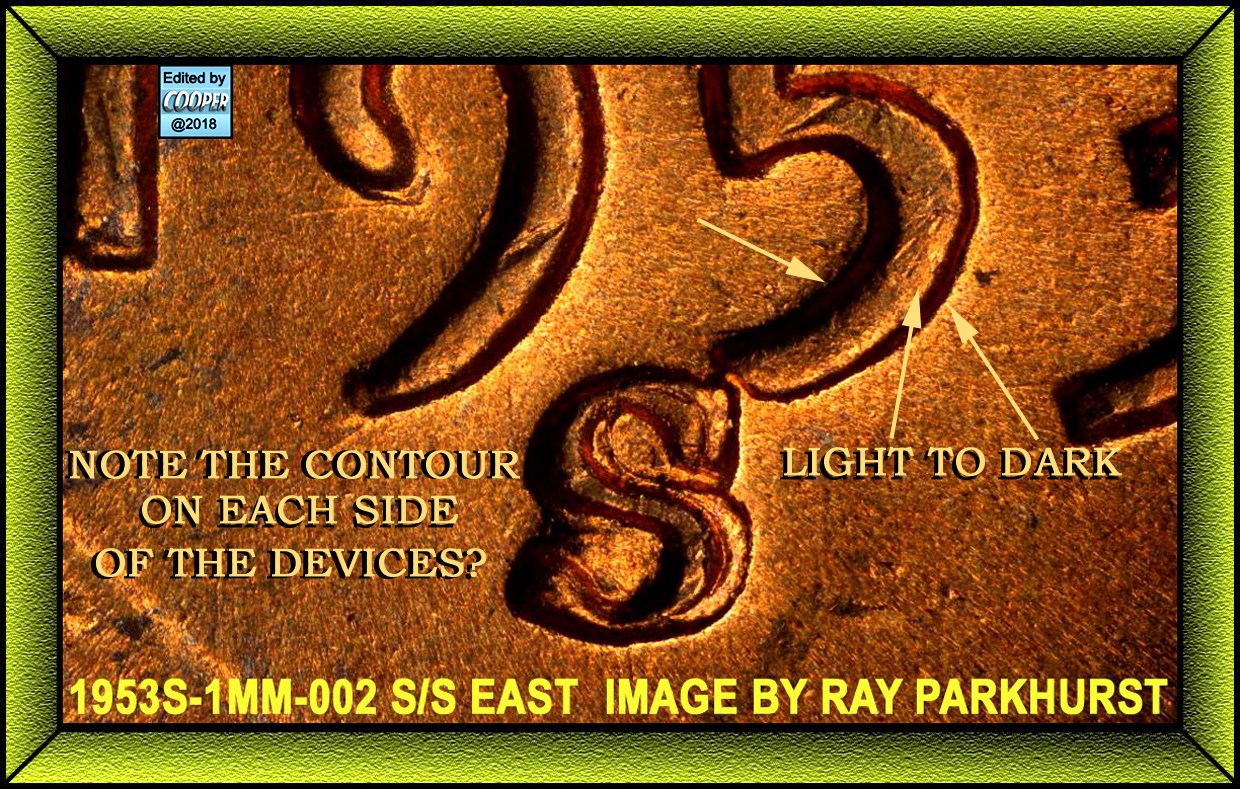
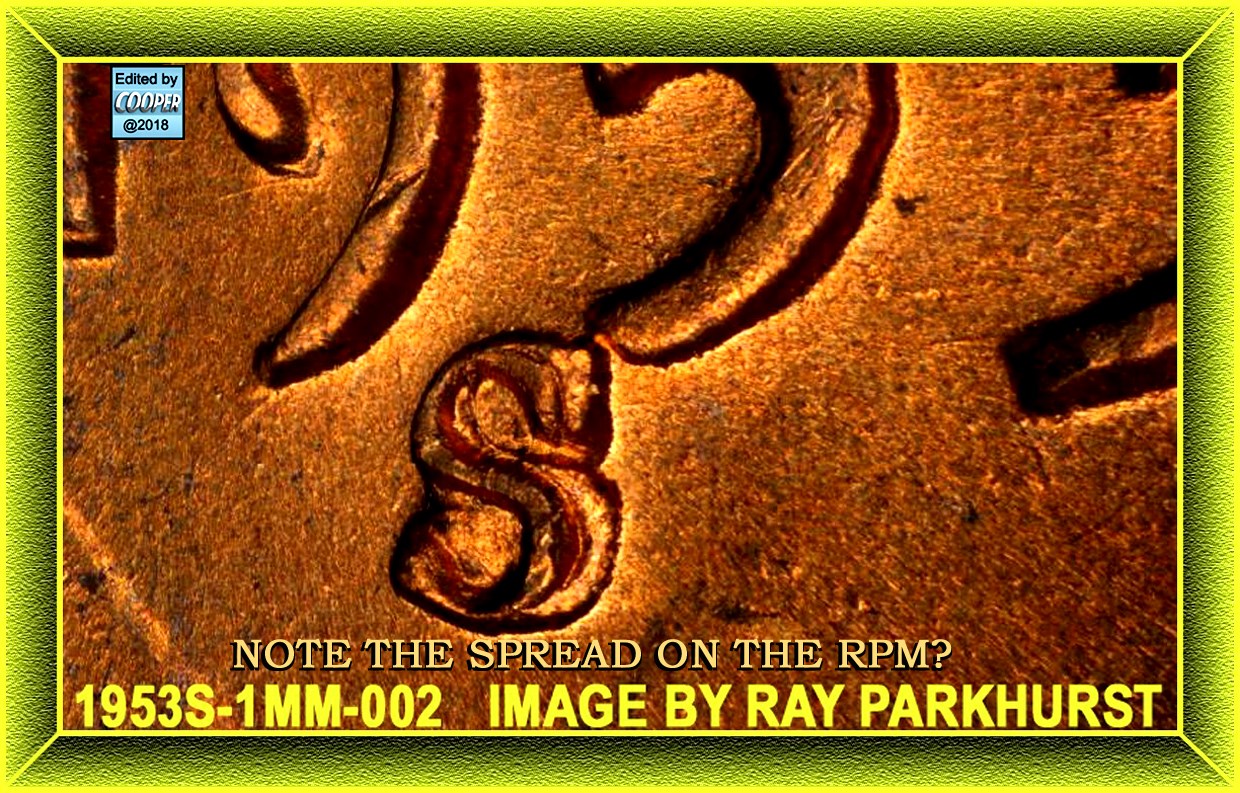
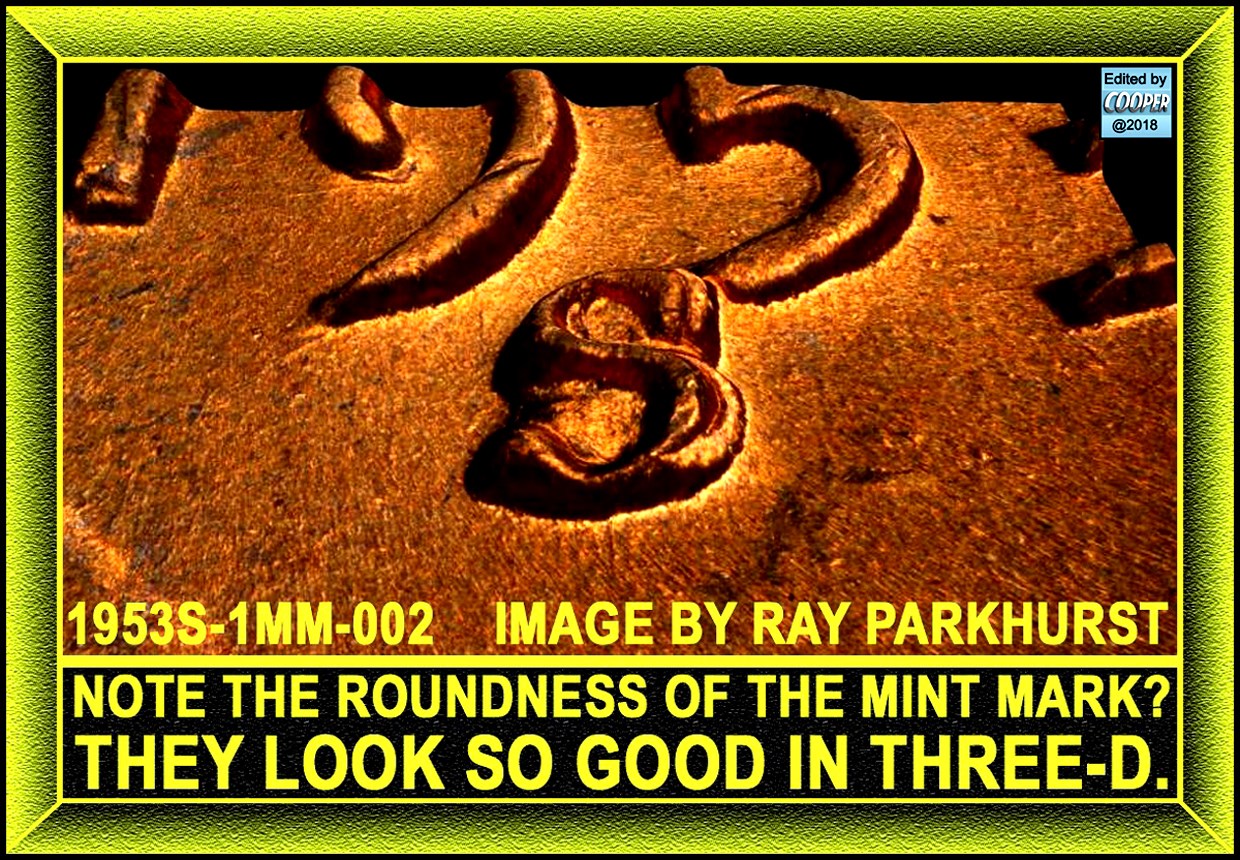 So from this angle, you can see the separate punches with the mintmark punch: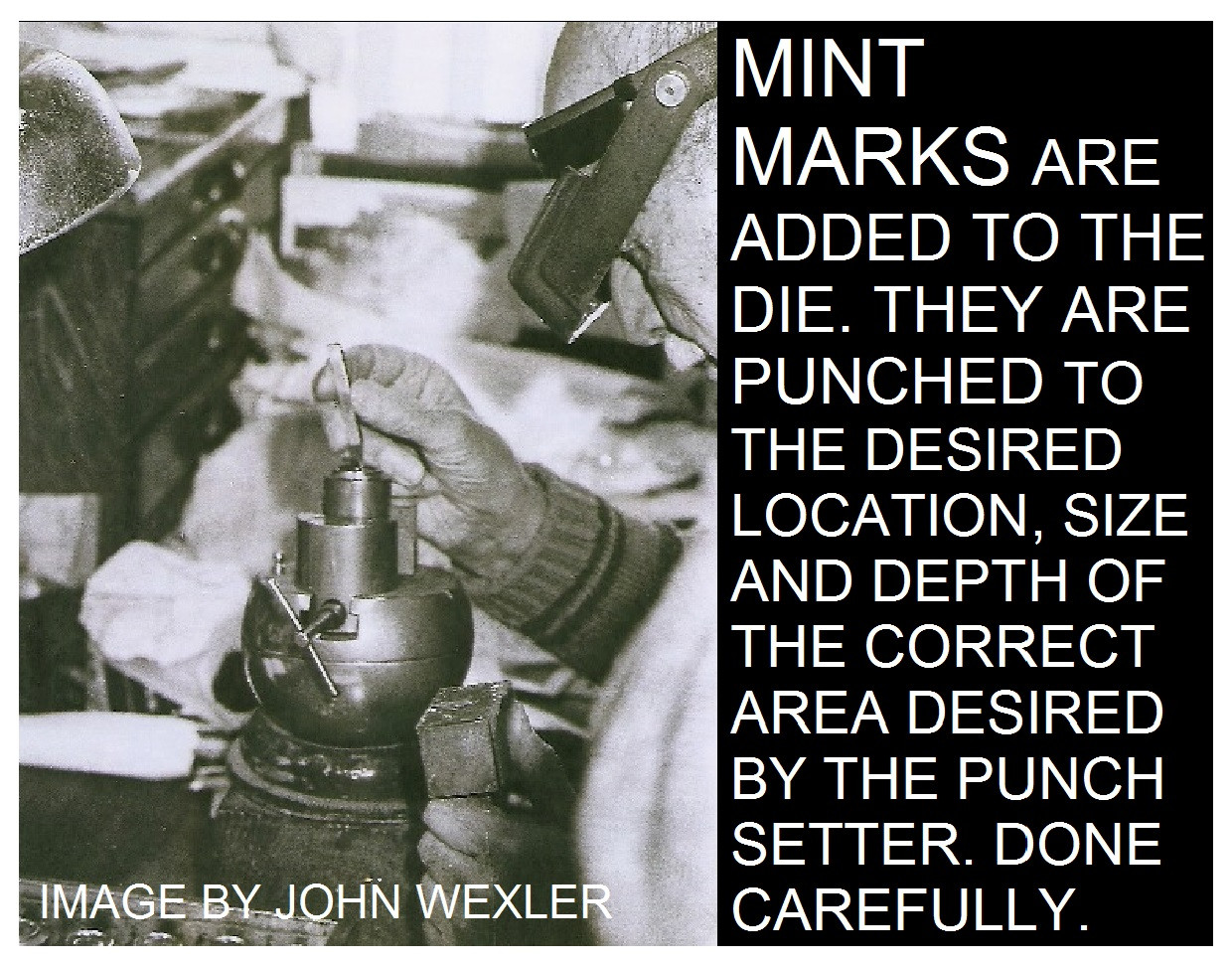
Probably the year with the most RPMs is 1960. I've heard that when they had to stop using the small date dies, that year, they were getting way behind in production. So when the mintmark punches were put on the dies, it was a rush job and thus so many RPMs that year.
One of my favorites I enjoyed for years is a 1959-D RPM-009: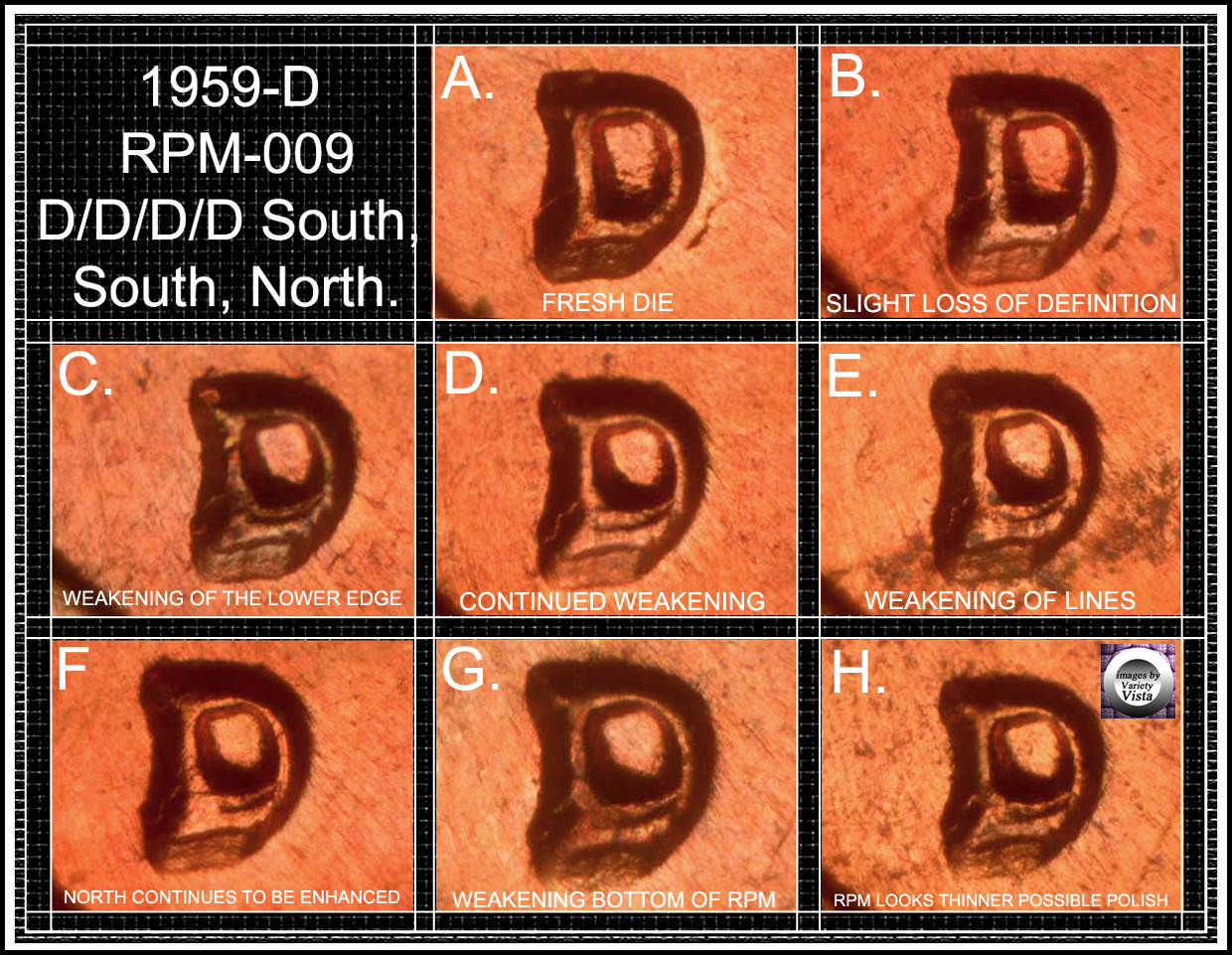
This shows how not only do the dies go through a wear process, also the RPMs are also affected and age as more and more coins are struck from those dies.
Another one I find interesting is the 1958D-1MM-021: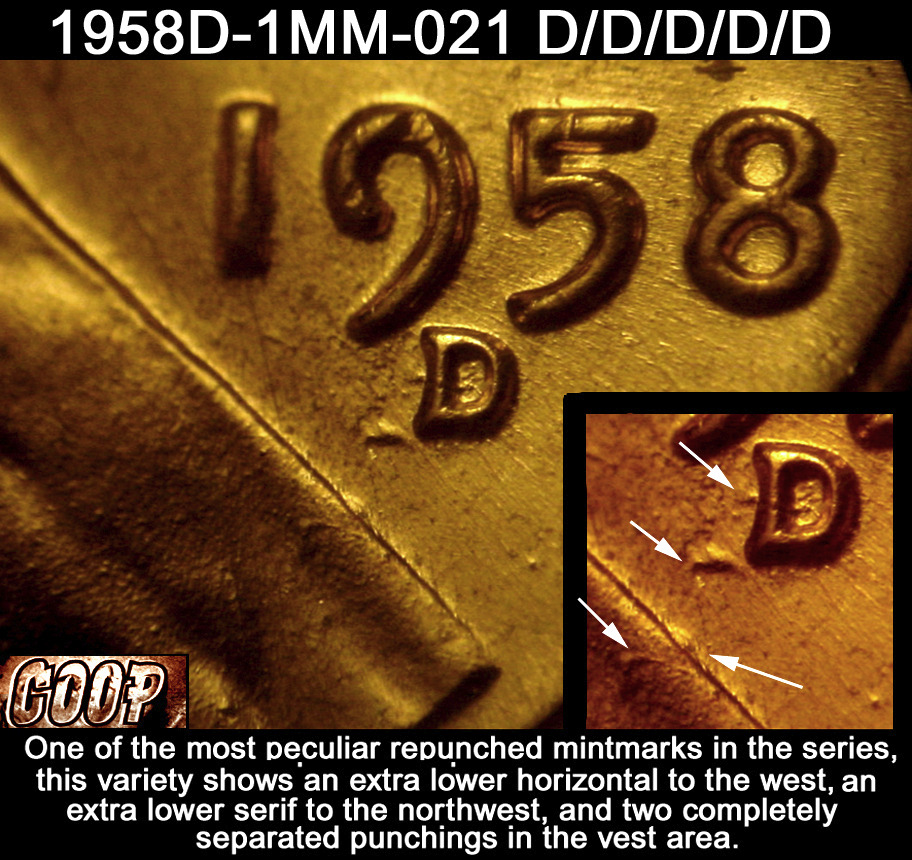 The 1955S-1MM-001 is also interesting to me: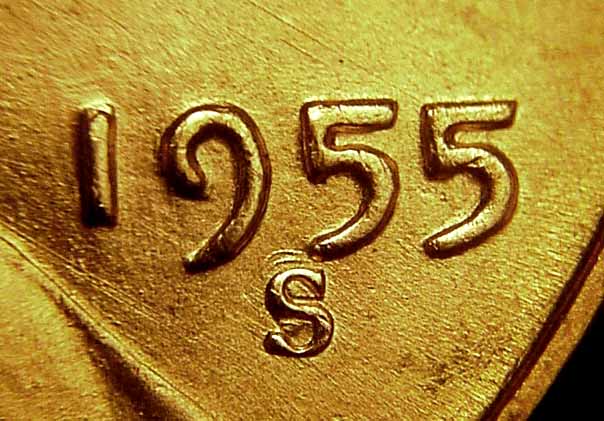
But note on this one, you can see the separate punches rising above the fields next to the date. Looks like he thought it was too close on the fist punch, added a second one, and felt it to was too close also. So it was moved into the first position.
So seeing a spread on the RPMs are important. The common RPMs are the tilted ones, there are thousands of these that are too minor to list. These have the little notches on the upper or lower serifs (or both affected sometimes more than once). The direction ones I like the best they easier to see.
What is the most expensive RPM I've purchased?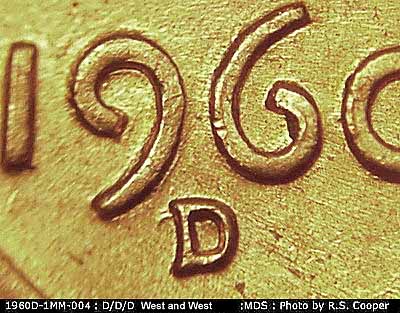
It was a find I found on
ebay. Someone was selling these slabbed. I asked him if he had any that were not slabbed and I got this one for about half of what the slabbed ones were going for. So I hope I answered most the questions that you have on RPMs.
If not, this is the place to ask. CoopHome :
What Are Rpms? What Is Needed To Be A Rpm?









 Posted 02/26/2021 7:48 pm


