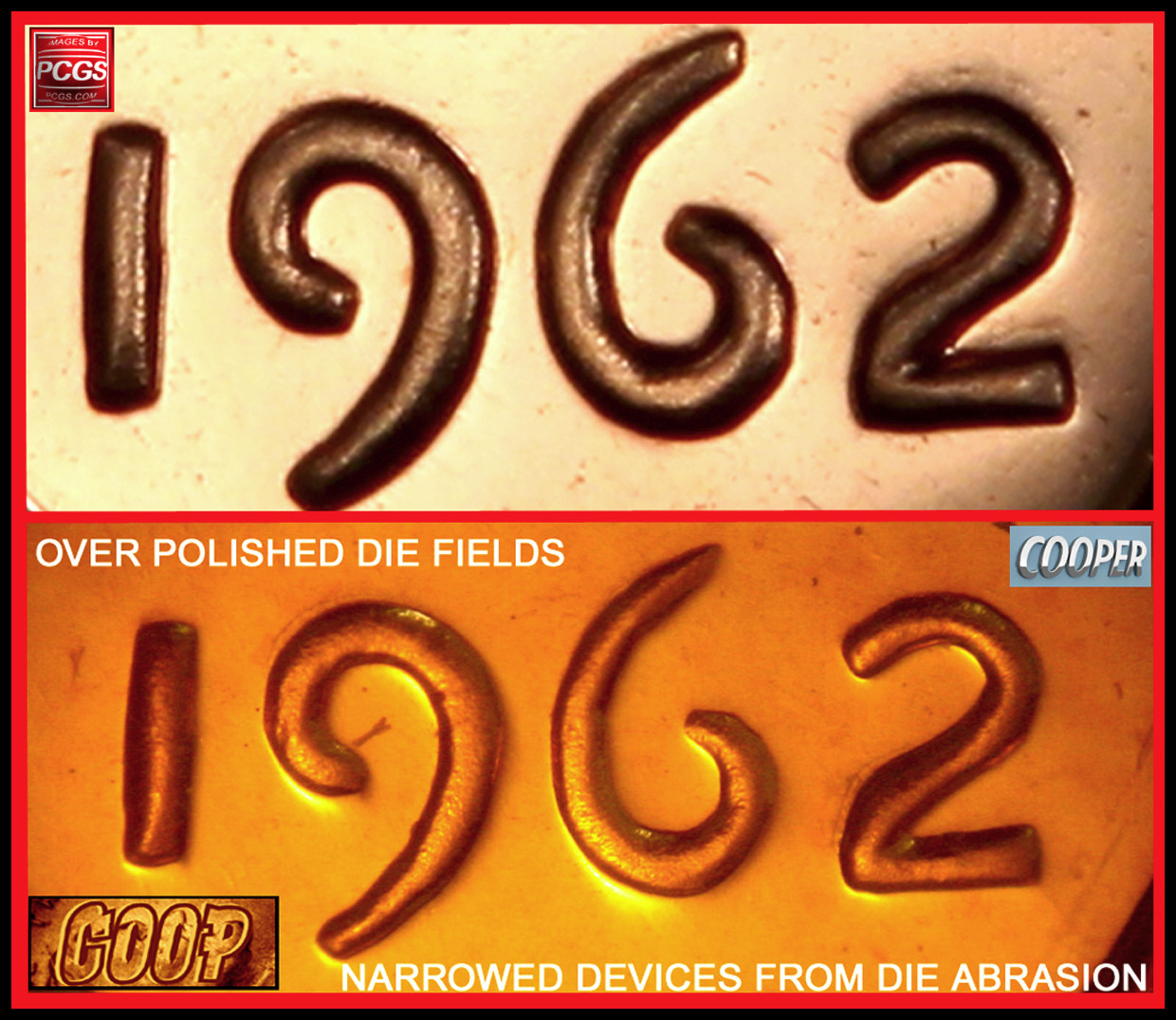
As already mentioned, there are no differences in date devices that year. If there appear to be different examples, on die was polished and made the look smaller.
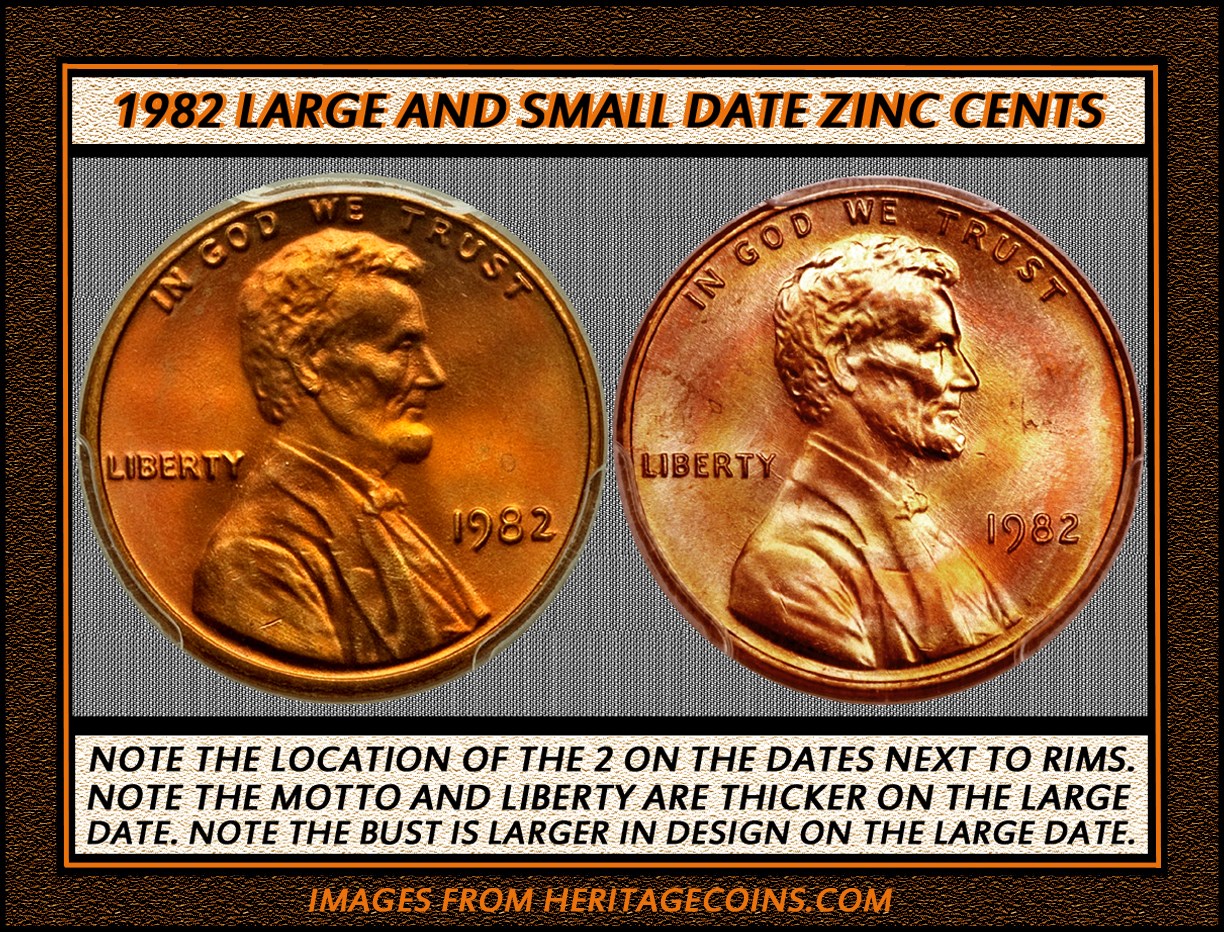
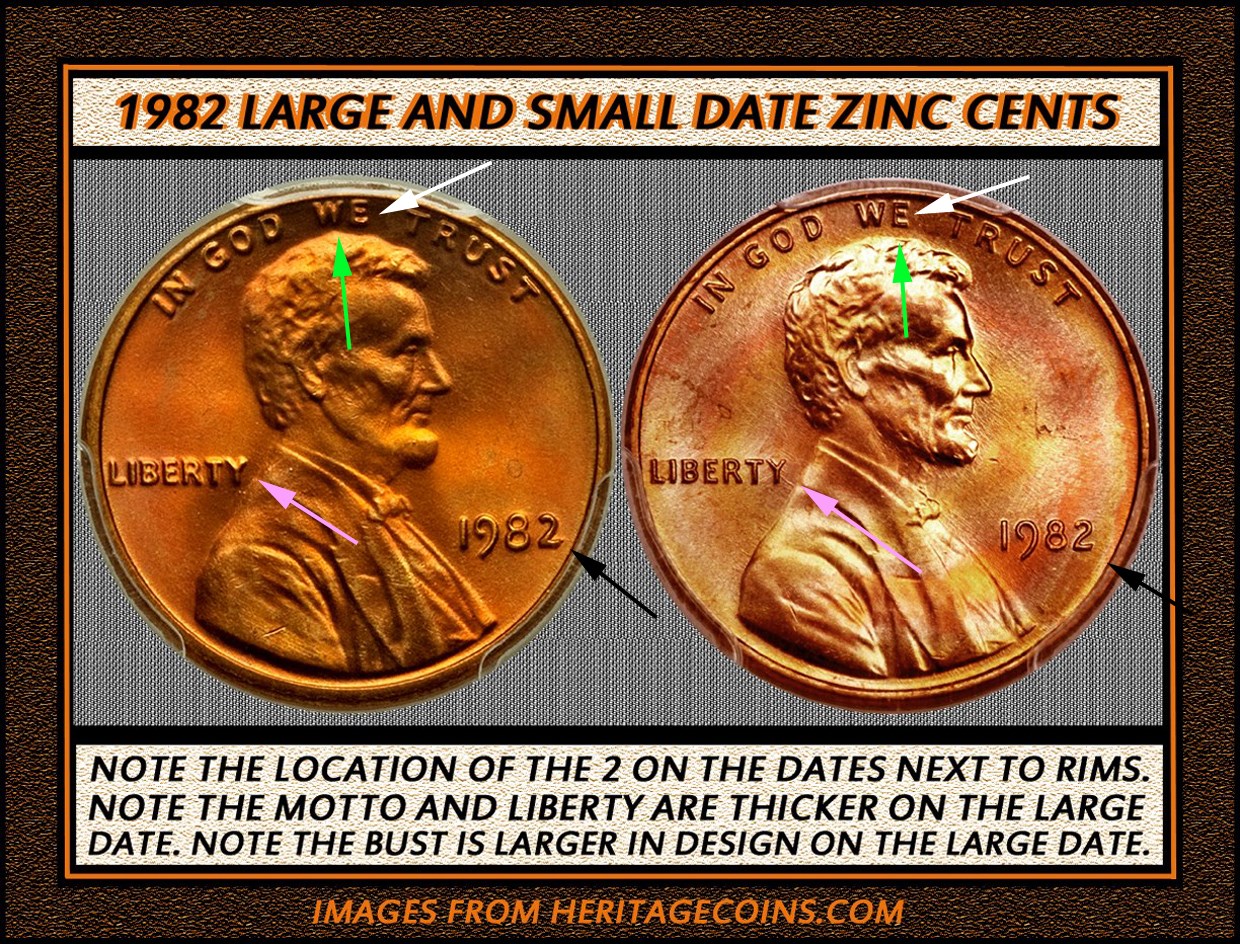
On a year that does have two size dates, one is larger and one is smaller. (obvious) But why are they different sizes? Well usually it is the case of an older master hub and a newly created hub. So the normal is normal sized, the one from the swollen master hub will be much larger because of the swelling. Take for example the 1982 large and small cents. The master hub was swelling and they needed to create a new master hub during the year. So you have two sizes that year.
So on the same year on a different denomination, (quarters) they waited until 1983 to create the new master hub. So there was no issue with a large and small date, because they waited until the next year. But being an inquisitive person, I wondered. With Photoshop, I would simulate from a small date to create a transition from small to large date:
Normal:
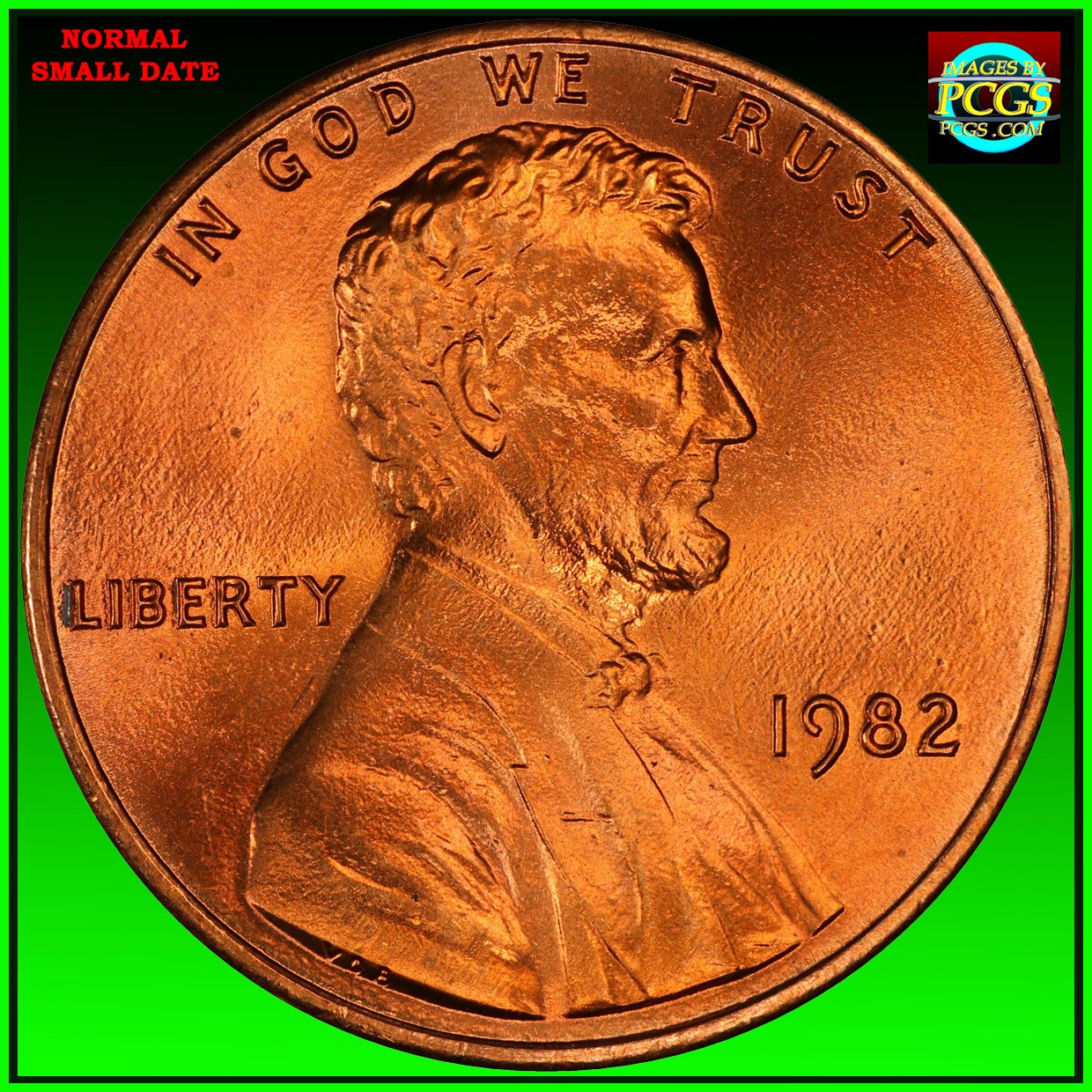
Adjusted image:
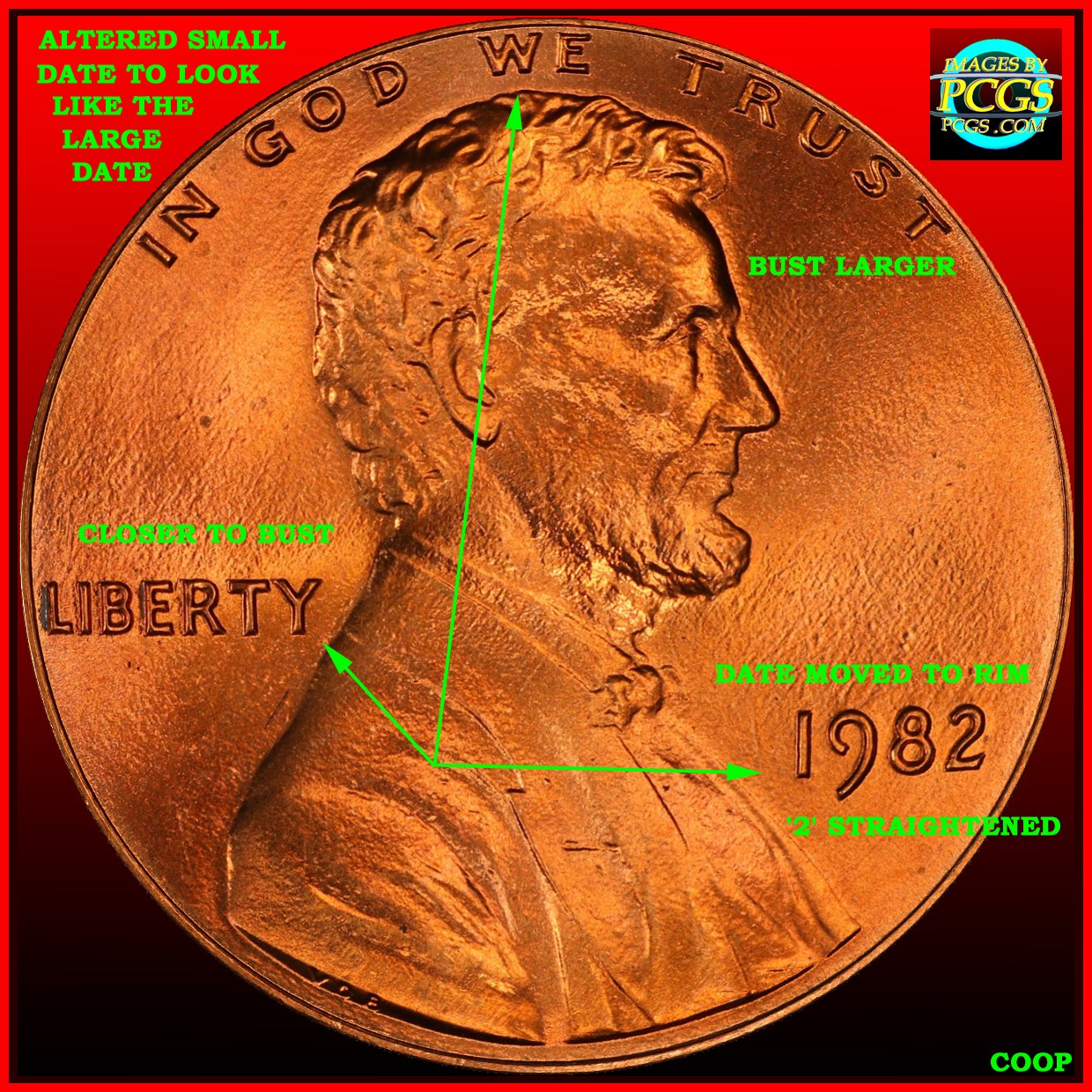
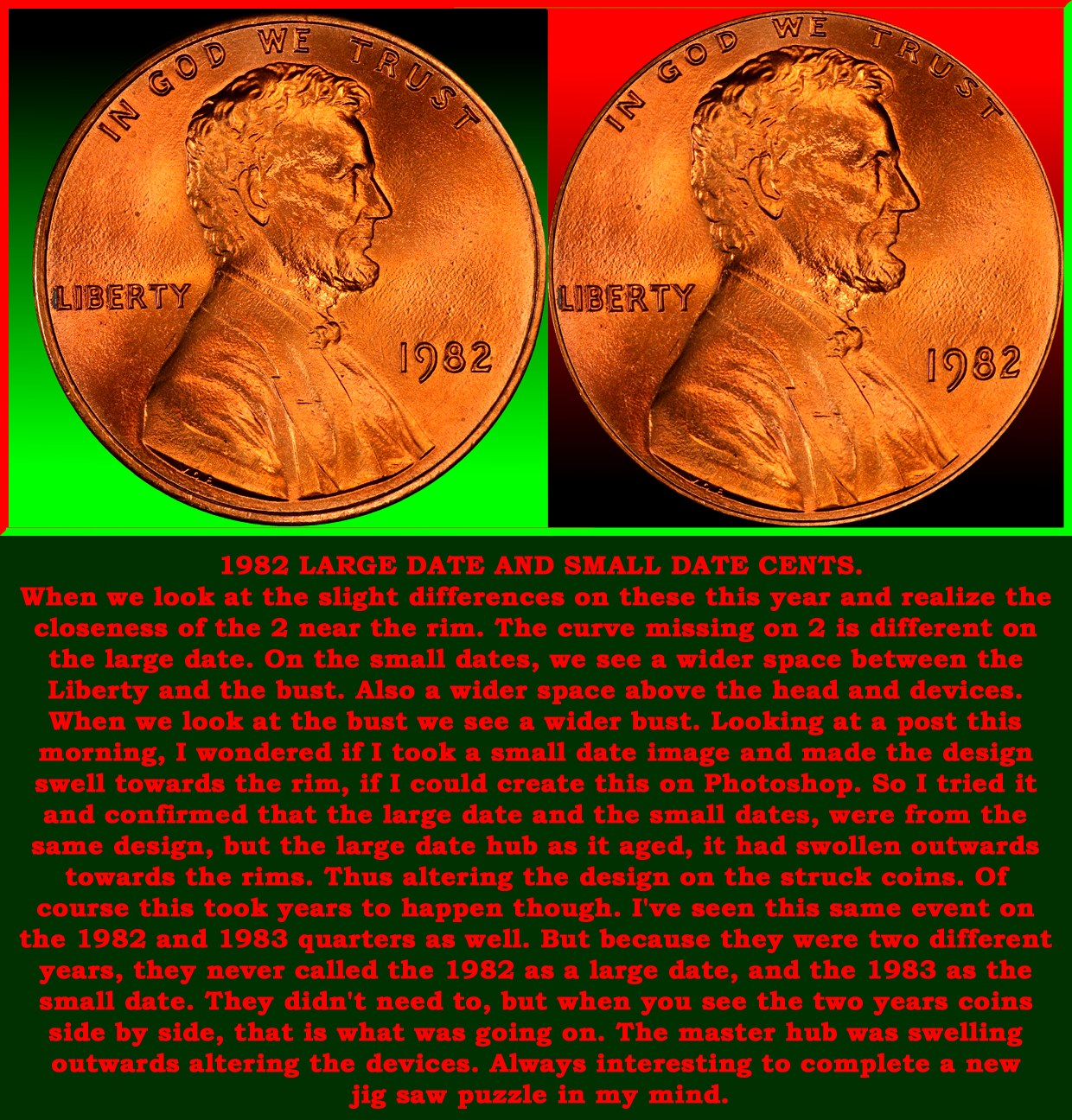
Note that all the devices moved exactly the same as the large cent would show. So the original hub (before the swelling happened) and the newly created hub was the same size. The swelled hub was what changed through many years of creating the master die. So I figured out why event happened, simulated it, and the reason some years have large and small dates. (Except for 1960 cents, different story) So why can't there large and small dates on normal years. The master hub creates all the master dies, The master dies create the Working hubs, and the working hubs create the dies.

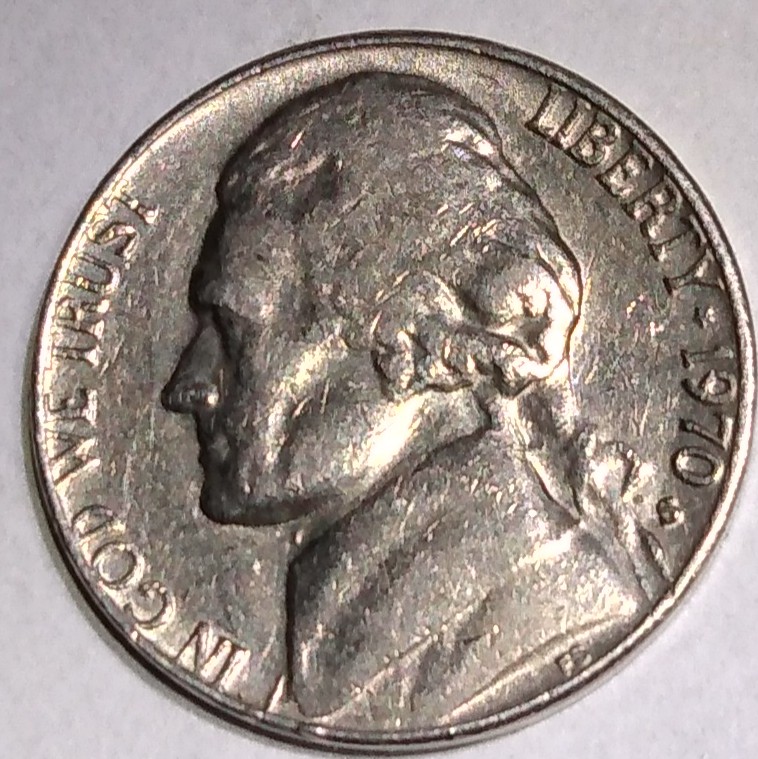
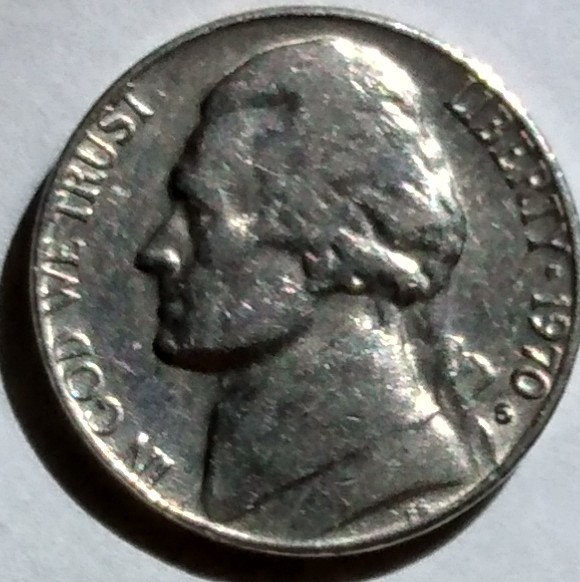
So that is why the 1970-S nickels don't have a large and small date. The cents do, but that to is another story.
CoopHome :
Why do we have large and small dates on certain years?








 Posted 04/09/2021 05:40 am





