| Author |
 Replies: 9 / Views: 1,972 Replies: 9 / Views: 1,972 |
|
|
Valued Member
United States
68 Posts |
|
|
|
|
Moderator
 United States
56855 Posts |
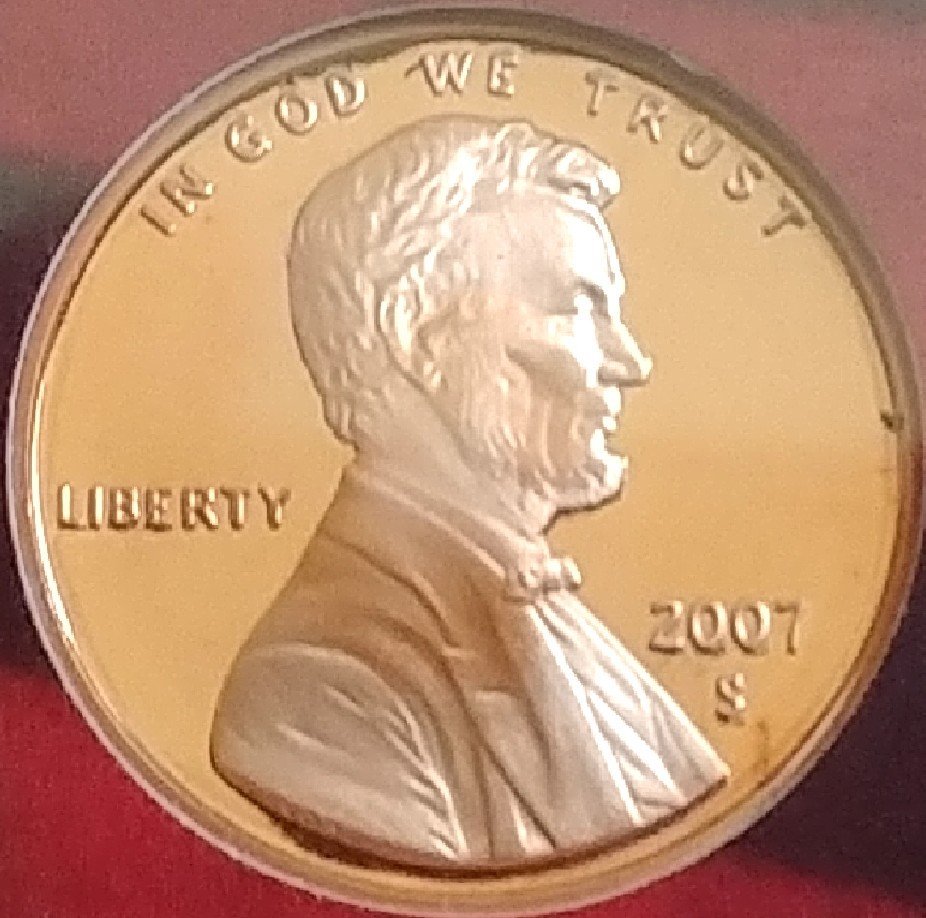
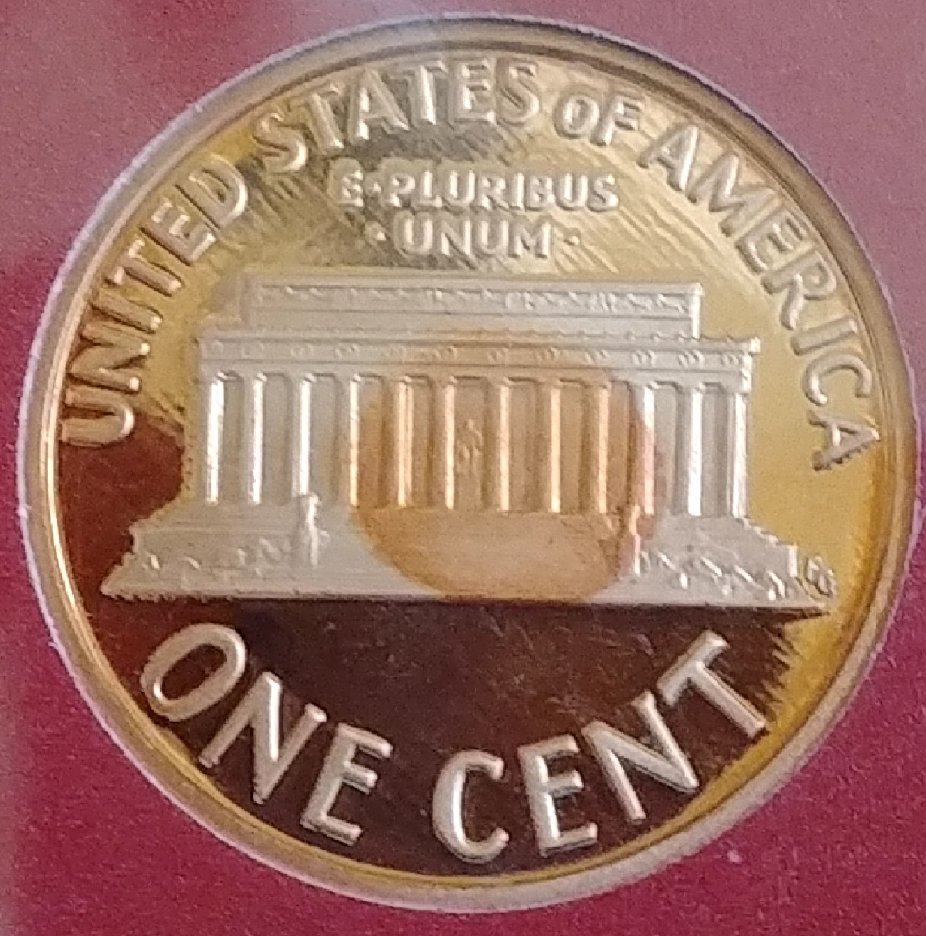
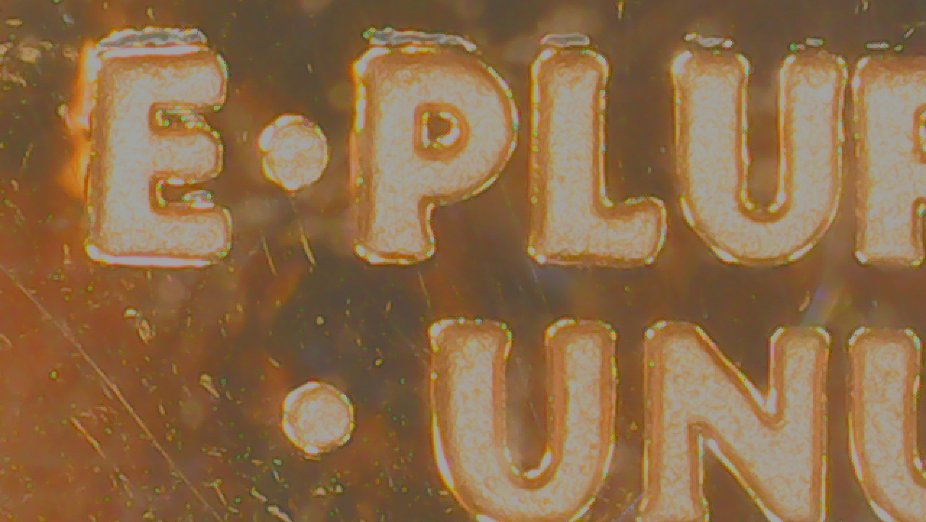
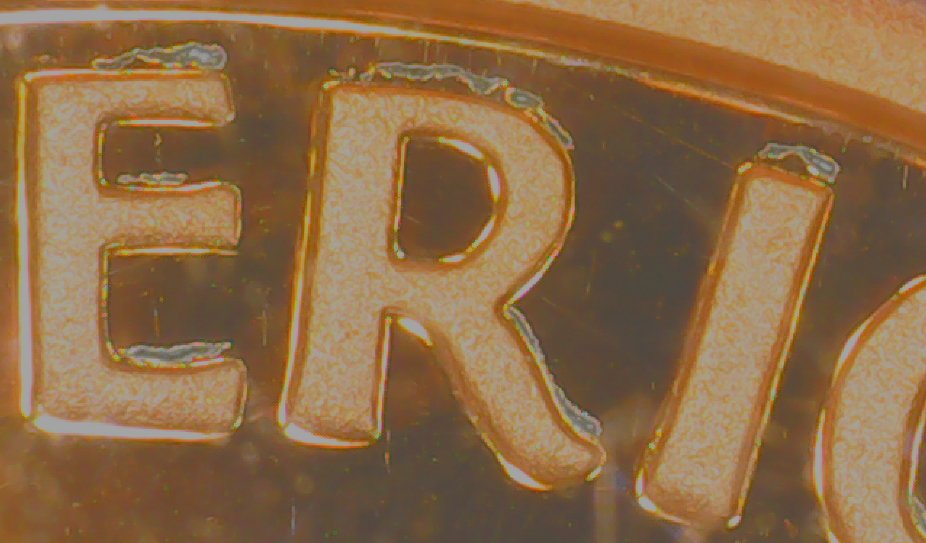
Not zinc rot...yet. Split copper plating. John1  |
|
Valued Member
 United States
68 Posts |
@John 1 as always thanks just didnt know the proper term. Hope it does not cause damage long term to the others in the sealed set.
|
|
Bedrock of the Community
United States
19553 Posts |
Split plating, yes. Should be able to mitigate potential zinc issues by keeping the coin in a low humidity, air-tight environment. Mint packaging isn't necessarily air-tight. Is that a discoloration 'spot' on the memorial building?
|
|
Valued Member
United States
68 Posts |
|
|
Bedrock of the Community
United States
10635 Posts |
Agree, spilt plating, zinc rot soon to follow (there is no stopping it, sorry).  |
|
Moderator
United States
106396 Posts |
I'll have to agree with above statements.
|
|
Pillar of the Community
Canada
6244 Posts |
Jin put the point. Those slab even air tide do not mean vacuum. Mean when they close, they close with air inside. The air contain H, O, C, and in California iodine and sulph. Inside of the slab different temperature will produce ionization and oxidation, mean any small default, microscopic also will be the seat for those irreversible oxidations.
The solution is a vacuum slab, but because of the cost the mint will never introduce. They sell perfect product. So you buy, you are responsible for the future. Like you buy a car: After you are in charge of the maintenance.
The spots on the coins, I presume to be an reaction of the iodine. Without invasive cleaning is no way to take out.
Edited by silviosi
04/14/2021 10:26 pm
|
|
Valued Member
United States
68 Posts |
Thanks all know the Lincoln will be toast over time. My main concern is will it cause problems with the others over time in the plastic slab? As in should I break it to save them? Odd question I know
|
|
Pillar of the Community
Canada
6244 Posts |
Sorry to complete this. Here in Canada we have with silver from mint the problem of yellow. Here I proved already is caused by the fact that they plating the dies with Ir (iridium), and his oxide is yellow. They will not change. Before they strike 120 K with a die, now go till 220K.
Edited by silviosi
04/14/2021 10:34 pm
|
| |
Replies: 9 / Views: 1,972 |
|










 Posted 04/14/2021 1:10 pm


