| Author |
 Replies: 8 / Views: 1,572 Replies: 8 / Views: 1,572 |
|
|
Valued Member
United Kingdom
218 Posts |
Another one from the bag or random that I picked up. I'm not sure how you distinguish between the types and can't seem to find many good articles on the differences. 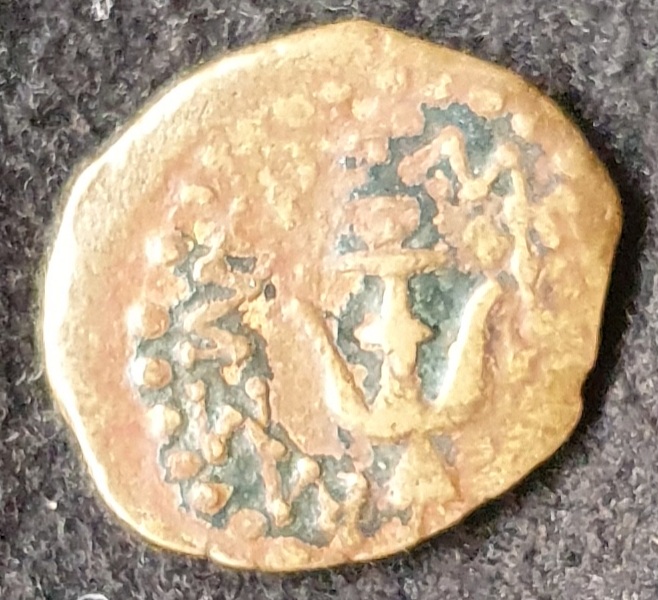 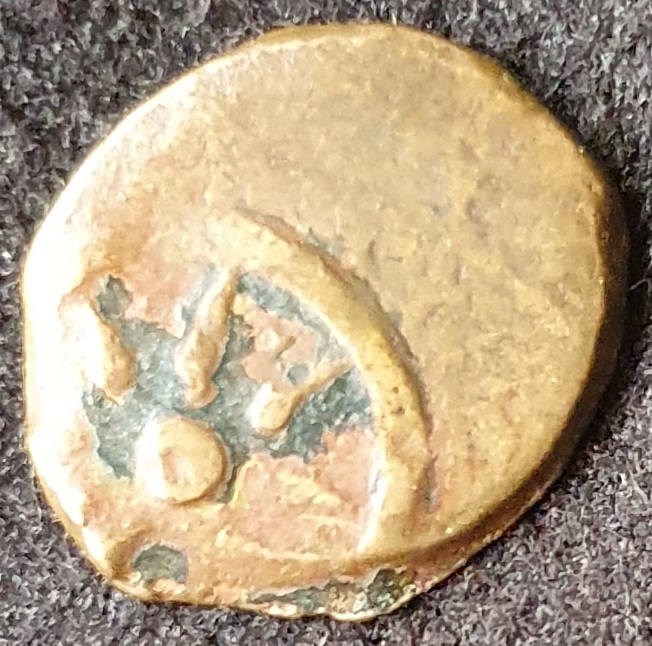 |
|
|
|
CCF Advertiser
 United States
1318 Posts |
Edited by louisvillekyshop
04/29/2021 12:25 pm
|
|
Valued Member
 United Kingdom
218 Posts |
It's 1.15g so probably a lepton? Quote:
This link tries to give the difference, tries.... Seems a common problem. I've seen many tries, but I'm just guessing it just wasn't that important for people to note it at the time. And looking on a big screen I realised how bad those photos are. So.. 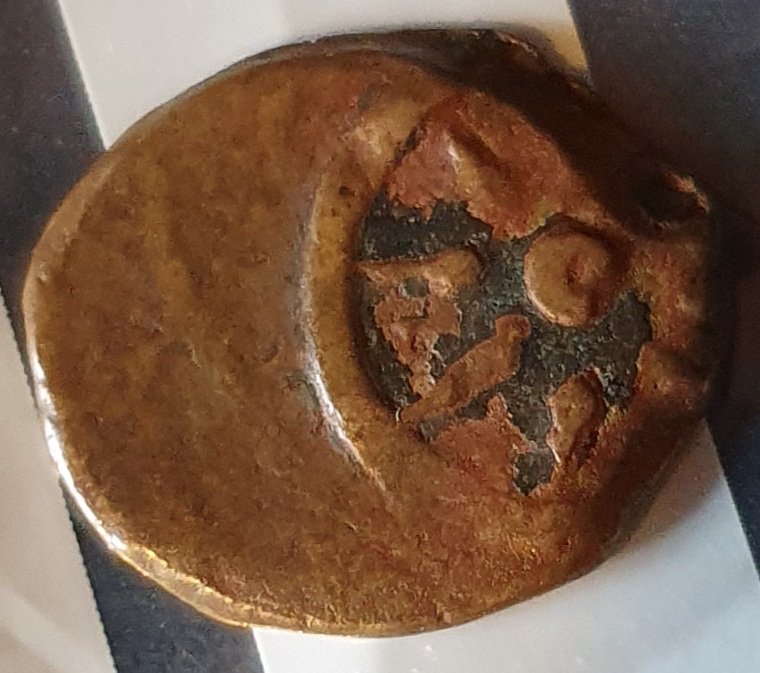 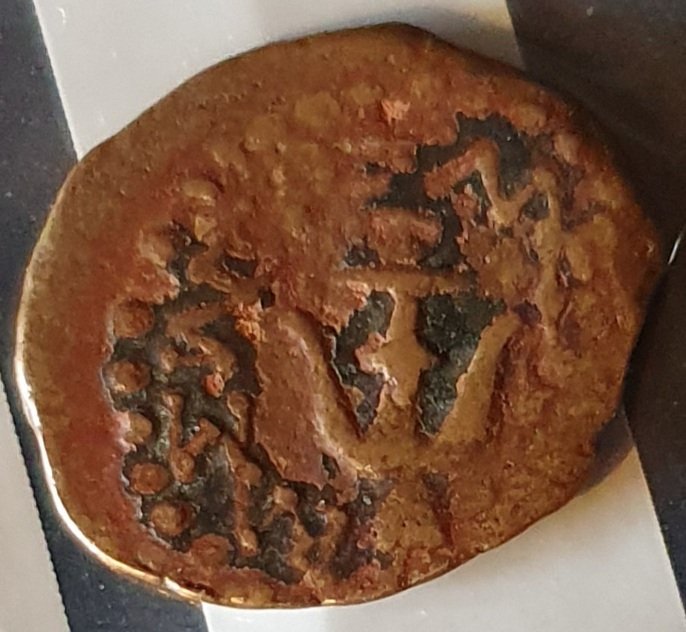 '64 for scale as my ruler appears to require a firmware update (can't find it) 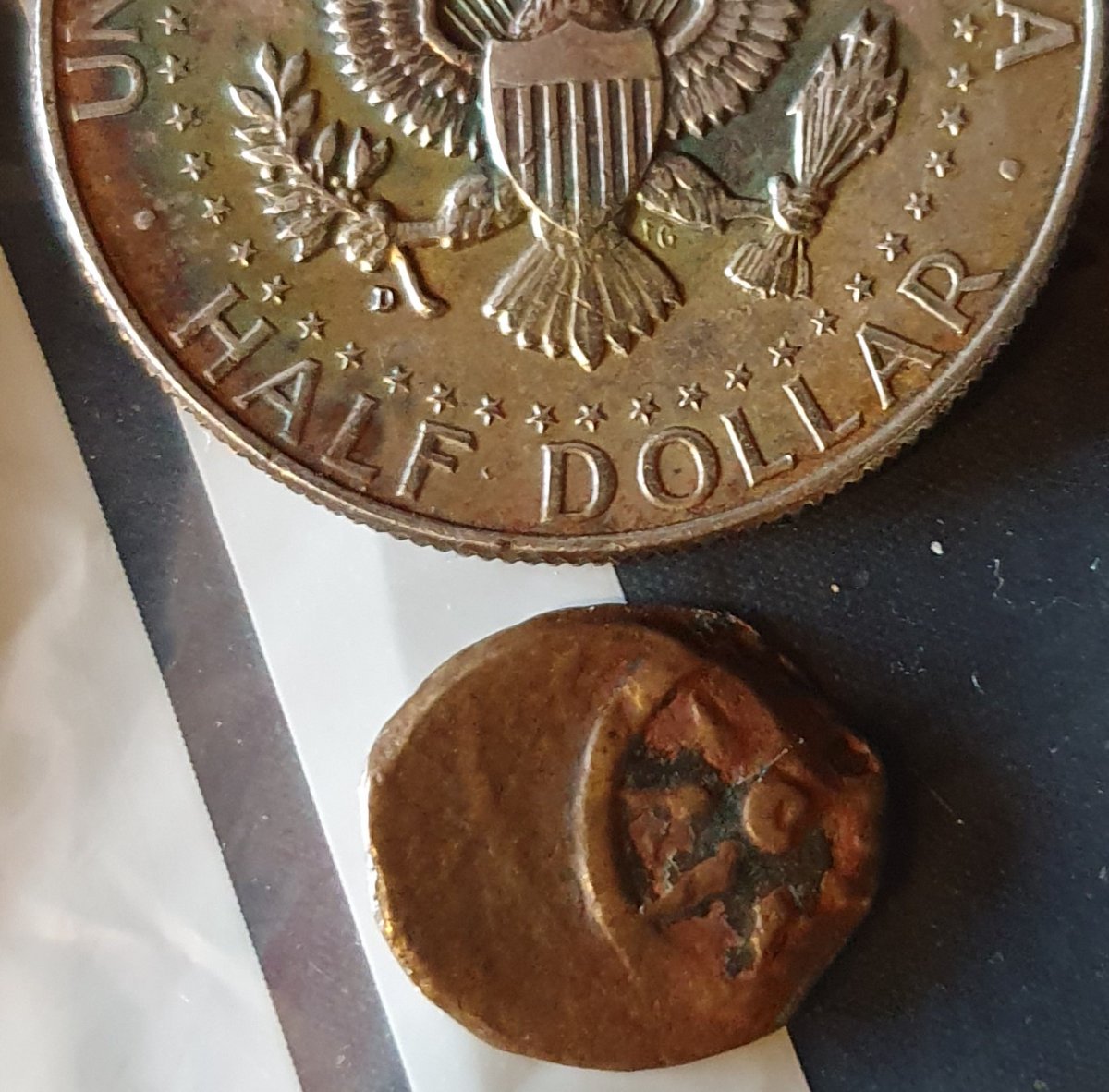 |
|
CCF Advertiser
United States
1318 Posts |
Well there is such a case to be made of a prutah die being used on a very light flan. I mean if you have writing around the anchor people will say that was a prutah die that made it. Not being Roman or Greek so not a powerful people they might have not thought that much one way or the other about the weight standard. There is a book on the coins of Herod the Great,
"The Coins of Herod A Modern Analysis and Die Classification, Fontanille" I looked over for a while when I was trying to identify a bunch of Herods. Boy he made a ton of coin types in bronze and what a complete mess of images and issues. And he was in a more prosperous time of course for Jews.
|
|
Valued Member
United Kingdom
218 Posts |
Quote:
Boy he made a ton of coin types in bronze and what a complete mess of images and issues. Herod being indecisive? Quelle surprise..  I did have a quick look at the Herod list of them and yeah.. That's one for a rainy day week month. |
|
Pillar of the Community
United States
1554 Posts |
I suspect that the distinction between prutah and lepton may well be illusory. Prutah is a word derived from Aramaic and found in the Talmud and Mishnah. Lepton is a Greek word found in the biblical pericope of the "Widow's mite" where the evangelist writes "two lepta, which is a quadrans" (Mark 12:41-44) or per the KJV translators, "two mites, which make a farthing". The quadrans was a small Roman bronze coin which would have been familiar to those for whom the gospel was written. As noted above, the weights of individual coins of similar type are all over the place and do not cluster as one would expect if two denominations were intended. I think the best interpretation is that prutah and lepton are the Aramaic (Hebrew) and Greek words, respectively, encompasing any number of small Hasmonean, Herodian and Roman provincial coins circulating in the region. The op is the type most commonly marketed as the "Widow's mite". In the 1990s, a well-known Kentucky dealer acquired a hoard numbering in the hundreds of thousands. I have examined many hundreds of them in hand myself and can verify that size and weight varies wildly.
Edited by Kushanshah
04/29/2021 4:51 pm
|
|
CCF Advertiser
United States
1318 Posts |
|
|
Valued Member
United Kingdom
218 Posts |
Different names would make sense in different languages.
Loads of denominations in modern times have had more than one recognised term just within the same language.
Good to know the weight is so variable.
(assumption)
The easiest way to make a huge amount of similar sized blanks that small would be to just drip molten metal into water, but there are many factors that would leave you with quite a random selection. Using molds for coins that small would be difficult, annoying and involve far too much work (particularly reclaiming overpours).
I've done it to make larger silver shot, and no matter how carefully I set it up there's fairly wide variation in size and a decent percentage of spattering.
I'd guess that would be how most of them were made with the ones outside parameters put back in for smelting.
(/assumption)
|
|
Pillar of the Community
United States
1554 Posts |
My guess (no one really knows) is that they are the same denomination separated by time rather than by denomination. Their nominal value almost certainly exceeded their intrinsic value. Jannaeus' rule was long enough and his troubles deep enough for inflation to have taken its toll.
[Edit] We do know how they were made. The flans were cast in strips and the coins struck while still attached. The individual coins were then snapped or chiseled apart.
Edited by Kushanshah
04/29/2021 5:15 pm
|
| |
Replies: 8 / Views: 1,572 |
|







 Posted 04/29/2021 1:09 pm


