First,

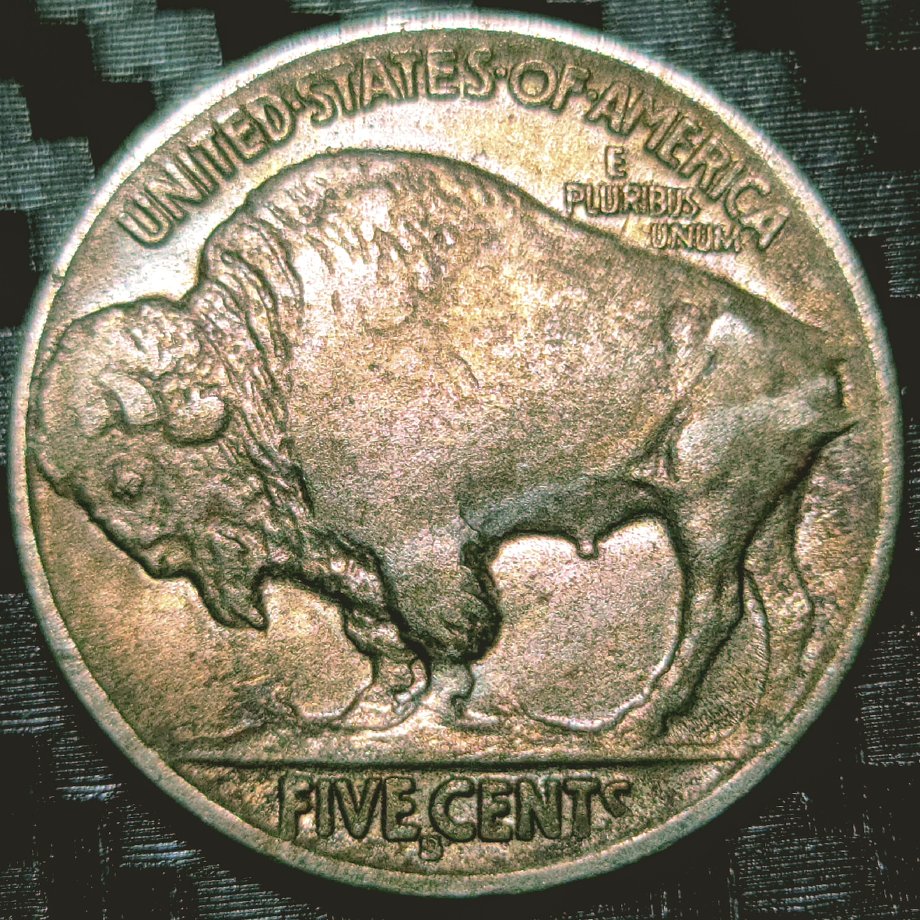
I enlarged and sharpened the photos that you posted. When I look at the coin's reverse, I have more questions than answers.
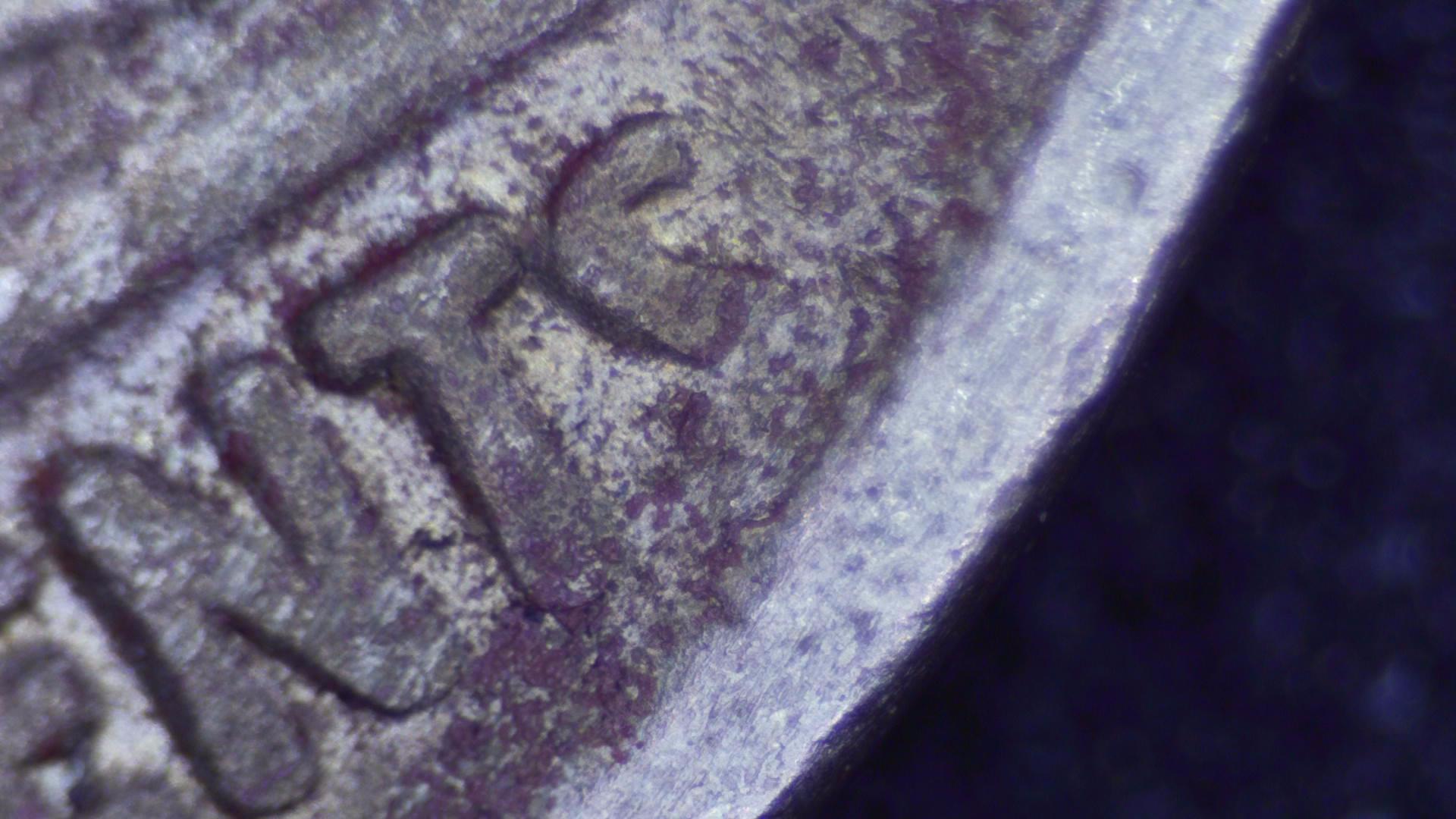
The surface is exceptionally pitted. This pitting covers the rims, as well as the fields and devices. At a minimum, this pitting has to be some type of damage, rather than anything in the minting process. Even a pitted planchet would have the pitting confined to areas of the coin with less metal flow during striking. The pitting also would not cover the rims, since this would be an area of higher temperature and metal flow during striking.
I could be wrong on this, but I suspect that this coin was acid-washed to bring up more detail and to clean the surface. An acid that is more reactive to the 75% Copper in the alloy could produce significant pitting.
There is what appears to be bubbled metal along the inside of the rim near the "TS" of CENTS. This could be a result of prolonged exposure of this area to acid. I do not see evidence of acid eating away the bottom of the "S" in CENTS, however. The break in the "S" is too clean, and suggests something mechanical. An automated coin roll crimping machine could explain that damage, as well as the flattening on "TED" of UNITED and on STATES.
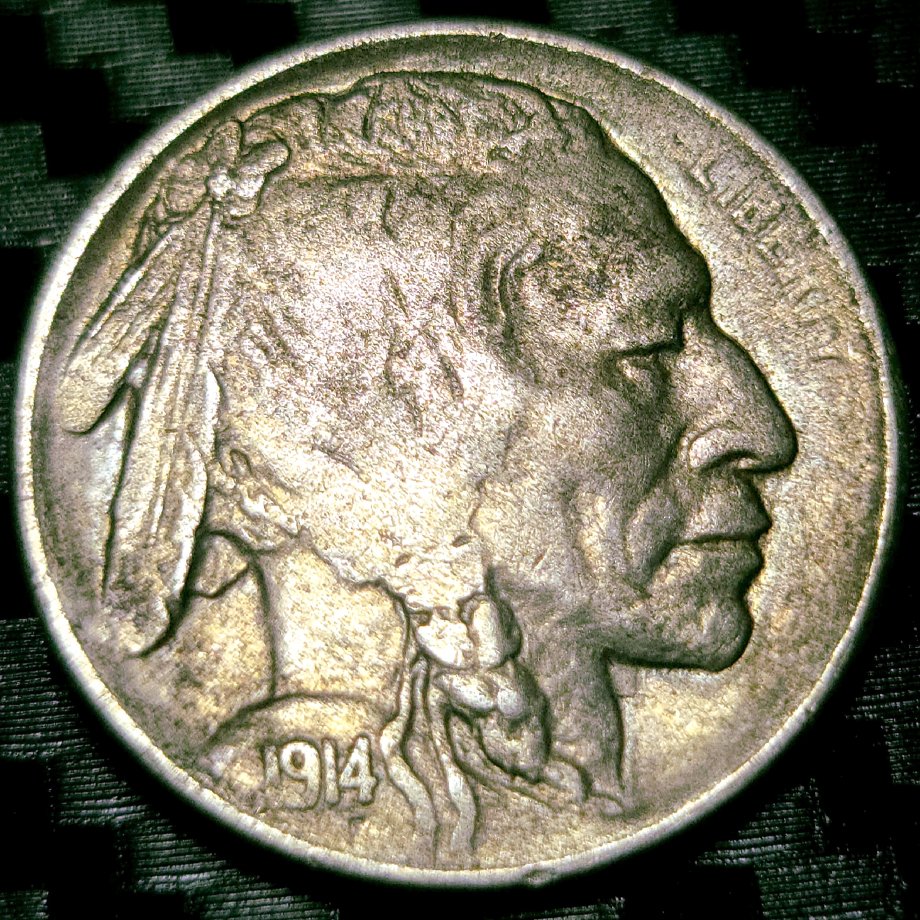
It can't be die polishing at the "S" of CENTS. Die polishing was done to remove evidence of die clashing. This area of the reverse die would not have anything to clash with on the obverse. The "S" of CENTS would have clashed with the open area above the Indian's head, For comparison, note the heavy die polishing on both sides of the buffalo's rear leg. This area frequently clashed with the "LIB" of LIBERTY.
Bottom line: The missing lower "S" appears to be post-mint damage, and the coin appears to have been exposed to acid, causing at last the pitting, and possibly more damage.
Again, welcome, and thank you for posting your coin.









 Posted 05/08/2021 5:36 pm





