| Author |
 Replies: 12 / Views: 1,133 Replies: 12 / Views: 1,133 |
|
|
Valued Member
184 Posts |
|
|
|
|
Valued Member
 184 Posts |
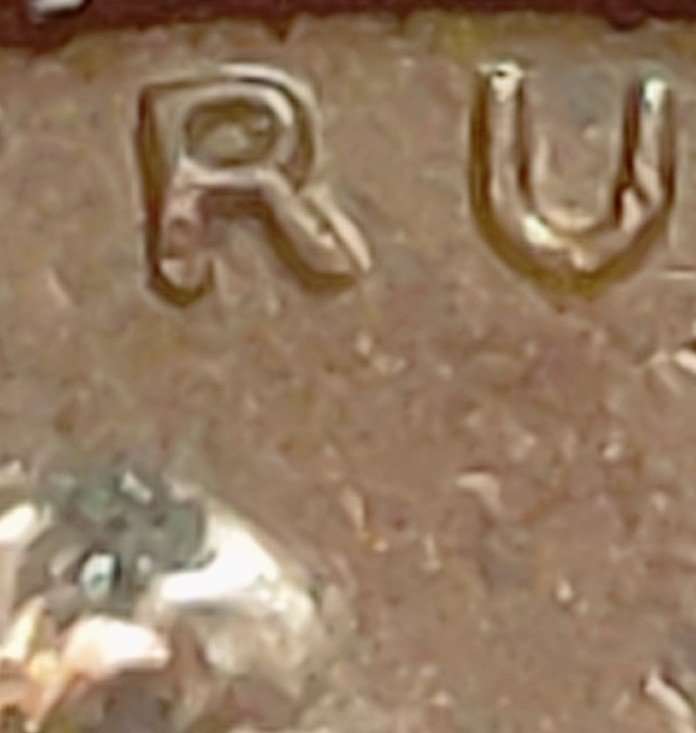
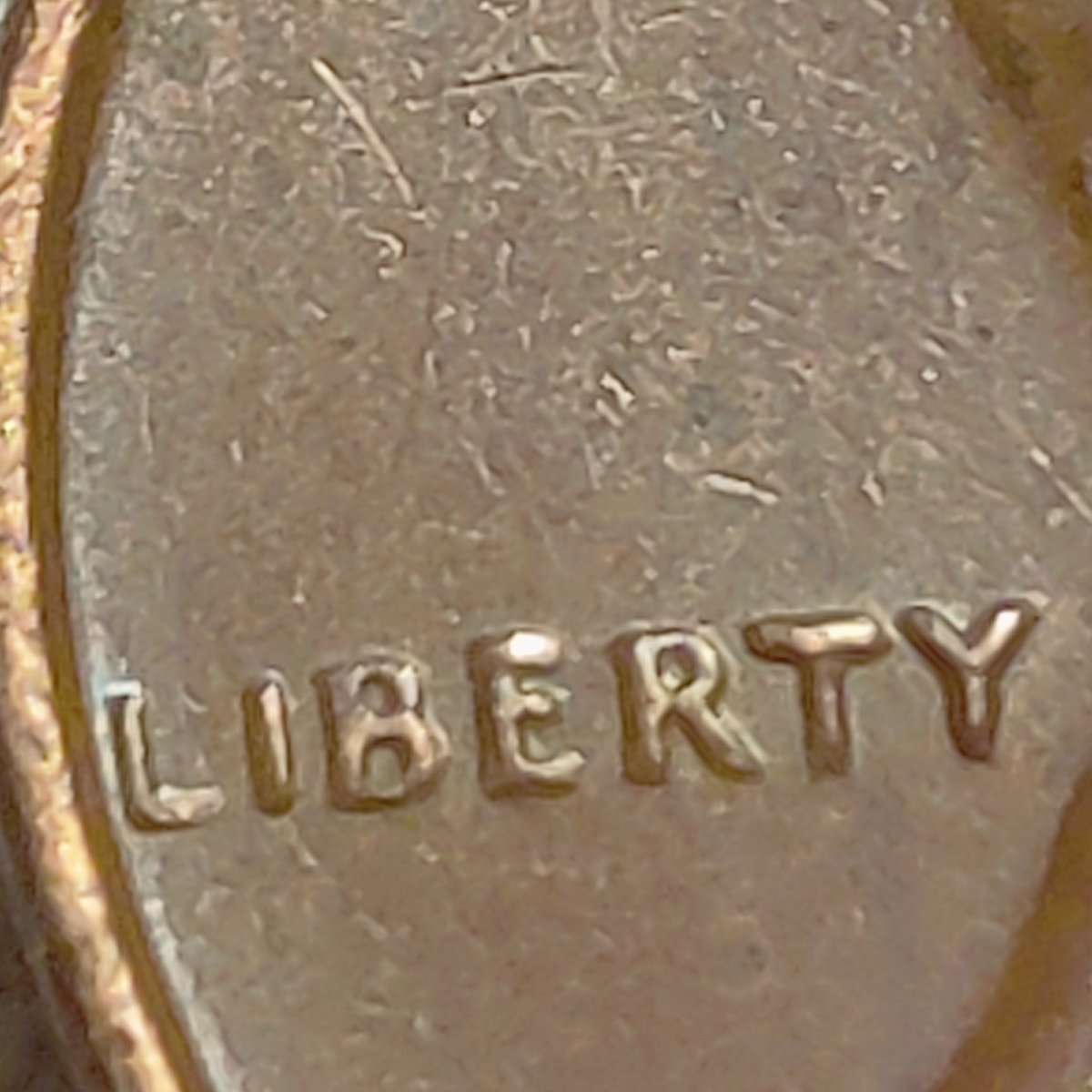
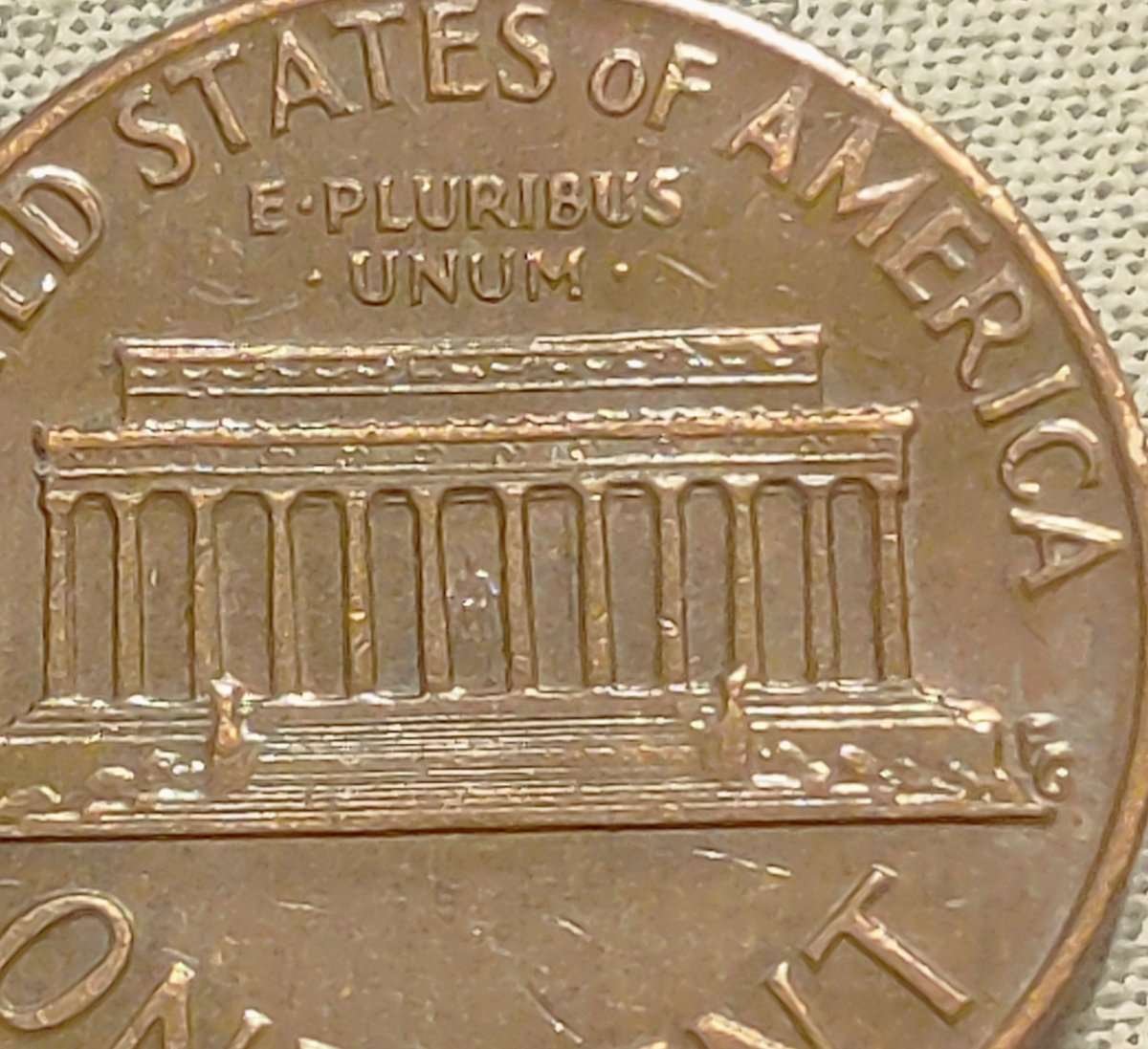
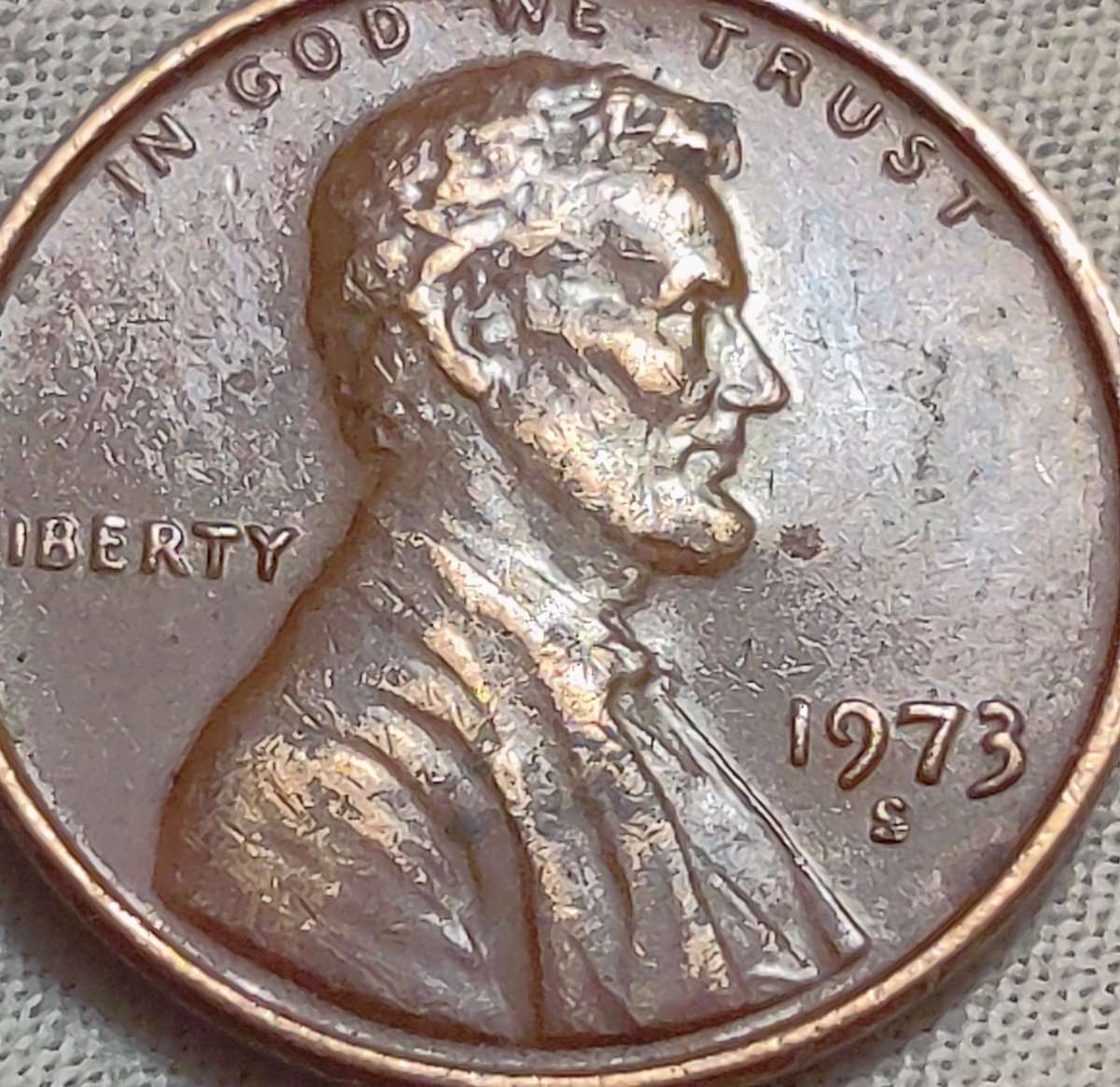
It must be a winner of the gallery is silent. No speculation?
|
|
Moderator
 United States
56855 Posts |
Need better photos, but looks like MD. John1  |
|
Bedrock of the Community
United States
62064 Posts |
Not a die issue. Just coin contact. No spread on the devices. Just a spender.
|
|
Valued Member
184 Posts |
So it's not a doubled die?
|
|
Bedrock of the Community
United States
62064 Posts |
Here is what to look for on a doubled die for that year/mint: http://www.varietyvista.com/01b%20L...O%201973.htmAlways check the sites to see what is listed. That will give you direction on your searches. Coppercoins listings: http://www.coppercoins.com/lincoln/...ie_state=mdshttp://www.coppercoins.com/lincoln/...ie_state=mdsTake a look at your coin and compare the show devices to see how your coin looks like. It it is not an exact match, then you don't have an example of one. Wexler site: http://doubleddie.com/823860.htmlThe more you study why your coin devices are same or different as the listed examples. You train your eyes to search for these differences. I often use a Side by side so I know what my coin looks like as compared with a doubled die: 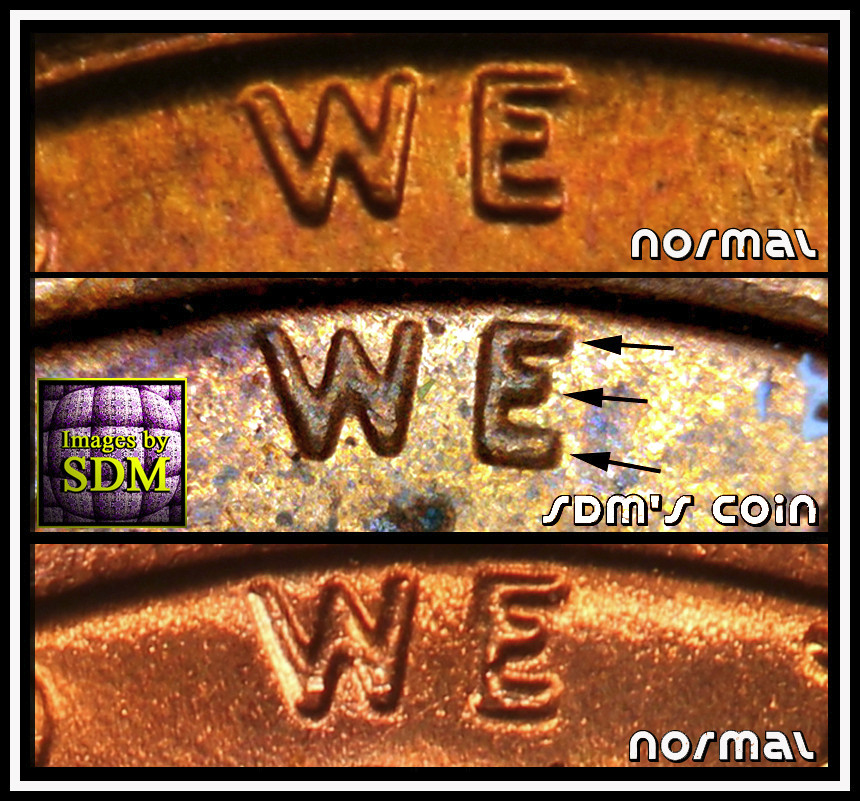 That helps you to see all of the differences without moving you eyes from one area to another. 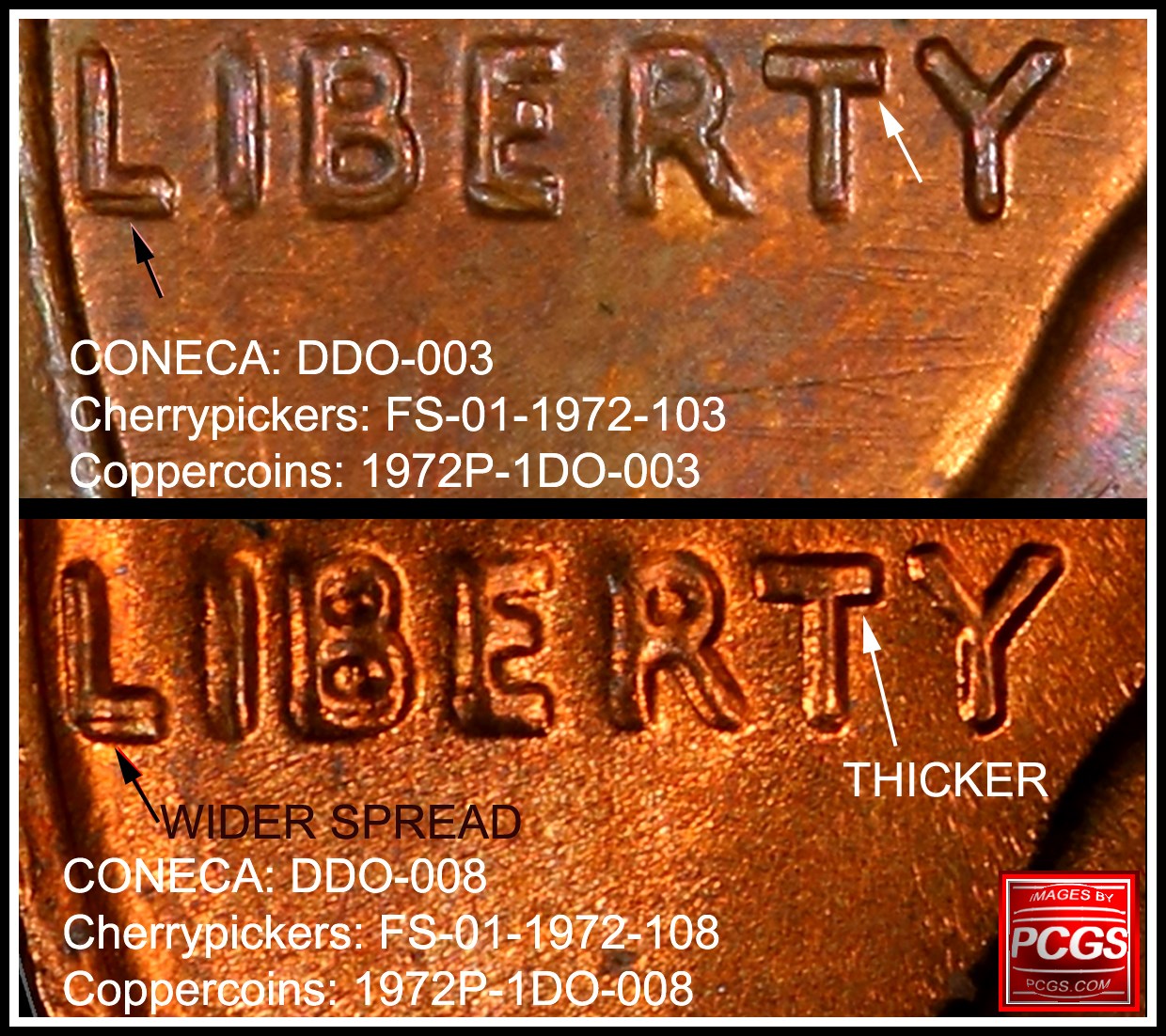 Sometimes I need to compare with two different known dies. Sometimes I compare with a normal coin and a doubled die: 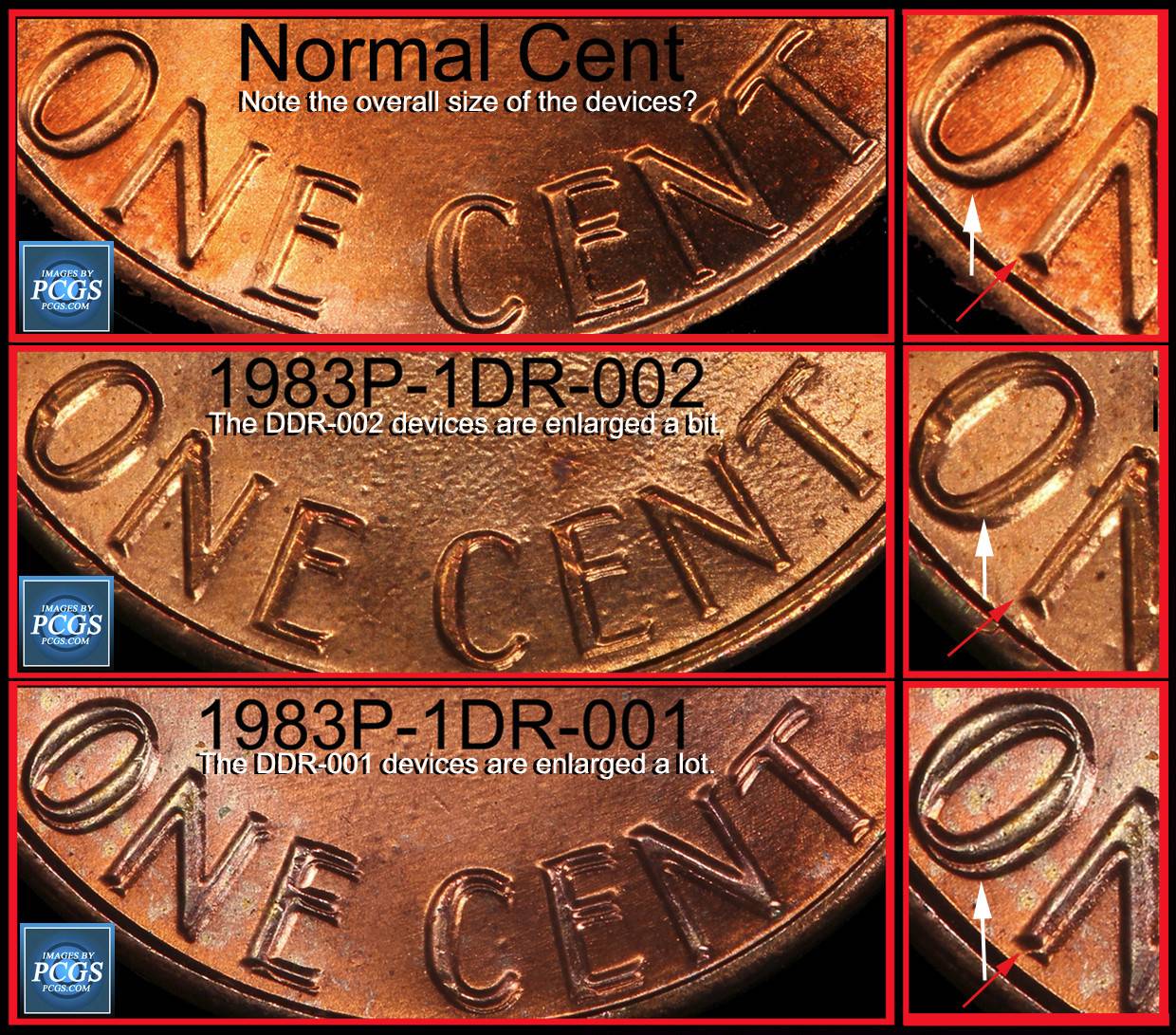 You just make the images first horizontal and then crop them to the same exact width. Place them over each other, or if you can't make them on the same image. Crop the outside borders and place each separate image on the forum page. The one on Top, crop the bottom area that is need off. On the one on top, Crop off the upper area not needed. Do it this way will allow the two images to be closer to each other on the forum. Also need help, ask. I've edited hundreds of thousands of images. So It not something new to me. |
|
Valued Member
184 Posts |
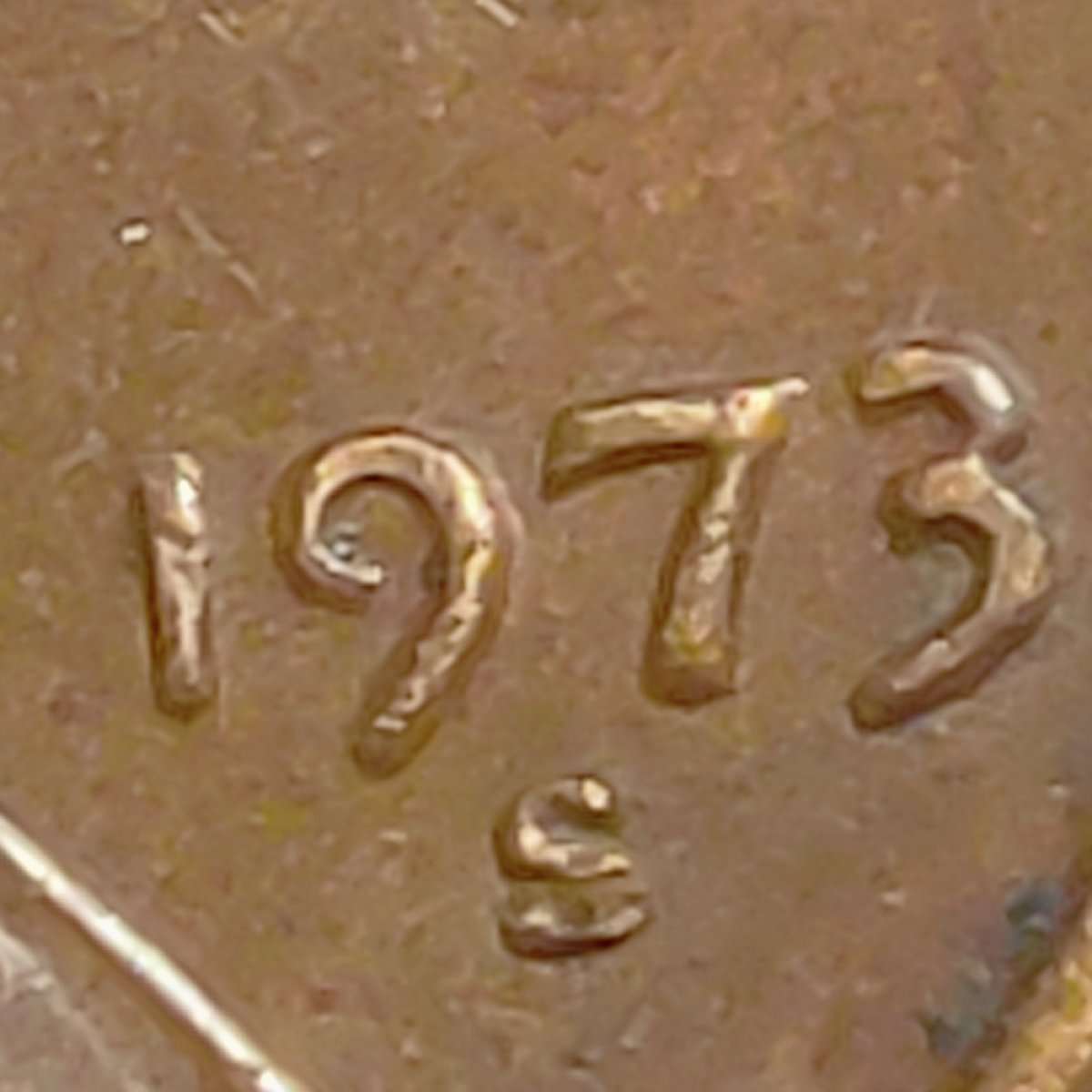
Yes sir coop I appreciate your expertise I really do but I was going kind of on the S on the die markers on the S before it curves down it seems to match it seems to look the same and are there different stages of these types of coins maybe it was a different stage   |
|
Valued Member
184 Posts |
Also I see similarities in these two sevens one wexler and one's the penny   |
|
Bedrock of the Community
United States
10635 Posts |
Coop gave you some excellent pointers. I suggest you research doubled dies through the reference pages given and/or research past postings here on CCF (search box is atop each page here, upper left). And your photos really need to improve for us to help you. There is a practice forum here in CCF, I suggest you practice your photography there rather than on us. Coin photography isn't easy, but with practice, you'll get better in nothing flat. Bonne chance!  |
|
Valued Member
184 Posts |
|
|
Bedrock of the Community
United States
62064 Posts |
Notice the coppercoins devices the taller than your coin. Also the extra width on the 't' is not present on your your coin. You need to get the devices cropped to the full image size. Not reducing it to two or one image. You need to be the size width wise to be able to compare. If you make one device larger than it really is, it is not a useful side bu side. You can't compare one device. If the make the single device the same as the DDO, is it really a doubled die. Thus you need to have all of the ducks in a row, crop to the outsides of the devices. Then make your coin the same width. On some side by sides, image taken at an anlge, will have to be adjusted to not just the width, but alter the height to make them the same size. Finding doubled dies is not an easy find. But they are found. |
|
Pillar of the Community
United States
3237 Posts |
If a coin looks like it's a doubled die on both sides, then it's a safe bet it's actually doubled on neither side. Doubled dies (with the exception of certain minor Class IX doubling at the center of newer coins) are somewhere on the order of one in a thousand. Having a die pairing for which both dies are doubled would therefore be about 1 in 1000 doubled dies, which would mean about 1 in 1 million coins you look at will be a doubled die on both the obverse and reverse. This is pretty hand-wave-y math, but you get the idea: doubled dies rare, two doubled dies on the same coin, reaaaallly rare.
|
|
Valued Member
184 Posts |
The intricacies are a little overwhelming and I'm going over your comments several times but if you want to look at my next post I made a broad sweeping title for this other coin before I saw your posts
|
| |
Replies: 12 / Views: 1,133 |
|







 Posted 05/15/2021 04:50 am





