










 Posted 05/29/2021 2:31 pm


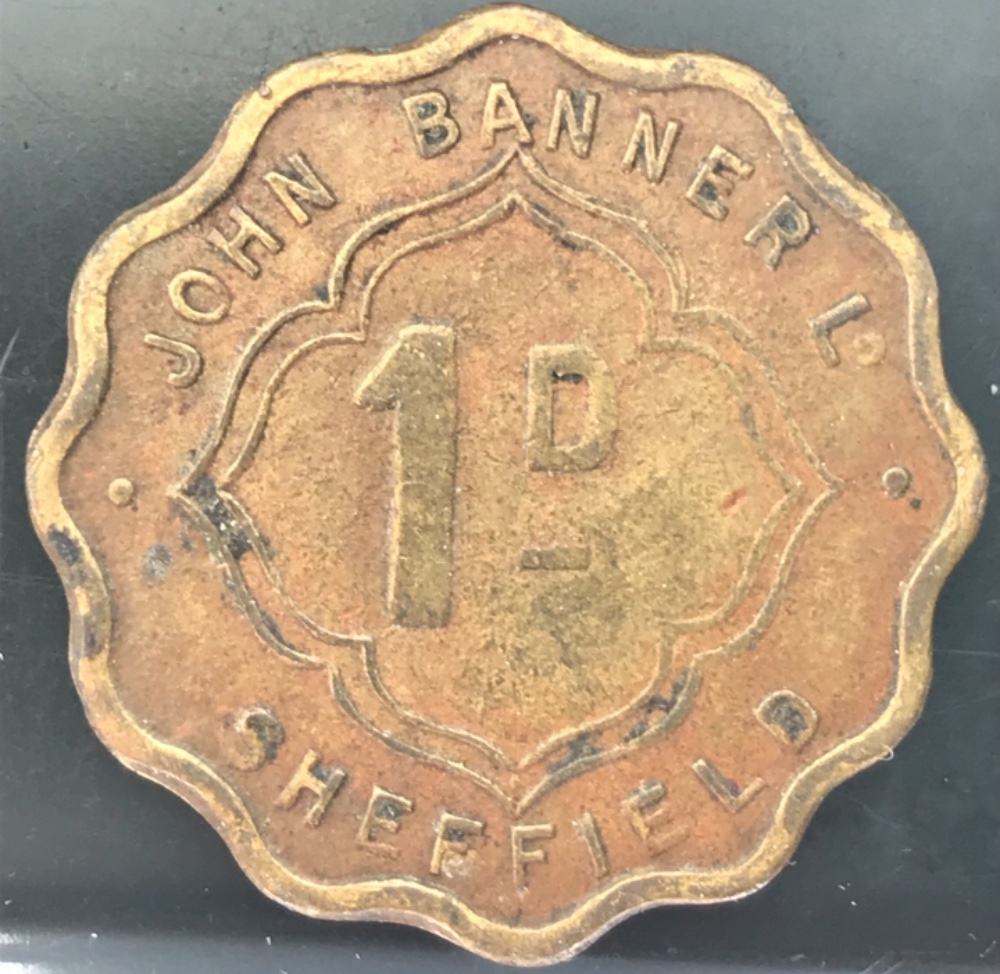
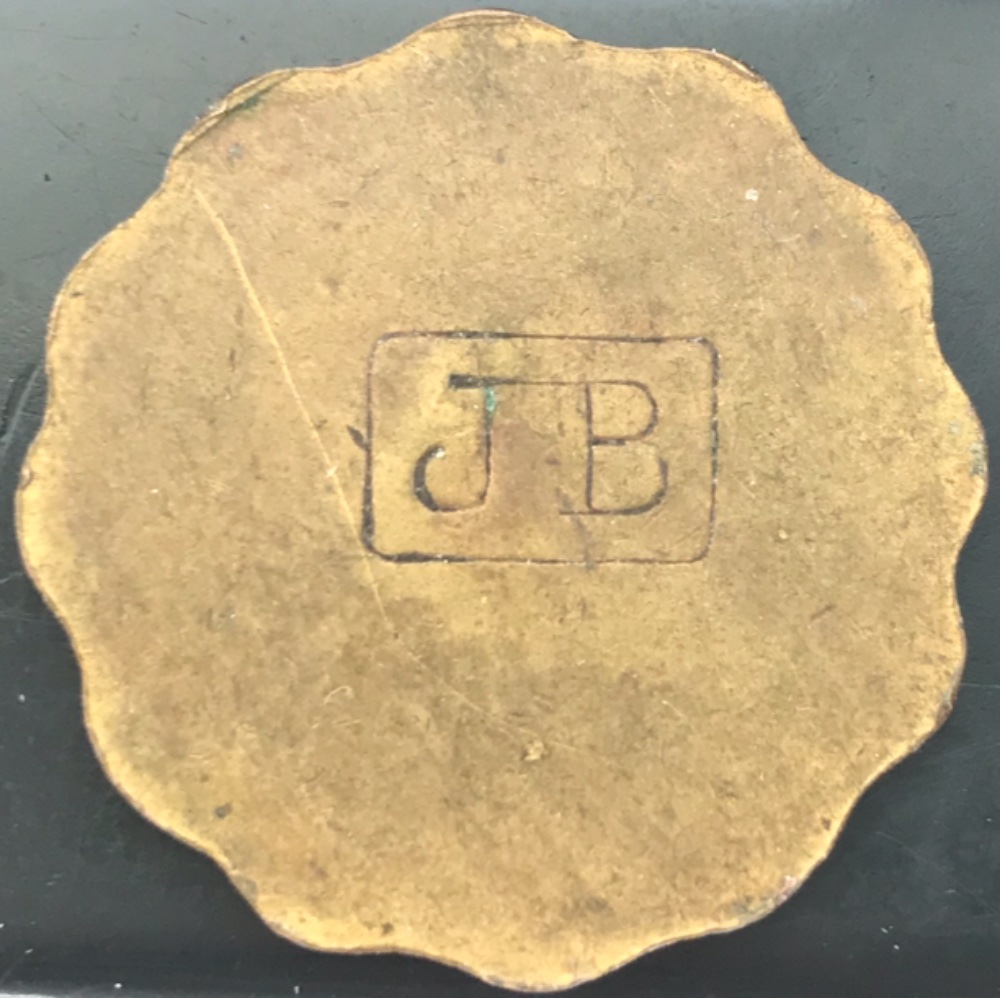
The second piece was issued by a department store in Sheffield. There are the usual low denominations (½d, 1d, 3d. 6d) but also plastic tokens up to £2. The Sheffield Museum shows one of the £2 tokens and gives this helpful information...
This is a £2 token from John Banner Ltd. John Banner's department store opened in 1894 on Attercliffe Road. This was a busy shopping street, serving the thousands of people who lived in the surrounding area. The building was redeveloped in the 1930s and is still standing today, although Banners closed in the 1980s. The shop used an in-store cheque and money system to help people pay for goods. An agent would call at the customer's house and an amount of credit would be agreed. They were given a John Banner cheque which they could spend in the store. Any change would be given in store tokens to make sure the full amount was spent with them. The customer would then pay back the credit, with interest, in weekly instalments.
Link for that information: http://collections.museums-sheffiel...f5bda2ad7d8d
This is a £2 token from John Banner Ltd. John Banner's department store opened in 1894 on Attercliffe Road. This was a busy shopping street, serving the thousands of people who lived in the surrounding area. The building was redeveloped in the 1930s and is still standing today, although Banners closed in the 1980s. The shop used an in-store cheque and money system to help people pay for goods. An agent would call at the customer's house and an amount of credit would be agreed. They were given a John Banner cheque which they could spend in the store. Any change would be given in store tokens to make sure the full amount was spent with them. The customer would then pay back the credit, with interest, in weekly instalments.
Link for that information: http://collections.museums-sheffiel...f5bda2ad7d8d


