| Author |
 Replies: 28 / Views: 1,999 Replies: 28 / Views: 1,999 |
|
|
|
Pillar of the Community
United States
2376 Posts |
Excellent, I got hooked on this type of die clash a few years back and I always keep an eye out for them.
|
|
Bedrock of the Community
United States
62064 Posts |
Edited by coop
06/14/2021 11:35 pm
|
|
Pillar of the Community
 United States
565 Posts |
Coop I picked this up because of the clash did not know at the time what caused it but need to have the coin in order to find out. I found it very interesting and it is a decent 1919-s. Thanks for your input it is always appreciated and welcomed. TD
|
|
Bedrock of the Community
United States
62064 Posts |
The mark is on that area, but not a long as it should be to be a clash. Also on a clash, just the outlines of the fields are transferred to the victim die.
|
|
Pillar of the Community
United States
565 Posts |
Coop thanks for the pictures. Okay I got what you are saying it is a die event so no clash I am cool with that I learned some good knowledge off this coin. Thank for the help. TD
|
|
Pillar of the Community
United States
2376 Posts |
So Coop
The mark on my 1916 is shorter and there is a mark on the obverse. So mine isn't a clash as well.
|
|
Bedrock of the Community
United States
62064 Posts |
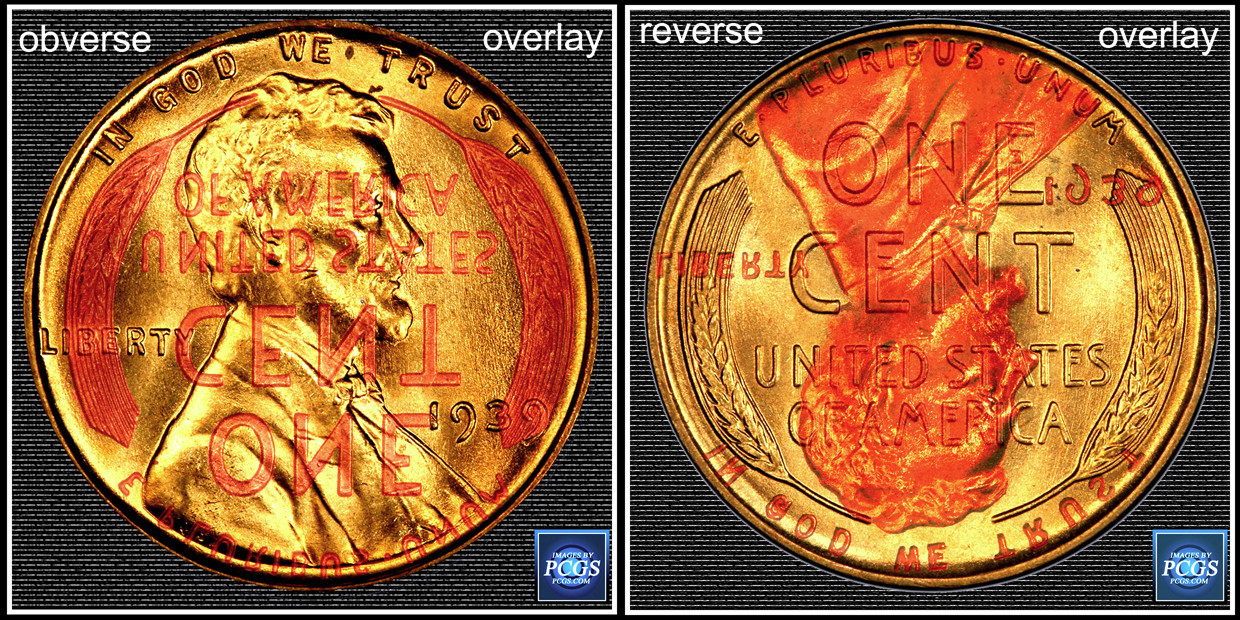
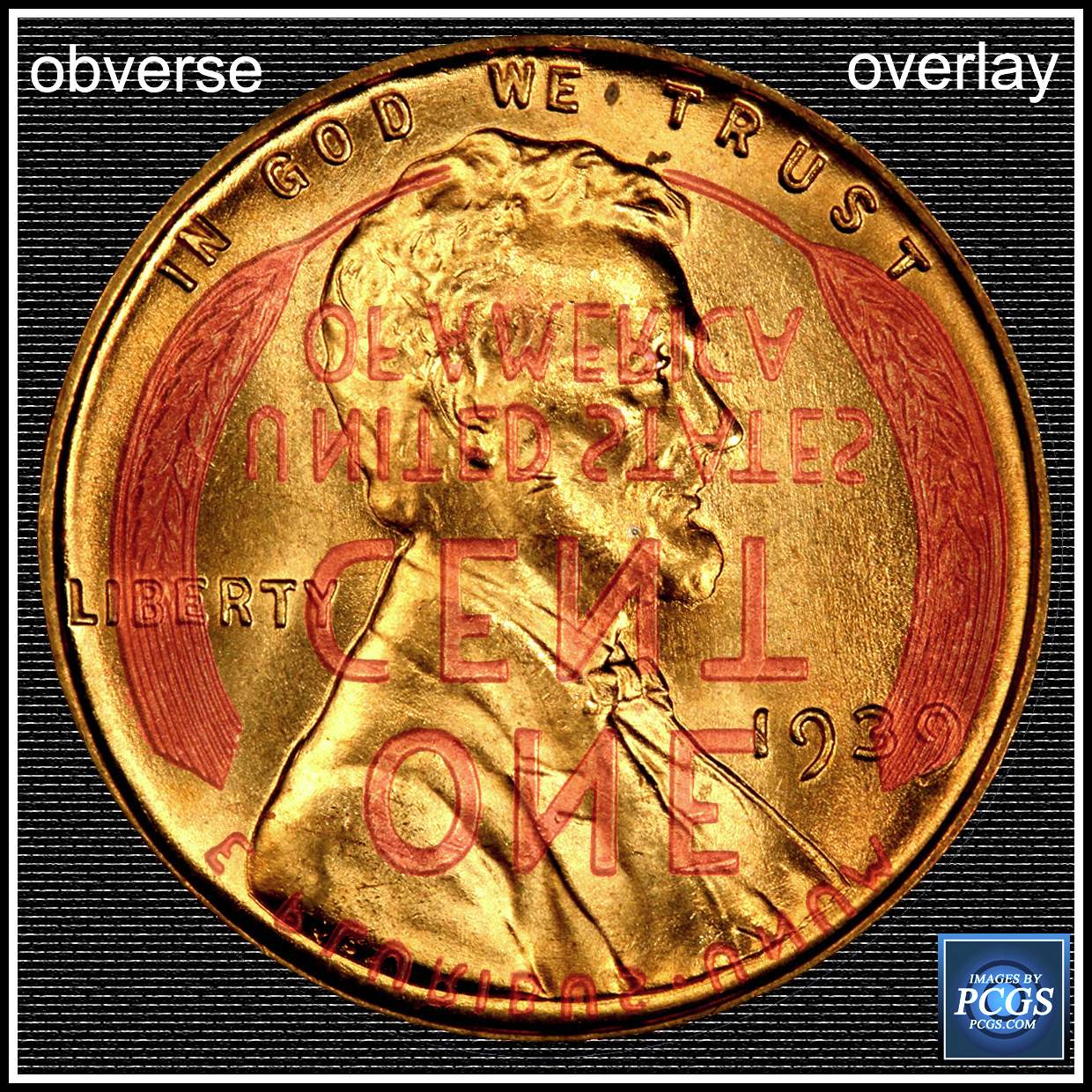
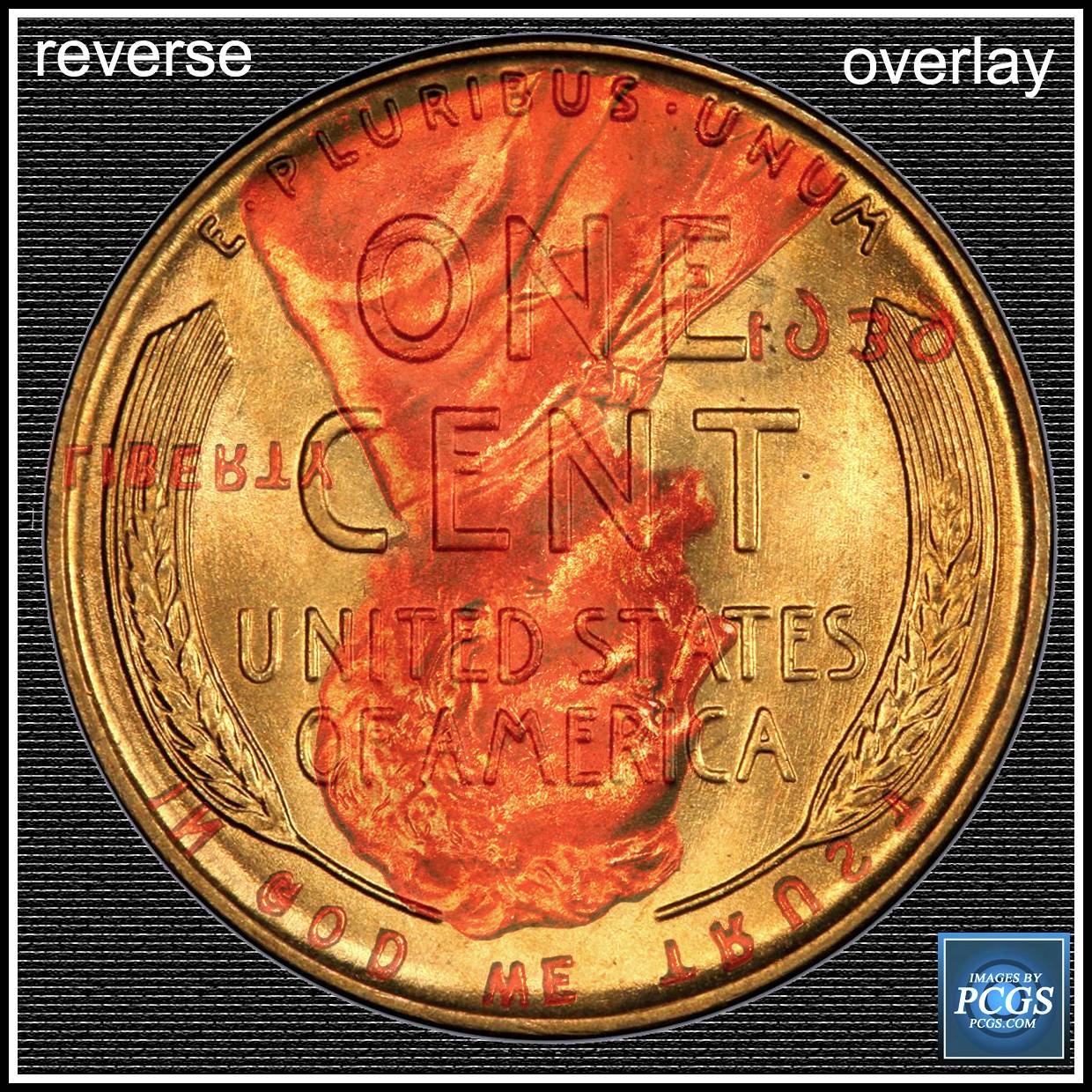
Well it is not from a clash, it can't be a clash issue. The affected area is just the opposite of a clash. Be area was scooped out on the die. So it would be a die gouge. It if it were a clash, then the fields would show an outline, not a scooped out area on the fields. At best, they would be a marker, not a clash event. A die polishing could remove a clash affect as it is surface on the fields. But a die gouge, would require that obliteration of the all the devices on the EPU to remove it. So the mint would leave the die alone and continue to use it as a die gouge. It would mean retire of the die, to remove the die gouge. So if we see more examples of this die, then they decided to use it. If the retired the die, there would be just a few examples of this die event. So I guess we will have to see if the number are limited, or larger. In time we could figure out which. But for now, we just know, the what that happened.
|
|
Pillar of the Community
United States
565 Posts |
Coop is the base of the bust enough to cause that type of die gouge. Or would the edge of the die striking the be more likely? I ask because of the M.A.D's that happen and I believe there have been some tilted die strikes also. I know it would be a wild guess since no one was there to see what happened. This has just caused me to think more on how this happened.Just a curious mind at work that's all. TD
|
|
Pillar of the Community
United States
2376 Posts |
So The similar marks on my 1928P-1DO-001 that's also listed as a tilted die clash are not a clash  And the similar mark that's part of my 1929-S rpm#1 veds is not a clash  |
|
Pillar of the Community
United States
565 Posts |
stoneman227 Another excellent coin very nice.
|
|
Bedrock of the Community
United States
62064 Posts |
Well the die gouge is on the EPU side (reverse die). Thus why it appears behind these devices. (deeper than fields)
|
|
Pillar of the Community
United States
2376 Posts |
No disrespect but of course it appears on the field part of the design.
The edge of the obverse design will dent the field of the reverse
Edited by stoneman227
06/15/2021 08:32 am
|
|
Bedrock of the Community
United States
19622 Posts |
I'll say again, great photos!
|
| |
Replies: 28 / Views: 1,999 |








 First Page


 Posted 06/14/2021 2:28 pm