| Author |
 Replies: 15 / Views: 1,591 Replies: 15 / Views: 1,591 |
|
|
Valued Member
United States
277 Posts |
|
|
|
|
Valued Member
 United States
277 Posts |
Also, if any of you have any great resources for learning about thalers from the 16th, 17th, and 18th century, I would greatly appreciate it! This is the first thaler I have ever purchased, and it was a bit of a spur of the moment purchase. Nonetheless, I find it very interesting and would love to go deep into learning how these things were made, how many are left, what the market for these are, etc. etc. Thank you!
|
|
Valued Member
United States
277 Posts |
Also: the obverse/reverse alignment is roughly 90 degrees, with the reverse turned about a 90 degree angle compared to the obverse when the obverse is aligned right-side-up.
|
|
Bedrock of the Community
Australia
21794 Posts |
Krause
World Crowns and Thalers (I have a copy)
indicates that there is a huge number of European silver coins of crown sized module.
Fakes of these are around.
A large catalog may warn of fakes, but that is about all.
Most of the older European sourced fakes are in good silver.
XRF may show up poor silver, but won't necessarily help to confirm as authentic, if the silver is good. It is possible that a good fake can have been made from recycled coin silver.
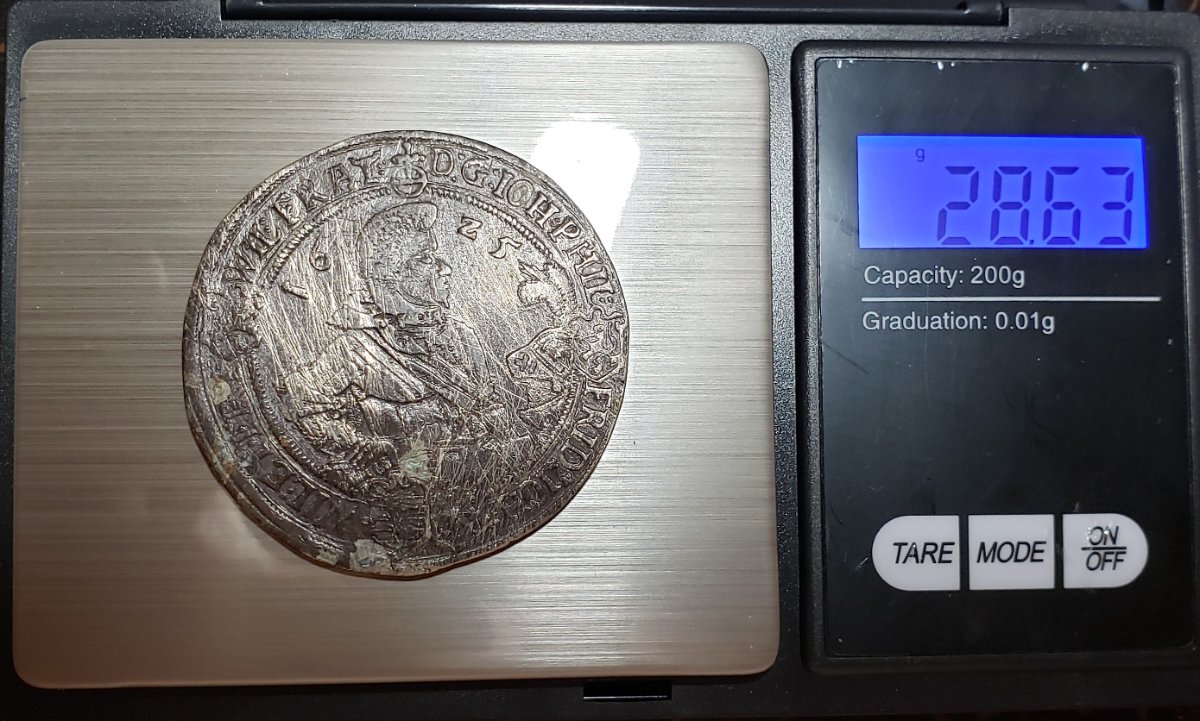
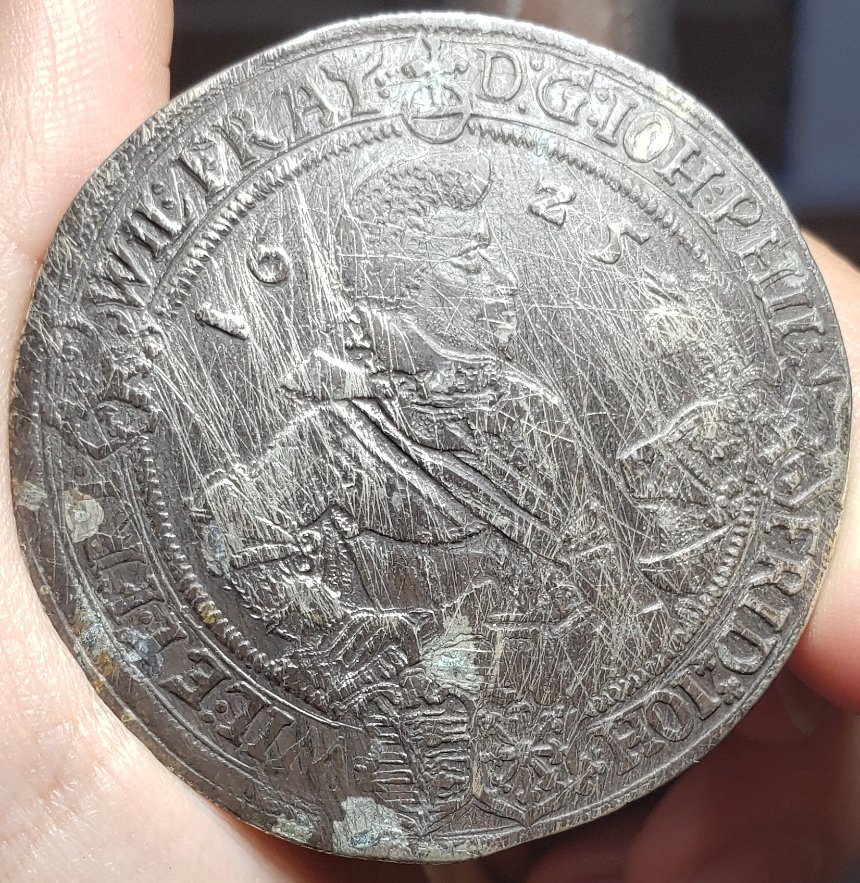
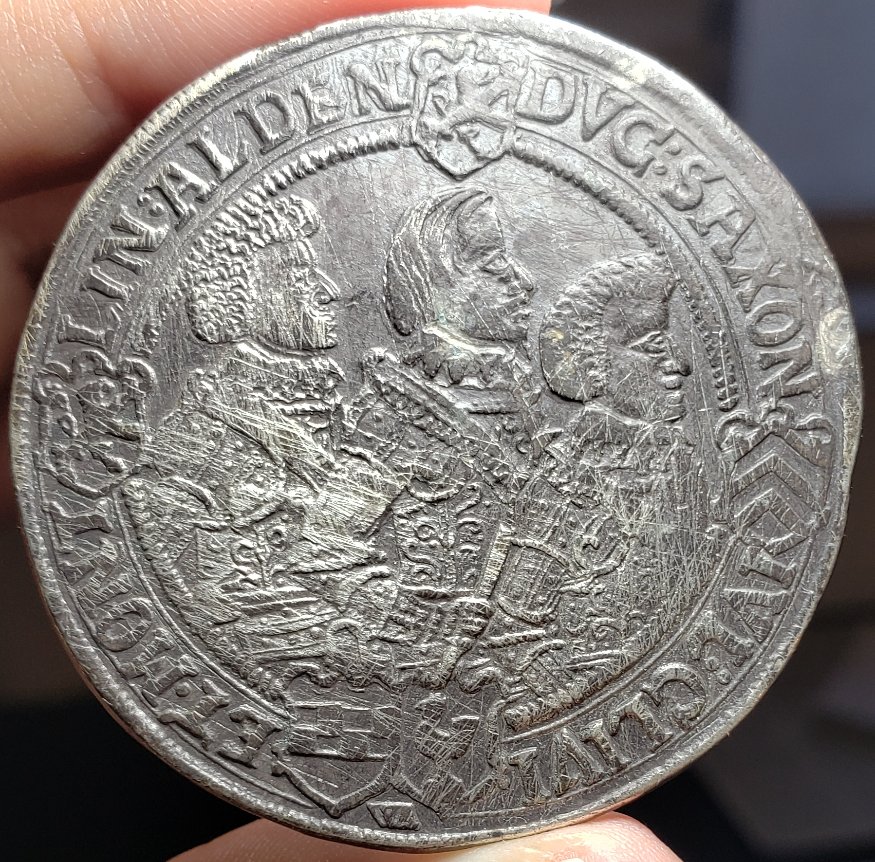
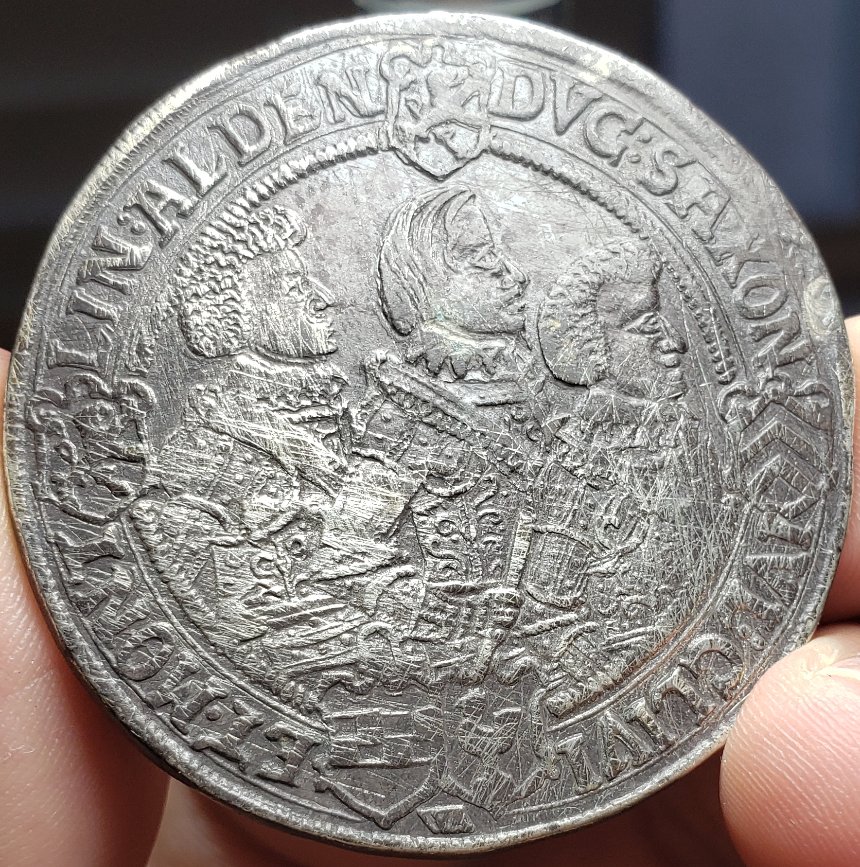
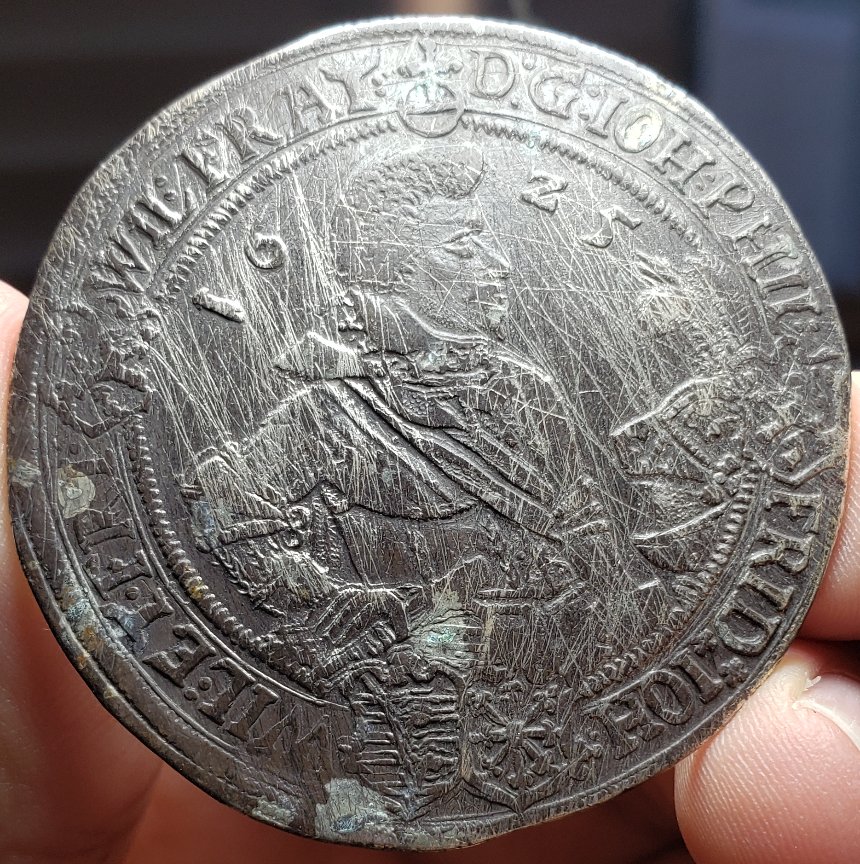
To confirm the pictured coin as authentic, expert opinion may well be required, but from my meagre expertise in this area,
it looks OK on screen.
Edited by sel_69l
06/29/2021 12:08 am
|
|
Pillar of the Community
 United States
8076 Posts |
AGree with @sel - I don't see anything that makes me suspicious when I compare this to other examples which have been authenticated.
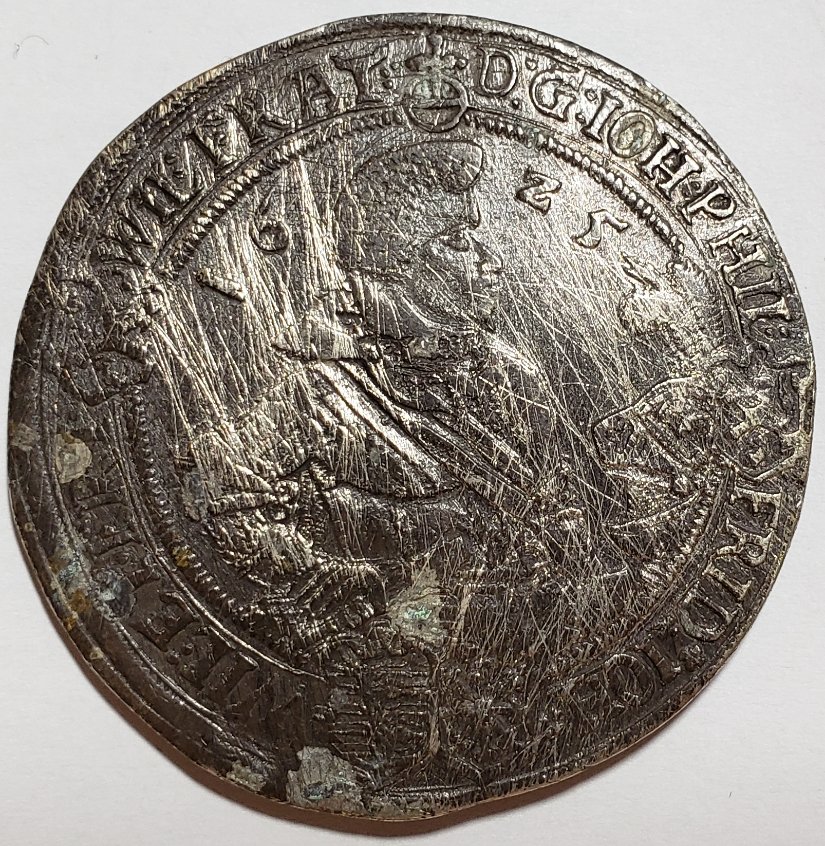
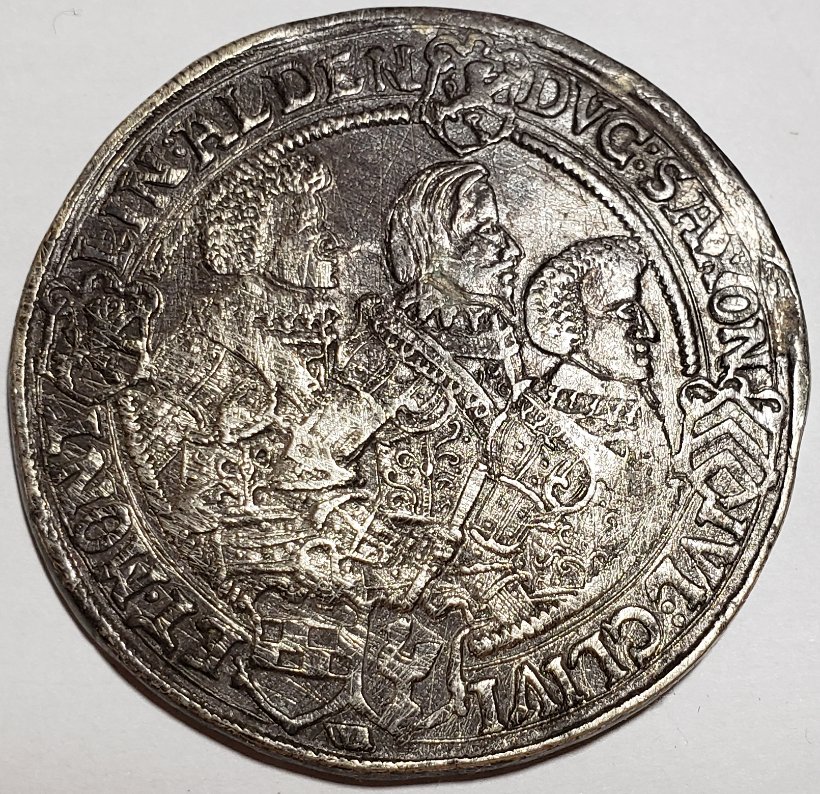
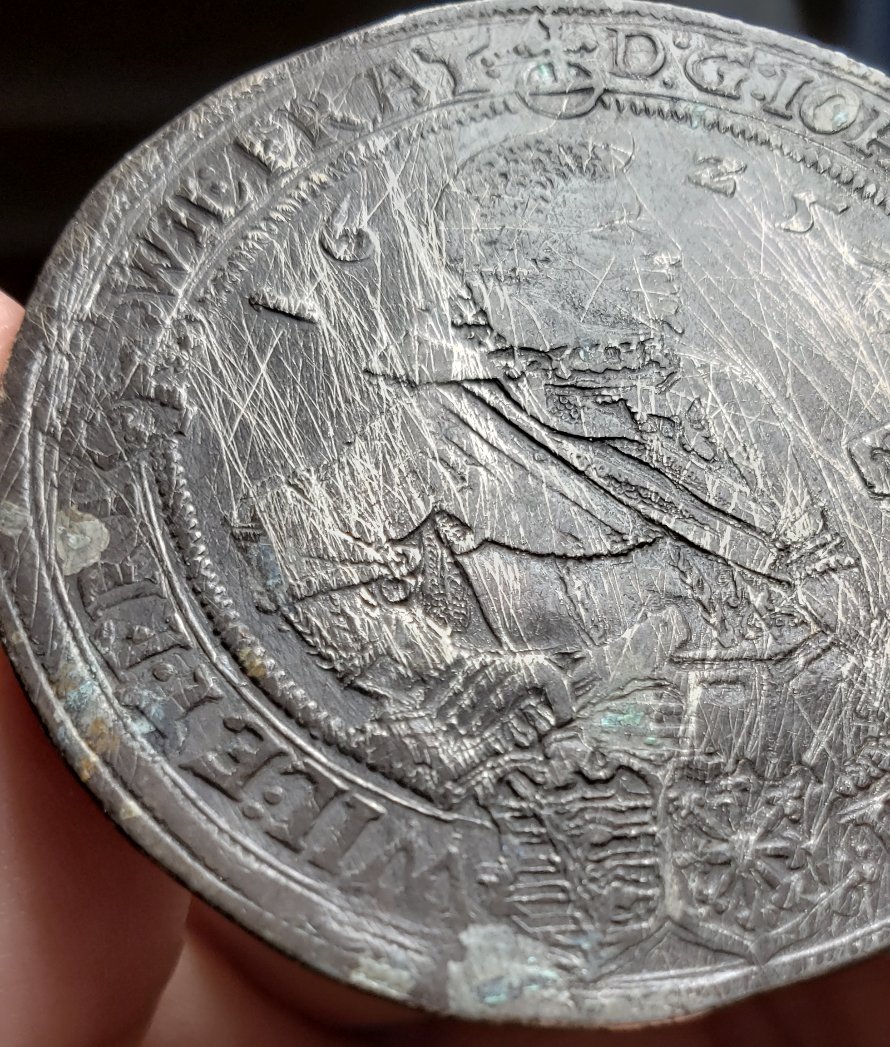
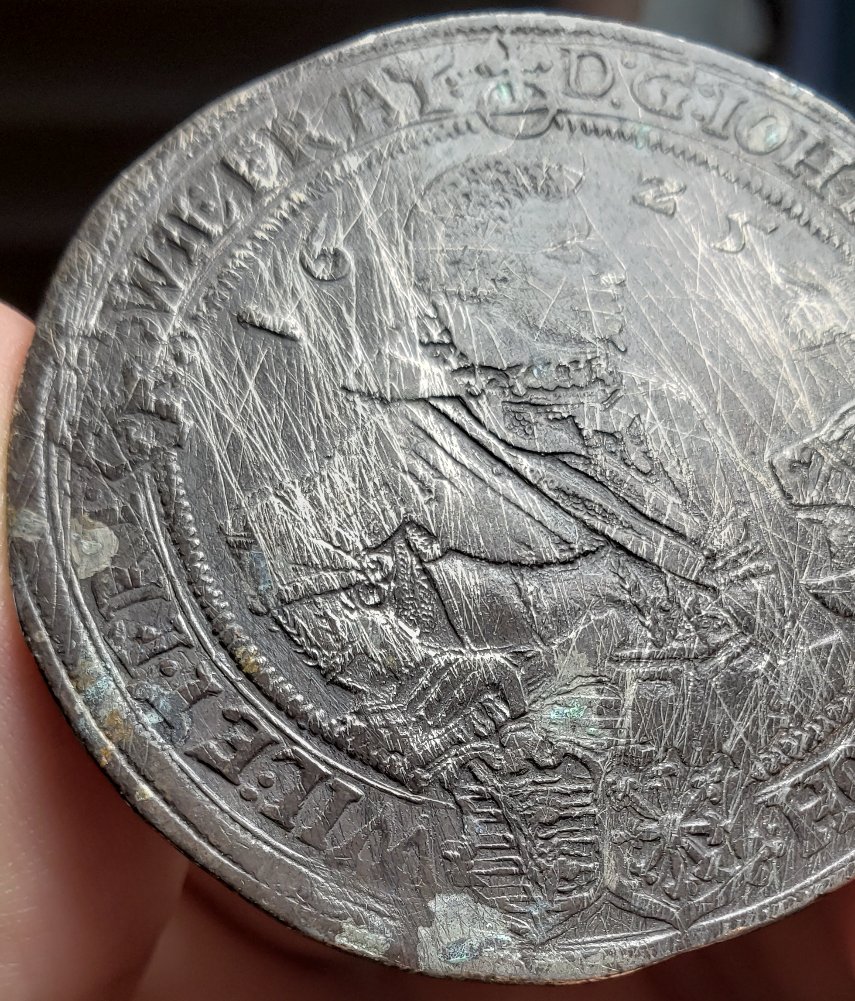
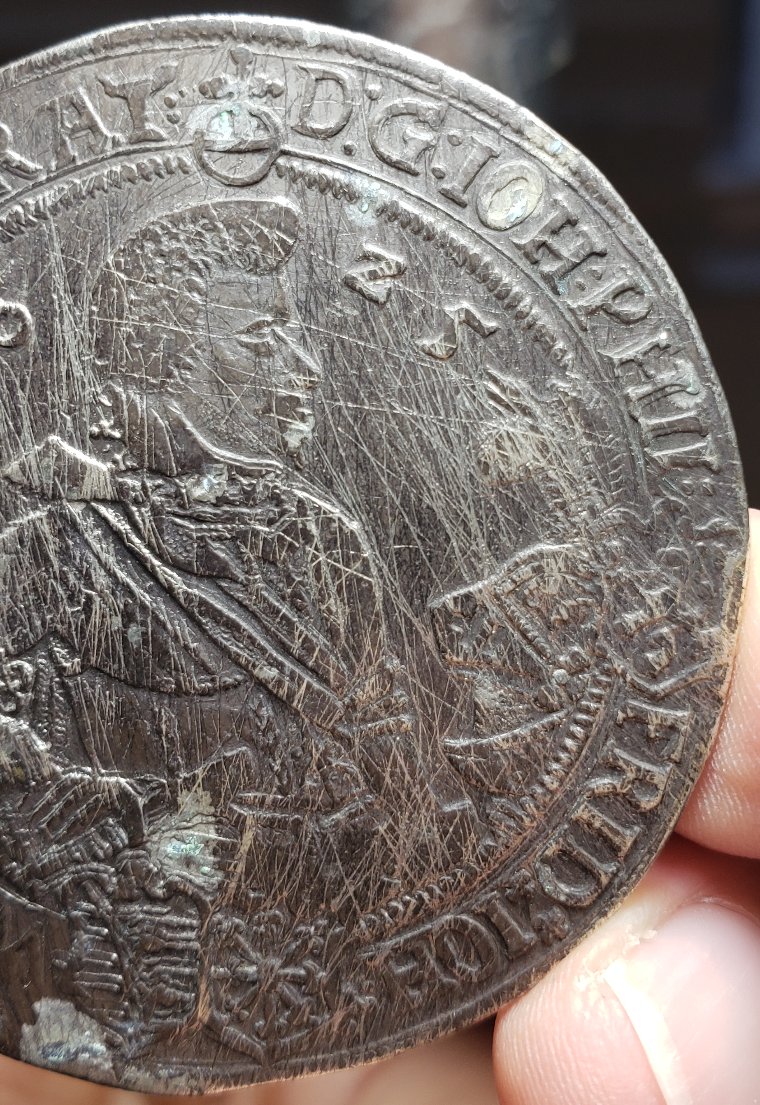
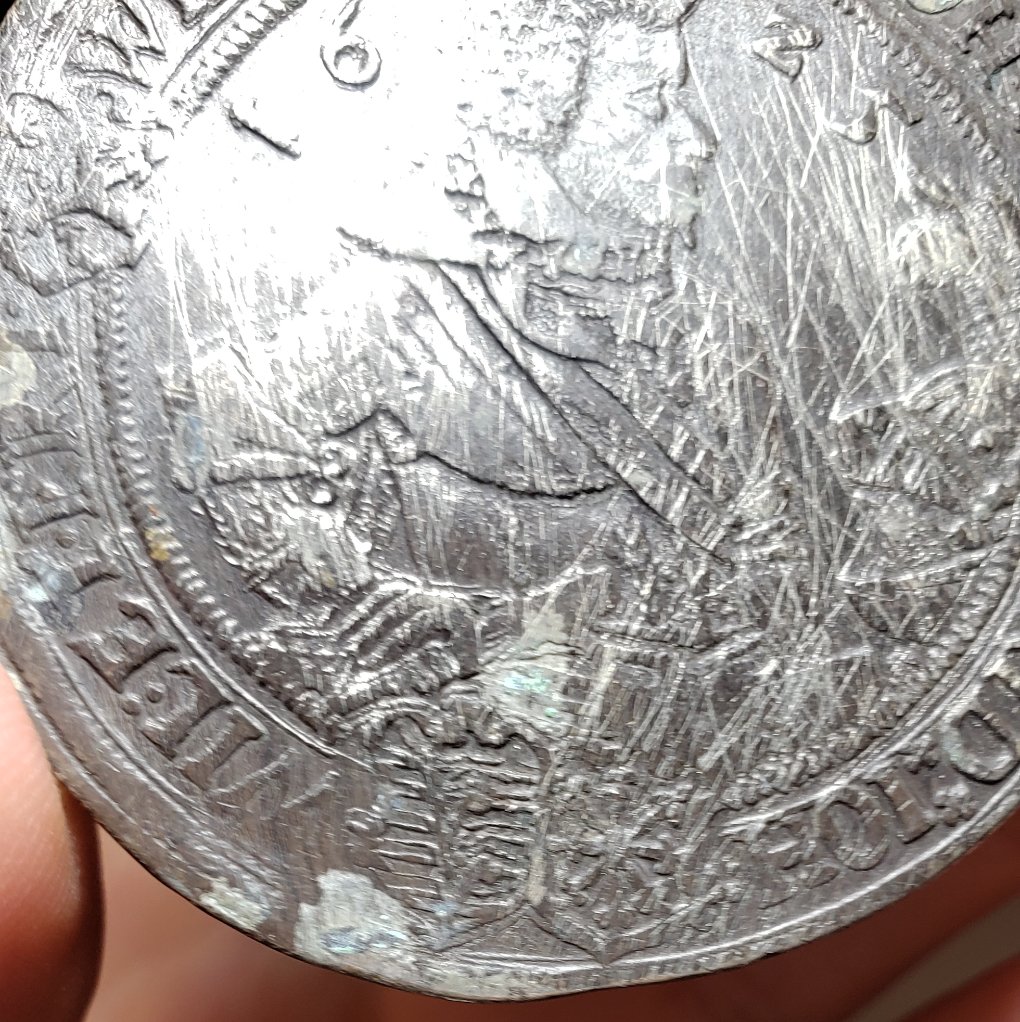
Spectacular coin, too bad for the scratches.
As discussed on some other threads, there is really no way to know with any certainty how many extant examples. None of these show up in CoinArchives (last 6 months); there are 18 that show up in acsearch, covering auction results for the last 15 years.
Those two sources can give you a lot of info on the market for any particular type. MA-shops is another place to poke around.
We have lots of thaler collectors out here to advise you on how to learn moire. I think @sel has given you a good starting point.
Edited by tdziemia
06/29/2021 07:40 am
|
|
Valued Member
United States
277 Posts |
Thank you for the comments so far :)
@tdziemia It is quite spectacular and much larger than I expected. It's unfortunate that so many scratches are on it though. I suspect that someone thought using some form of hard abrasive was a good way of cleaning off the patina and stopped half-way. Shameful to be honest. I'd love to know how many were minted and survived. NGC lists this piece at $50 in lower conditions, so I don't think it could be too rare compared to other thalers. Still, how does a coin like this survive for 400 years? Suggesting that less than 1,000 have survived might seem a little low to me, but perhaps there aren't many of these examples left in the world.
|
|
Pillar of the Community
United States
8076 Posts |
Quote:
Still, how does a coin like this survive for 400 years? Welcome to the world of Ancient and World Coins! I suspect hundreds of thousands of ancient coins have survived for nearly two millenia, and even more European coins from the 1500s to 1800s have survived ... Because of collectors like all of us! |
|
Moderator
 United States
34572 Posts |
@new, I think that it is probably worth (non-destructively, e.g. XRF as mentioned by @sel) finding out the metal alloy on this one. The flaking black patina concerns me, but who knows what indignities a coin might undergo in nearly 400 years?
"If you climb a good tree, you get a push."
-----Ghanaian proverb
"The danger we all now face is distinguishing between what is authentic and what is performed."
-----King Adz
|
|
Valued Member
United States
277 Posts |
@tdziemia I wonder how many coin collectors this coin has seen! If a human generation averages at a rate of 24 years in the past, 400 years would include 16 generations. I could be one numismatist down a line of many for this one coin. I'm personifying a bit but think of the different languages this coin has heard over all those years. It's fun to imagine and ruminate over.
@Spence The scratches truly are an indignity! Great lesson that not all people see the significance and value in true rarities one might come across, coins included.
|
|
Pillar of the Community
United States
689 Posts |
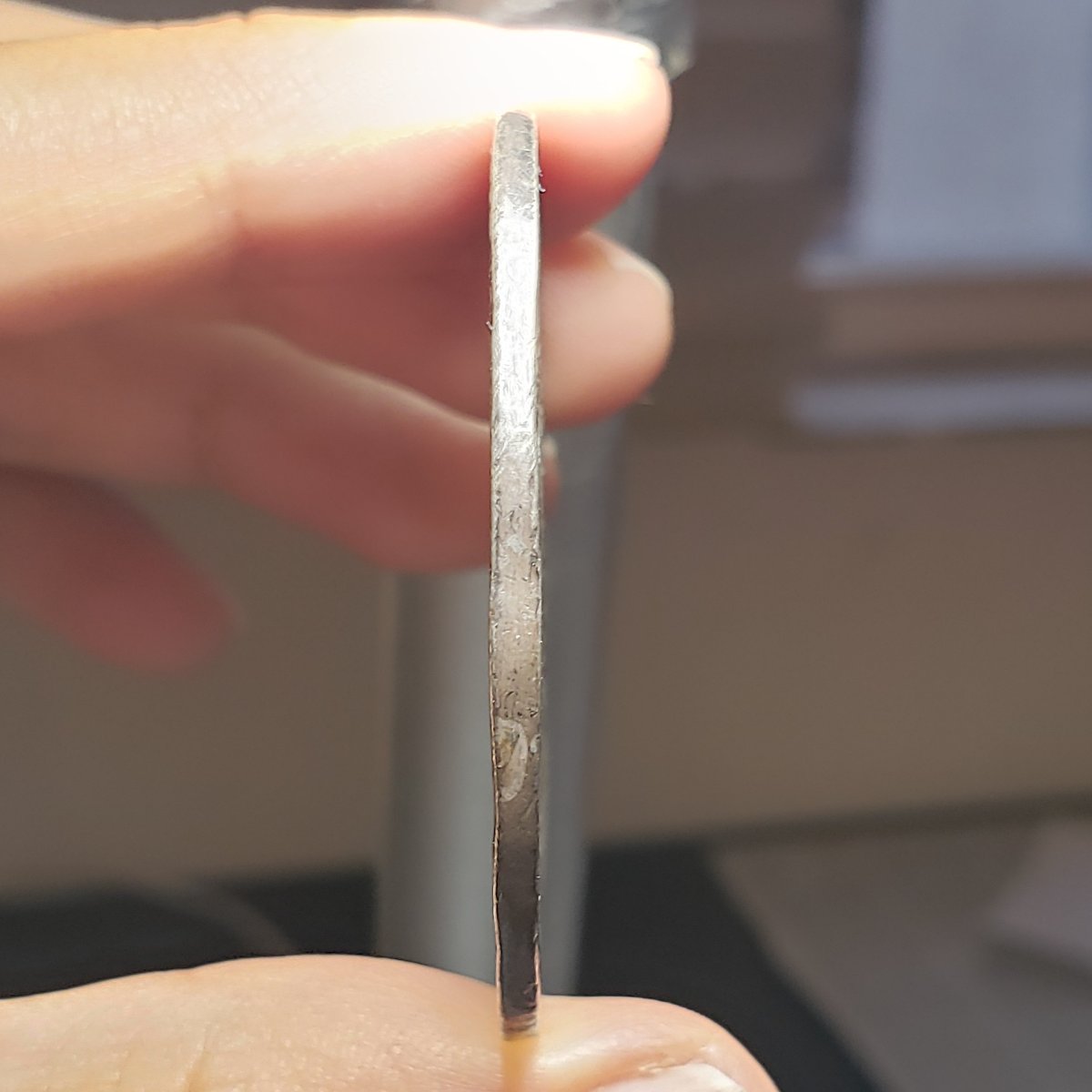
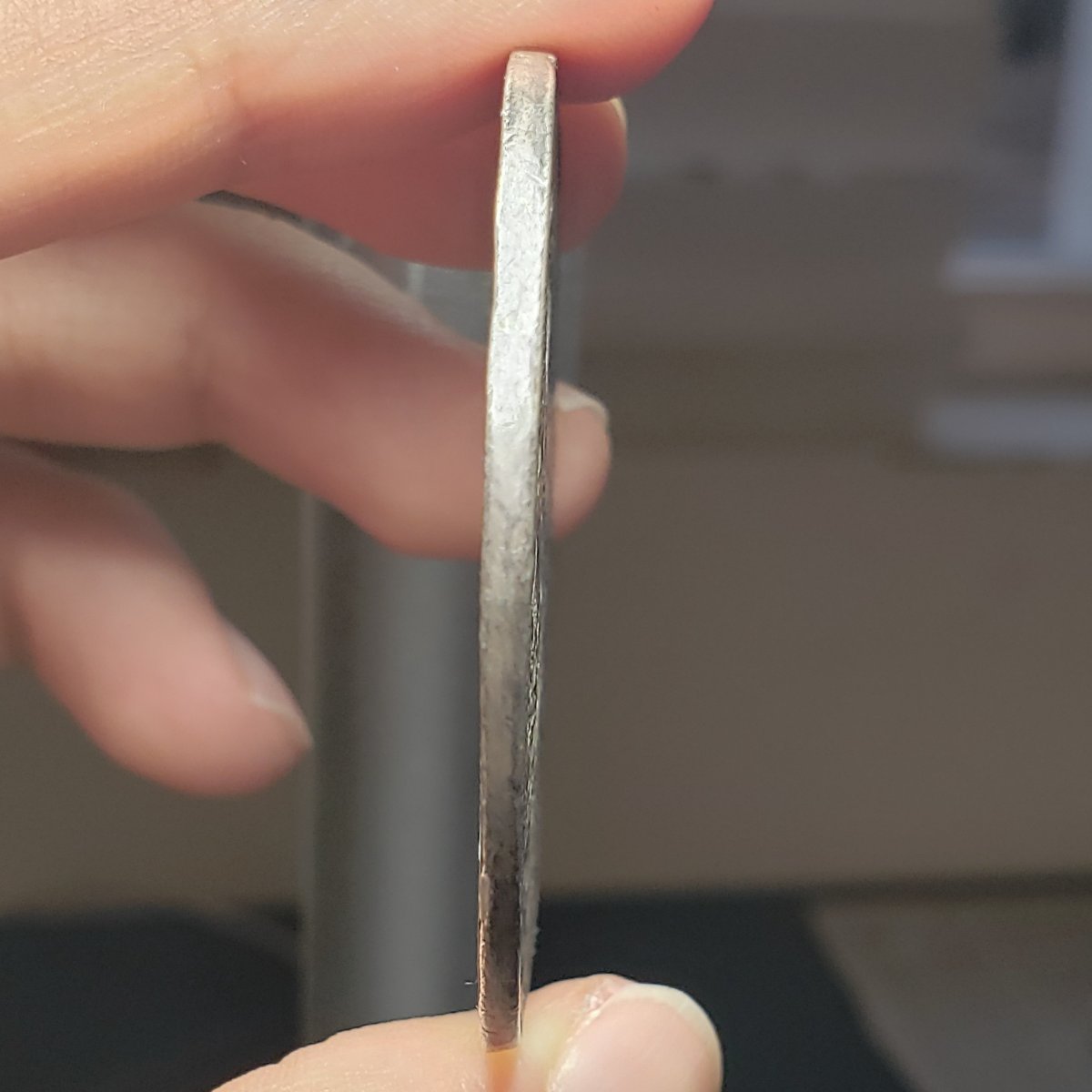
The coin was made by roller press and cut by big, weird scissors. The edge looks too smooth and there is an odd elongation. The legends are soft, though the apparent double dies are a good sign. The dentils or denticles are poor. Two thumbs down.
|
|
Pillar of the Community
Canada
5299 Posts |
Since it was scratched, someone may well have filed the edges too.
The density test is very simple. All you need is a scale good to .01 gram and a fine thread for suspending the coin to immerse in water. I believe that there are some threads here on CCF that describe this-do a search.
This will not authenticate if it is a fake made of silver.
|
|
Valued Member
United States
277 Posts |
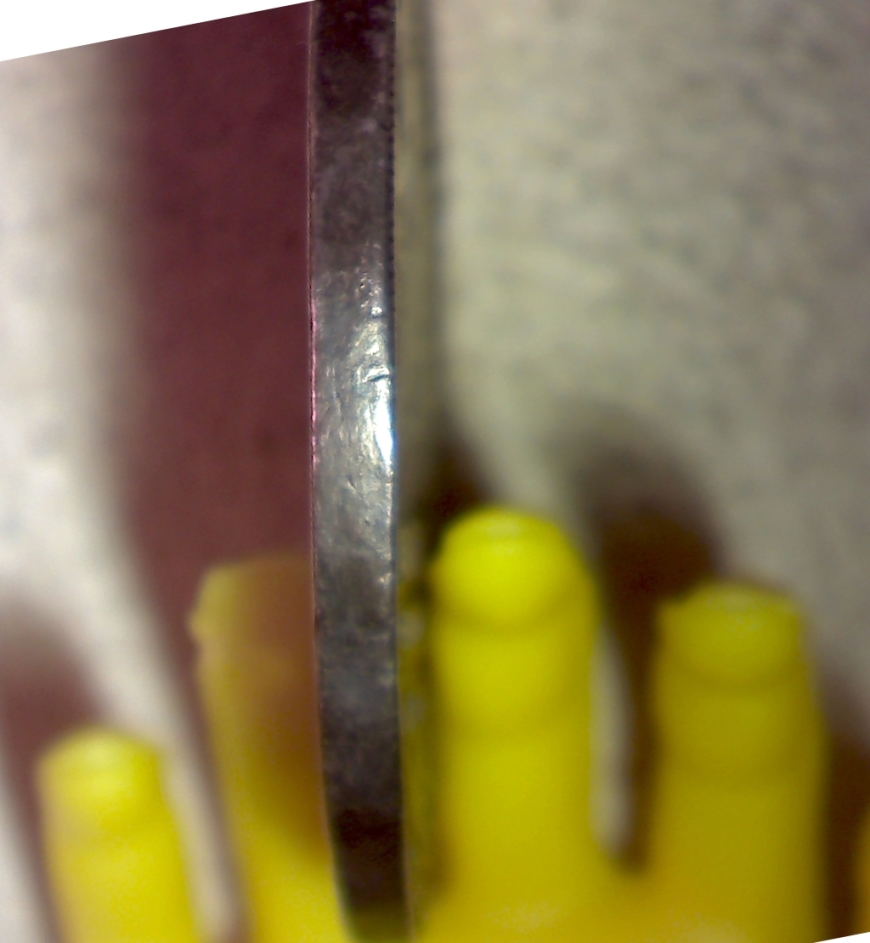
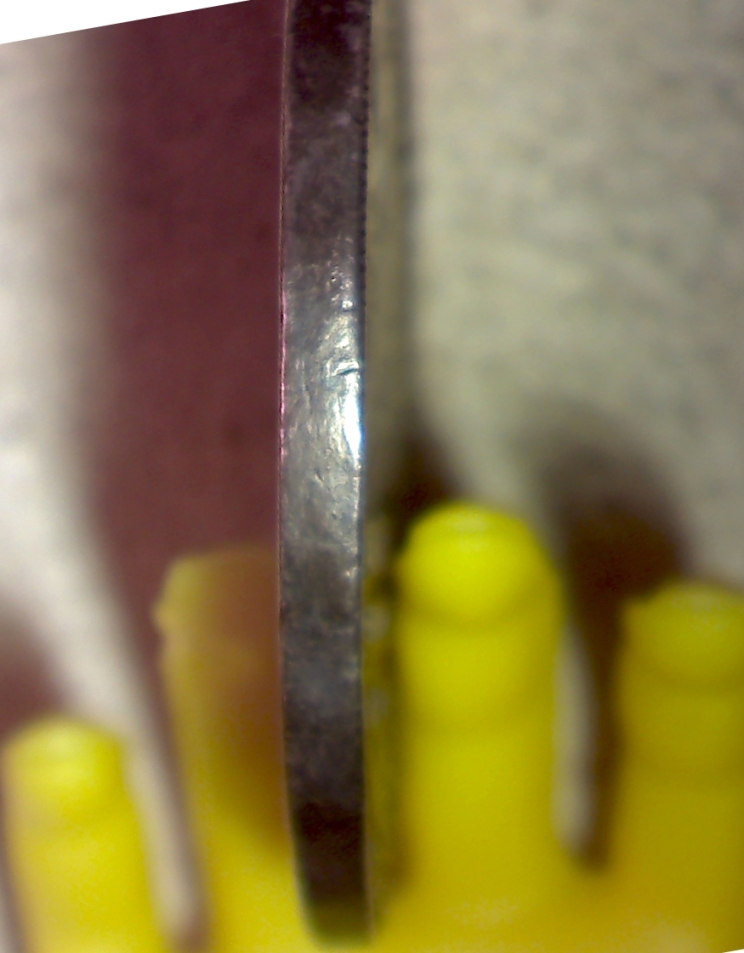
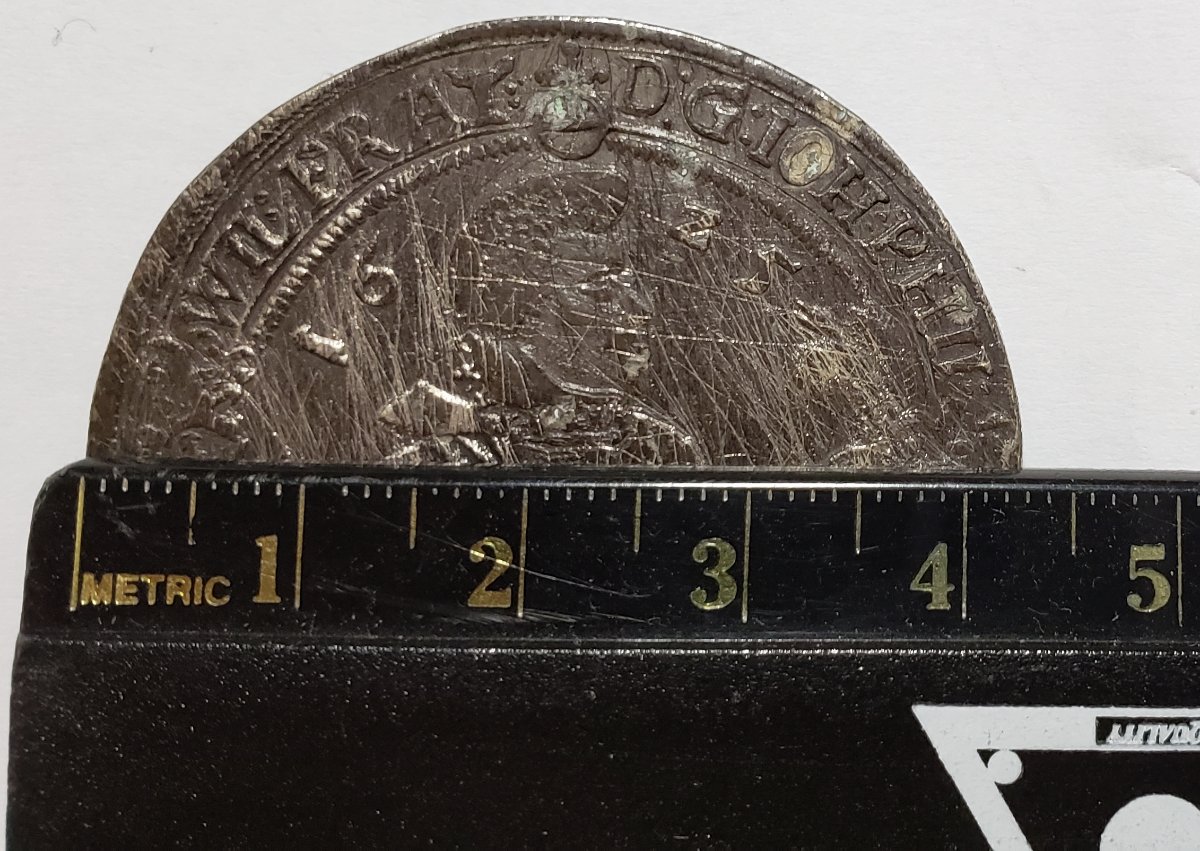
@Westwood The edge is roughly 2mm in thickness all around, with the thinnest segment of the edge being roughly 1mm. 2mm is not mentioned on the Numista page, but this width is mentioned for other Saxe-Altenburg thalers from that time period.
The edge is a bit smooth, but there are segments of the edge that do show signs of filing(?). Perhaps the images I've posted don't do it justice, but I can post some images later to show this section. I'd say the length of the diameter that indicates filing is roughly 40% of the coin's total edge. Also, there is a segment of the edge on this coin that is not completely vertical, but a little diagonal (or crooked). It's really hard to image this, but I can try.
Also, what do you mean by the double dies on the legend being a good thing? Do you mean some of the legend appearing to have been double-struck? Also, do you mean the denticles on the perimeter of the coin?
|
|
Valued Member
United States
277 Posts |
If anyone here has any thalers in their collection, I'd greatly appreciate any images of the edge of your coin(s). This is just for learning purposes only. A lot of images on google and other forums tend to post images that only show the obverse and reverse, and neglect to show the edge (even though aspects of the edges of these coins are just as important for authentication as showing the obverse and reverse). Thanks to everyone for the help and their opinions  |
|
Pillar of the Community
United States
689 Posts |
Doubled dies are harder to cast. For edges refer to "Small Study Of And Questions About Early Talers" posted here in April.
|
|
Moderator
United States
34572 Posts |
"If you climb a good tree, you get a push."
-----Ghanaian proverb
"The danger we all now face is distinguishing between what is authentic and what is performed."
-----King Adz
|
|
Valued Member
United States
277 Posts |
@Westwood Just out of curiosity, how did a double die come about if these coins were made via the roller press? Was the equipment the minters used back in those days just poorer in quality?
Also, when observing the side/width of the coin, there are two noticeable sections where the width of this coin is not the same. I'd say it's very roughly 60/40, which 60% of the width being around 2mm in length, and the remaining 40% of the width being slightly shorter, around 1mm in length. I don't know if these characteristics means anything in terms of its authenticity, but maybe this points to this coin having been roller-pressed rather than stamped? Also, this particular thaler is a little larger on the diameter side, with a numista listed diameter at 43mm. My coin is also about 43mm in diameter. The reason I mention this is because the width on this thaler is a little smaller than other thalers with diameters between 40-42mm, although how much of an impact diameter would have on width length I'm not sure. Other people have mentioned the thinness of this coin as being a reason for why this piece might be a counterfeit.
@Spence thank you for posting your coin! Fantastic piece!
|
| |
Replies: 15 / Views: 1,591 |
|





 Posted 06/28/2021 11:38 pm