| Author |
 Replies: 8 / Views: 2,870 Replies: 8 / Views: 2,870 |
|
|
Valued Member
United States
90 Posts |
2nd post, still new to this. Been researching stuff and as far as I can tell, the errors look like the damages lol. Although still some cool stuff, could someone help me identify the differences? 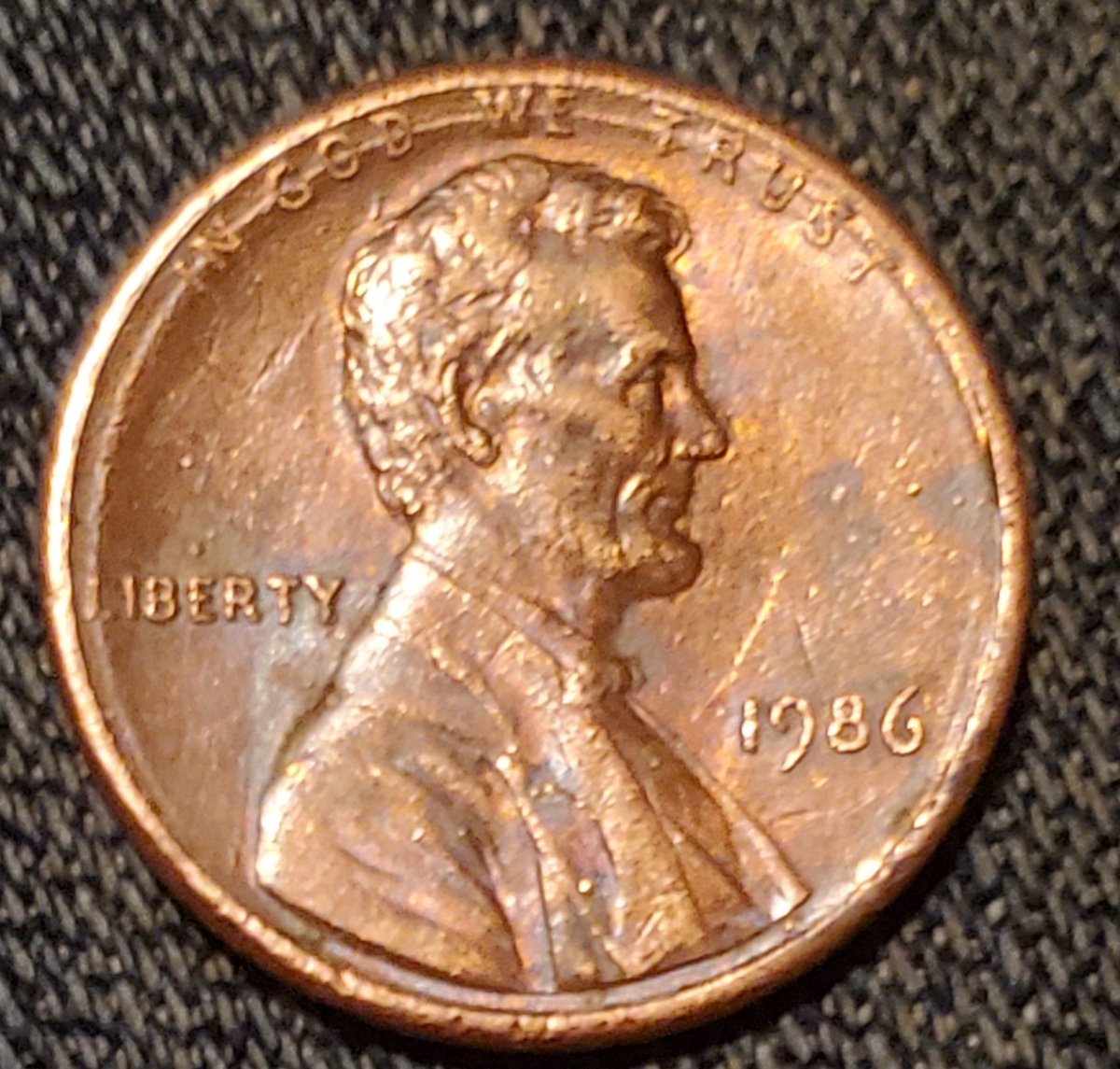 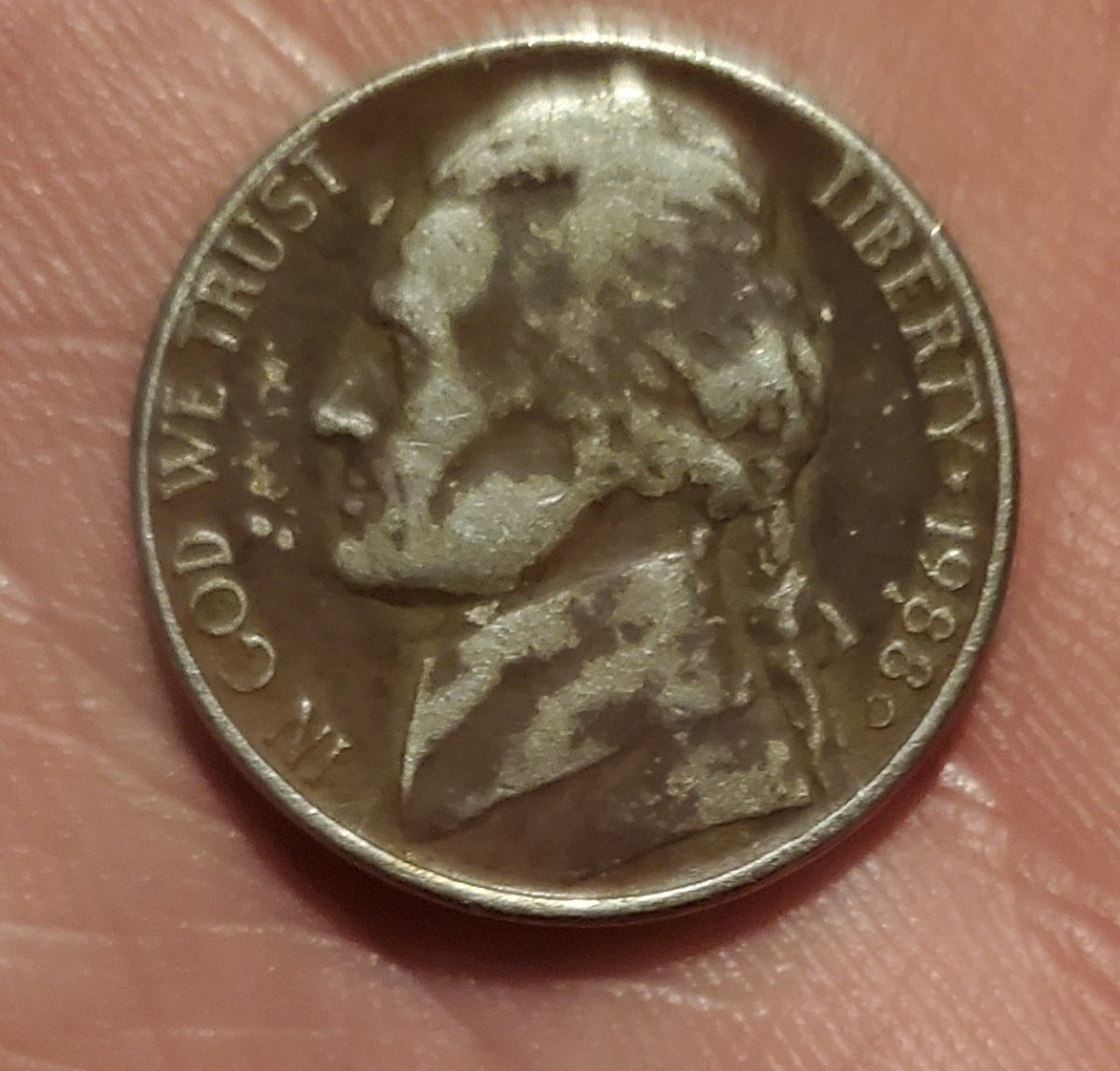 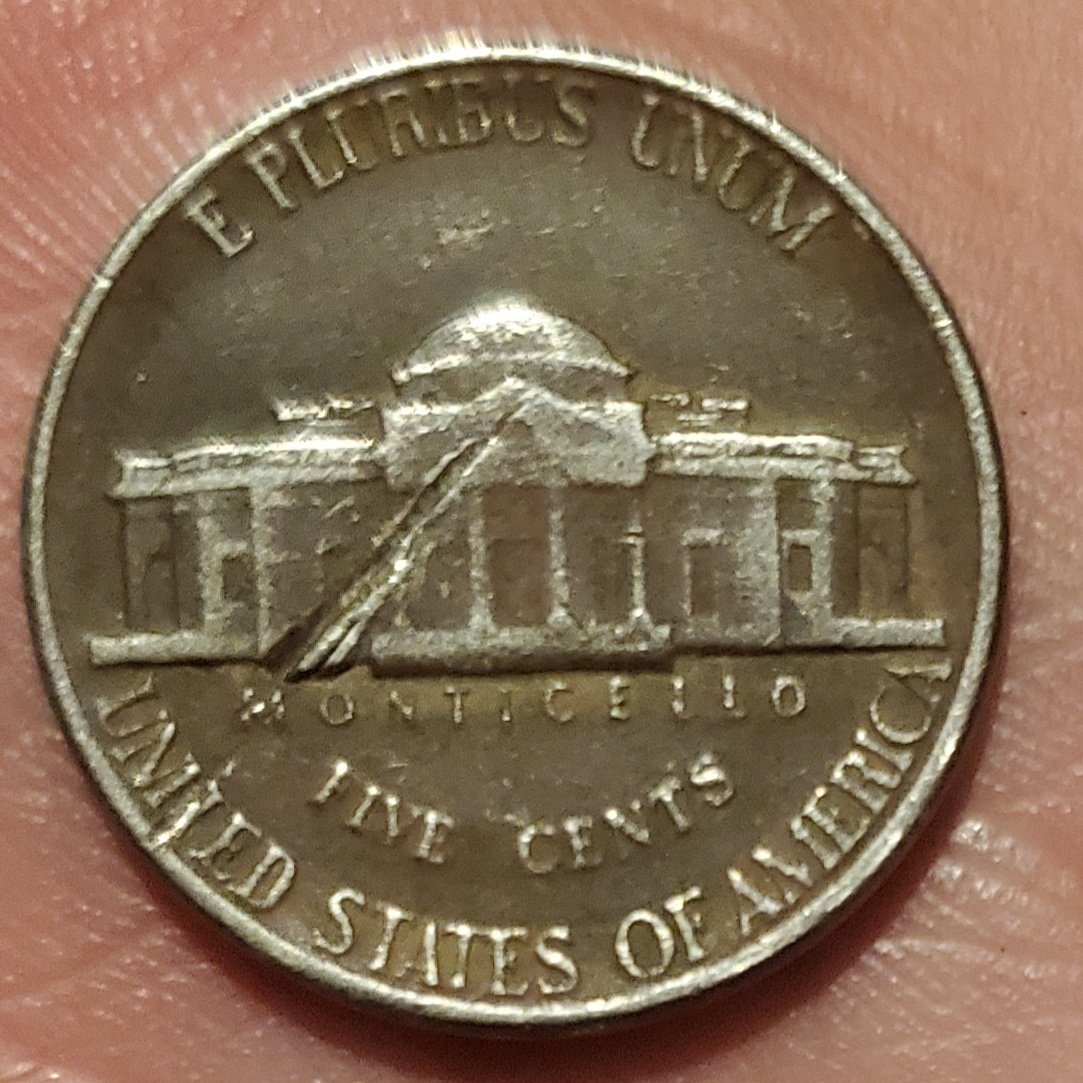 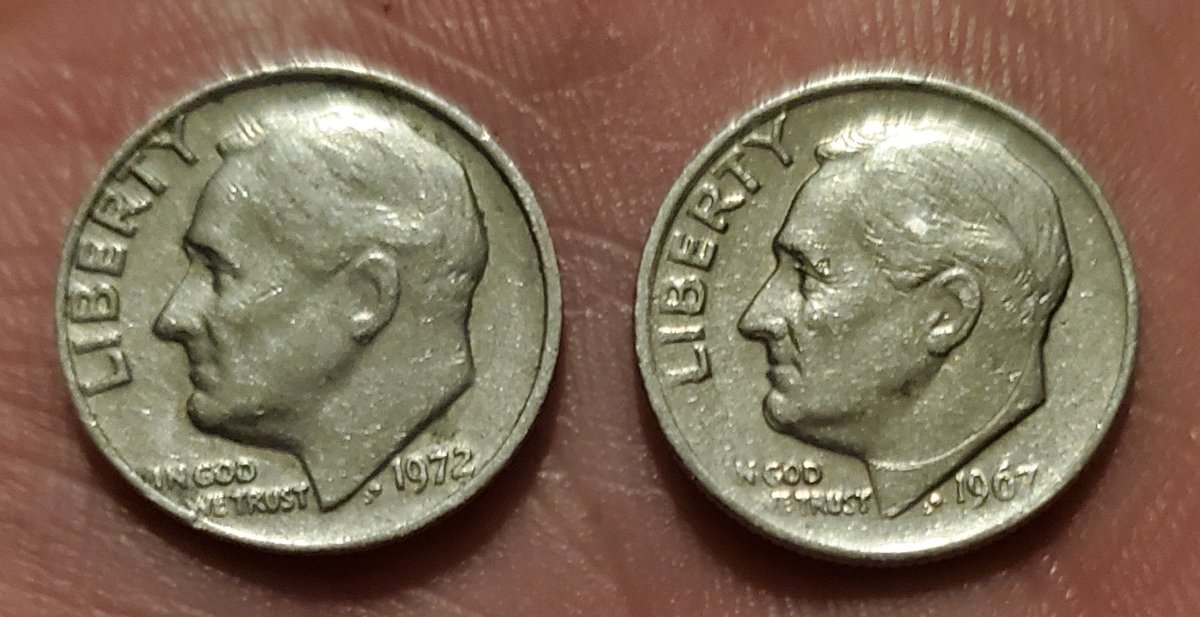 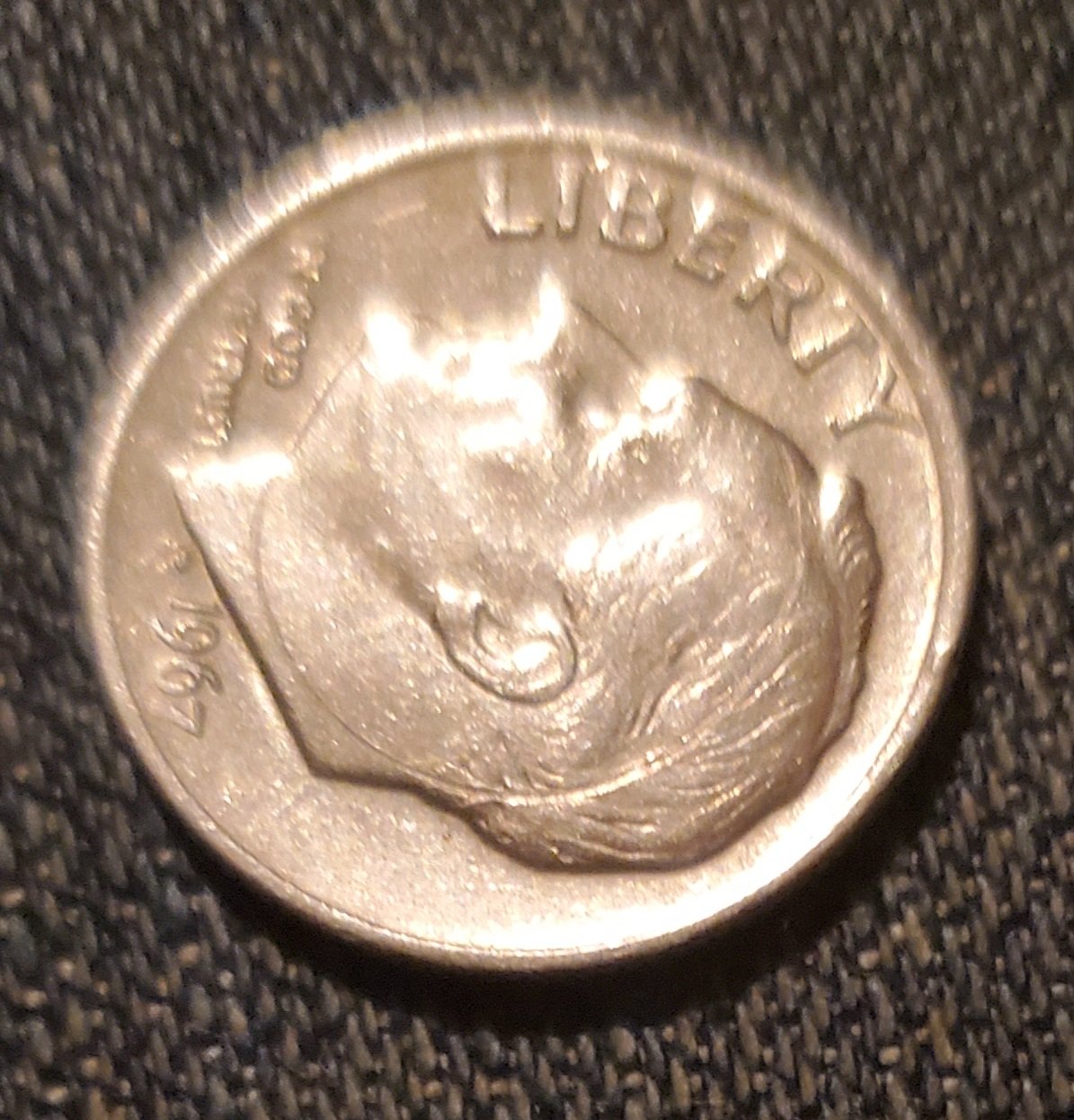 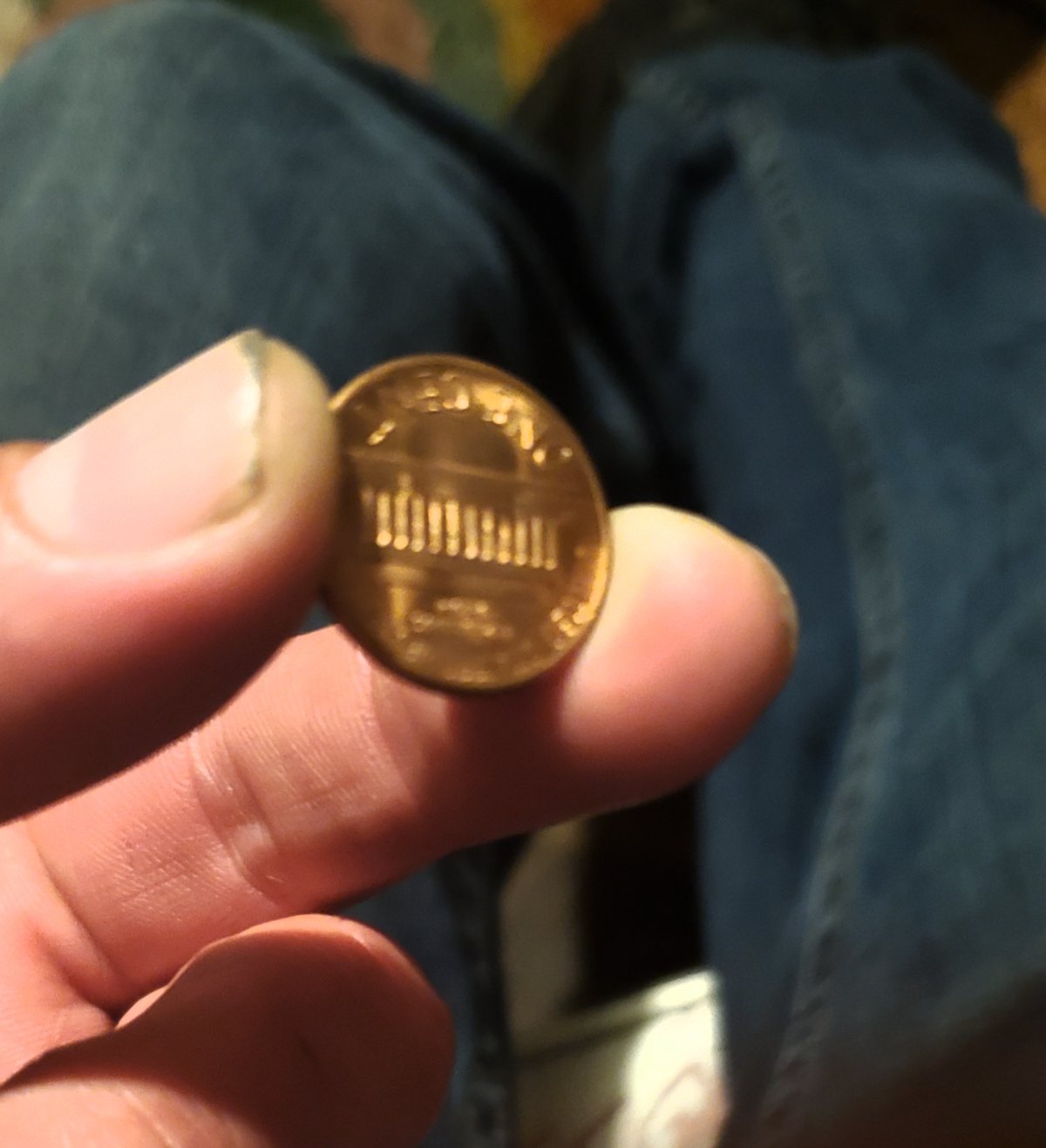 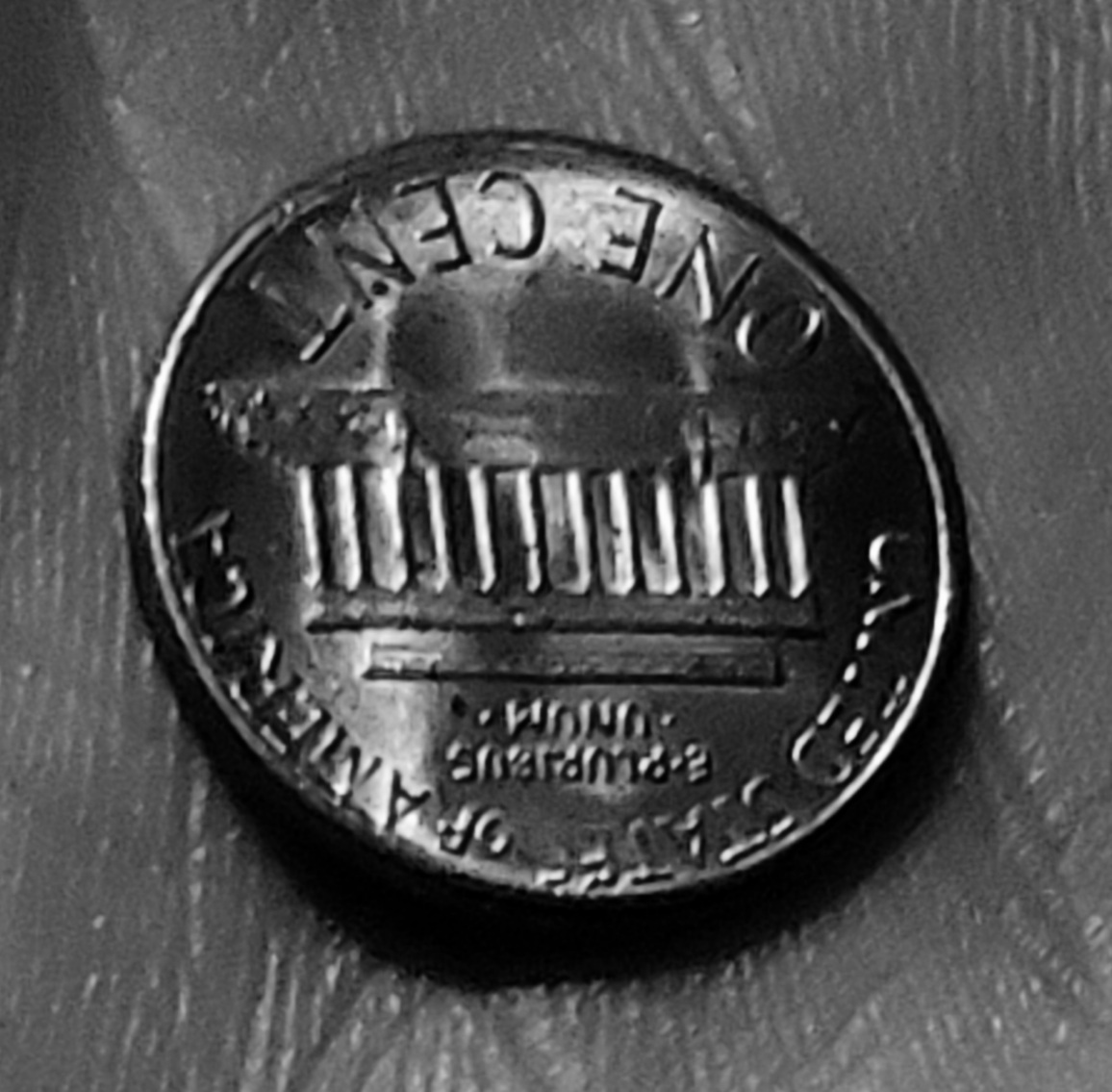 Imo I see a line around Hamilton face that's not on other dimes (the curve around his neck to his forehead) The quarter looks and feels like.. well, fake and flat lol The nickel is cool, the colors off and I'm hoping the Crack In the building is an error also, looms awesome of its legit. And the penny... well, I feel and see the outline of Lincoln through the back... I know there's no real done headed coins but... come on, that's the next best thing I'd say lol. M I CRAZY or does anyone else see what I do. AND IF SO, is it damage or error? |
|
|
|
Moderator
 United States
56855 Posts |
 . I see no quarter. The cent is called Ridge Ring, which is a worn die issue. The dime is Roosevelt not Hamilton. The nickel has damage from being circulated on the reverse and the color looks like environmental damage. John1  |
|
Valued Member
United States
426 Posts |
They're all pretty cool coins. I can only help you to let you know that they'll tell you one pic at a time and next time front and back pictures. As we'll let you know that there's a pretty cool coins..
|
|
Valued Member
United States
203 Posts |
As stated Ridge Ring on the first penny. The dime and nickel are damaged the last penny looks like progressive indirect die transfer. |
|
Moderator
United States
34542 Posts |
Quote:
How Do I Tell The Difference Between Errors And Damage? 1. Learn by looking at old threads here. Dozens of examples get posted every day. 2. Study other coin error/variety websites like errorref.com, cuds-on-coins, varietyvista, etc. 3. Understand how coins are made so that you can think about whether a specific discontinuity even could have been minted that way. 4. Practice. "If you climb a good tree, you get a push."
-----Ghanaian proverb
"The danger we all now face is distinguishing between what is authentic and what is performed."
-----King Adz
|
|
Pillar of the Community
United States
3237 Posts |
There are a finite number of ways that errors can occur, and infinite ways that damage can happen. The easiest way to learn the difference is to familiarize yourself with the various types of errors by reading a site like error-ref.com, understanding how the errors take place, and then using reason to figure out which coins could be types of errors and which could only be damage.
Also, Hamilton is not on a US coin lol. I think you mean Roosevelt on the dime.
|
|
Moderator
United States
56855 Posts |
It also helps a great deal if you learn the minting process. FYI: there is also a difference between an error and a variety. John1 |
|
Bedrock of the Community
United States
62064 Posts |
99% of the time an incuse mark on a coin is coin damage. Just 1% of the time is it a mint error. In the first coin, note the area you are looking at is raised on the coin. This indicates an issue with the die when something is raised on the coins design. The rest are all incuse marks on the coin and they are all damage to the coin. A damaged coin is never worth more than face value. (well to me anyway)
Edited by coop
07/12/2021 10:25 am
|
|
Pillar of the Community
United States
3207 Posts |
If you can imagine how to make a coin look the odd way it does, it's probably damage. A reversed design impression is a coin squeezed against another in a vise. Uneven surface is likely glue or acid. Discoloration is probably the result of being buried, or exposed to chemicals.
|
| |
Replies: 8 / Views: 2,870 |
|







 Posted 07/12/2021 03:51 am





