

 Posted 07/18/2021 09:09 am


bujub I agree with sel_691. This is a numismatic forgery. It was made specifically to defraud collectors. It was never used in circulation and it is relatively modern.
The weight is outside the range of tolerance that I would allow for a Lima product. A coin worn to 23.77 grams would be a far lower grade. A specific gravity test would likely give a good indication as to the possible alloy used.
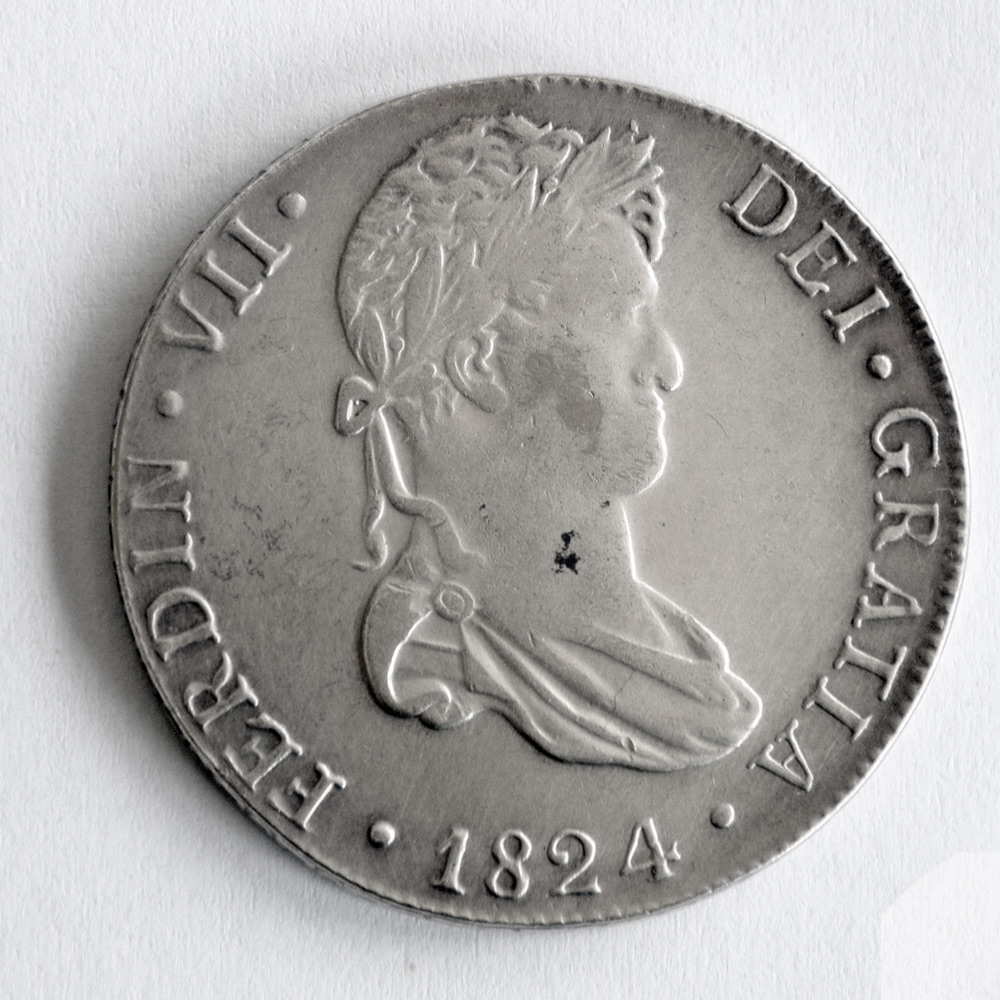
If you have a microscope check the fields to see if the very fine diagonal lines visible on the obverse are scratches or perhaps a series of extremely fine dots which would indicate the transfer method.
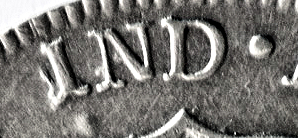
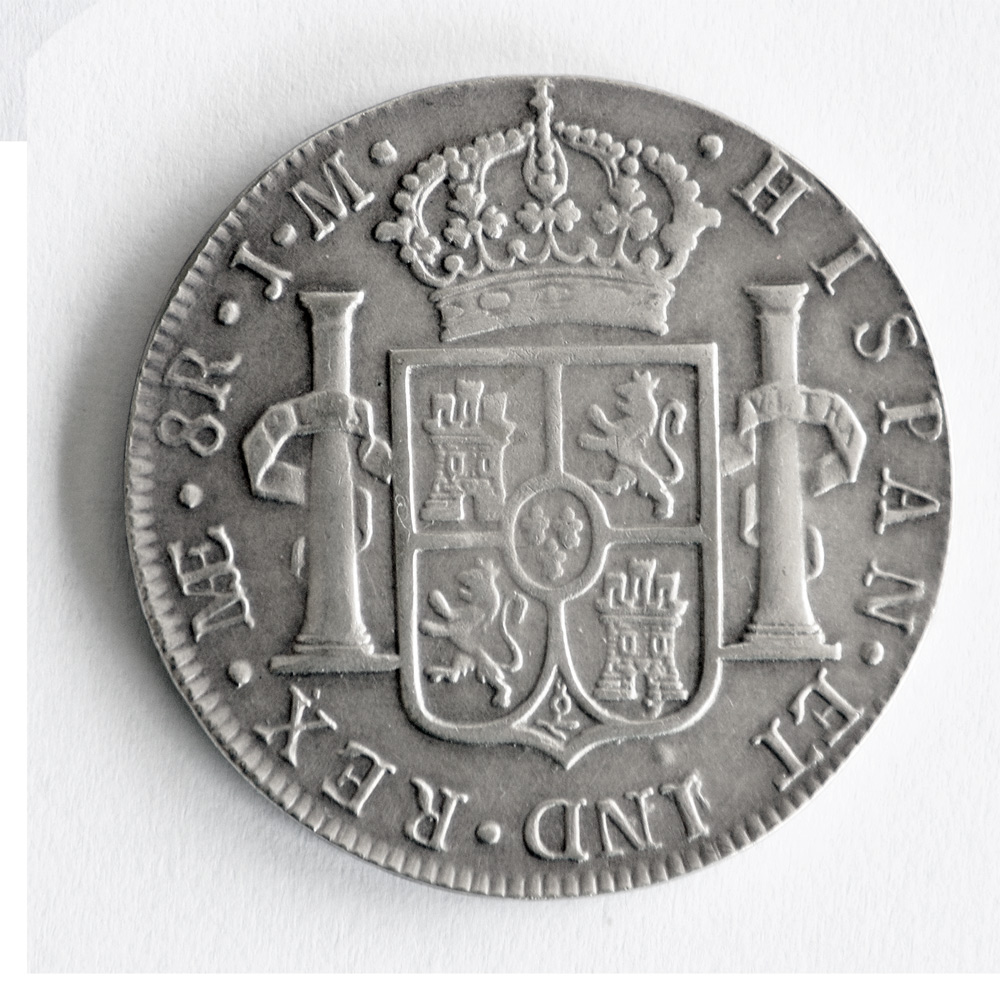
The coin was likely copied from a real example but the sharp edges of many details are soft and "mushy". The stops in the legend on the reverse are irregular not punched features. There is a small double rim at the end of the King's name and at the ordinals. This is very solid proof of a transferred image and is never seen on originals.
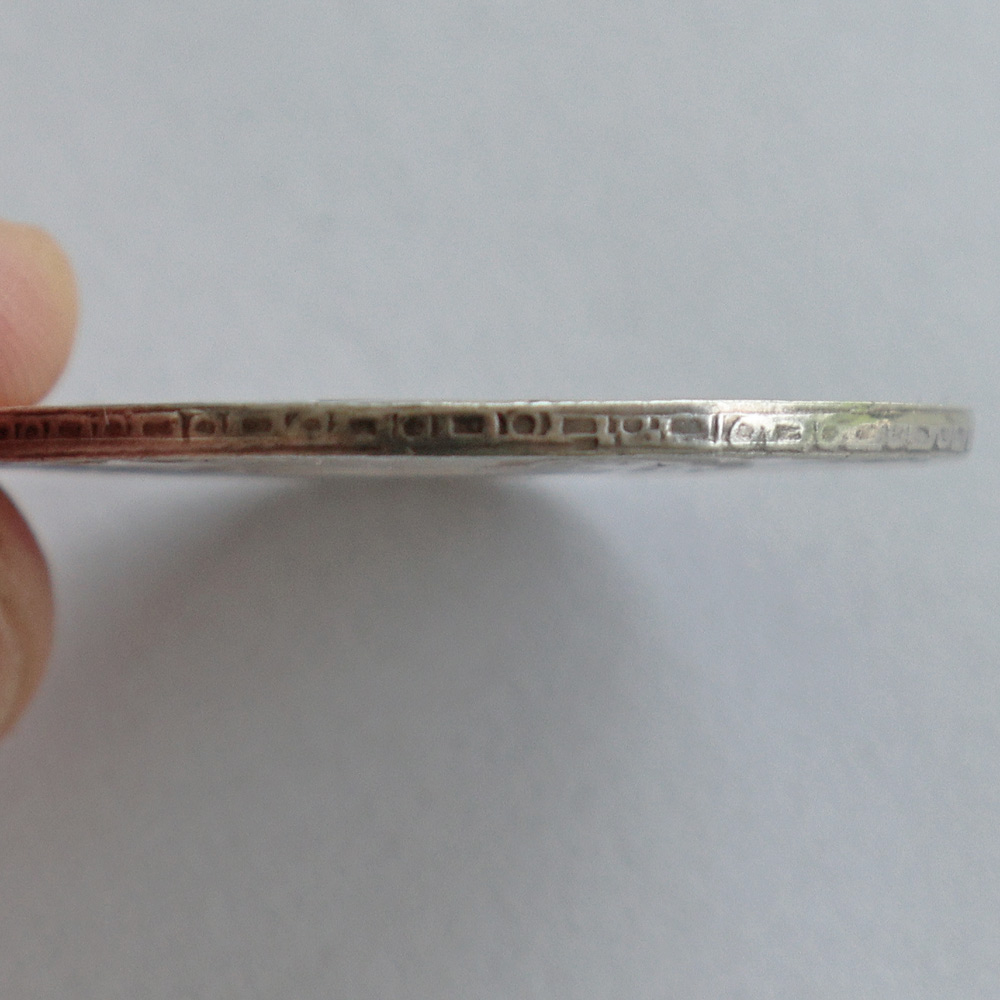
The edge is also extremely incorrect for this mint. The segments are irregular in size and should be much taller filling the entire rim. The overlap area shows no actual overlap of the design it is very two dimensional like a photo of an edge. On the edge as it disappears to the left side of the picture it would appear that the bottom of the design is interrupted by a line that can not be there.
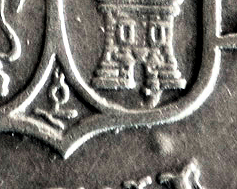
Finally on the reverse die there are raised spots and lumps that should not be there. In particular the raised feature below the shield.
I was unaware of the existence of this type of forgery in 2013 when I wrote my book on Counterfeit Portrait Eight Reales. This is a Class IV Numismatic Forgery. Very likely worthless.
The weight is outside the range of tolerance that I would allow for a Lima product. A coin worn to 23.77 grams would be a far lower grade. A specific gravity test would likely give a good indication as to the possible alloy used.
If you have a microscope check the fields to see if the very fine diagonal lines visible on the obverse are scratches or perhaps a series of extremely fine dots which would indicate the transfer method.
The coin was likely copied from a real example but the sharp edges of many details are soft and "mushy". The stops in the legend on the reverse are irregular not punched features. There is a small double rim at the end of the King's name and at the ordinals. This is very solid proof of a transferred image and is never seen on originals.
The edge is also extremely incorrect for this mint. The segments are irregular in size and should be much taller filling the entire rim. The overlap area shows no actual overlap of the design it is very two dimensional like a photo of an edge. On the edge as it disappears to the left side of the picture it would appear that the bottom of the design is interrupted by a line that can not be there.
Finally on the reverse die there are raised spots and lumps that should not be there. In particular the raised feature below the shield.
I was unaware of the existence of this type of forgery in 2013 when I wrote my book on Counterfeit Portrait Eight Reales. This is a Class IV Numismatic Forgery. Very likely worthless.