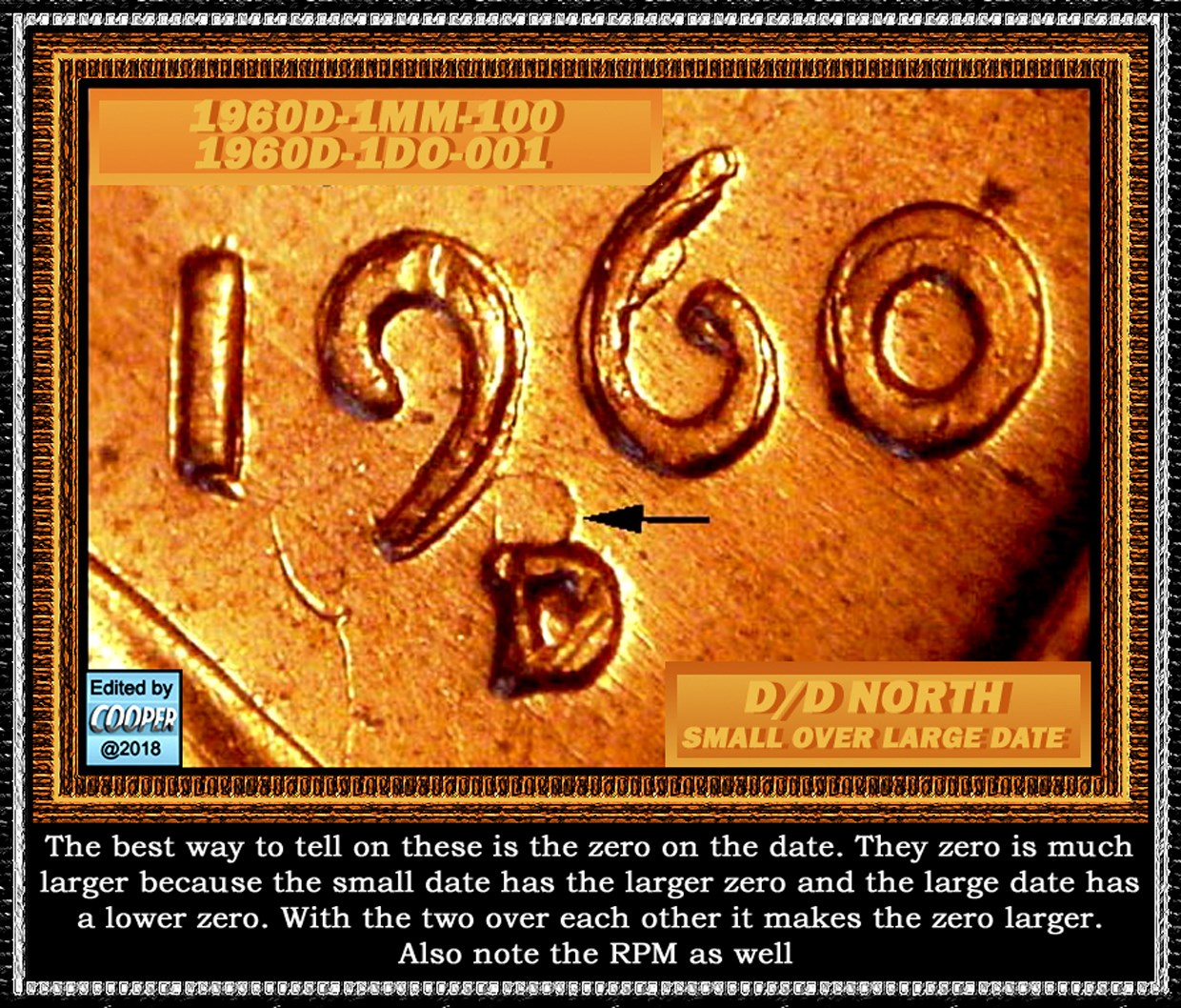
The processes were different at different times. On the 1959 coins The dies were hub several times depending on the denomination. They blanks were heated and allowed to cool. That softened the dies. Then the would be hubbed with a working hub. Then they die would rest for one day and then hubbed again and left for 24 hours. Then repeated one more (or even more on some dies. Then heated and tempered to make them hardened. On the newer dies the process was different.
The single squeezed dies were only hubbed once. Then tempered. (When this started,is hard to determine as it was not a certain year that this happened. On the single squeeze dies,
So if someone had a micrometer, and a lot of patience, you could measure the thickness of the coins. The older design had a high profile on the devices. The single squeeze die had a low profile on the highest devices. Thus when you look at the height of the bust on the fields, the older style bust is taller, than the single squeeze dies. Then you could determine when each series started on the different denominations.
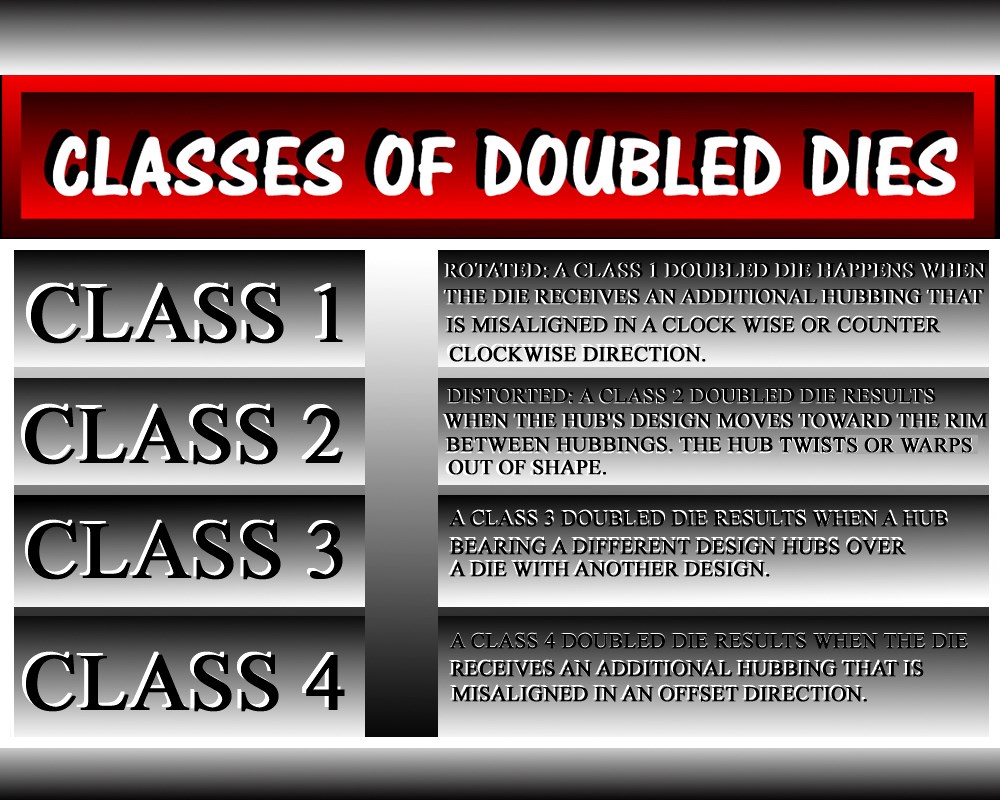
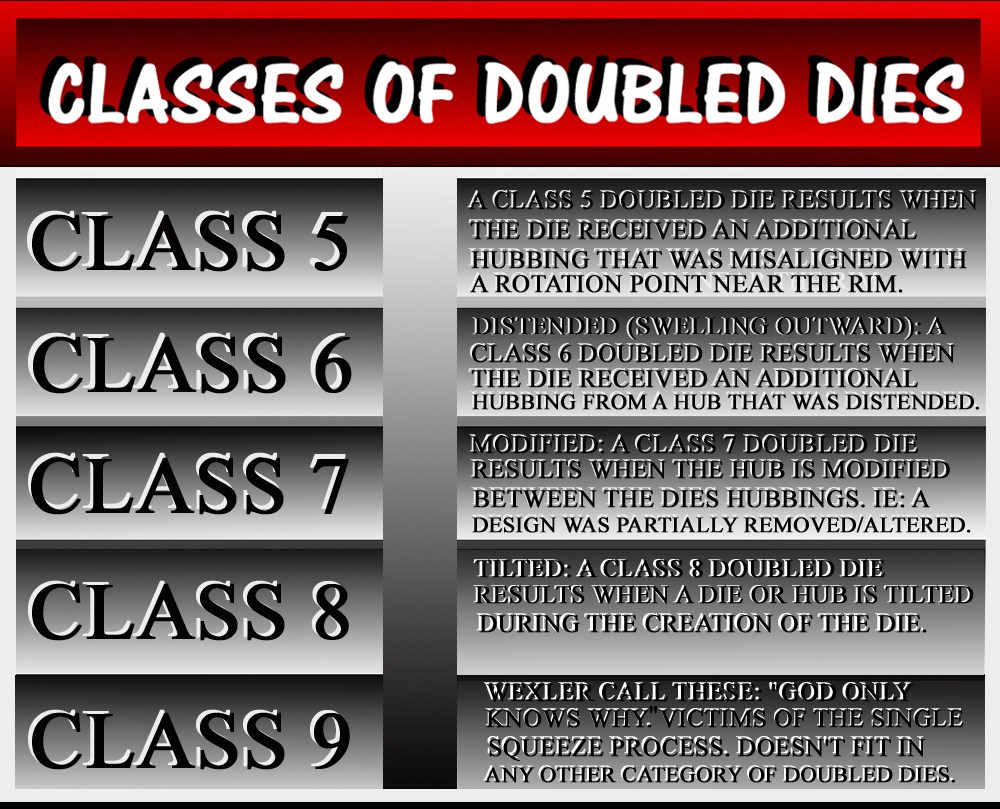
But on the two different styles of making dies, note on the first table showing the die classes, 1-8 are mostly only the older die creating process. The class 9 doubled dies are found on the single squeeze dies. (Some cross over though into the earlier die numbers)
The working hub is what is used to create a new die:
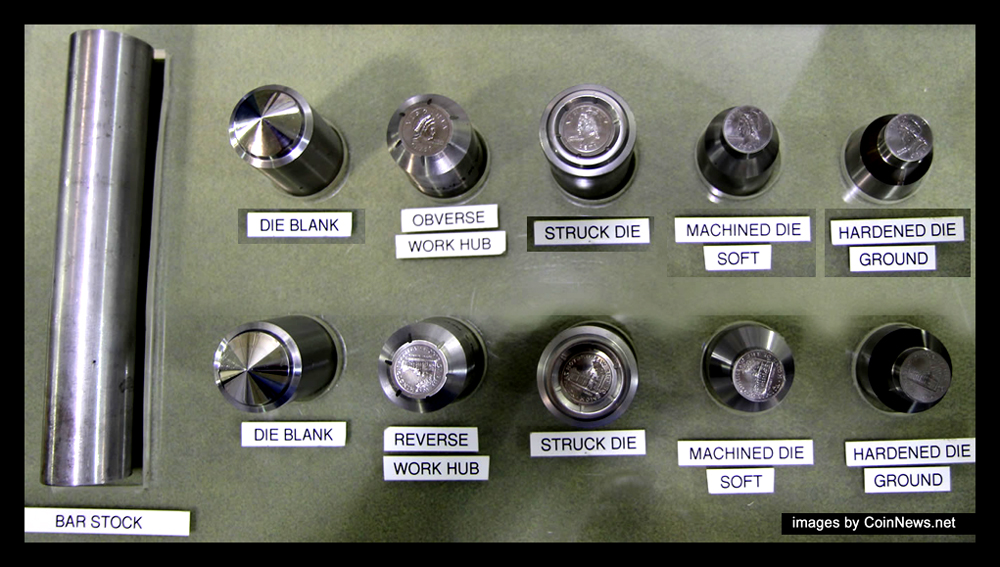
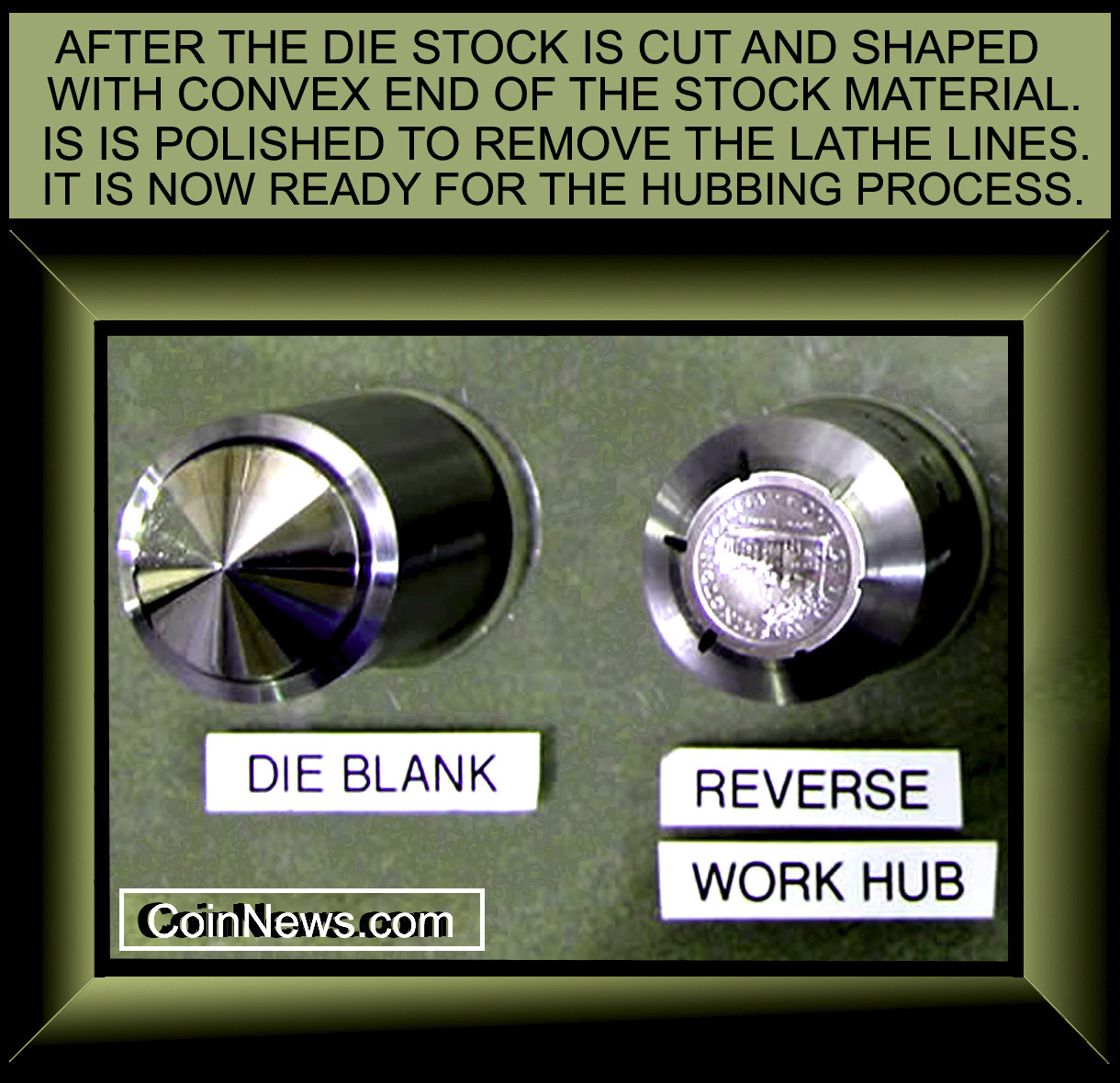
This show the bar stock and note the first die on the top left. That is a blank die. Note how it is taller in the center?
This is just part of the chain of command on how dies are created:
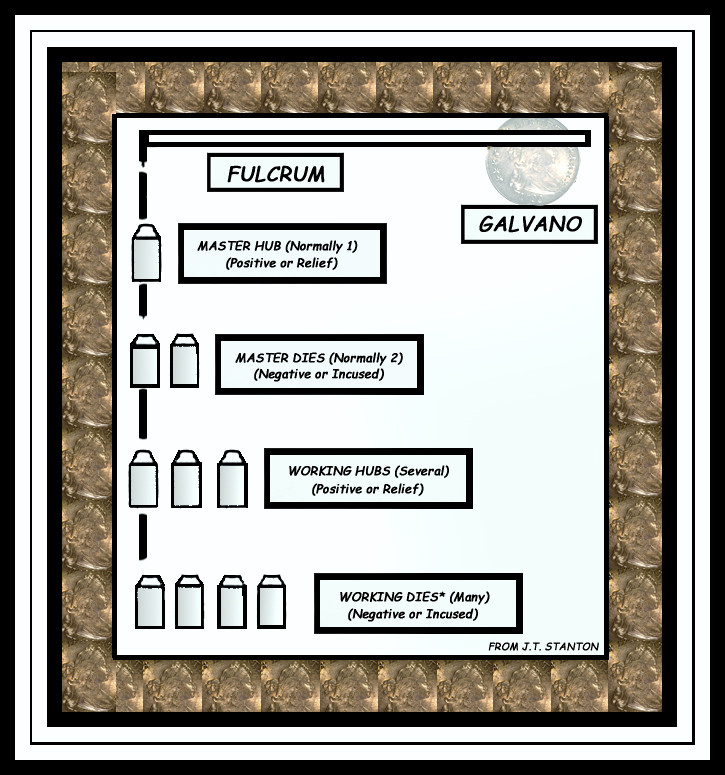
Note the third step, of Working hubs? That is what are used on the blanks to create the die. Then after the dies are finished they are tested and used. What is the difference between a die and hub?
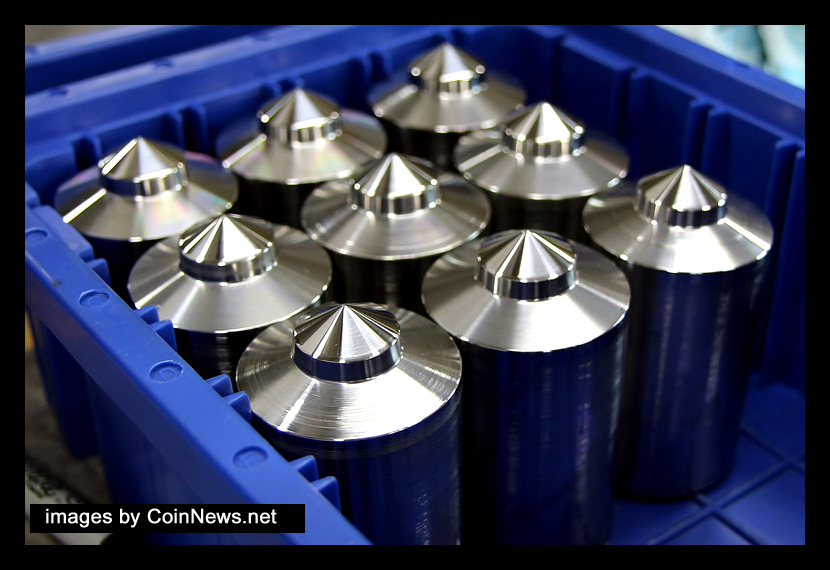
Here is an image of a blank and a working hub:
Here is a obverse and revers working hub:

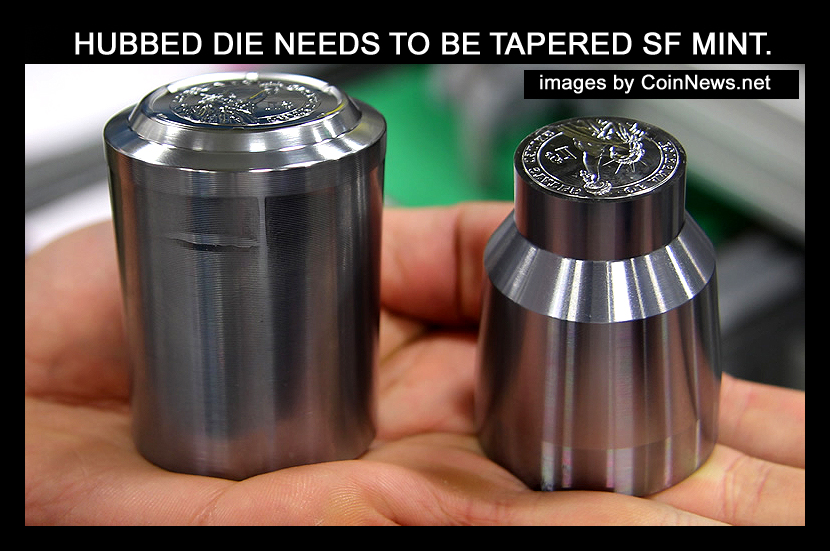
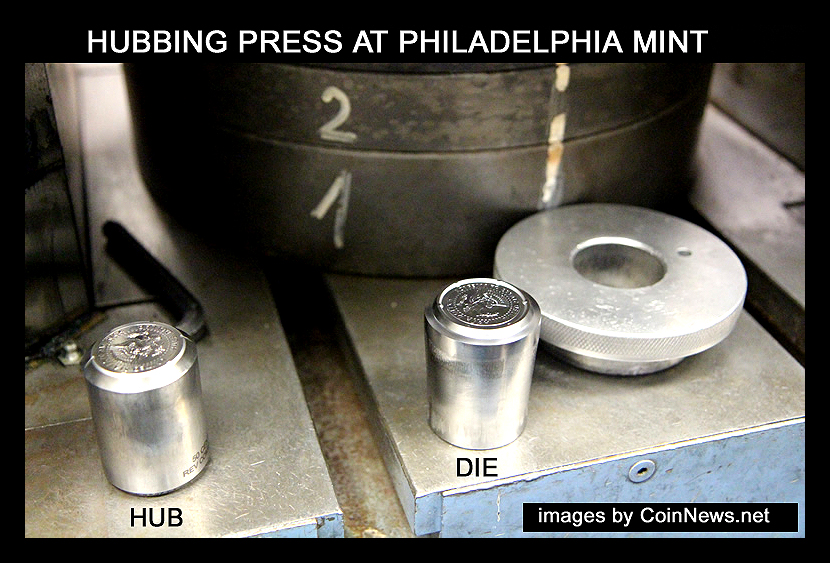 Note on the hubs, you will see the lugs. This hold the hub in the same correct position when the dies are being made.
Note the design is like a coin? On the die, it is all mirrored, thus when coins are struck, then they will look like the hub. (Hubs are positives and Dies are negatives)
Warped hub:
Just like dies,wear out, hubs also wear how. With so much pressure a die can be bent a bit out of shape. While they look the same, the devices can be slightly altered a bit. Thus when a warped die is used the class 6 doubled dies are created.
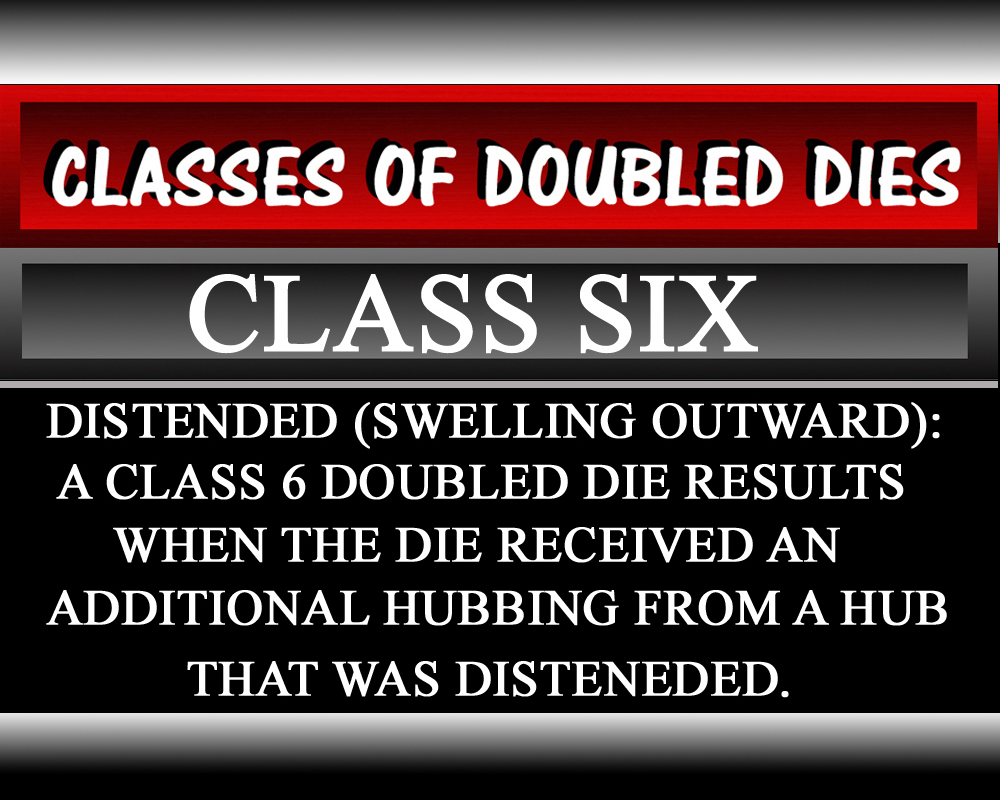
Also as hub age, part of the devices on the hub can break off. Some will show extreme wear. If a fresh hub was used once in the older process and a worn hub was used a different time, this can also create a doubled die. As the hub ages then it can be swollen from the creation of new dies being created. This pressure is a lot stronger than striking coins.
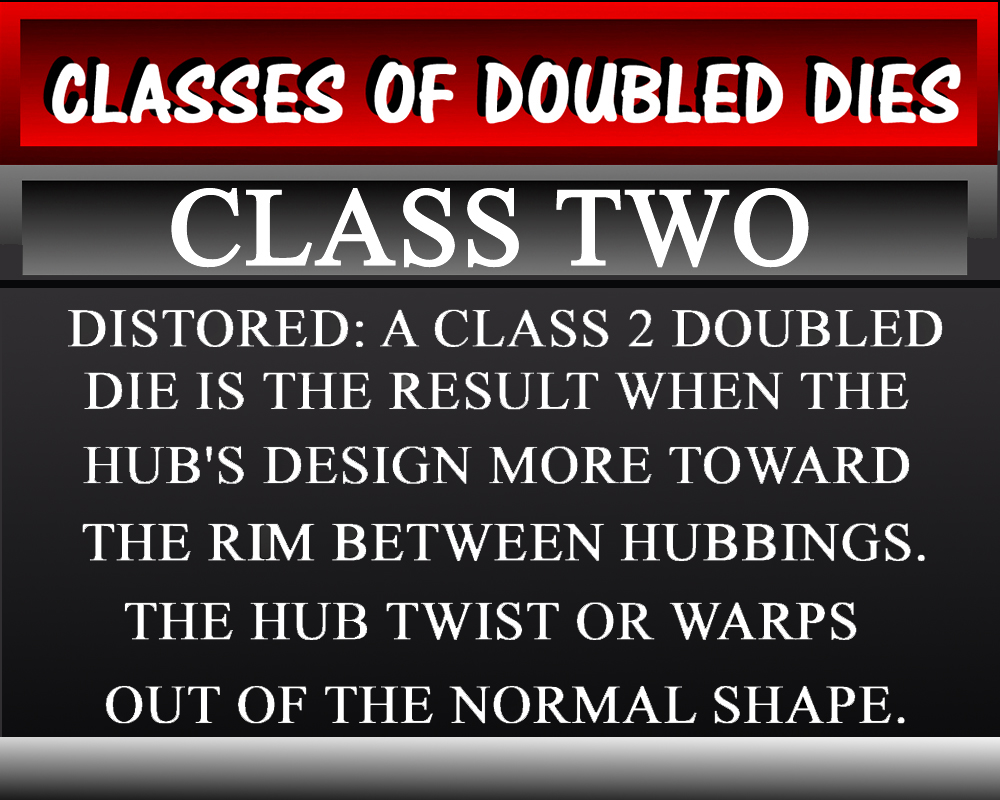
Several of the classes are from rotations between the hub processes. Some die can have a wide spread on the devices and the close spread on the devices. Because hub wear/fresh hub being used on die creation. Class 2 doubled dies can a spread on the height on the motto. A lot to take in, but it will slow become easier to understand. When your brain starts figuring out what caused the issue I see on my coin? But always ask questions. You and other read can benefit from information shared on the forum.
CoopHome: [b]How are dies and hub different? And what is die classes on doubled dies?]/b]







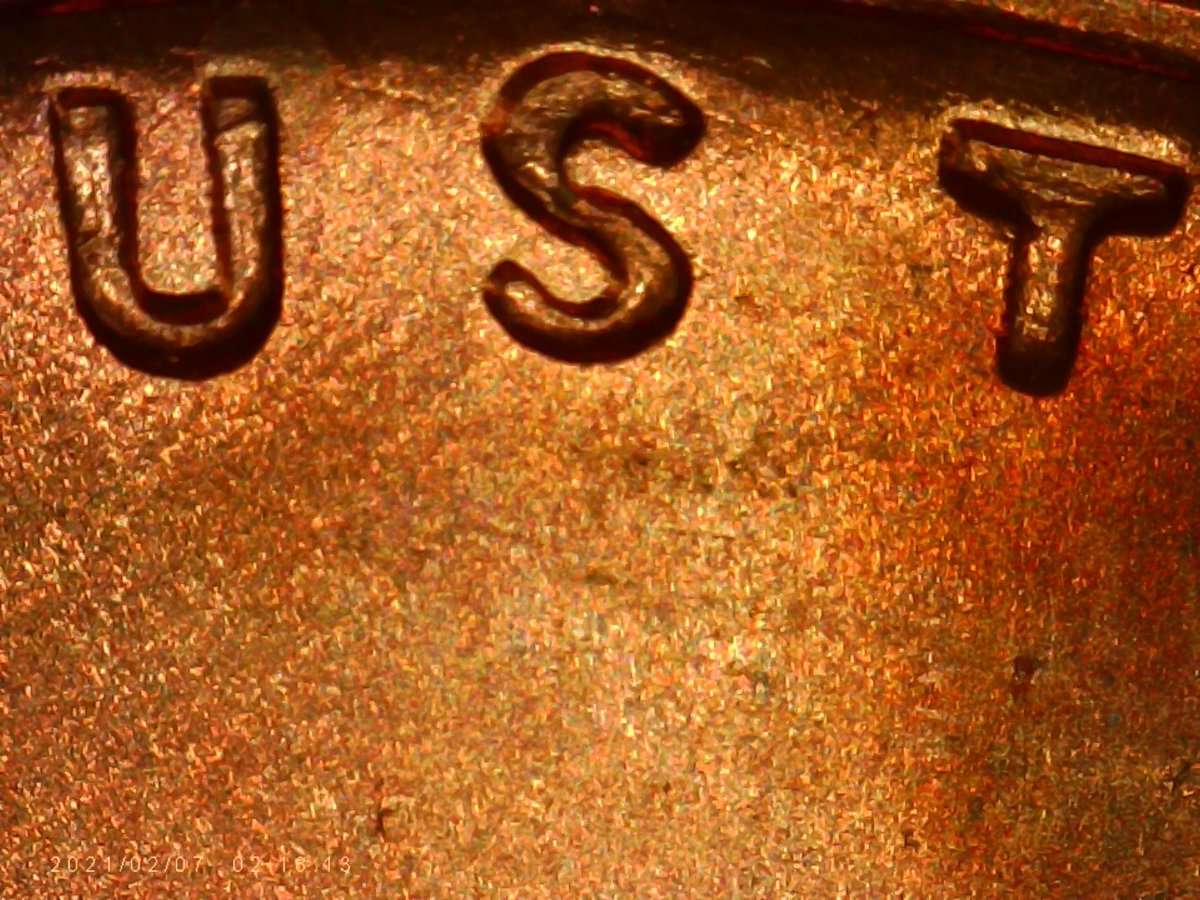
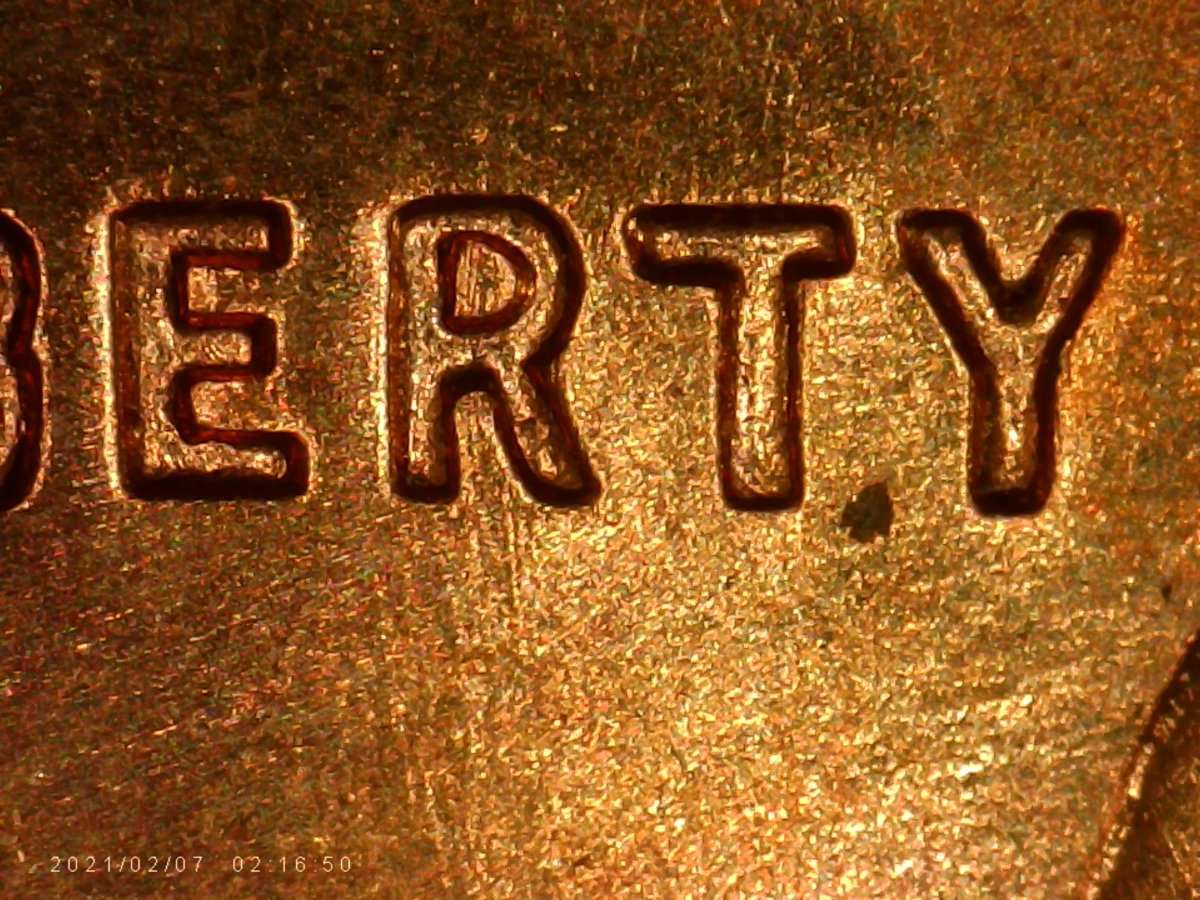
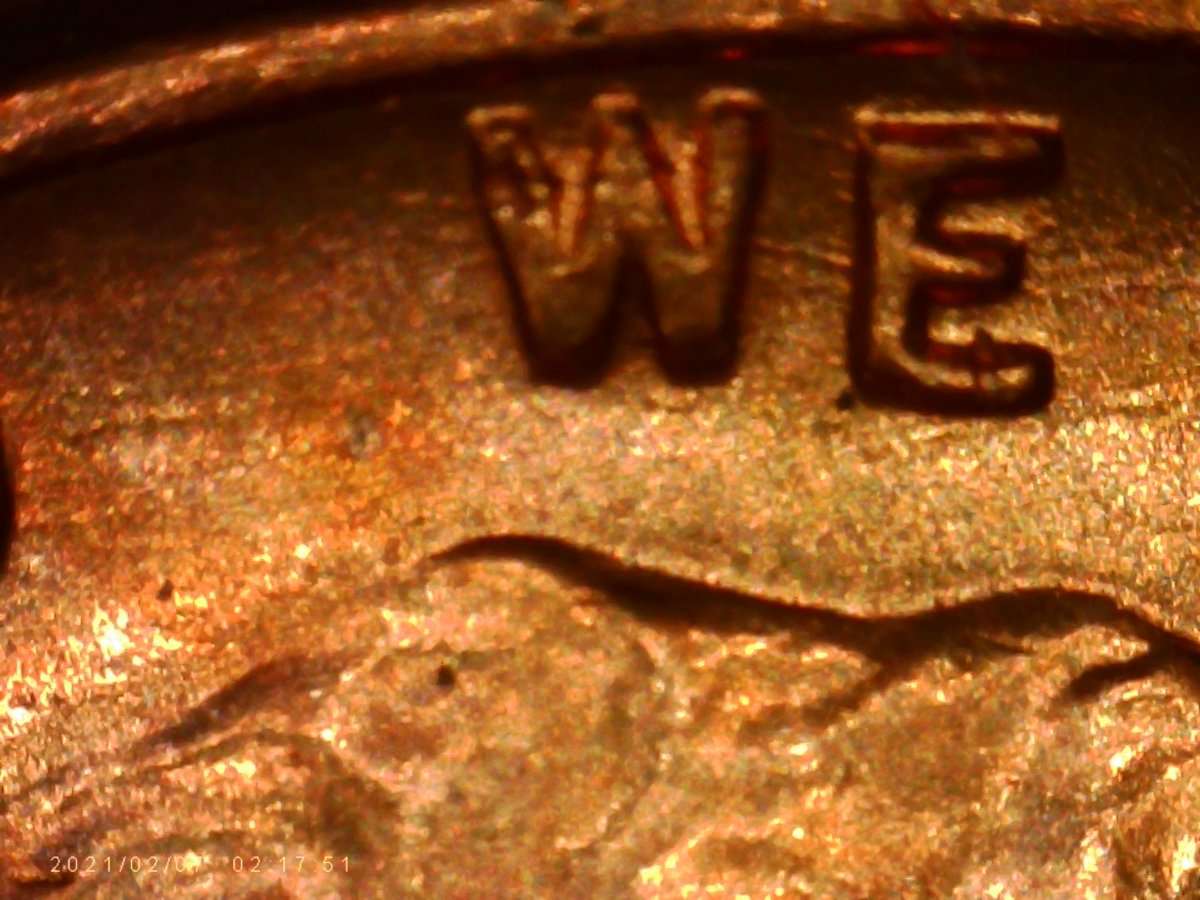



 Posted 08/08/2021 07:20 am