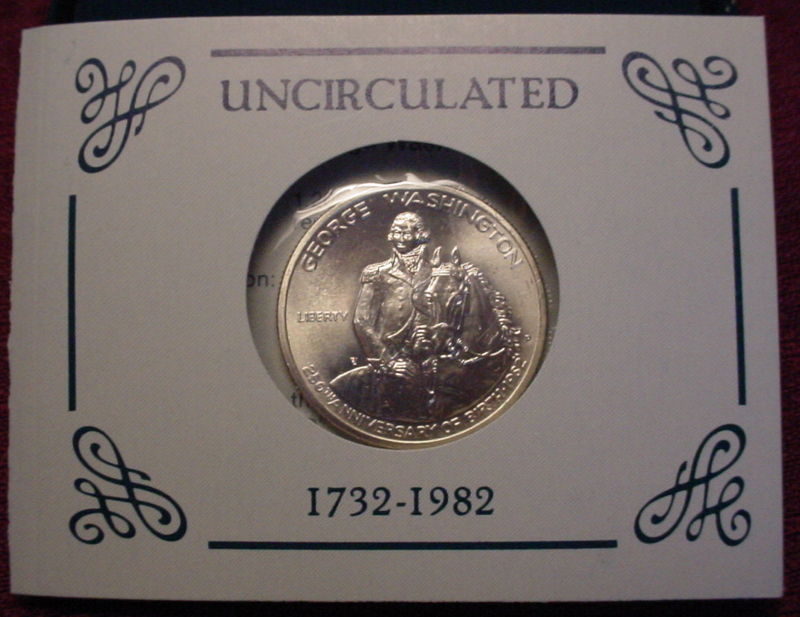
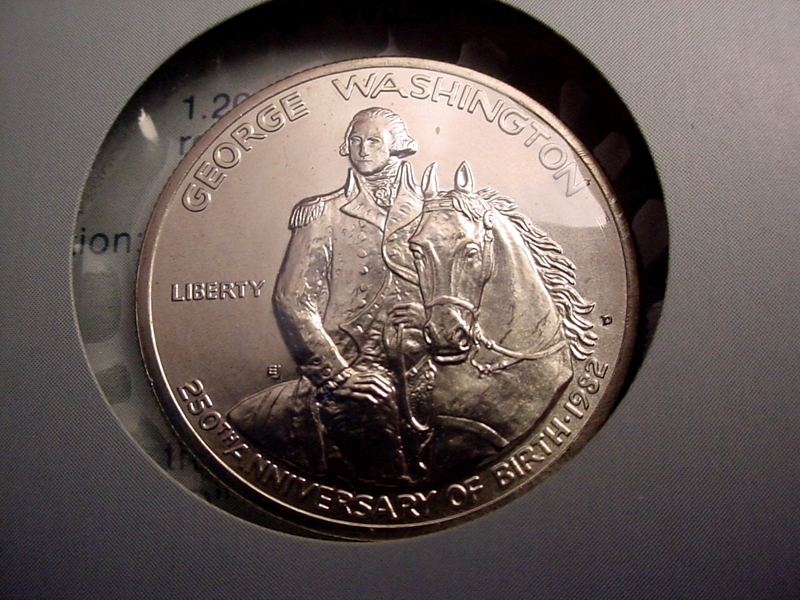
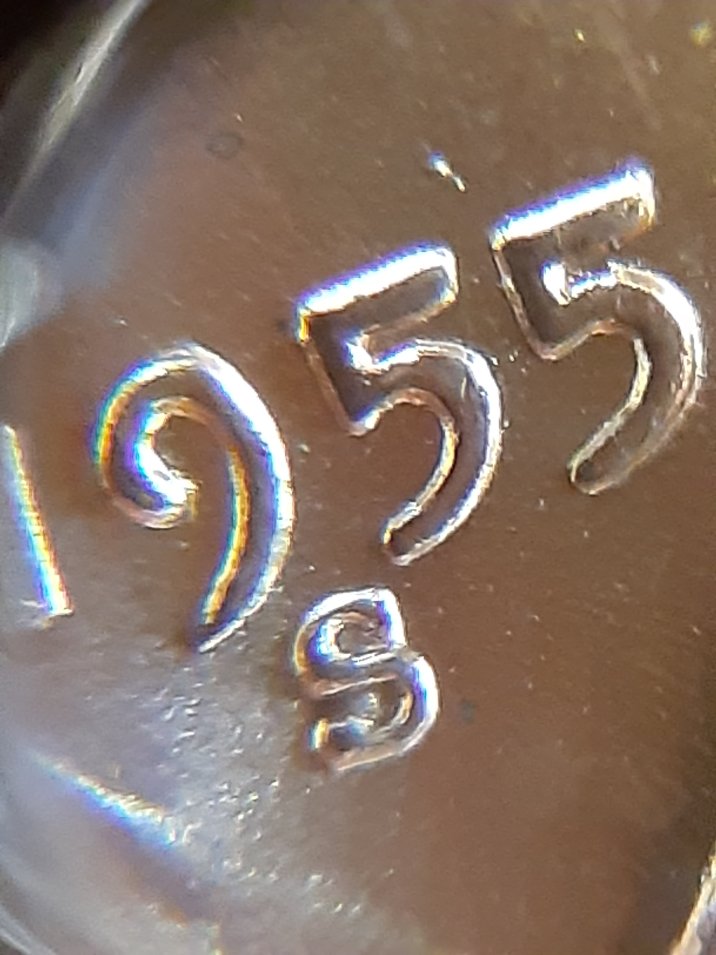
It appears to be a mini minor one on the top serif. But not a listed one. The angle you are taking the images for your coin has the light two low to the side. When this happens the light reflects on the sides of the devices instead of illuminating just the tops of the devices. Also note the strong glare. That is telling me that a diffusing of the light did not happen. the glare will hide anything on the outside edges of your coin. If there is
Machine Doubling on that area, then the glare would be hiding it. Why is the important? Because you will see on your coin, but all we will see is glare. By inverting the light, we could see the
Machine Doubling:
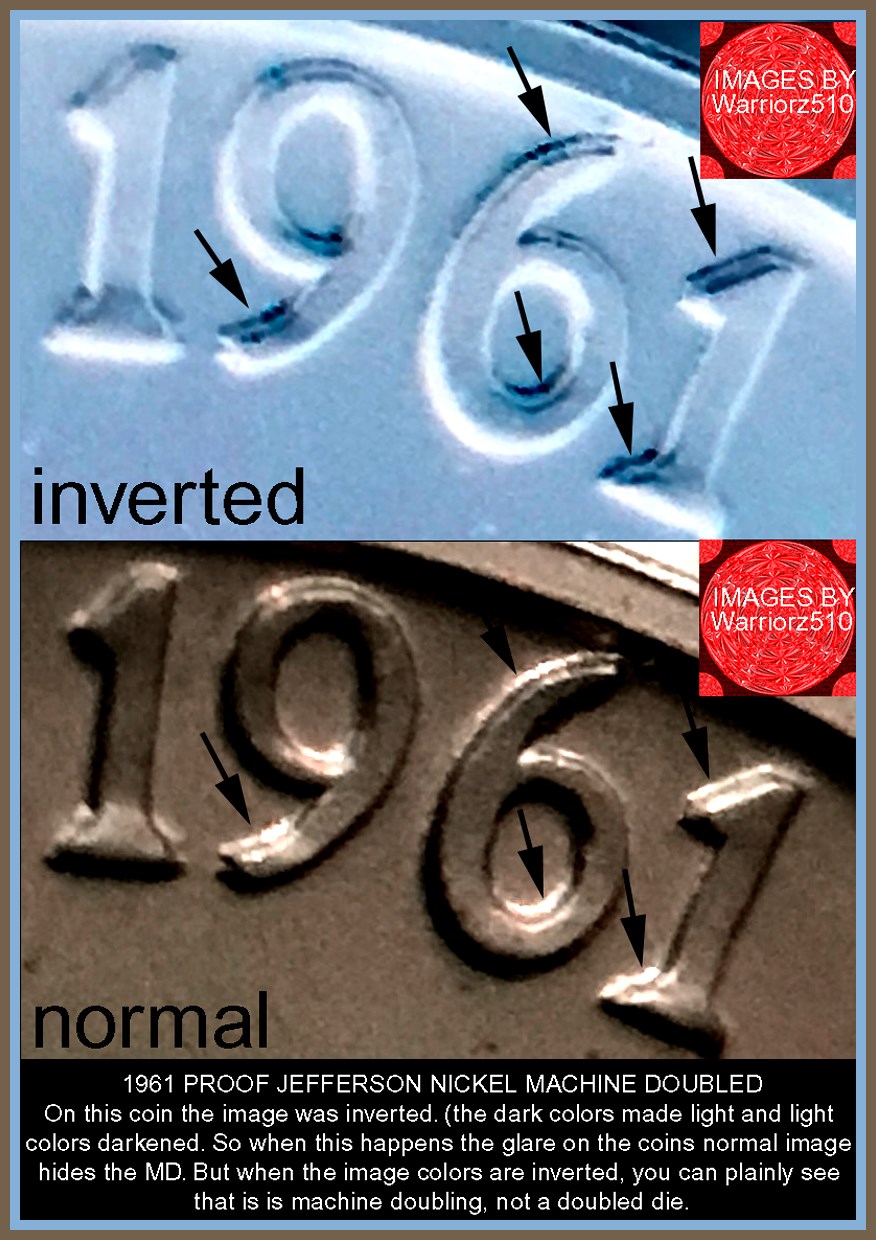
Note the blue image. When the collector took this image, they see the
Machine Doubling, but in the image, it is covered up by glare. Take a second look and you can see the differences. But
Machine Doubling is not a doubled die. So you just need to see the tops of the devices as the
Machine Doubling is on the sides of the devices and is caused after the strike by the machine. (common)
To diffuse light, you need to used something to breakdown the white light. That can be done with white paper or a plastic grocery bag stretched out from a wire coat hanger:
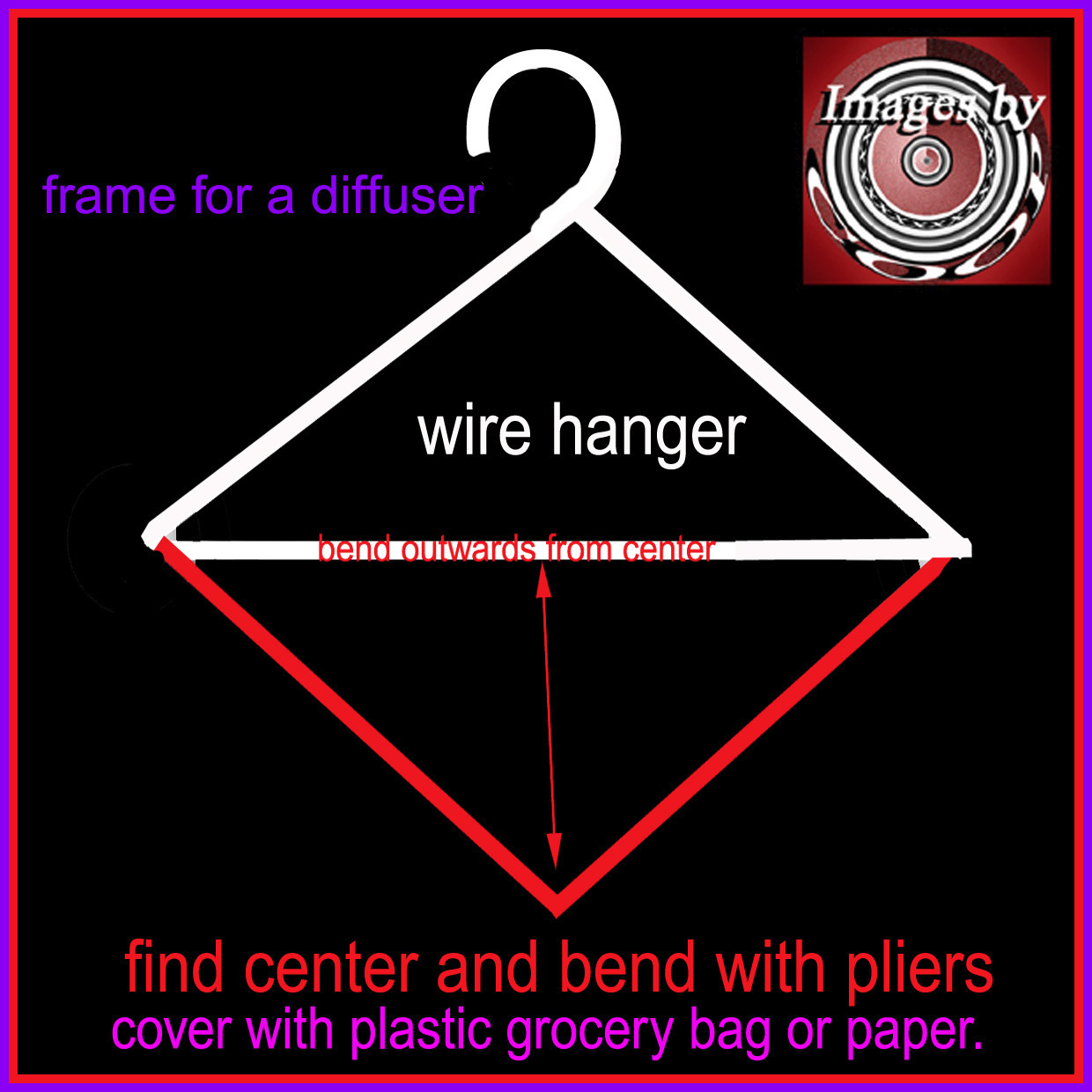
Taping the plastic bag to the frame. Place this between the area away from the light, but forcing the light through the plastic or paper. I call this a curtain. That way the light will not glare as much. Give this a try. Depending on your setup it should work. For full images I use a single light source: (My mini studio)
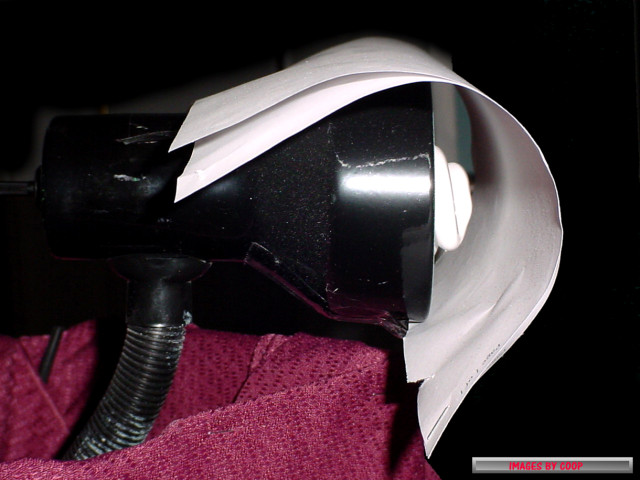
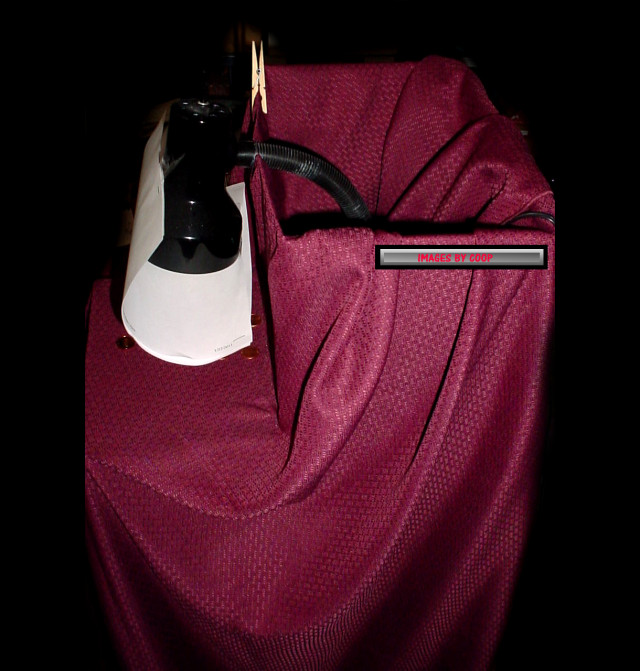
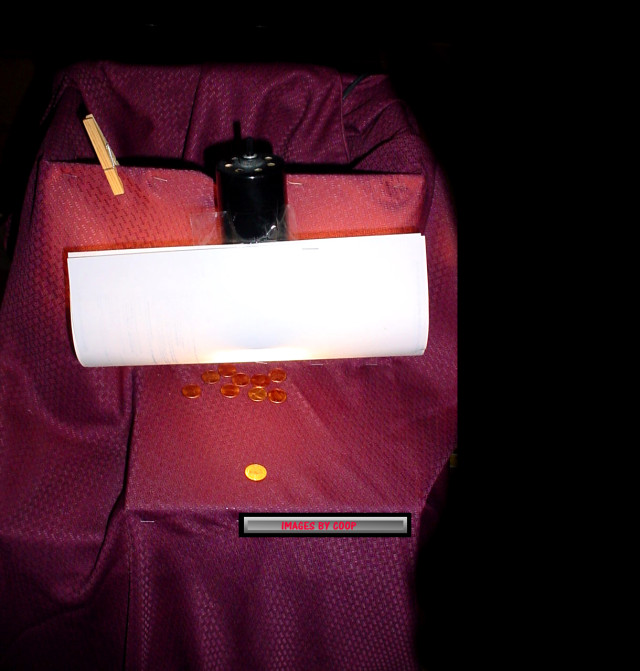
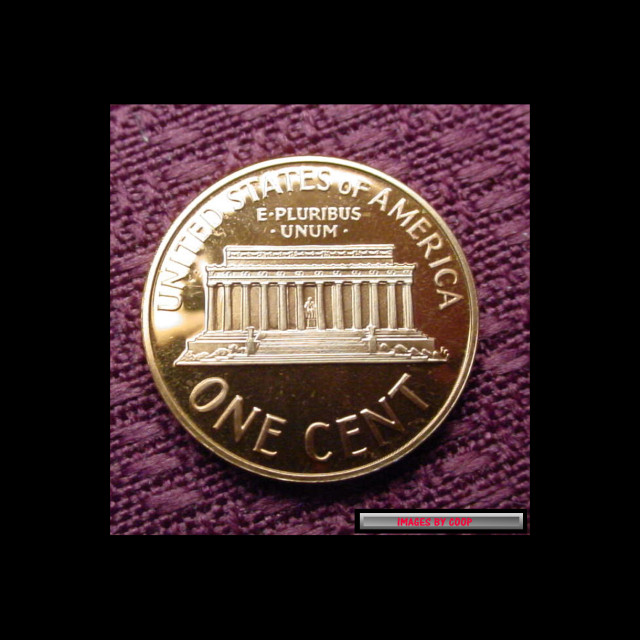
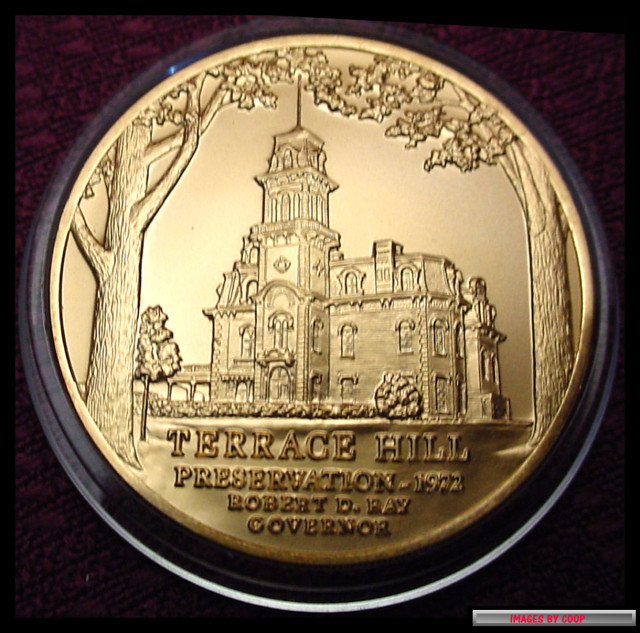
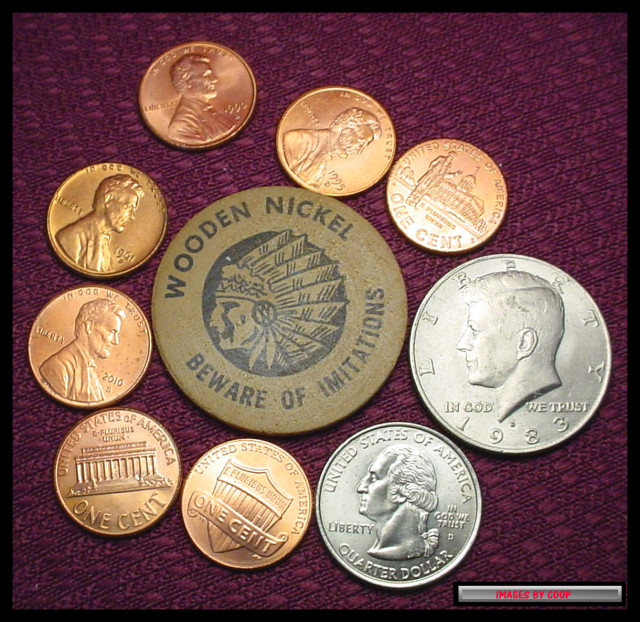
This is how I took images of full coins. They looked like this:
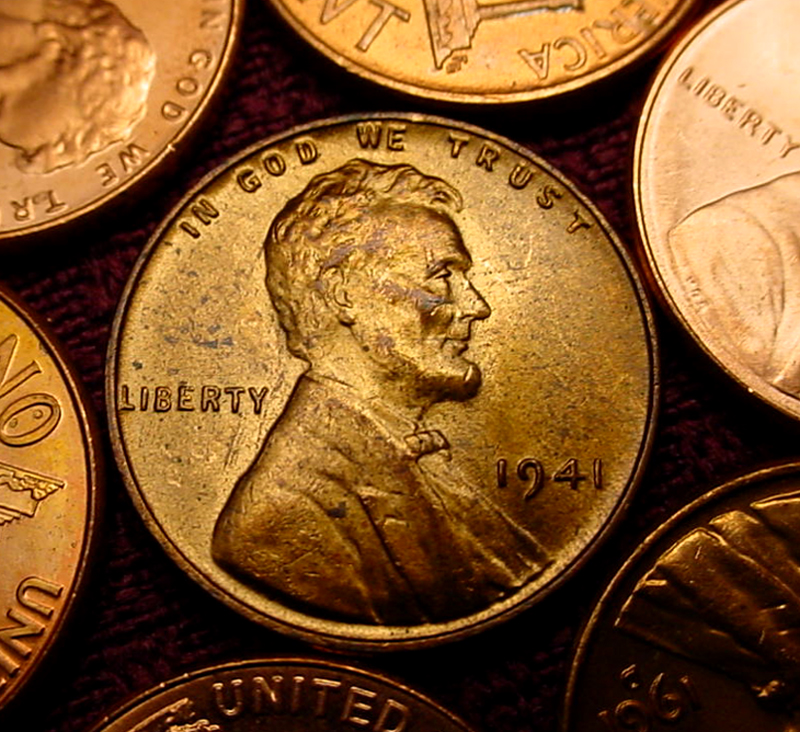
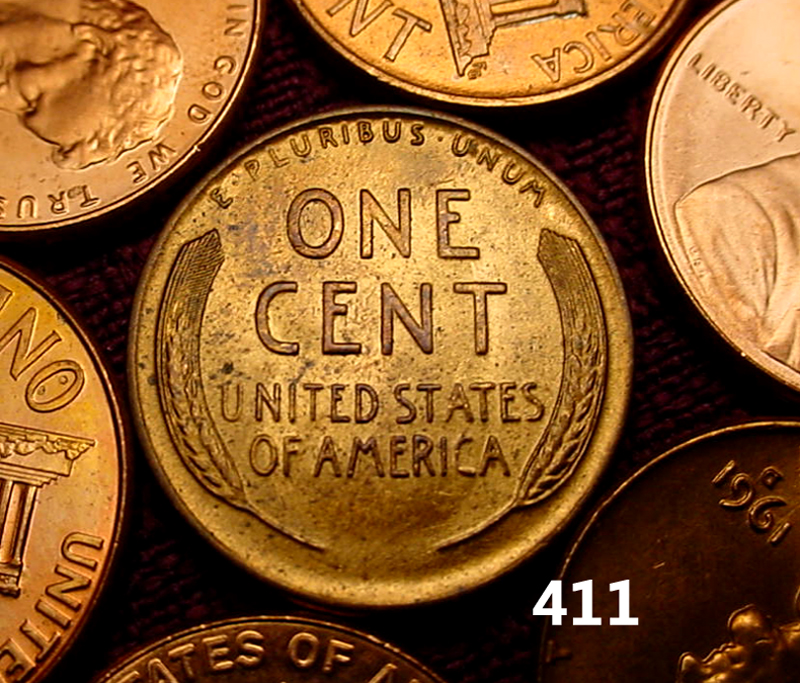
For micro images, I also use a single light system as a single light produces images with light and shadows. To many angles of light removes the shadows. On the micro images I used a scope:
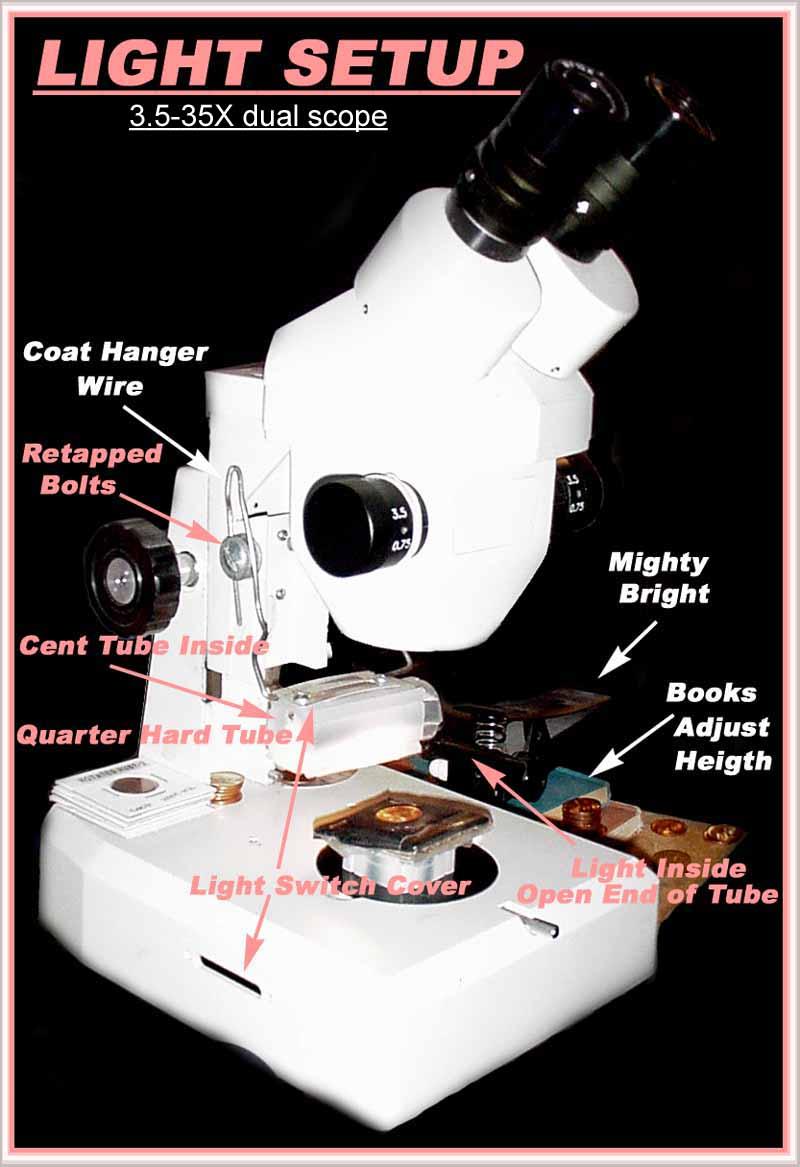
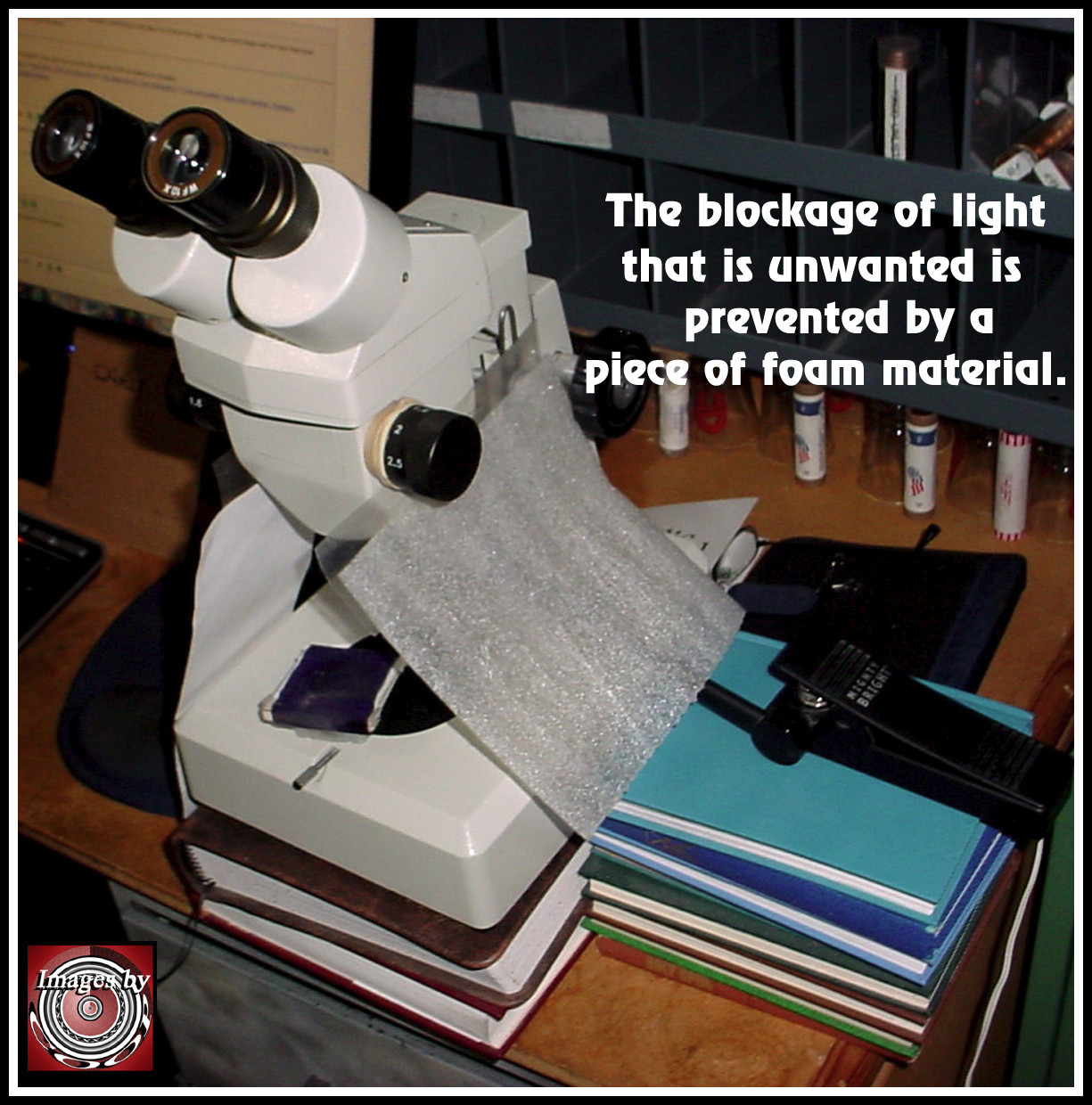
Sometimes you have unwanted secondary lighting and you need to block it out:
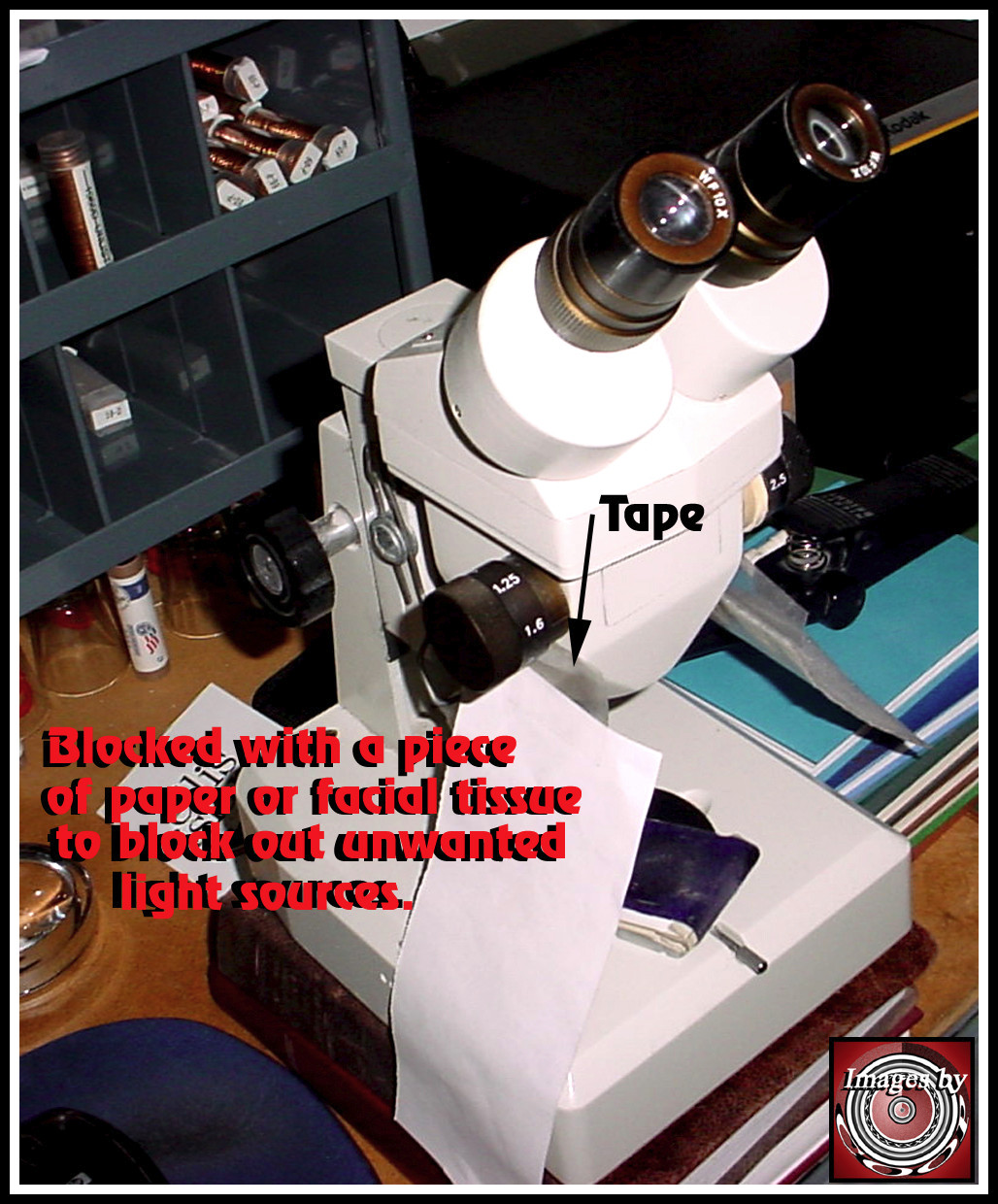
I edit the images to make them ready for use online:
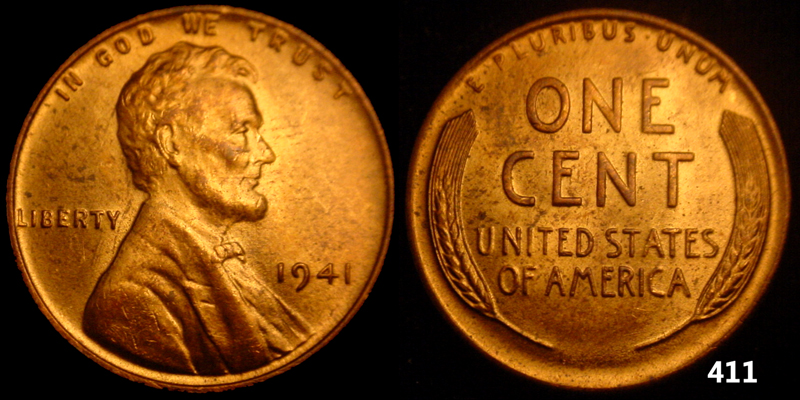
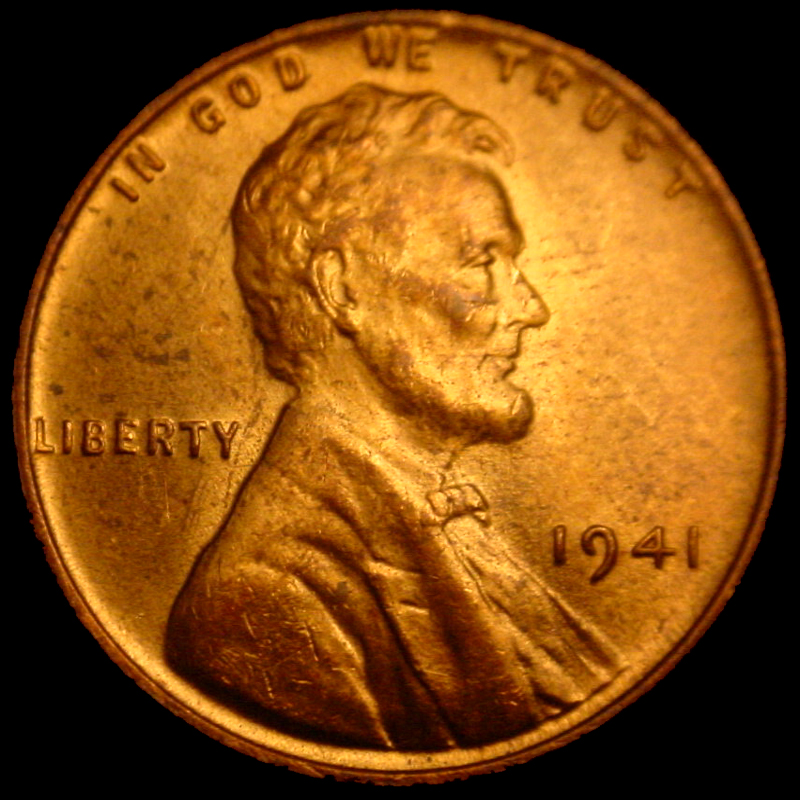
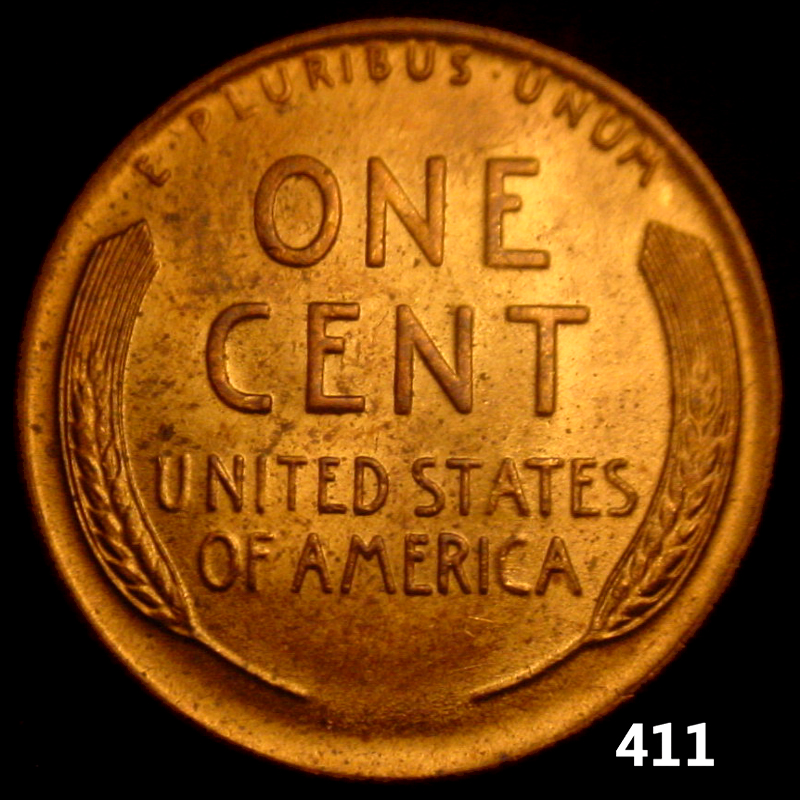
The other tools use are a ram and a book light:
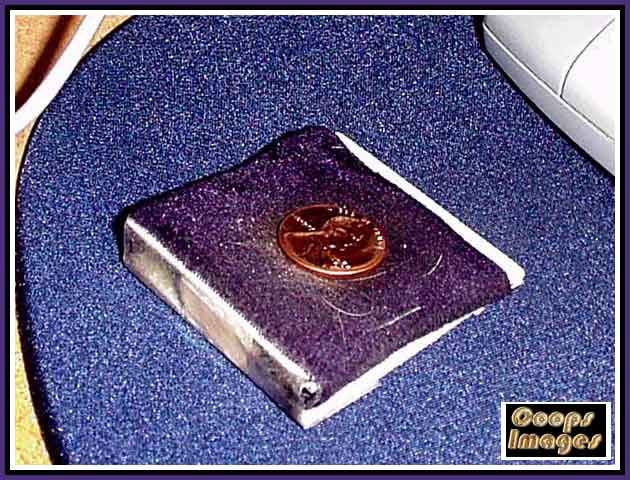
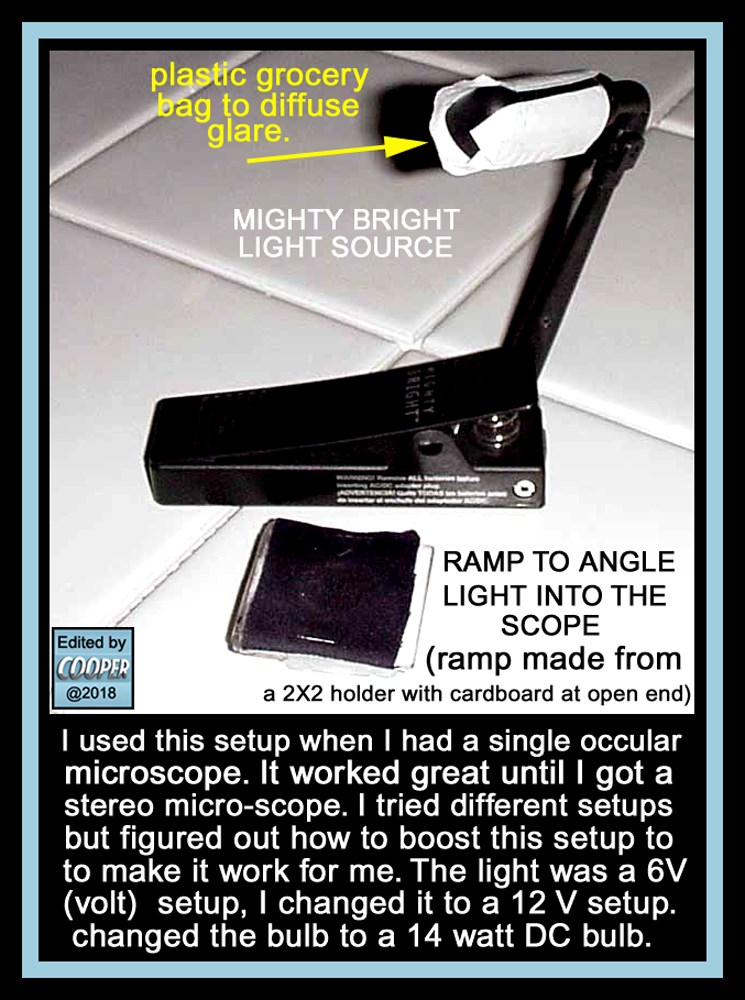
That ramp is used to direct the light from the source into the scope/camera.
With the wider point on the scope, I put the widest point at 6:00 with the light at 12:00. (See the image above of the scope. When adjusting the ramp keep in mind that the angle mentioned will help direct the light into the scope. But at a different angle the light misses the scope and the light turn out dark. So if you need to adjust, adjust the coin, not the ramp.
A second use of the ramp for proof coins, I reverse the direction to get the light into camera. 12:00 at back and 6:00 for the side facing the camera for single images.
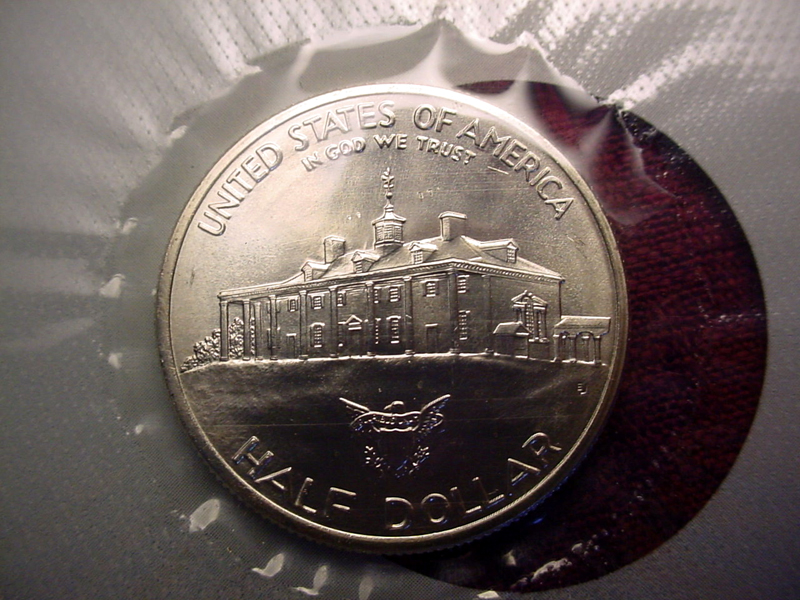
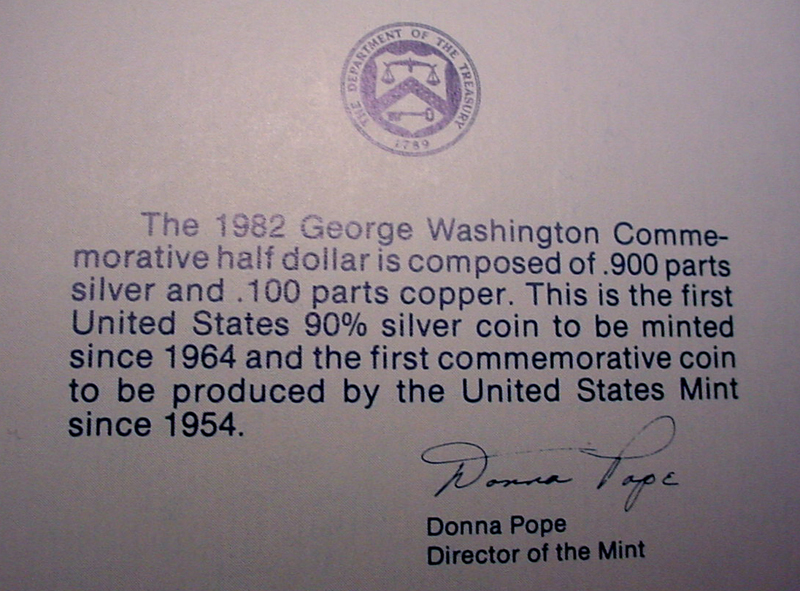 CoopHome
:
How to get better images? What can I do to improve my setup?




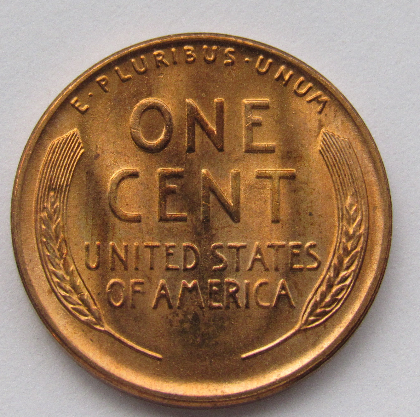
 . So many good coins.... I am starting with this one because of course it caught my attention right away since it is in beautiful condition, the toning is quite interesting but difficult to show in pictures.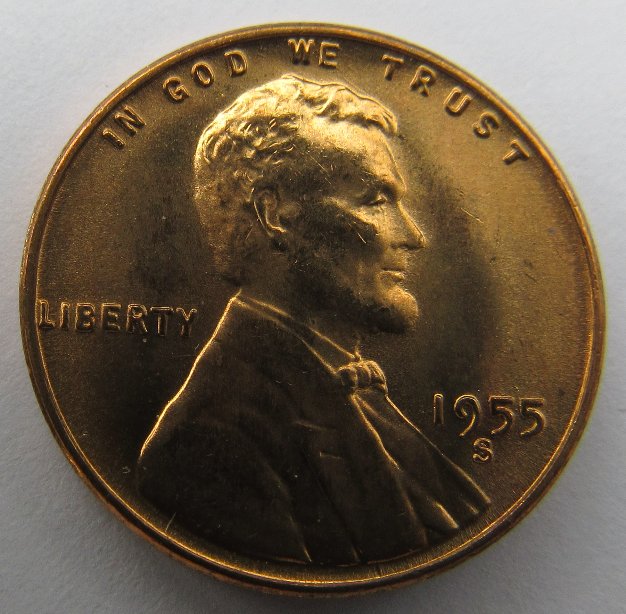


 Posted 08/15/2021 7:19 pm





