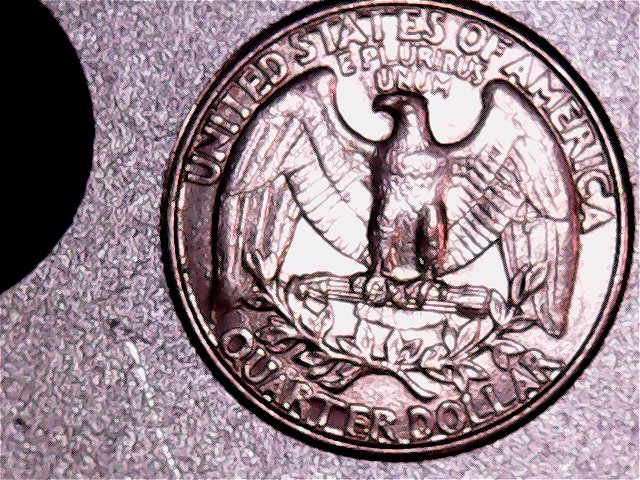
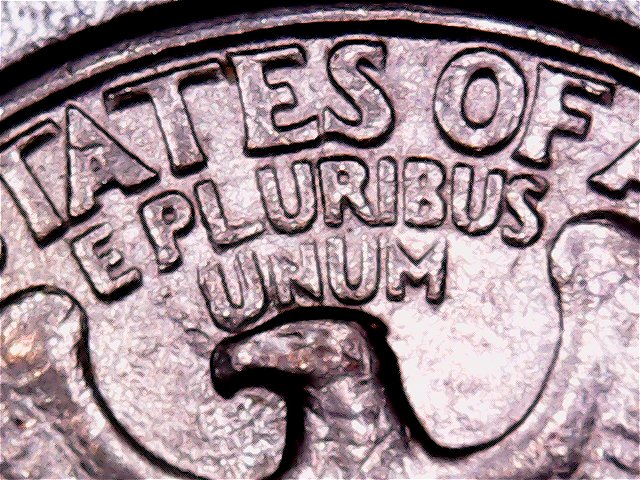
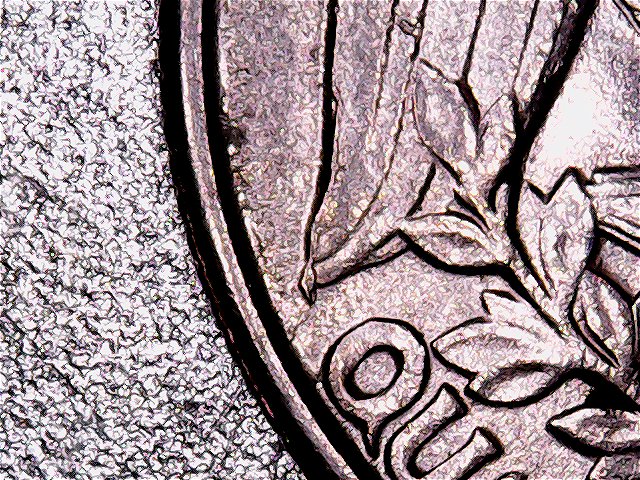
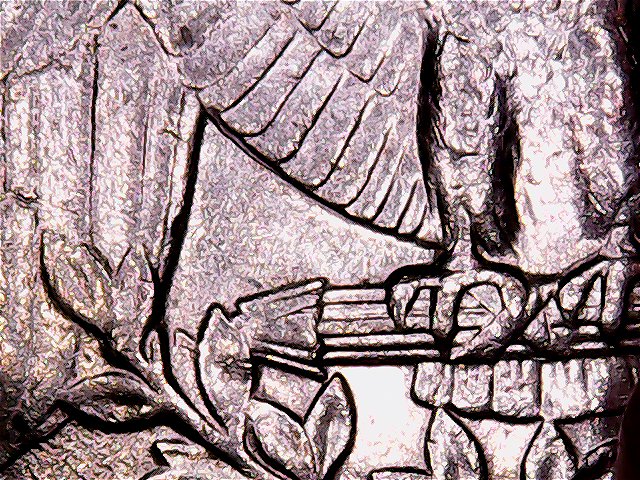
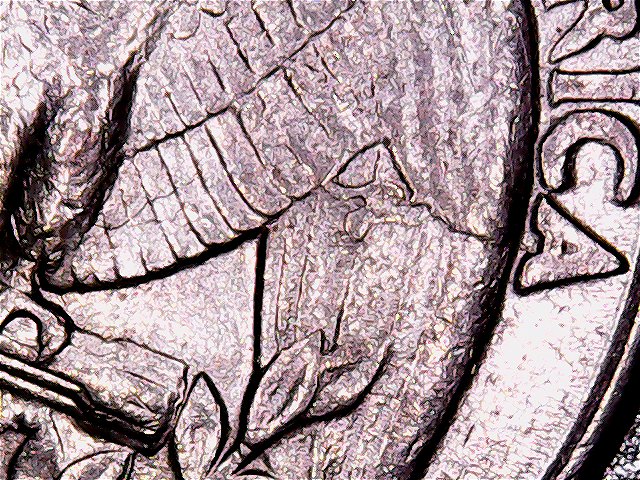
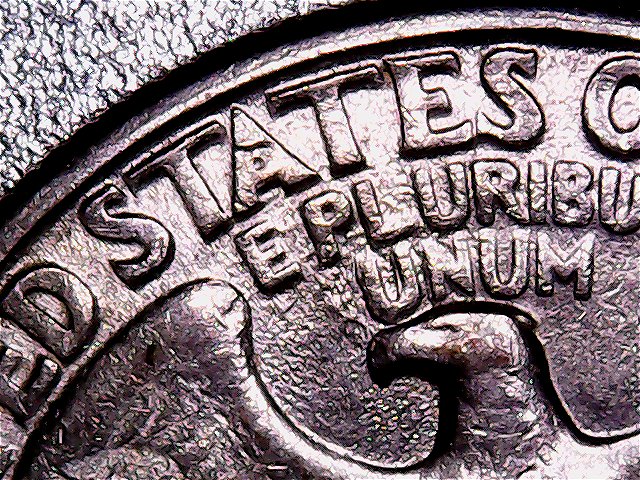
The reverse die was in the LDS/VLDS die state. A lot of die cracks are present, die chips and heavy die flow is also present. These die events show a wearing die issue. These event do not make it a doubled die. A doubled die has the doubling on the die, thus they are called "doubled dies" because of that. From the first strike to the last strike, they remain doubled dies. So die wear doesn't create, a doubled die. If a doubled die has
Machine Doubling on it, it is called a doubled die with
Machine Doubling.
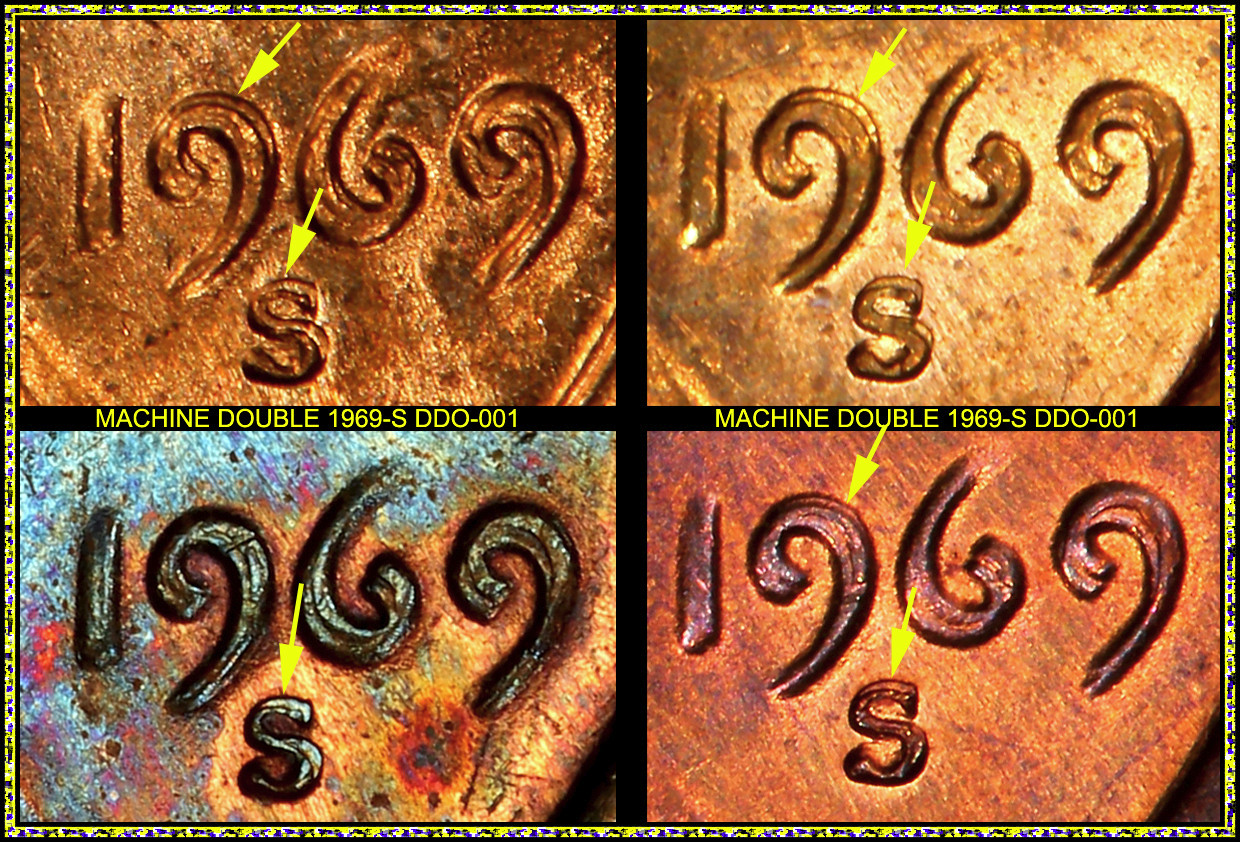
Note on this 1969-S DDO-001, the big one. This show the hub doubling on the dates, but note the yellow arrows. These are pointing to the
Machine Doubling. Also, not
Machine Doubling is often is just a single direction as see of the arrow locations.
If a normal die has
Machine Doubling on it, it is not a doubled die, but just a machine doubled coin.
So doubled dies are created with hub doubling on a new die, and is called a "doubled die". Die aging, doesn't create doubled dies, but alters die strikes on the coins.
Machine Doubling is altered by the machine after the strike.
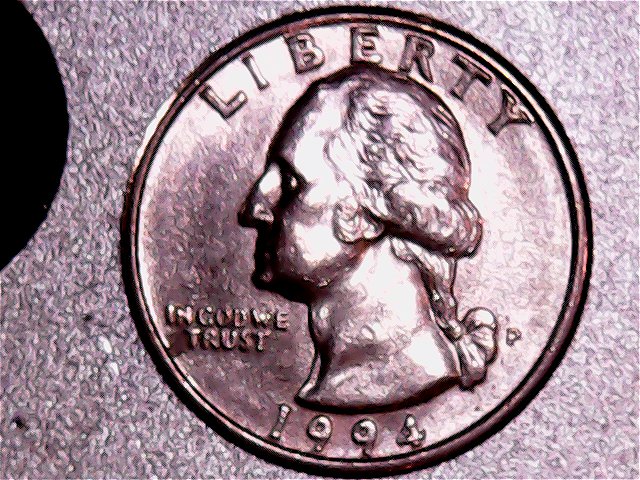
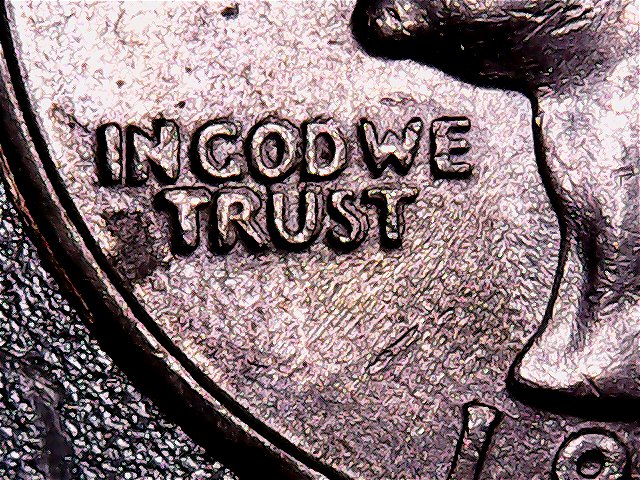
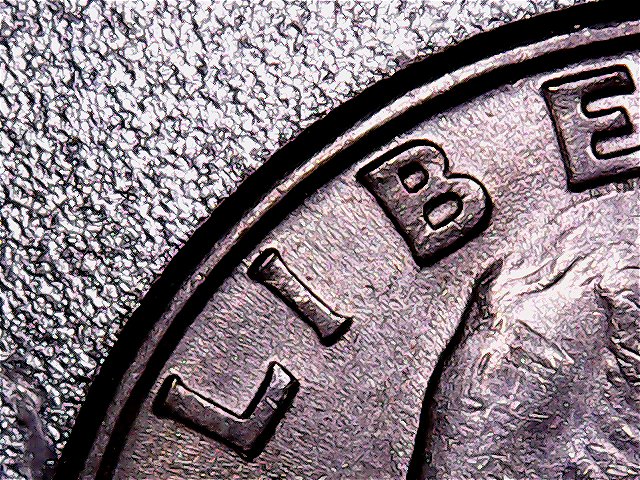
This can happen on normal dies and also on doubled dies. On your coin it is just a die event, so no premium for these.












 Posted 09/06/2021 5:51 pm


