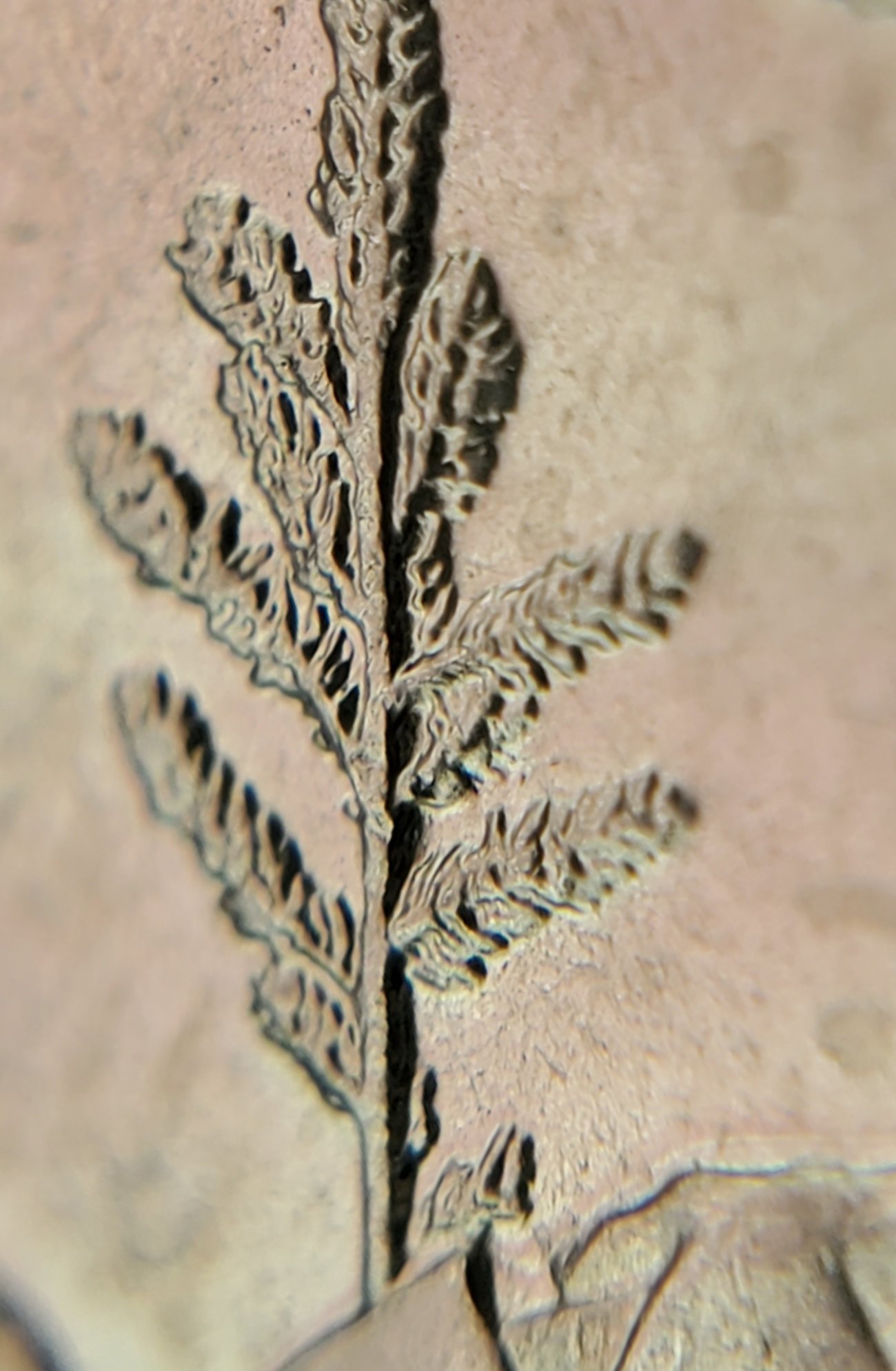
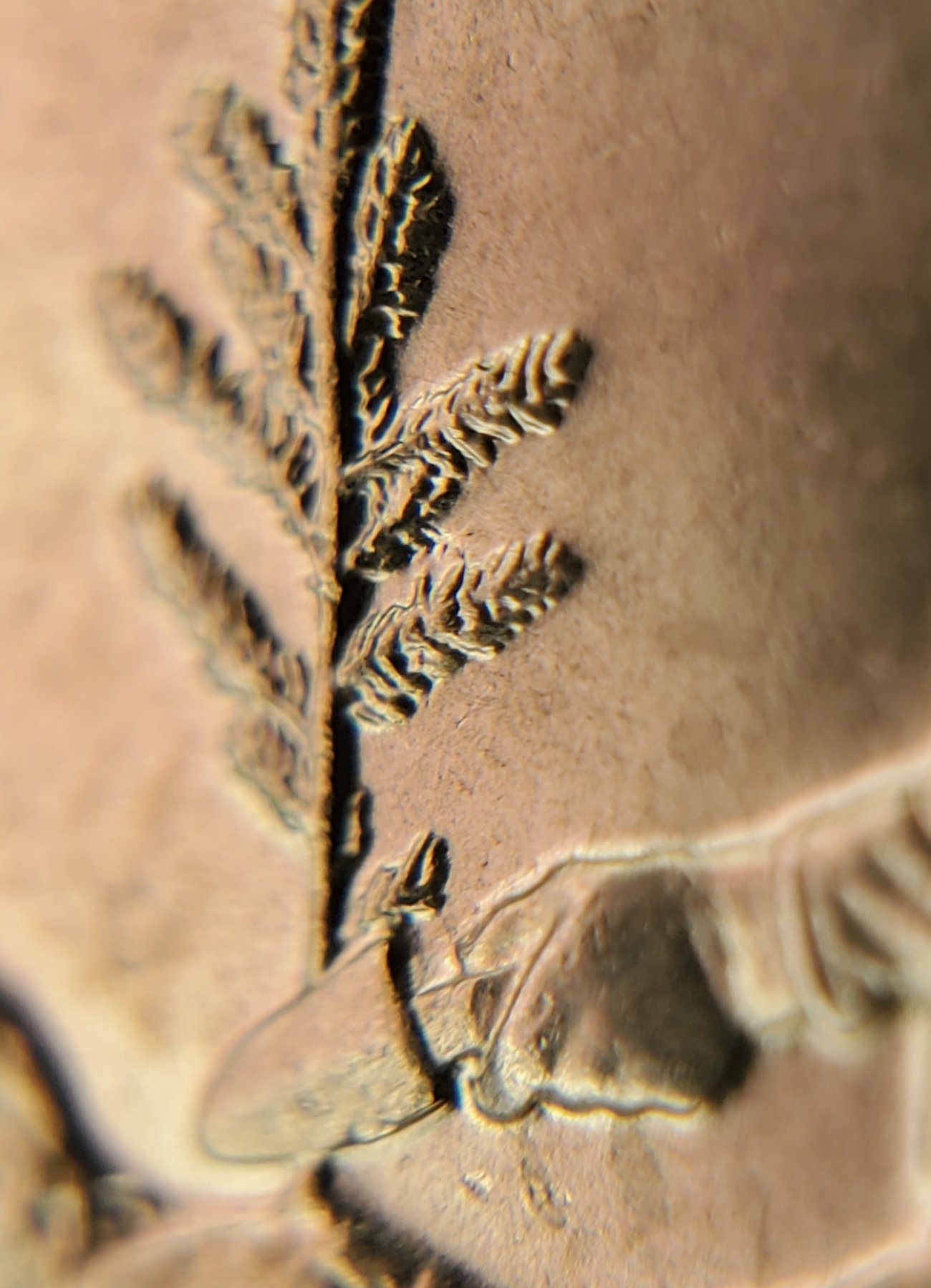
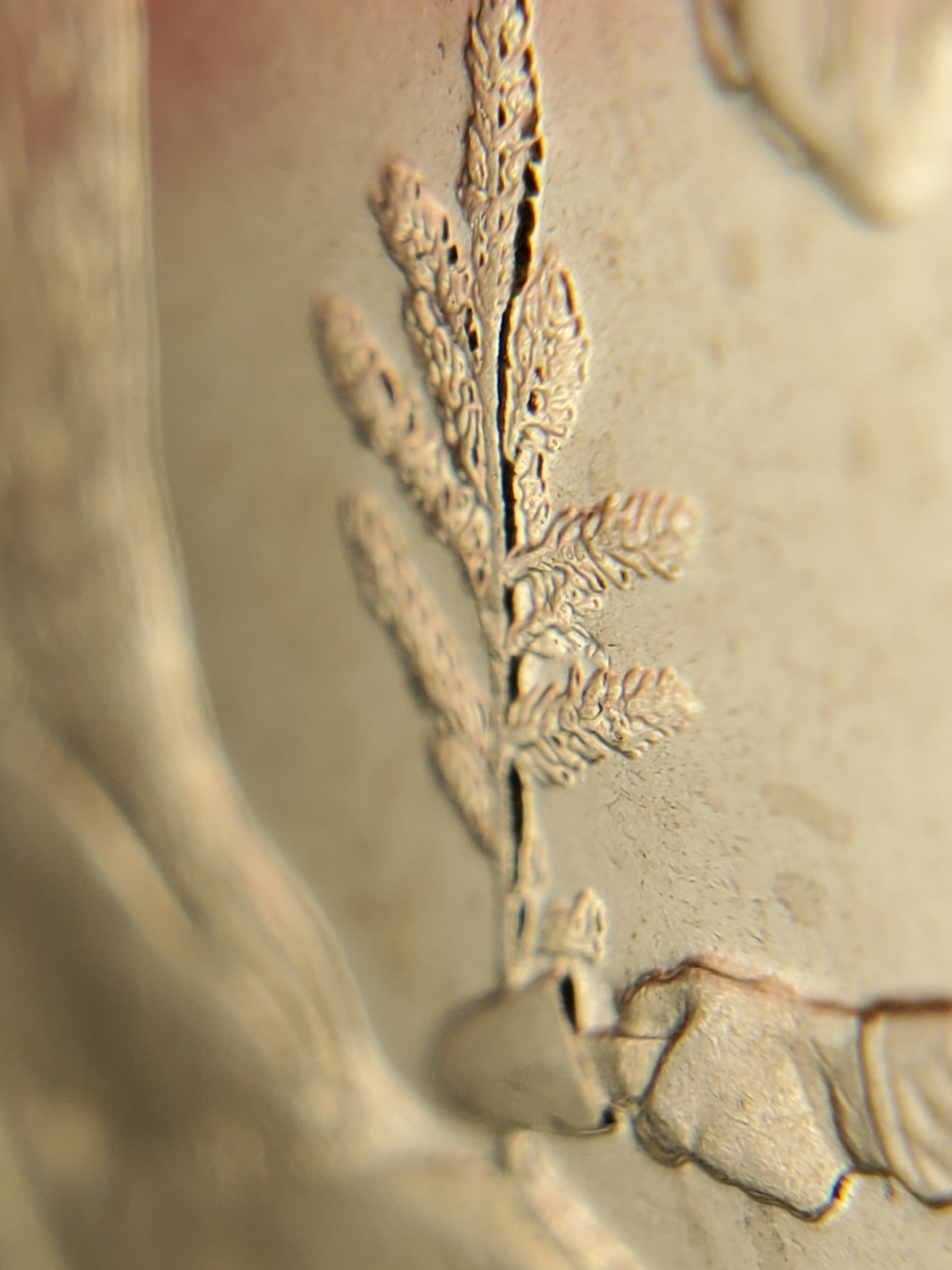
**Please read through entirely**
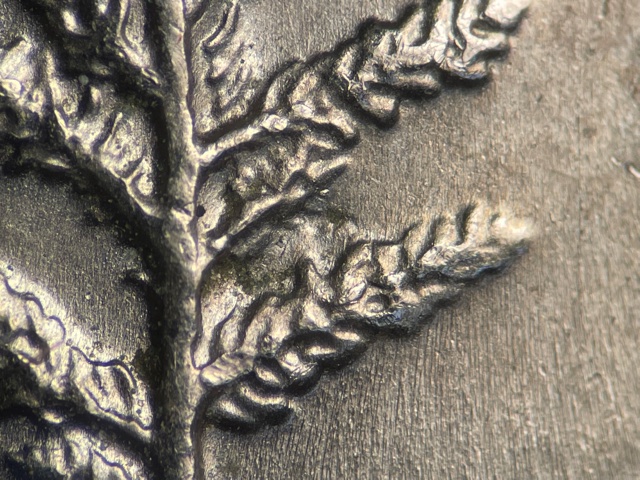
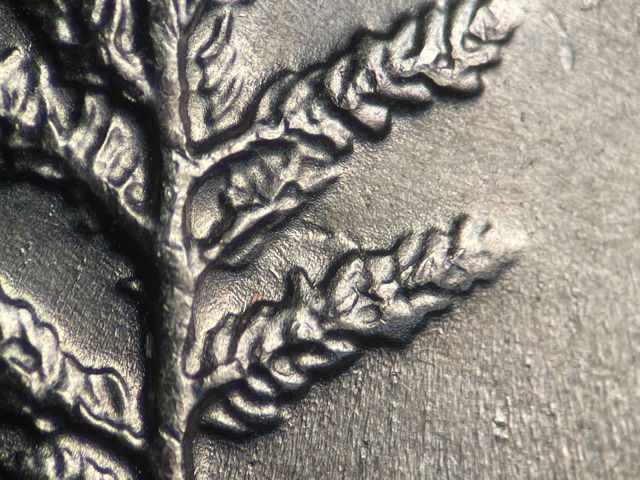
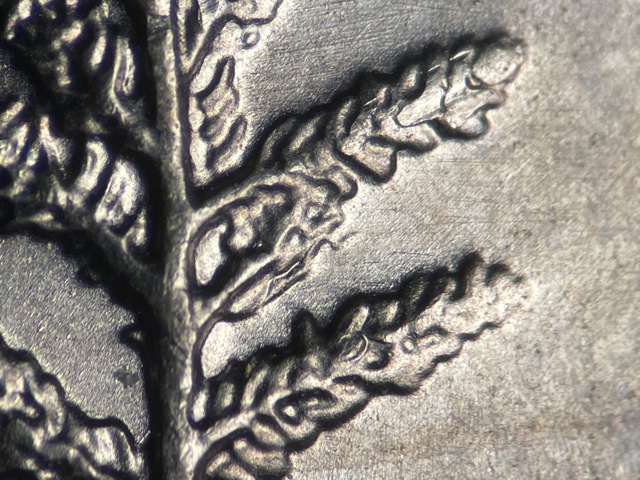
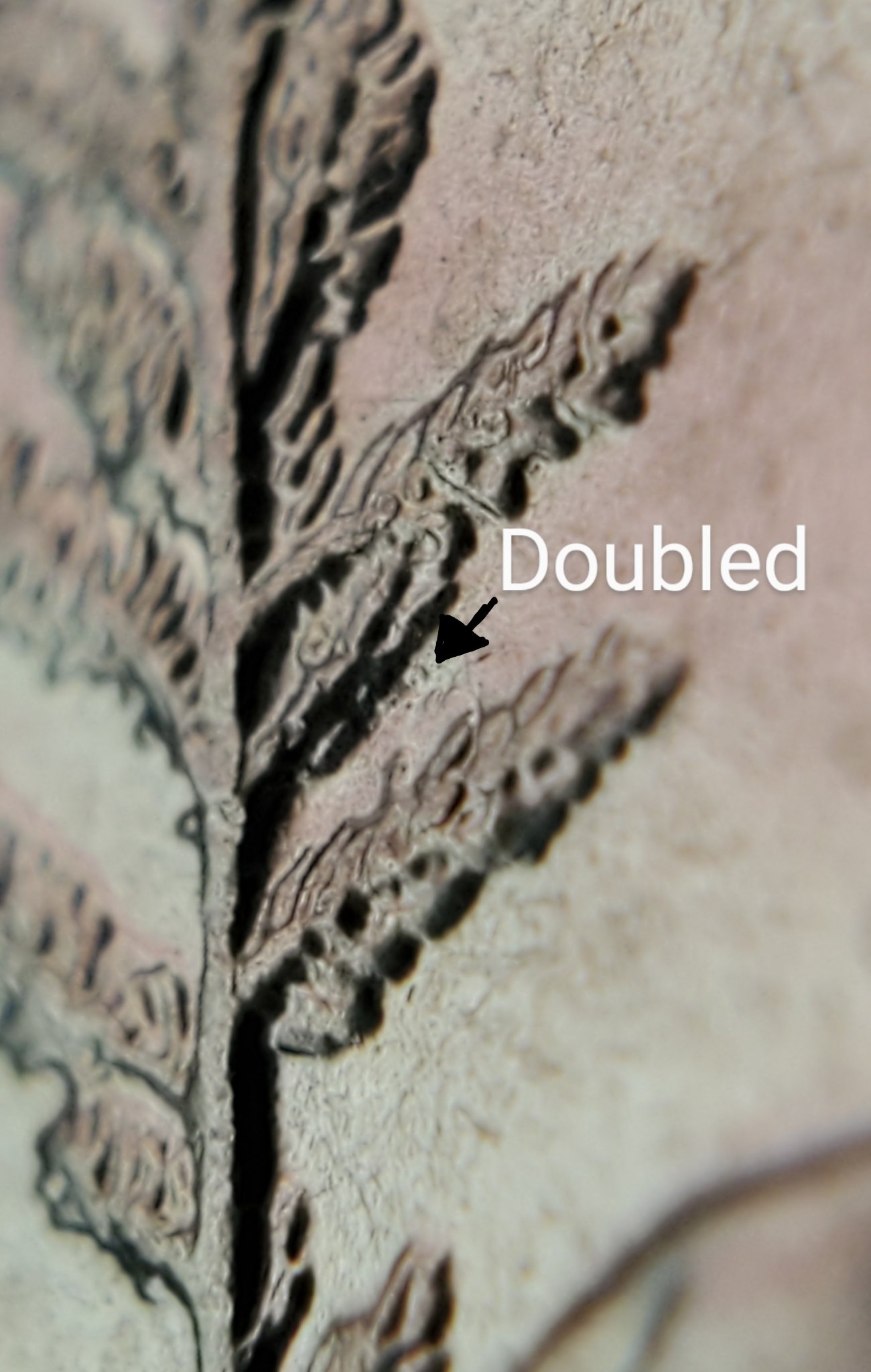
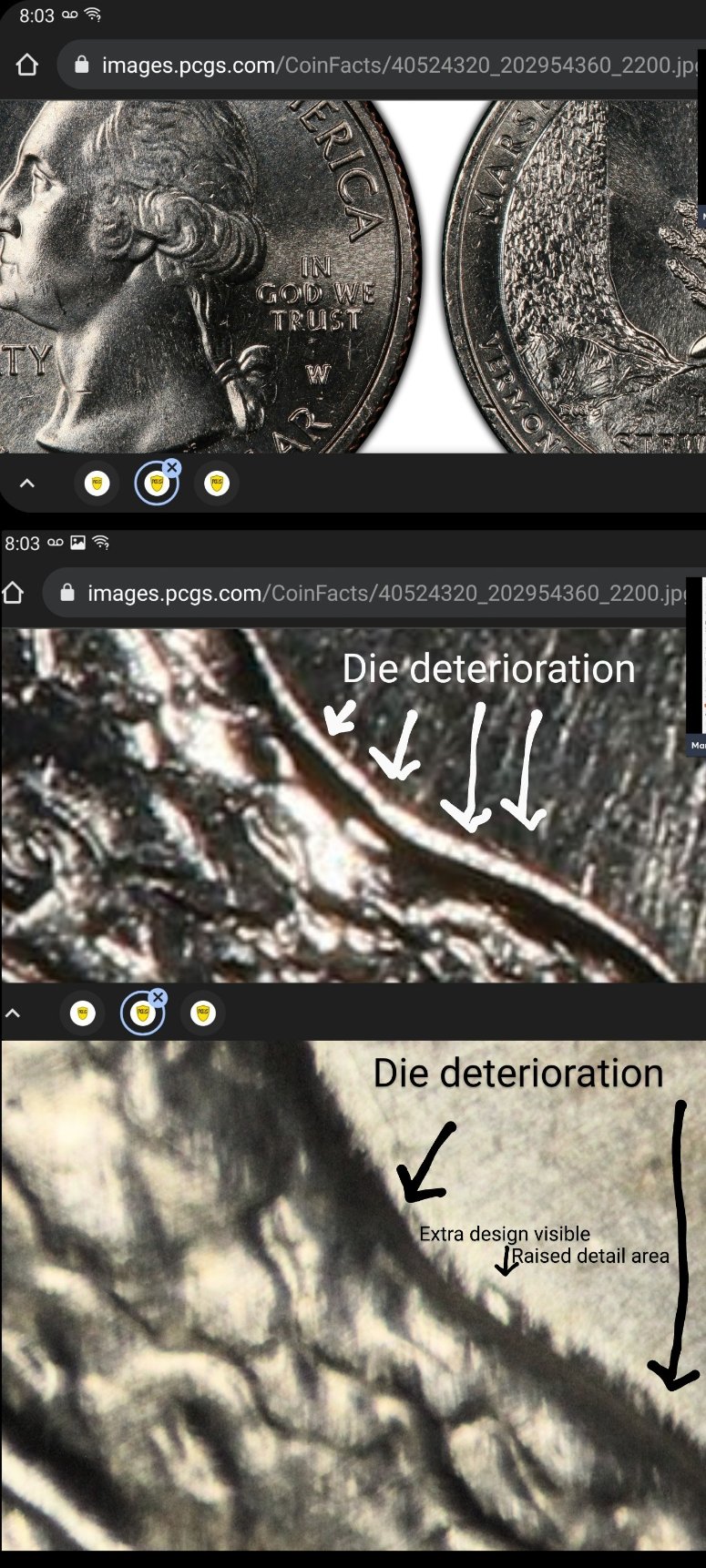
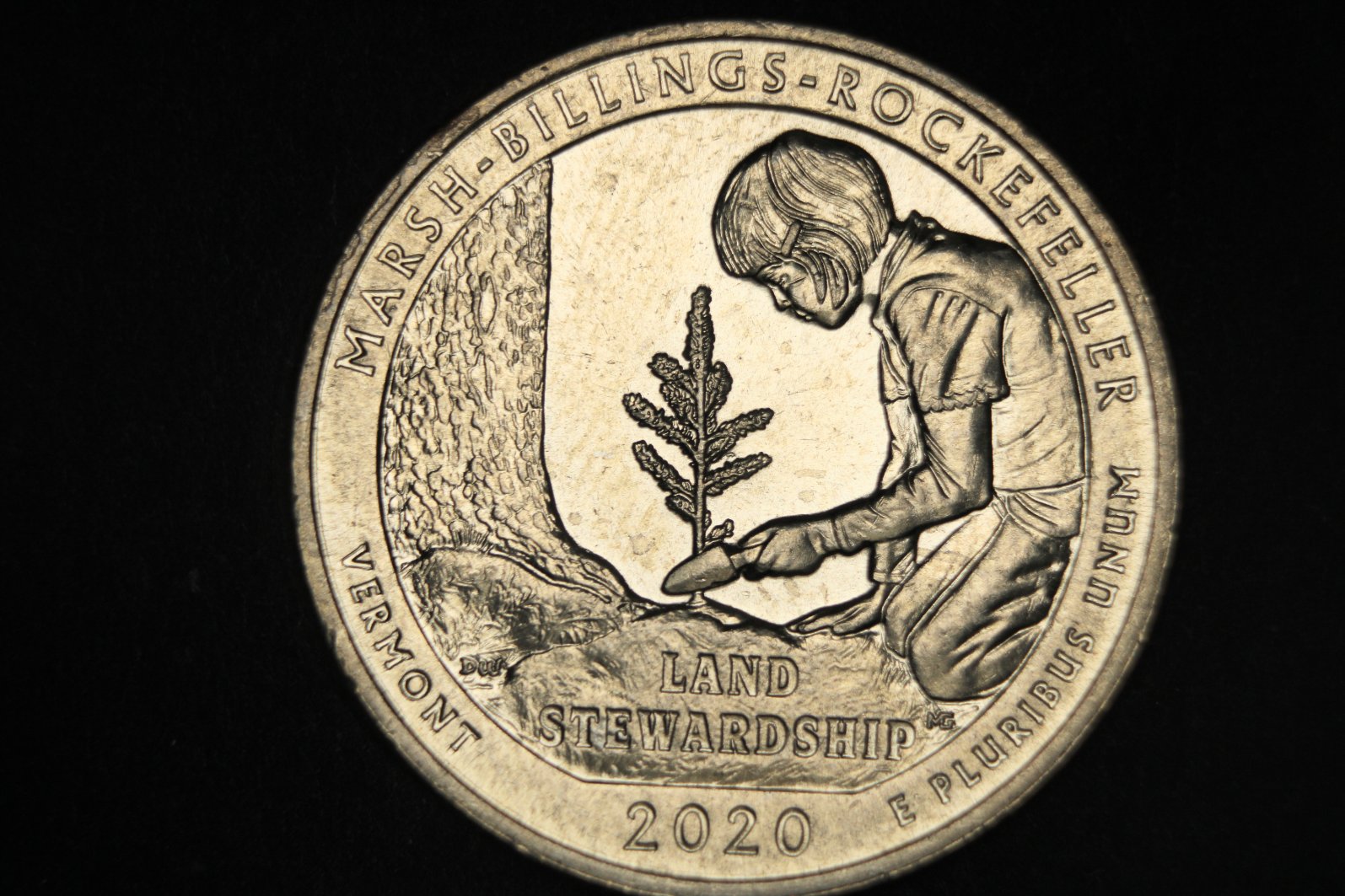
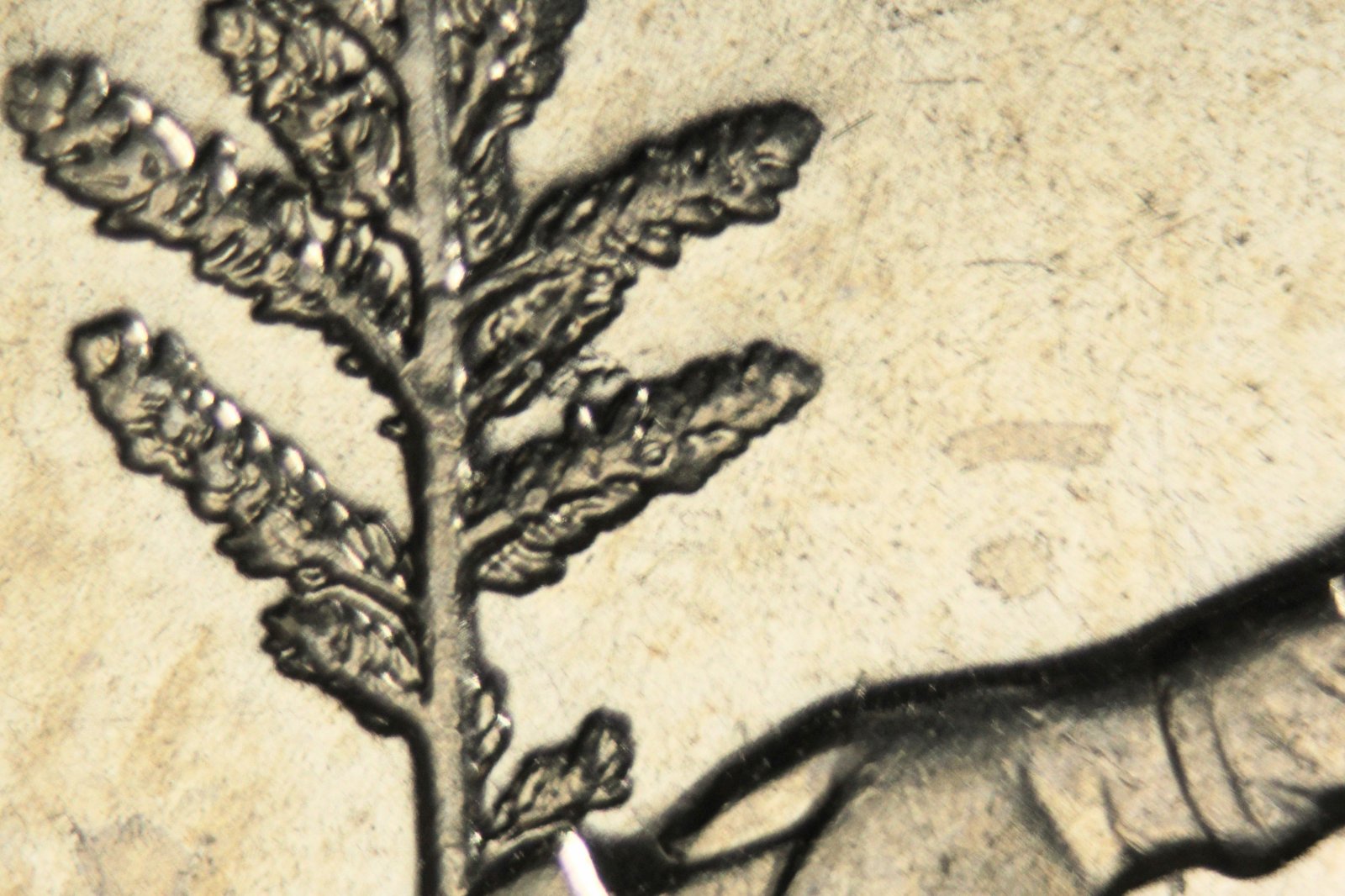
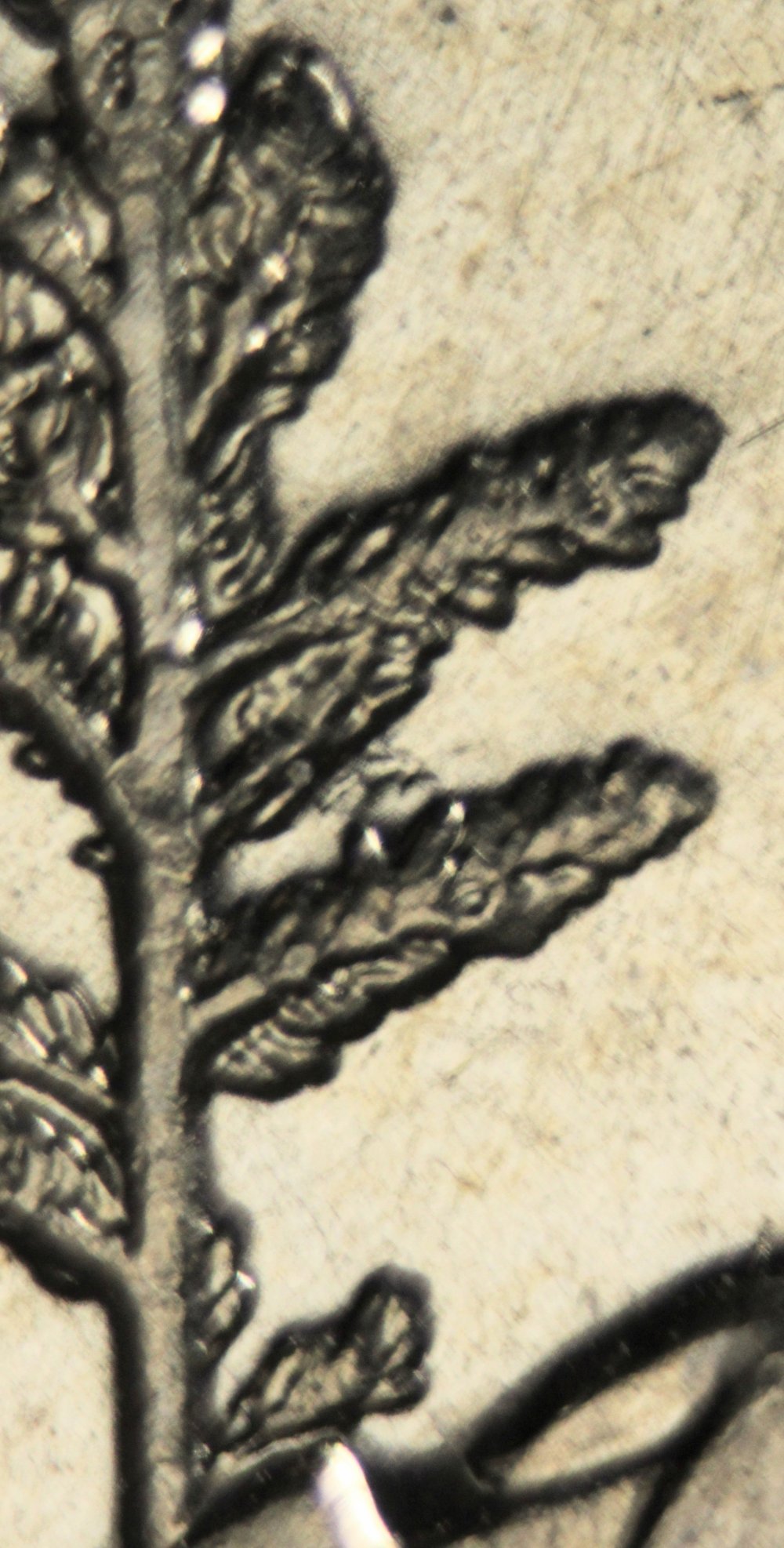
Brought both coins with me to work last night to re study and label the depth of the areas in the photo to make it easier to visualize. every area described is something I can visually see clearly. it was a pain in the ..... however one headache and 13 hrs later this is the result.-
I've seen so many rim ding marks and damage along with
DDD and MD lately I can tell you this is none of those. Its definitely not a die crack or a chip the area is too smooth and besides this does indeed have weak details of some kind of design feature. It does not look like a clash to me I just don't see how clashing would line up here, I'd expect a different pattern in the area (more along the lines of lower ear shape/hair) right here if it was. So that kinda puts me at only a few options.
Option 1. This is how the reverse should look and the mint did a horrible job giving reference photos
Option 2. This is some kind of die dent that raises devices in one spot on the die creating a low spot on the coin surrounded by higher relief that occurs around the same place on the middle of the coin on Philly and Westpoint examples for sure but not Denver or San Francisco*buisness or proof* examples (according to PCGS photos of both and my few Denver mint examples in hand)
Option 3. There are non finished proof reverses in use. My phone doesn't show the mints photos the greatest however based off the crappy pictures I can see it does look like the unc reverse COULD have something extra there while the proof reverses wouldnt.(kinda ties into idea 1. They didn't provide correct reference photos)
My take on it is option 4. Here are the photos of the depths of the design.

4. A mix of things, poor quality control, and a detailed sapling design in the center of the coin sounds like the perfect storm for this scenario :they start to create the die, the die touches an area of the hub that would create an incuse area on a raised portion of design on the coin. The process gets stopped at the beginning somehow they check everything and for some reason they don't pull the die, They disturb its placement and continue..the die now has a new design profile left on a tiny tiny Itty bitty top area somewhere

(can't fully decide if on the very tip or a flat surface up top the conical shape, keep going back and fourth in my mind but leaning towards the later. Number 1 just seems to drastic for the mint to let go and I would think there would be a whole heck of a lot more design here).


The die which has now been disturbed finishes being made while leaving the new design details in the lowest fields of the coin instead of back on raised design where it belongs.


The center of the design is on the righthand second branch from the bottom of the sapling this would be about the correct area for any doubling to be occurring as well. So what if and I mean big if.. one of the master dies was doubled and the wierd occurances happening in that spot are other things happening from the working hubs and or dies striking each other from those sets.. what if later in the hubbing process one of the hubs or dies is stopped and started again but not as drastically as the first time. That combined with the original situation would surely make everything much more difficult to properly identify especially if it's stretching and distorting an already misplaced design feature; I can see this becoming a total nightmare to place its original location.
I know dont understand the entirety of the minting process but I have an ok idea so if any of what I think couldve happened just isn't right or possible please go easy on me and teach me, I already feel like a fool out on a limb here lol I would like to understand and be involved in an informed conversation. Lastly excuse the lack of proper scale in my drawings, they are only used to illustrate what I'm trying to convey and what I think. Thank you any response is beyond appreciated!






 Posted 11/21/2021 1:14 pm