








 back to the Community!


 Posted 12/30/2021 4:25 pm


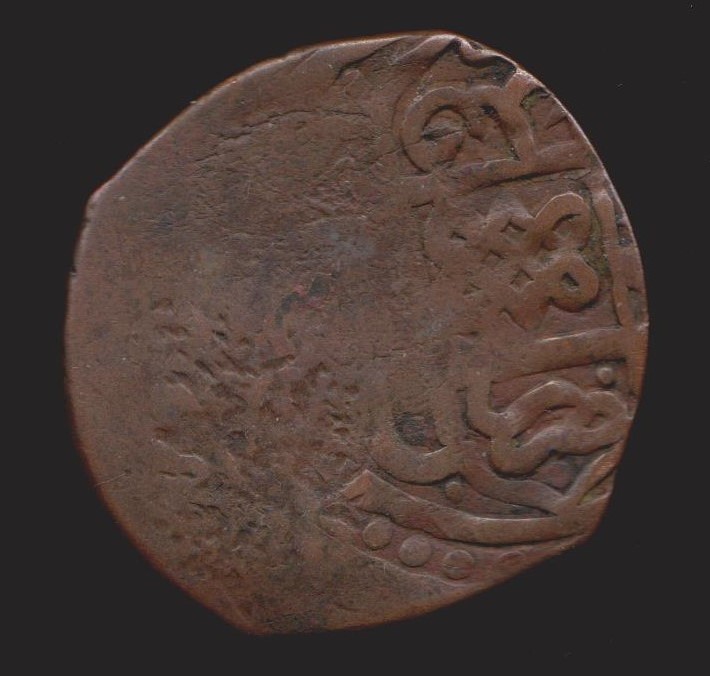
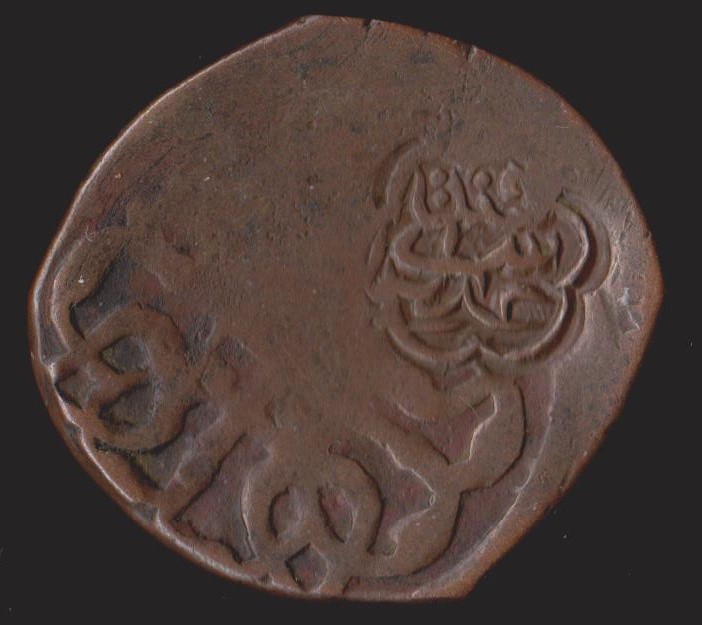
I don't know the mint, but I would think it was contemporary to the countermark (1400s). It may even have been struck in Samarqand, or at least somewhere within Timurid control, like Bukhara. They were countermarked for local use.
According to Stephen Album:
From about 818 (AD1415) onwards, all this coinage is anonymous and best regarded as civic coinage. From 818 until 905, all Central Asian mints were under Timurid control...Unlike their Iranian counterparts, which appear to have been valid only in the city of issue...Central Asian coppers were used as a regional, rather than a local currency. For this reason, it has been hypothesized that new designs or countermarks were used strictly for financial reasons, equivalent to a form of taxation.
According to Stephen Album:
From about 818 (AD1415) onwards, all this coinage is anonymous and best regarded as civic coinage. From 818 until 905, all Central Asian mints were under Timurid control...Unlike their Iranian counterparts, which appear to have been valid only in the city of issue...Central Asian coppers were used as a regional, rather than a local currency. For this reason, it has been hypothesized that new designs or countermarks were used strictly for financial reasons, equivalent to a form of taxation.


