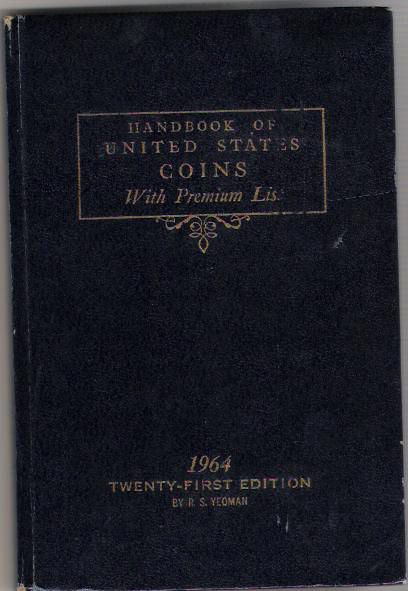
When you do the inflation adjustments, you can see what coins have
really appreciated in value since the old
Red Book, versus what just held steady with the rate of inflation. (or even some that
lost value, by that measure!)
So if you went back to 1958 or 1966 to tell your grandfather what to buy and hold onto as family heirlooms, your 'choice investments' might be a little surprising.
The Uncirc. 1909 S-VBD Cent was already costly by 1958, and its inflation-adjusted value is 'about the same' 50 years later (for an MS 60 example). Compare to the G-4 1916-D
Mercury dime, which
quintupled in inflation-adjusted value in 50 years! Gramps could have bought you seven of those G-4 1916-D Mercs for the same money as the one MS 1909 S-VDB!
**********************************************************************
Which Morgan do you tell Grandpa to get in 1966?
1889-CC VF-20, $80 in 1966. $500 in today's money! Now worth $1700 (PCGS), so it 'tripled+'. Not bad, eh?
So you go back to 1966 and tell Gramps not to buy that new Chevy, buy an Uncirculated 1893-S instead!

It's a whopping $4500 in 1966 (new car money!),
$28,500 in today's dough! Even in 1966, it takes 'serious coin'

to buy that serious coin! Now that MS-60 1893-S is listed in PCGS for a whopping $97,500. Again, a 'triple+' appreciation in inflation-adjusted value.
Oh, but wait: the 'humble' 1878-CC. A mere $3.50 in VF in the 1966
RedBook. Just $22 in today's money! Now worth $125 (VF-20 PCGS), so it '
quintupled+'! The 1878-CC left those big key dates in the dust in terms of inflation-adjusted appreciation!
**********************************************************************
I was still surprised that many common date
Mercury dimes have
lost inflation-adjusted value since 1966

, given their increasing age and the big silver coin meltdown in 1980. This makes me think that they're undervalued at the present time, and might be a good bet for long-term appreciation (a design change for the Dime in the future would greatly increase interest in Mercurys!).







 Posted 01/25/2009 12:51 pm