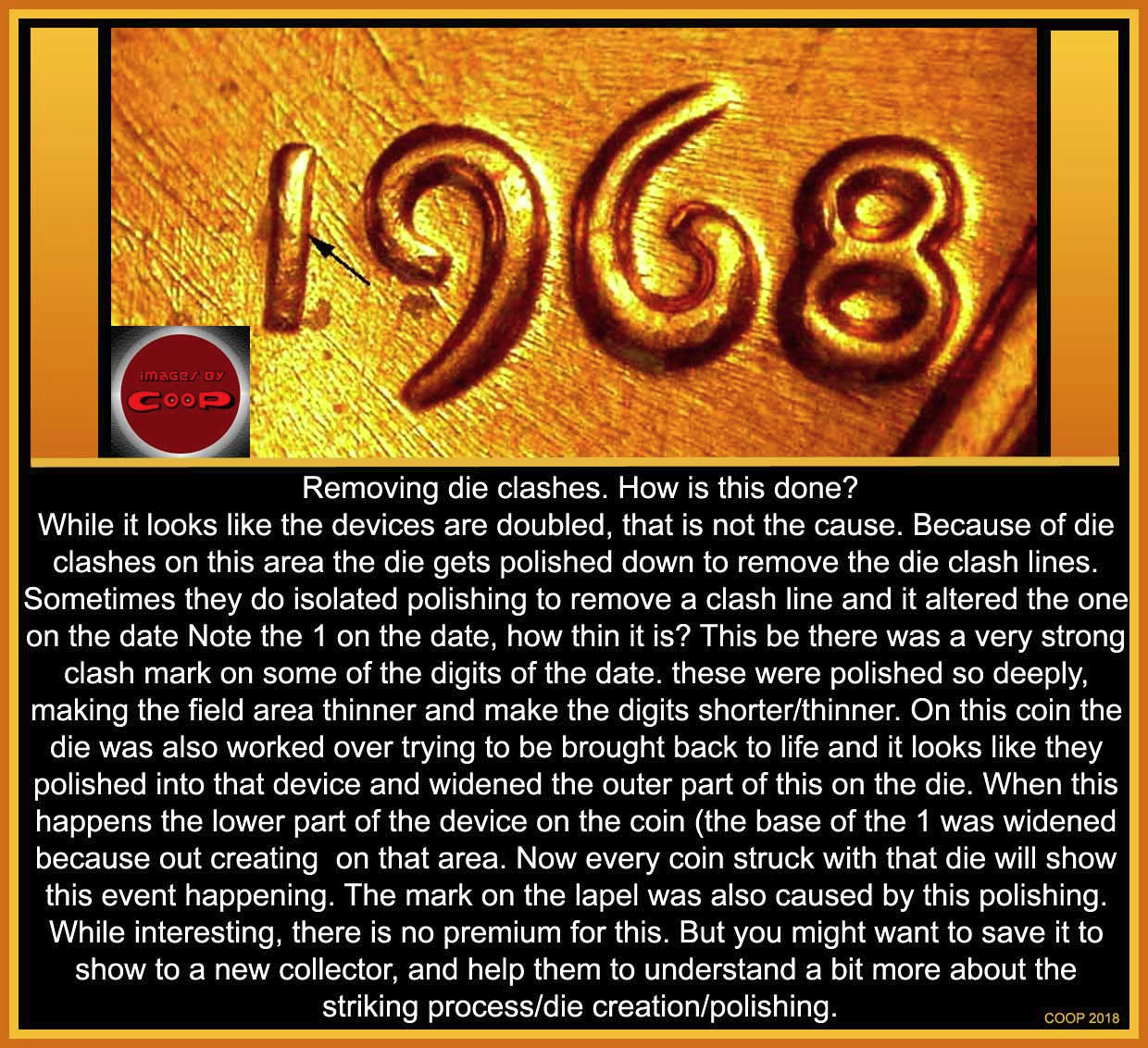
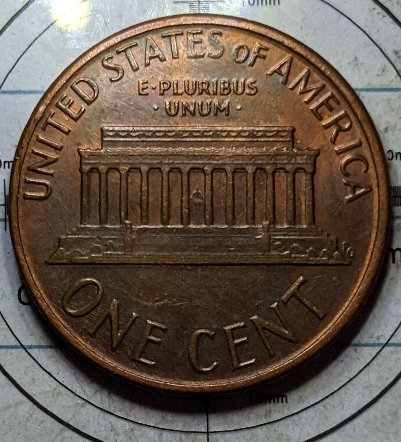
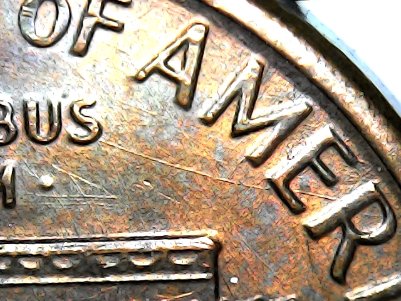
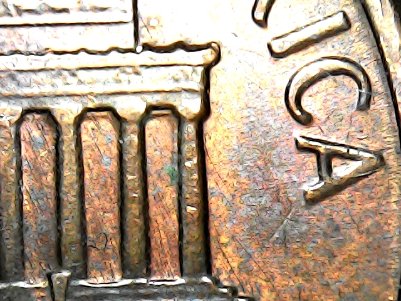
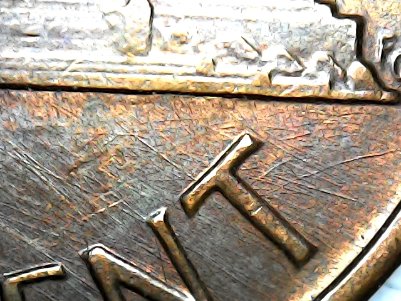
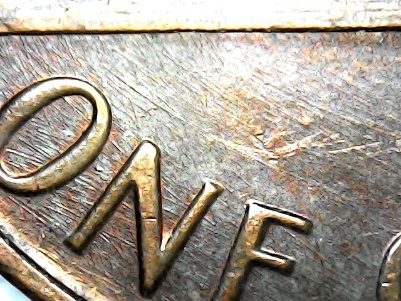
An incuse mark on a die will leave a raised line on the coins struck by that die. These are seen after a die has been polished, perhaps with a wire brush. The polishing removes die events. Clashes,
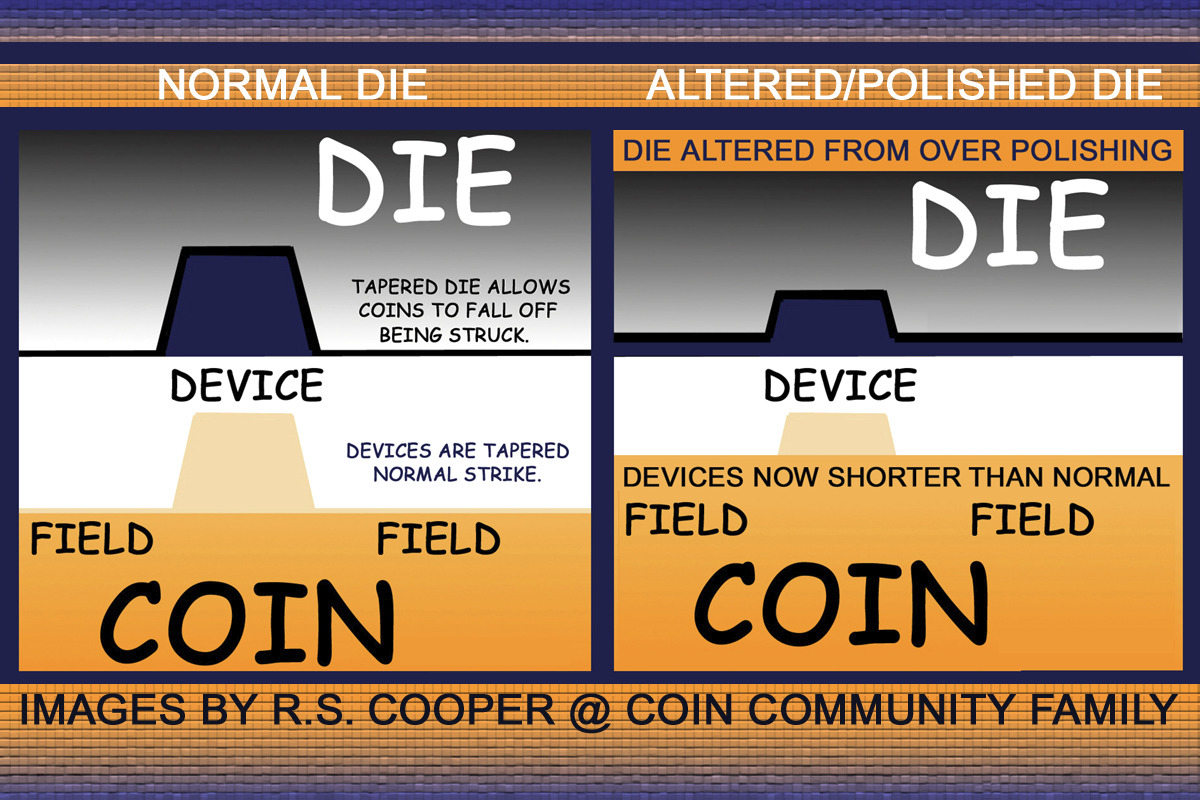
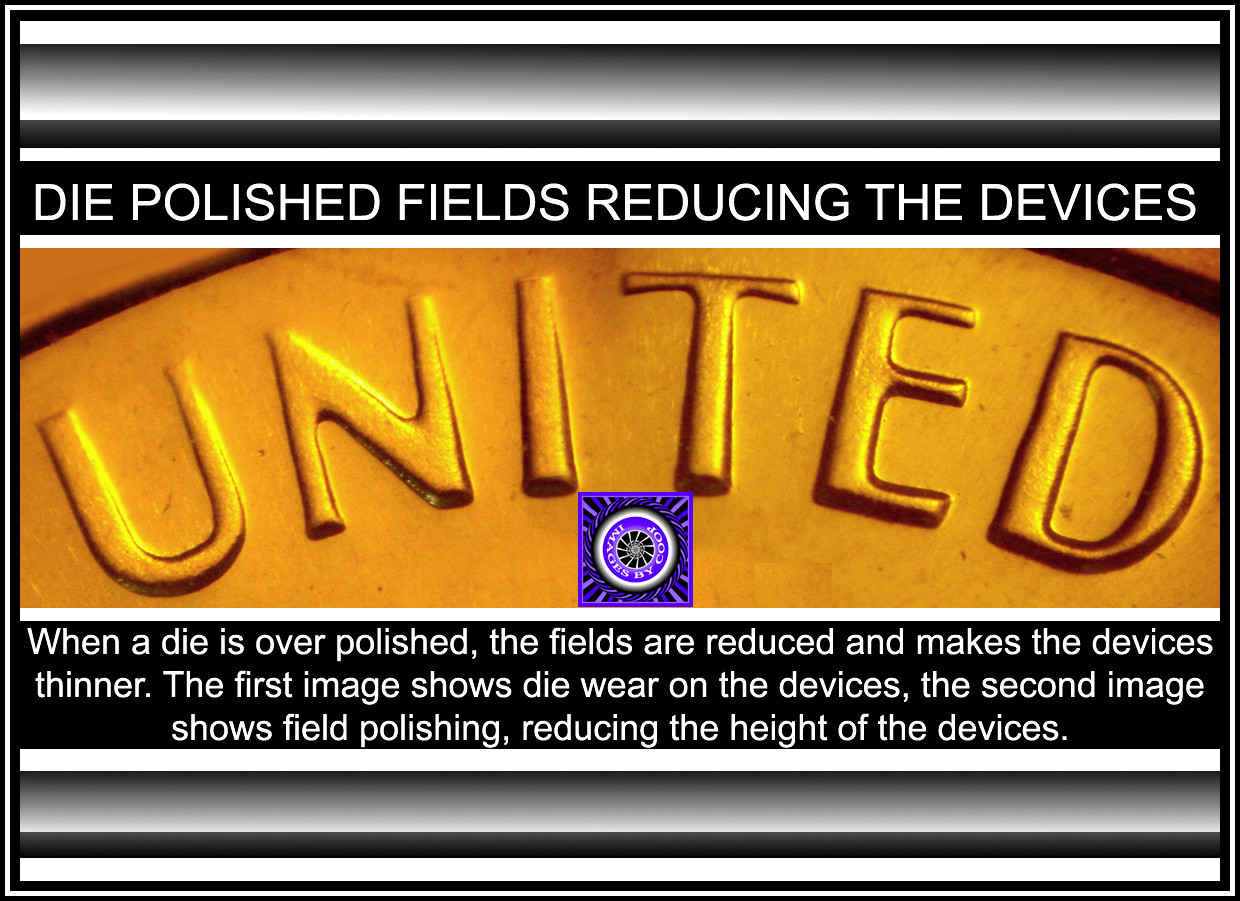
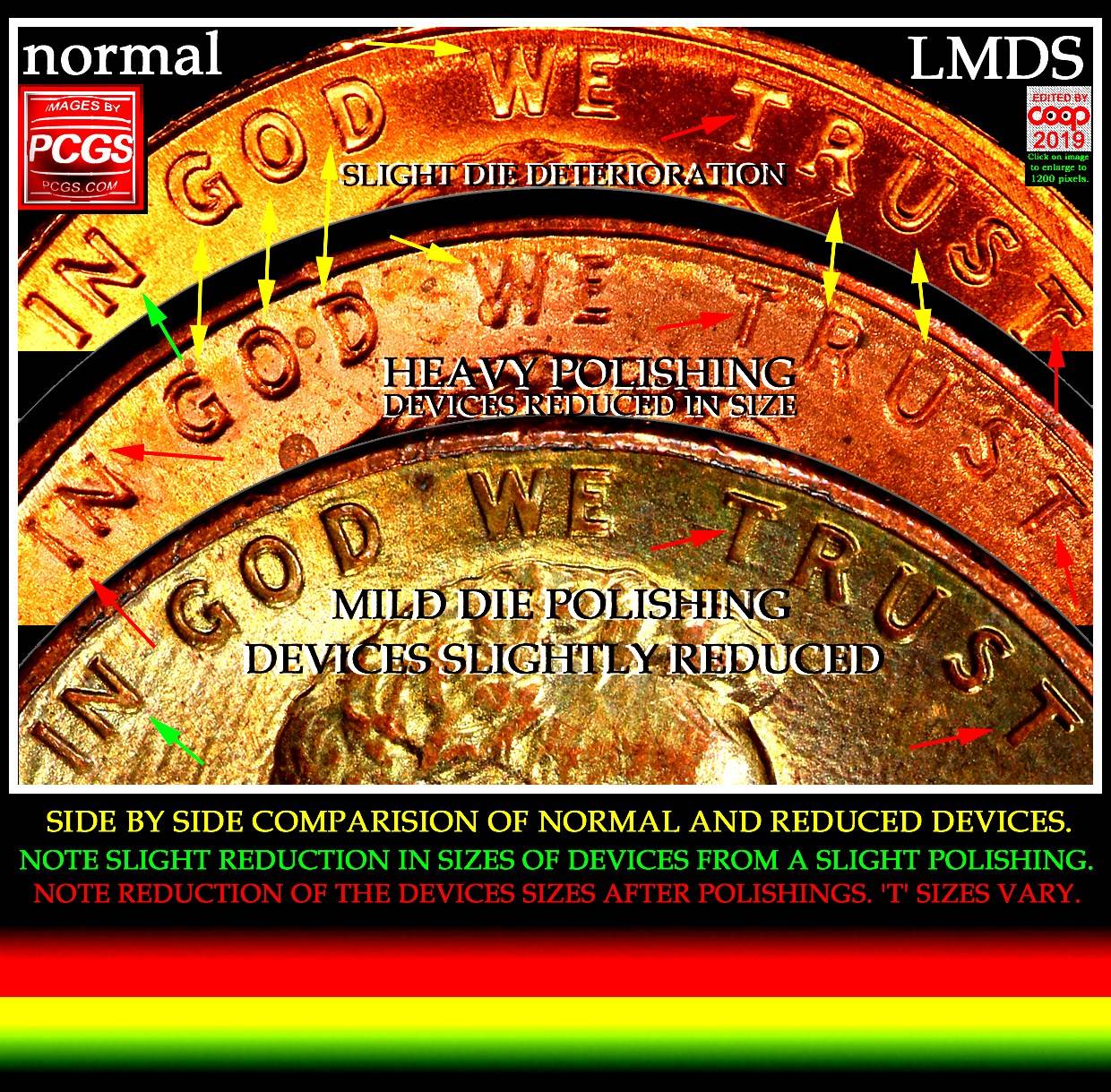
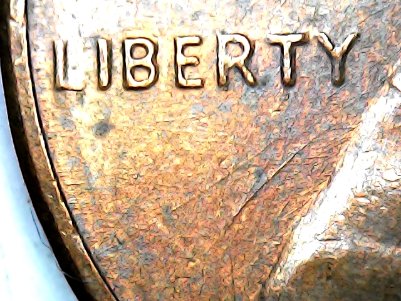
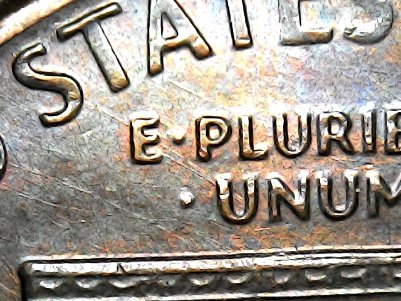
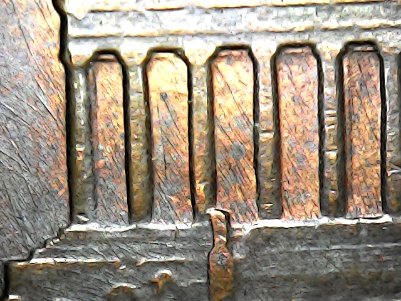
Feeder Finger Damage and die gouges and die dents. This removes part of the field area and removes die flow lines. When the fields are reduced, part of the width/height on the devices are reduced in size as the devices are tapered.
Thus remove the bottom edge of the devices makes the devices thinner/smaller in size:
Isolated polishing can remove more metal that needed at times.
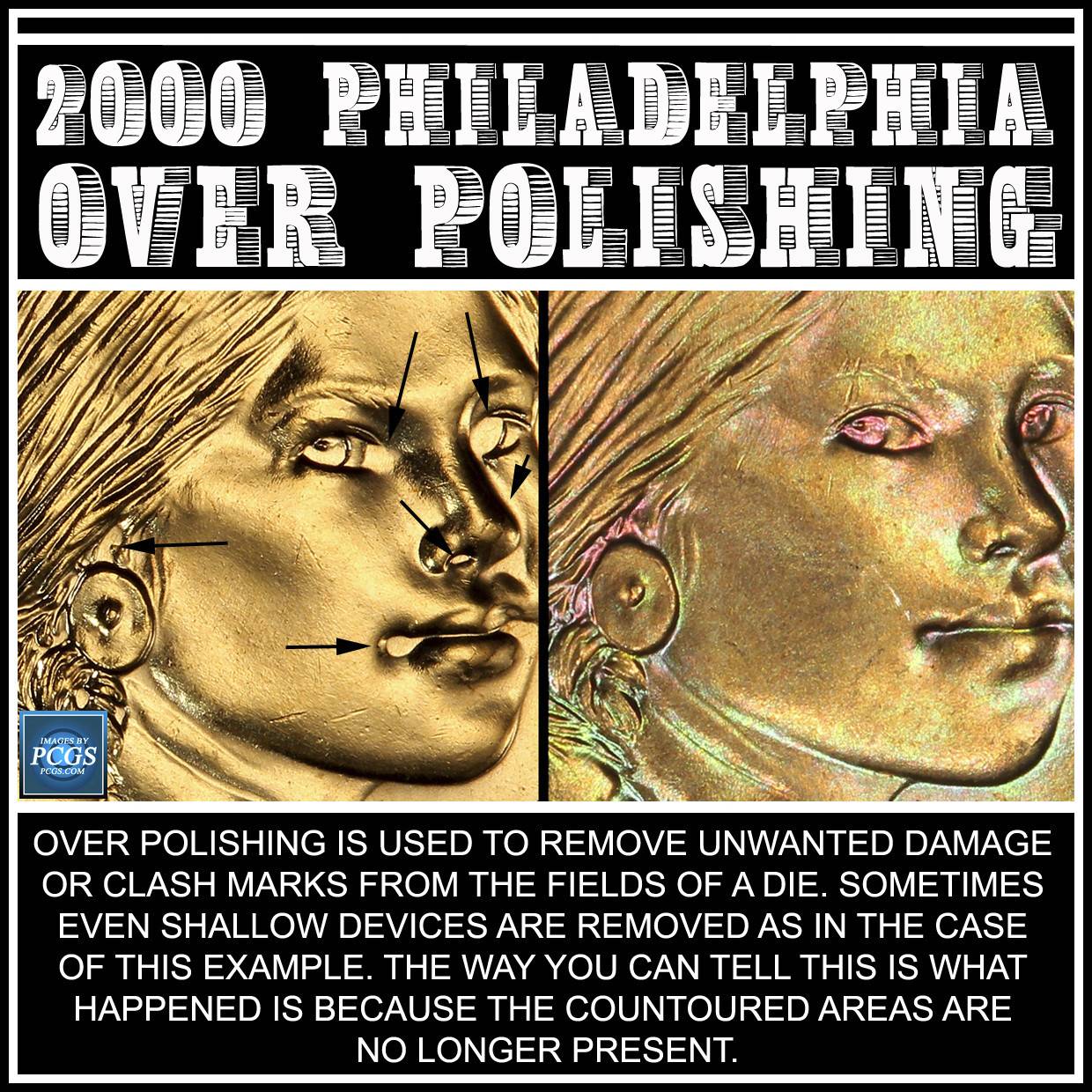
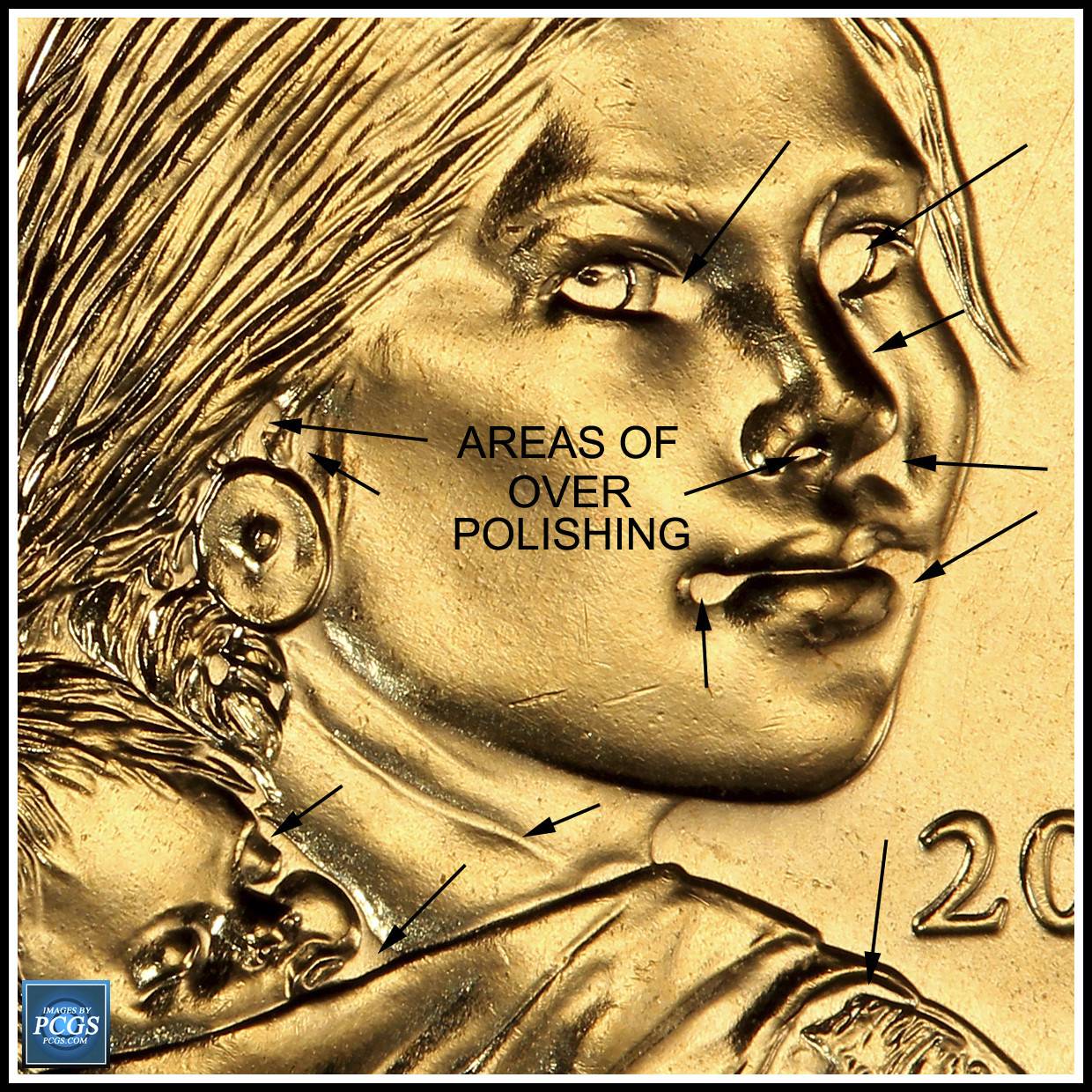
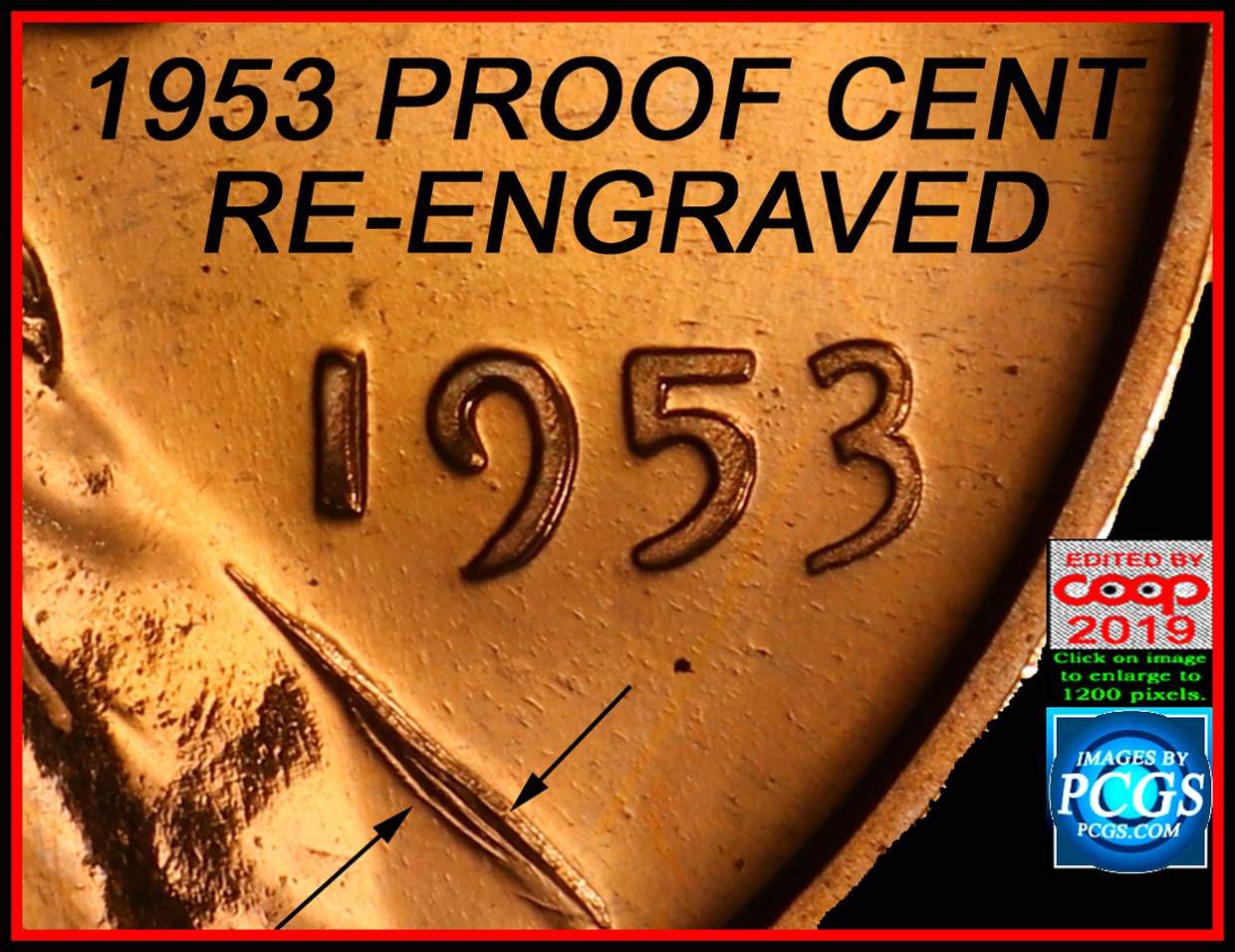
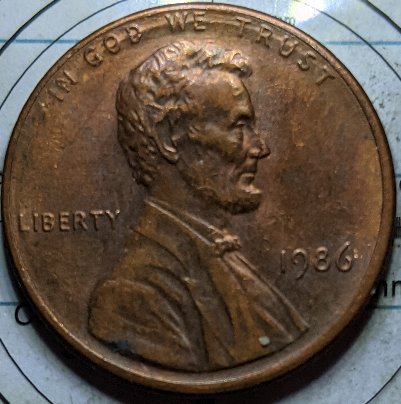
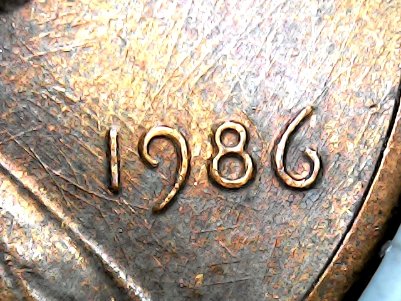
Sometimes the polishing removes even edges of devices, and sometimes enhanced to restore an edge. (but note the size of the date devices, you can tell that die polishing took place there.
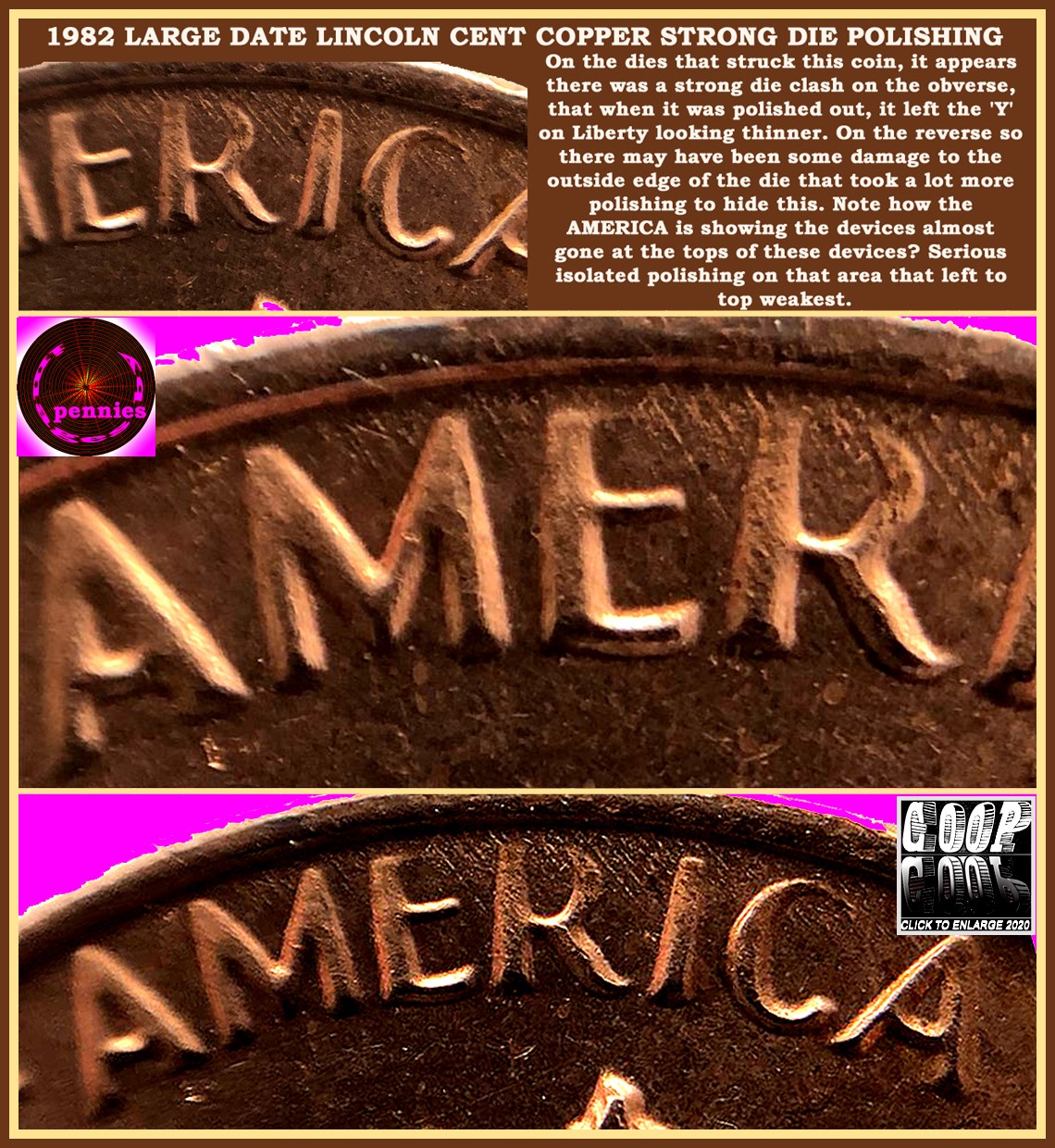
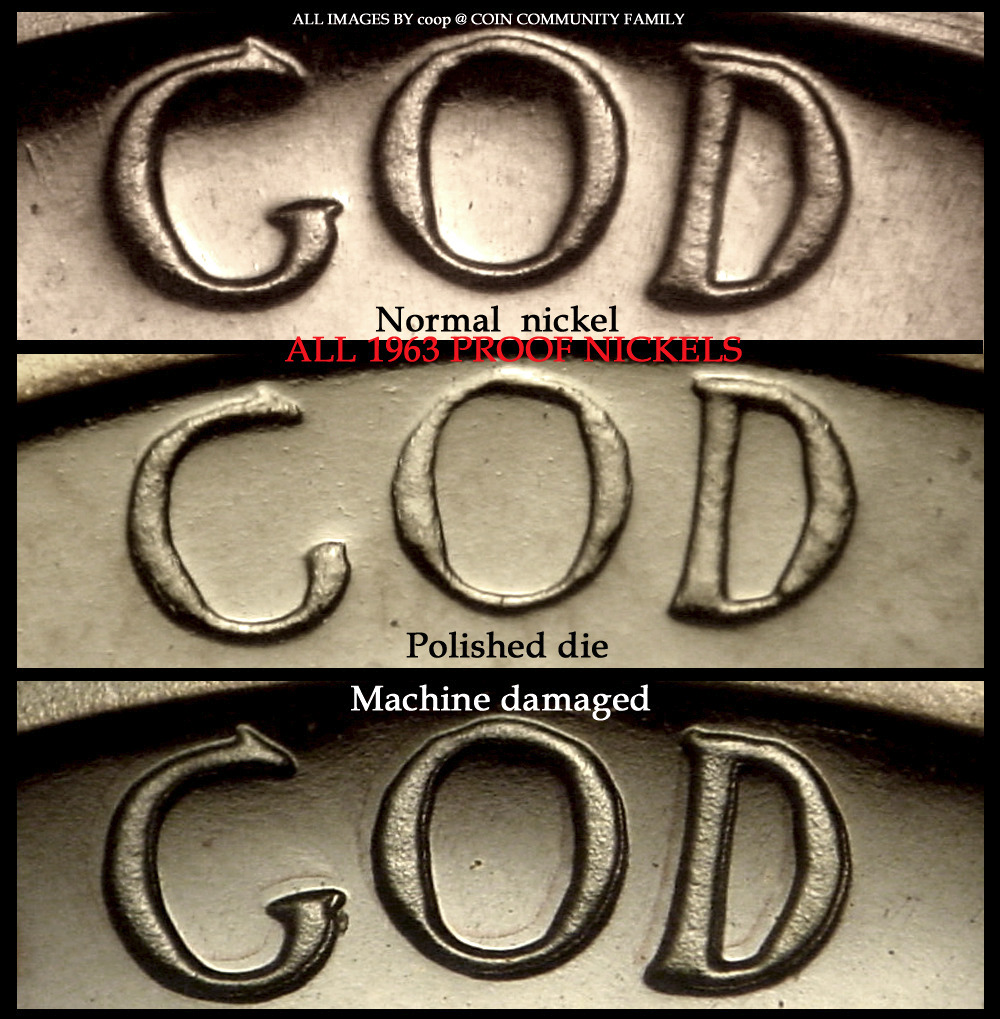
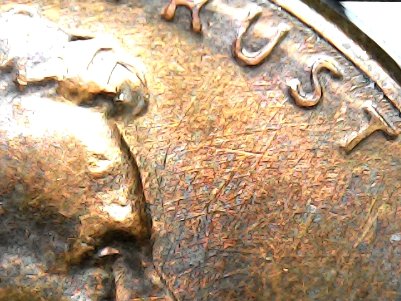
Possible damage to the outside edge of the die, like a die dent, this die was polished so much that the tops of the devices were almost removed.
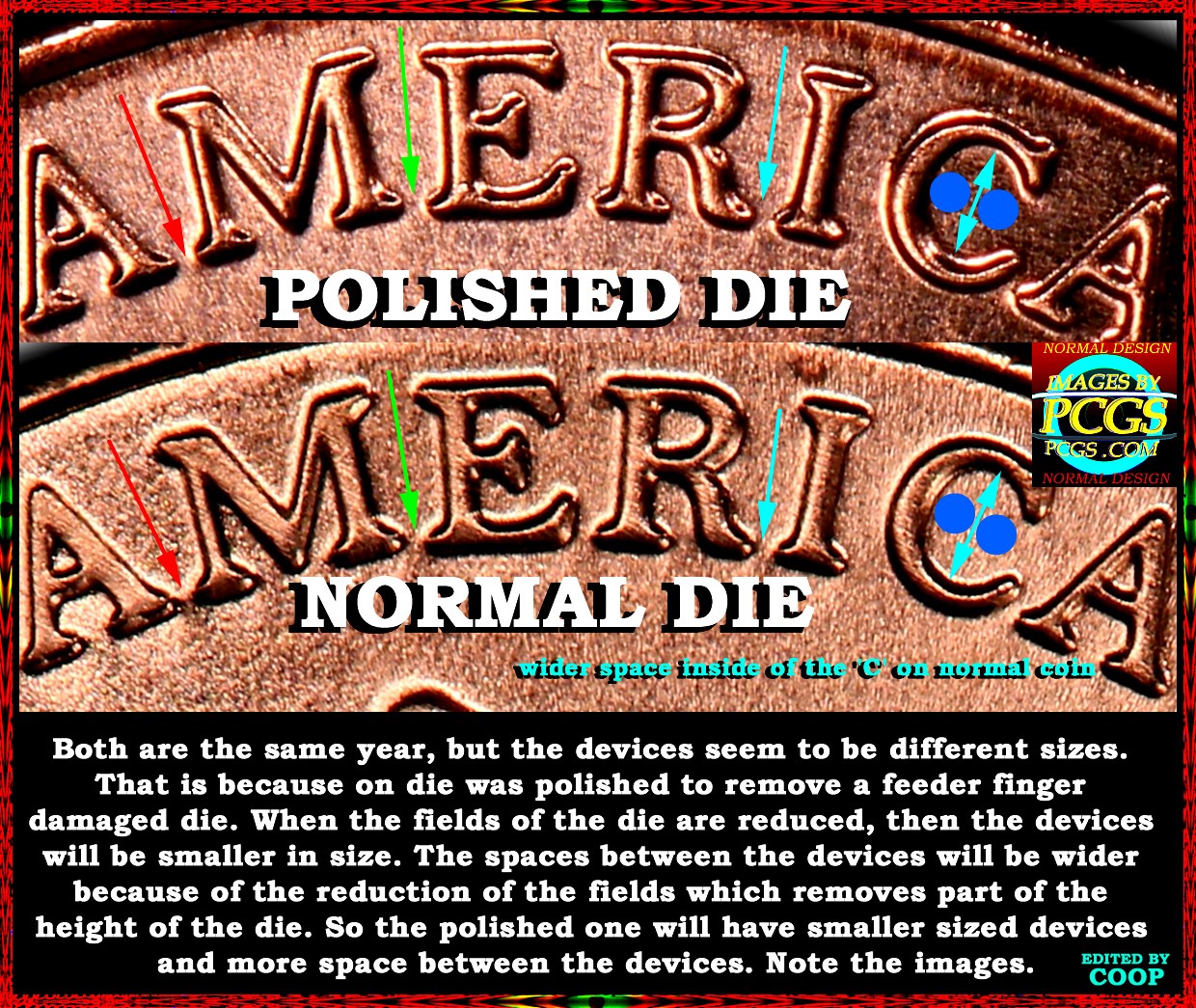
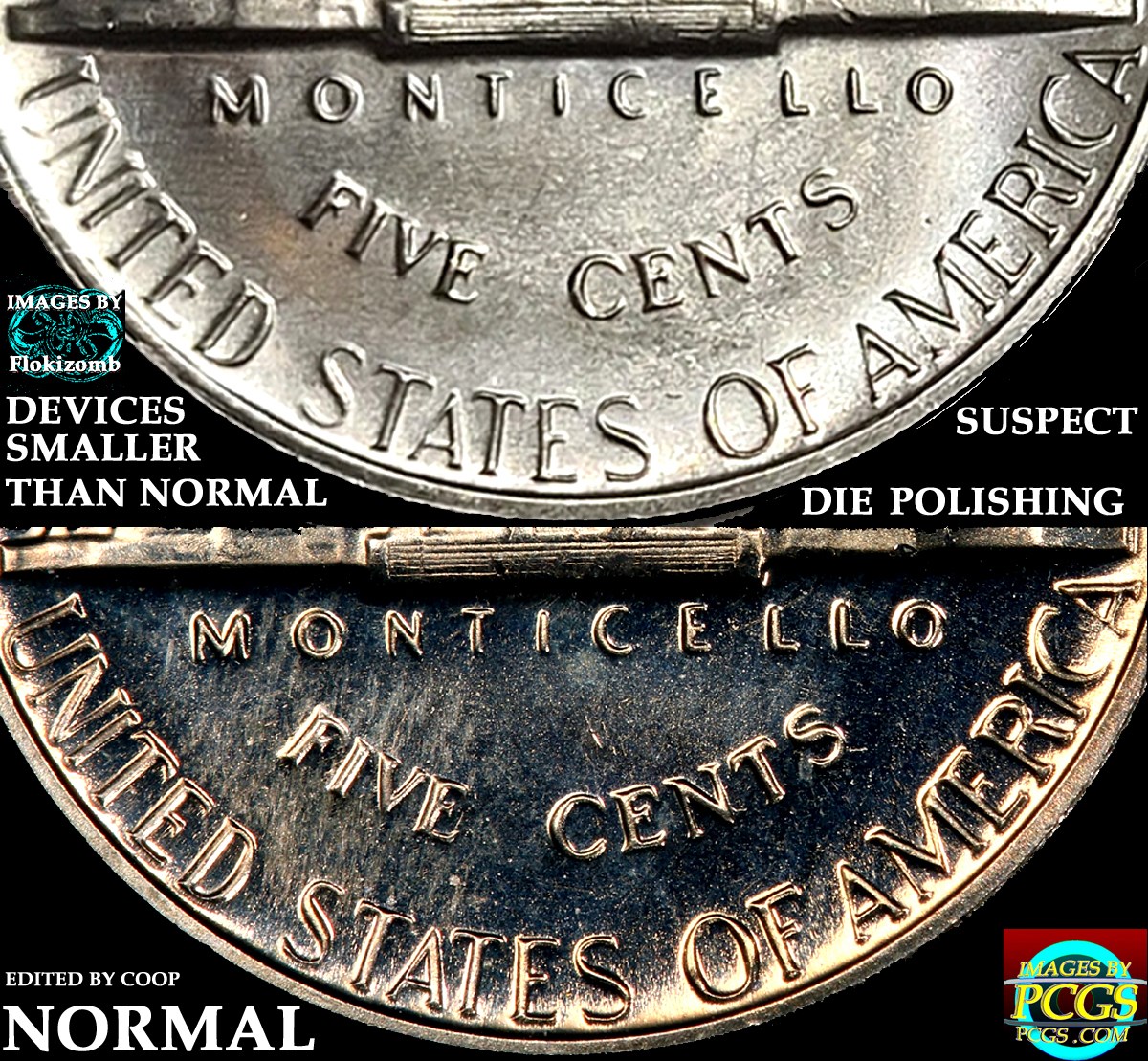
Seeing the images side by side you can tell how much it was altered on the first polishing of the die. With out the side by side, it may look normal to the untrained eye.
Feeder Finger Damage that is very deep affect the devices the most. They try to polish the die to rescue it from being retired. I have many more examples, but probably everyone is getting the point. If you want to see more, let me know and I'll keeping adding to this post:
CoopHome:
I hear a lot about die polishing, how much does it really affects the dies?Edited by coop
01/16/2022 11:53 am












 Posted 01/16/2022 10:41 am


