











 Posted 03/06/2022 1:17 pm


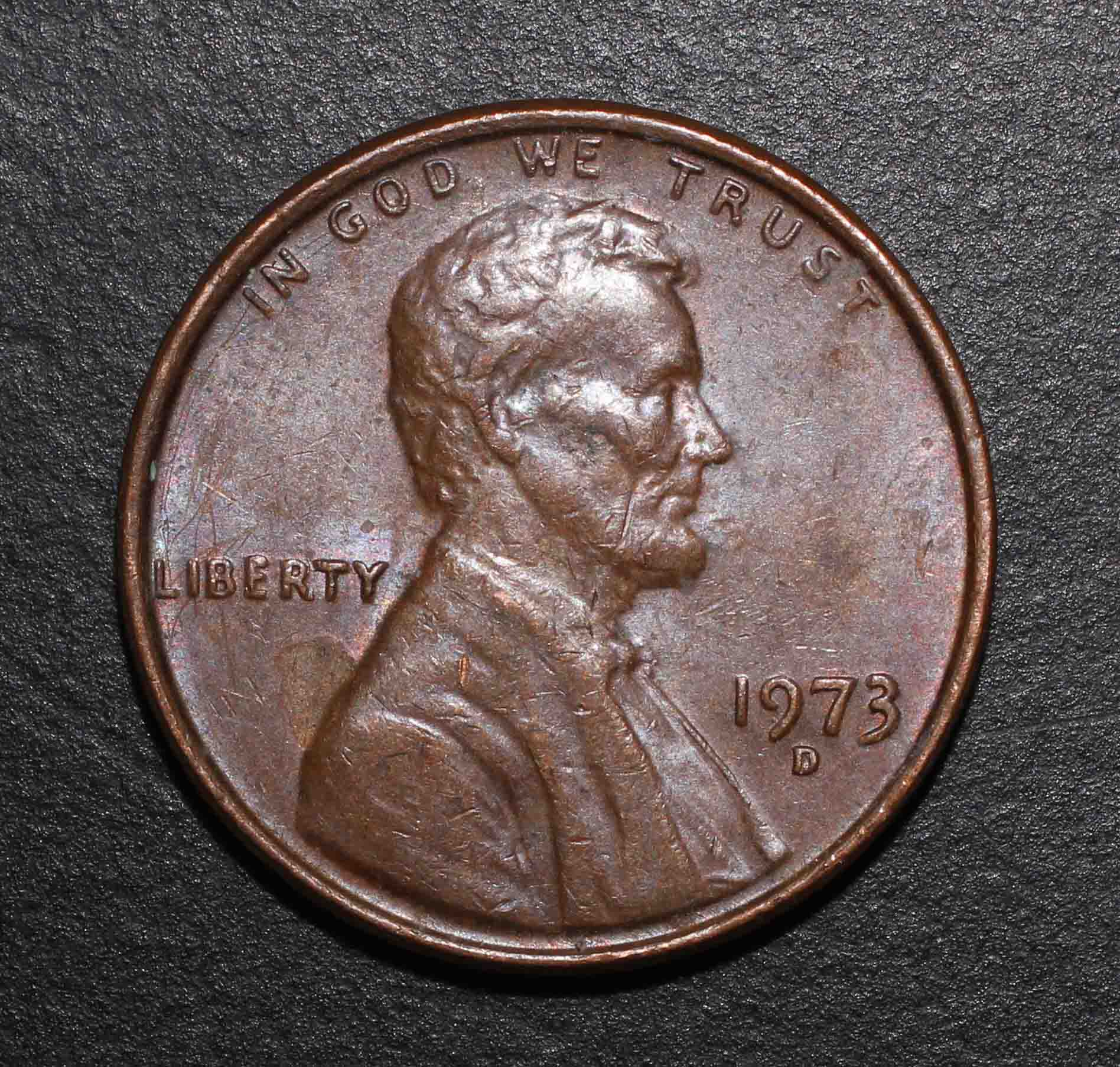
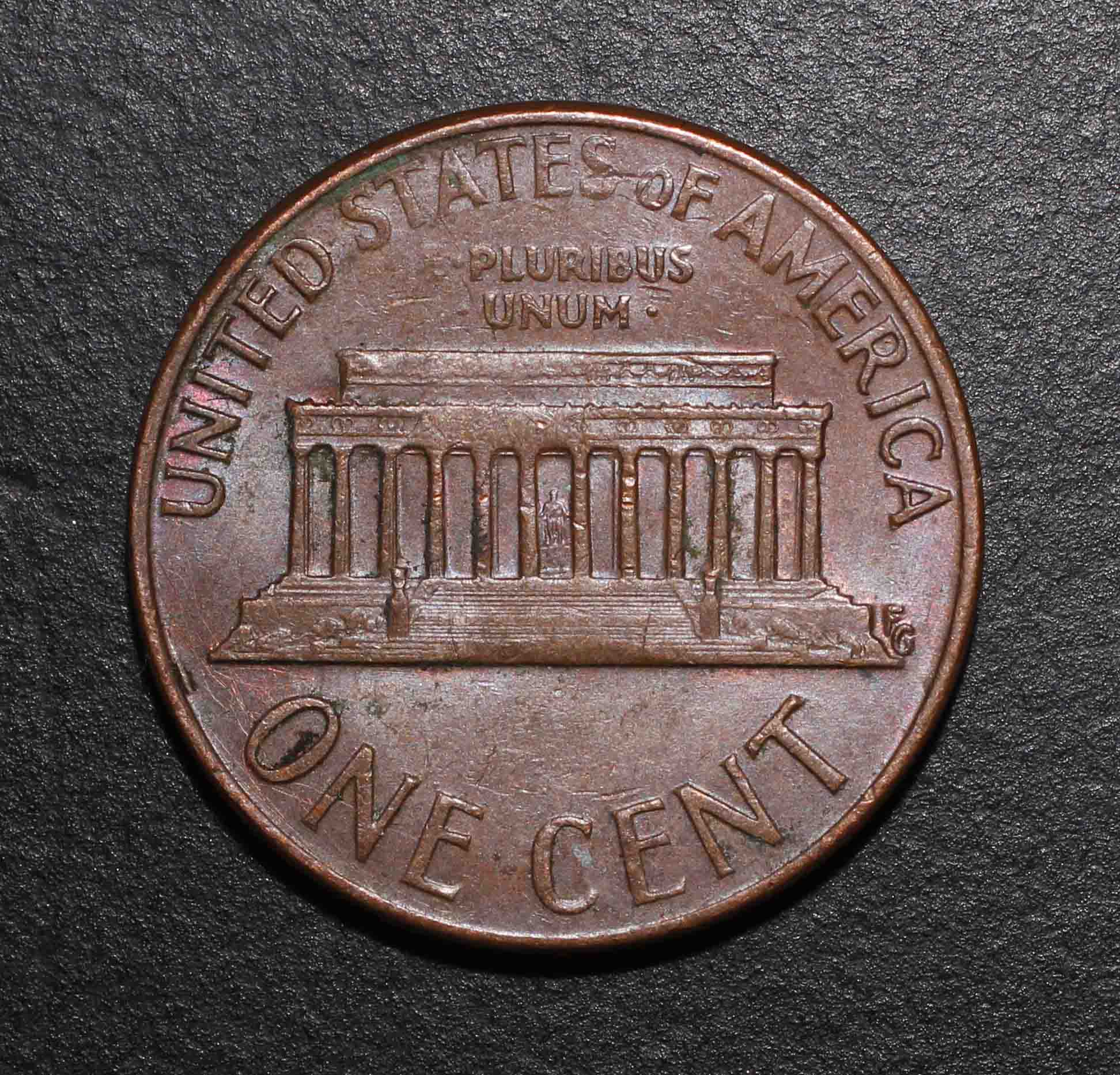
This is probably from a Grease Fill into the die. Thus just the highest areas are weak on that area. But sometimes the design was struck too deep into the die and some devices don't show as well. If you look at other coins from the same year/mint, you might see a continuing issue that year. Like when you look at 1983 and 1984 coins, you see a lot of die polishing issues those years. So when you have questions on an certain year/mint/denomination, check out PCGS and see what was going on that issue you have with your coin. Was it a common thing, or just a year issue.
For example I mentioned the 1983 cents with a common issue with die polishing being common:
https://www.PCGS.com/coinfacts/coin.../images/3053
These were submitted as better grade coins and because of the die polishing clashes were very common, these images show that this is the case.
So looking deeper into something helps to increase information about events that happen a lot, or are just a small issue.
On your coin a 1973. What do we know about that year? After the 1968-1972 heavy Machine Doubling issues, it appears they tried a stronger strike that year to fix this issue and it did. What was different? The taller rims on the coins.
https://www.PCGS.com/coinfacts/coin.../images/2965
Note how much better the coins were without as much Machine Doubling. So if they made the rims taller they might have fixed/altered the outcome. I always thought it was a stronger strike that was different. But now I've considered that maybe it was something different? (Got your attention yet?) On the images I've posted on dies, there is a step down area on the die I call a gutter, that forms the rim area. But what if they made that gutter a little deeper, that might prevent the Machine Doubling a little bit more than a shallow gutter. That looks like it helped. But it seem the previous year following this, they didn't keep the idea. And again it came back.
So thinking outside the box to see if something happened, or you see something happened, then you start to look at coins differently. Looking more at cause and affect. Rather than just devices and designs. (But this is just probably me?) Anything you can pick up will help you solve issues a lot faster.
For example I mentioned the 1983 cents with a common issue with die polishing being common:
https://www.PCGS.com/coinfacts/coin.../images/3053
These were submitted as better grade coins and because of the die polishing clashes were very common, these images show that this is the case.
So looking deeper into something helps to increase information about events that happen a lot, or are just a small issue.
On your coin a 1973. What do we know about that year? After the 1968-1972 heavy Machine Doubling issues, it appears they tried a stronger strike that year to fix this issue and it did. What was different? The taller rims on the coins.
https://www.PCGS.com/coinfacts/coin.../images/2965
Note how much better the coins were without as much Machine Doubling. So if they made the rims taller they might have fixed/altered the outcome. I always thought it was a stronger strike that was different. But now I've considered that maybe it was something different? (Got your attention yet?) On the images I've posted on dies, there is a step down area on the die I call a gutter, that forms the rim area. But what if they made that gutter a little deeper, that might prevent the Machine Doubling a little bit more than a shallow gutter. That looks like it helped. But it seem the previous year following this, they didn't keep the idea. And again it came back.
So thinking outside the box to see if something happened, or you see something happened, then you start to look at coins differently. Looking more at cause and affect. Rather than just devices and designs. (But this is just probably me?) Anything you can pick up will help you solve issues a lot faster.


