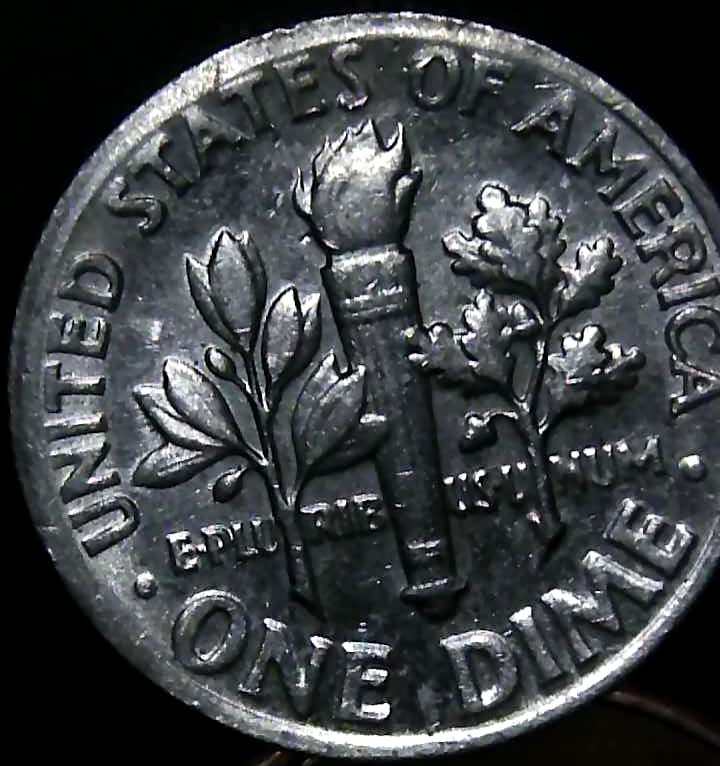
I think you may be using the term "collar" incorrectly.
The collar is the device that holds the coin in place while being struck and imparts the reeded edge to a coin (if the coin has one by design).
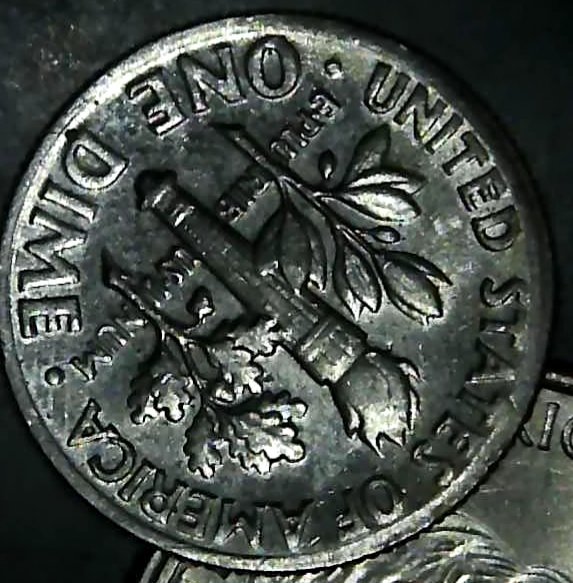
What you may be observing as missing is the rim of the coin on the reverse.
The two easiest ways to determine if a coin is broadstruck are:
1. Is the diameter of the coin larger than normal? Because a broadstruck coin doesn't have the collar to retain it's shape it will be larger than a normally struck coin, sometimes substantially so.
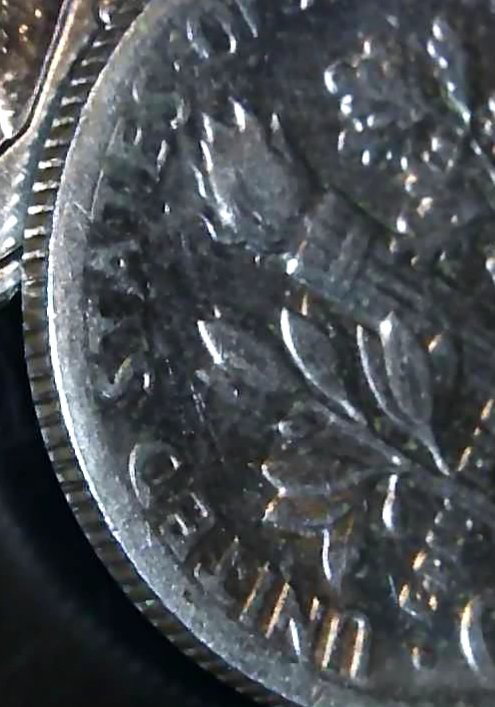
2. Does it have normal reeding? Again, since the collar imparts the reeds, striking a coin outside of the collar means no reeds (or very weak ones).
Let us know if your dime is larger than normal and show us a shot of the reeding.
What seems more likely from the photos is some degree of collar clash on the reverse face, but shots of the edges showing the reeding near the rim disappearance would help with this also.








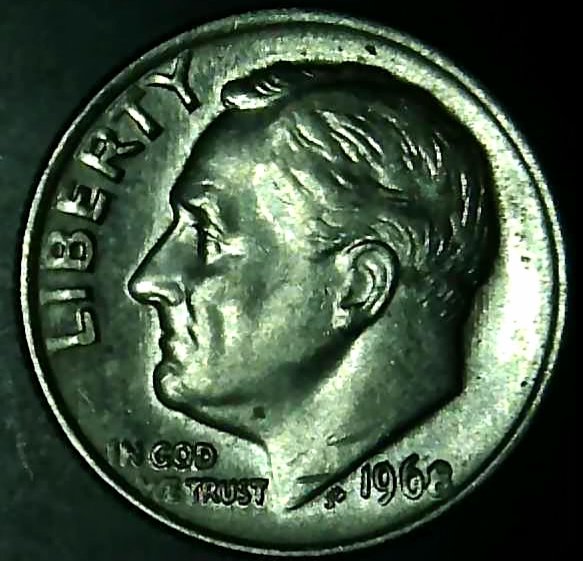
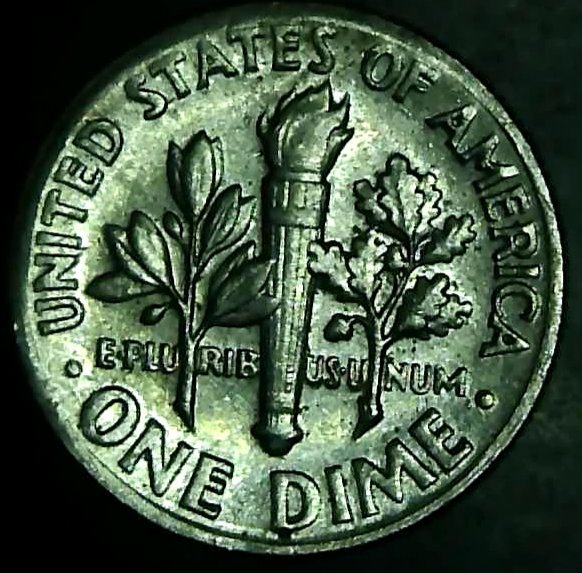


 Posted 03/15/2022 11:56 am