| Author |
 Replies: 11 / Views: 1,118 Replies: 11 / Views: 1,118 |
|
|
Valued Member
United States
138 Posts |
|
|
|
|
Bedrock of the Community
United States
94367 Posts |
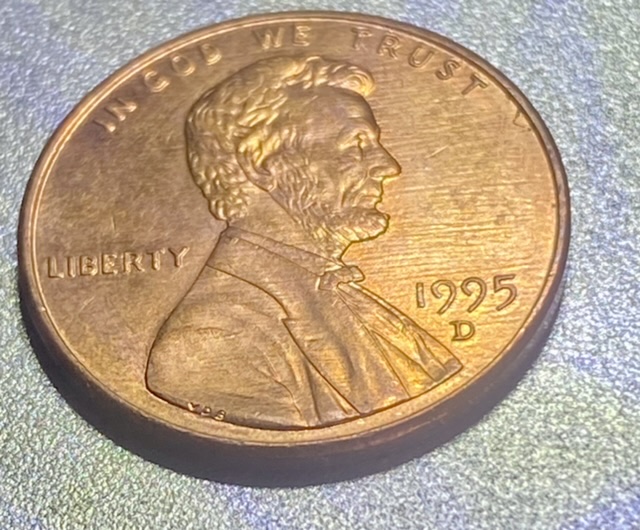
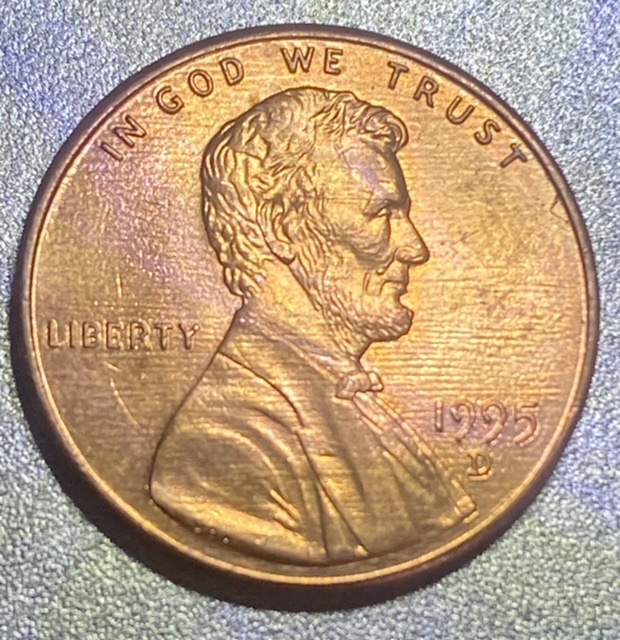
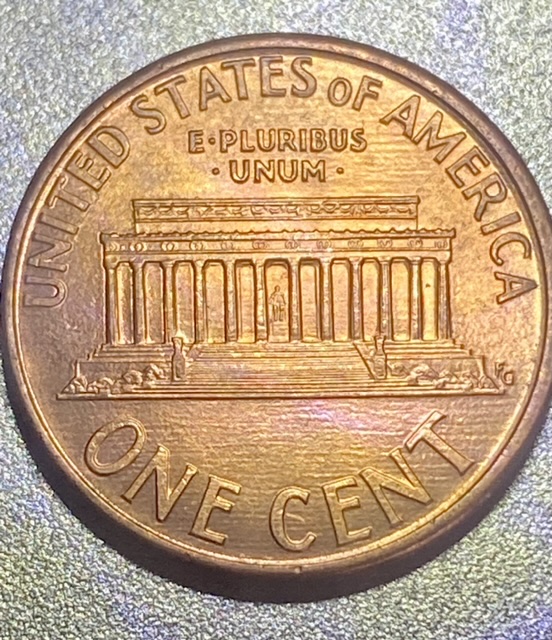
Guessing these are so-called "linear plating bubbles".
|
|
Pillar of the Community
 United States
8995 Posts |
It is some sort of contamination due to something that was on the rollers. the obverse and reverse lines are consistent with each other. Woodies cannot happen with copper plated zinc coins though, that started in 82.
-makecents-
|
|
Pillar of the Community
United States
713 Posts |
Forget the term "zinc dust" it is a made-up term
|
|
Valued Member
 United States
138 Posts |
I didn't think it was possible on the zinc.. thank u for the confirmation and response
|
|
Pillar of the Community
United States
8995 Posts |
|
|
Moderator
 United States
107152 Posts |
I would say roller lines to some extent.
|
|
Moderator
United States
56855 Posts |
|
|
Bedrock of the Community
United States
62064 Posts |
Roller lines. Plating over zinc dust was an issue on many of the 1980's zinc cents, and from time to time we still see it. But they improved the was process before the plating and this fixed it most of the time. But plating over zinc dust is a real event that happened. 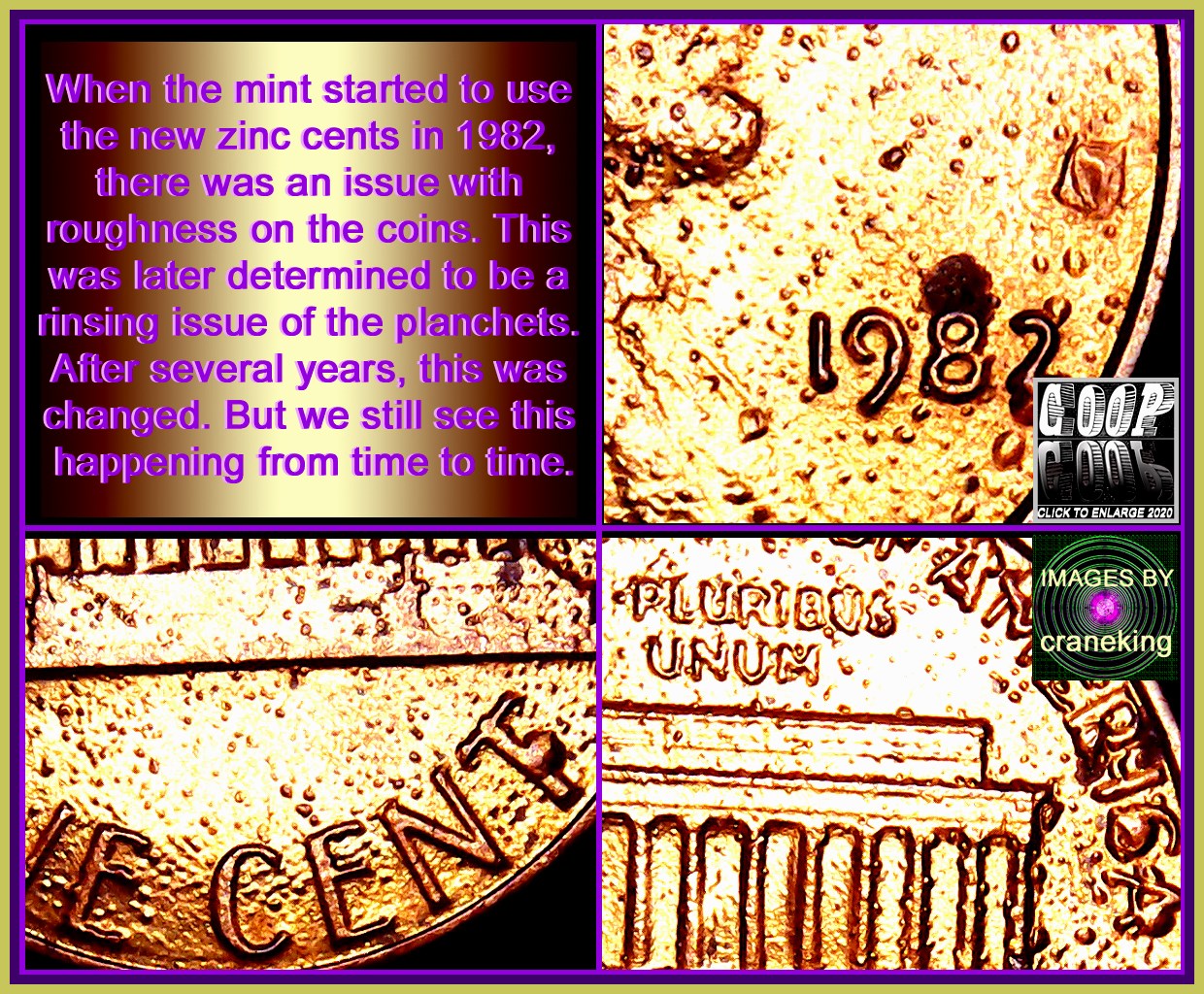 |
|
Pillar of the Community
United States
713 Posts |
"I'm not sure where you came up with "zinc dust". If dust particles were responsible for the bumps, the copper plating would show this before the strike. But the blisters only develop after the strike, presumably immediately after the pressure of the strike is eased."
This is a quote from Mike Diamond in a recent post.
|
|
Bedrock of the Community
United States
10635 Posts |
Roller lines. Take it to the bank. (Haha).  |
|
Pillar of the Community
United States
8995 Posts |
As I said....
-makecents-
|
| |
Replies: 11 / Views: 1,118 |
|











 Posted 03/20/2022 8:16 pm


