| Author |
 Replies: 13 / Views: 684 Replies: 13 / Views: 684 |
|
|
Valued Member
United States
190 Posts |
Another incredibly beautiful coin to my eyes. Not quite old but looks to my unlearned eye to be very nice. It's very shiny and looks almost untouched but of course it is worn as well. I'm interested in it's approximate grade, again, to help me learn :) Thanks. 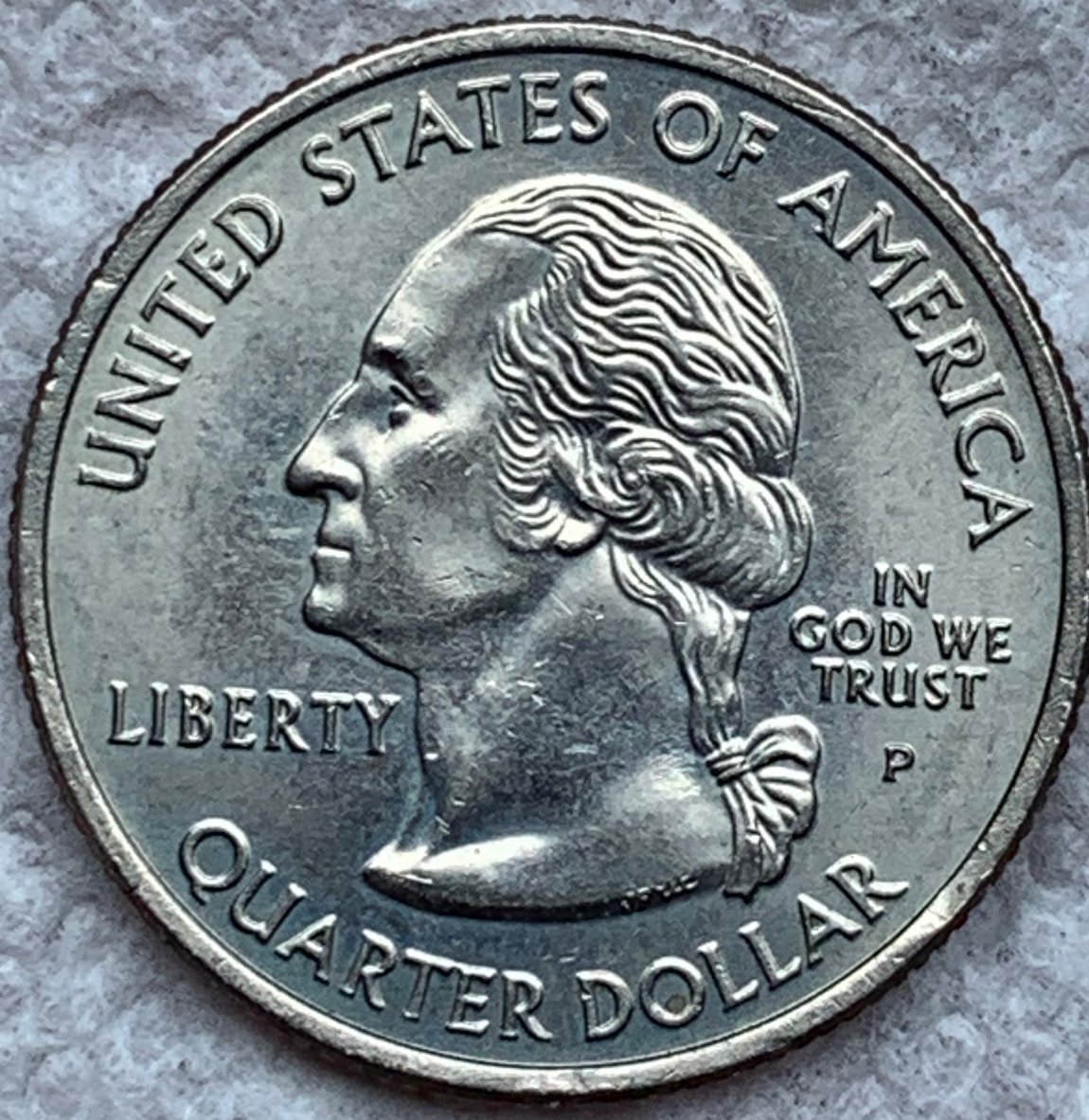 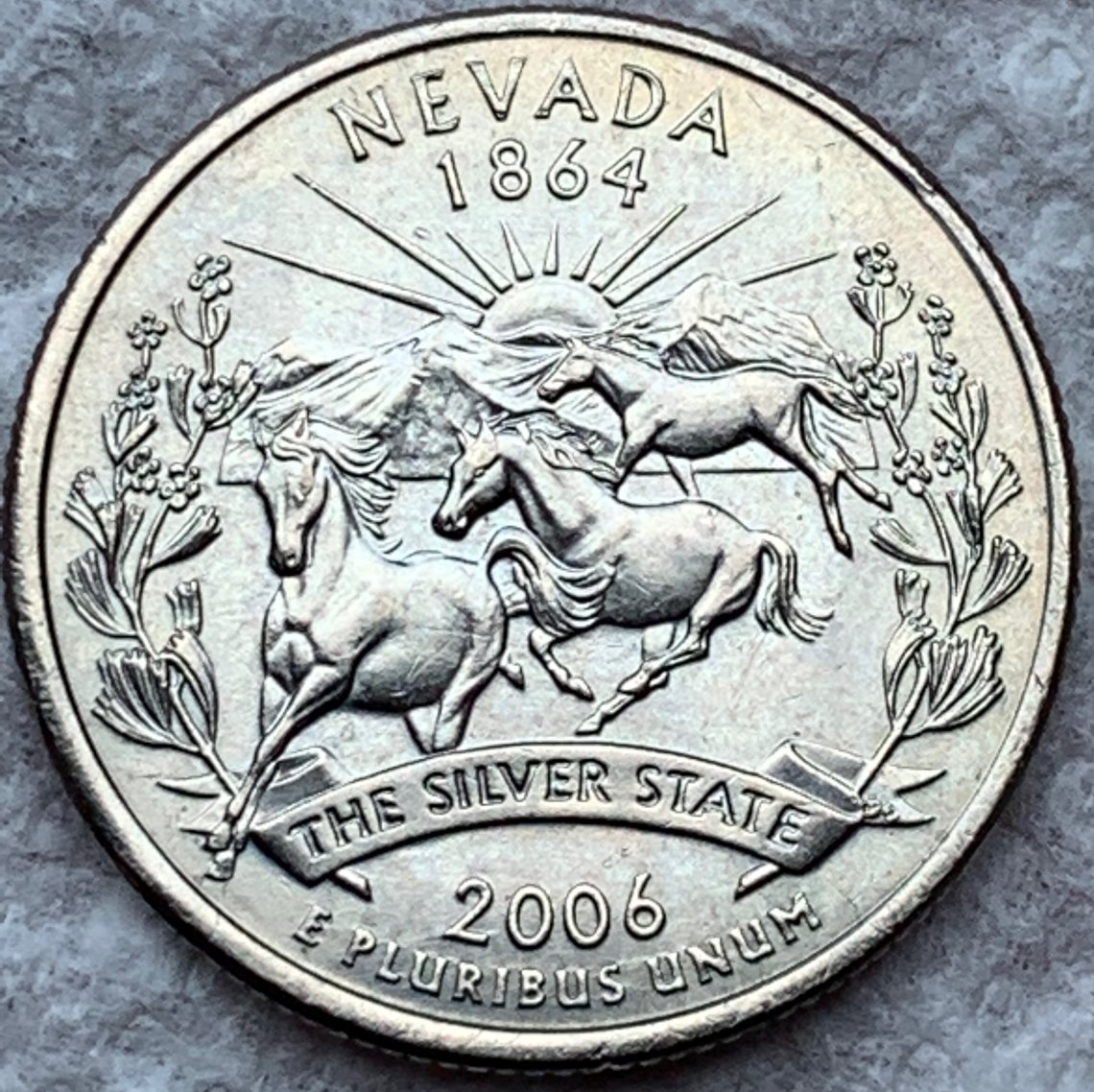 |
|
|
|
Bedrock of the Community
United States
94367 Posts |
|
|
Valued Member
 United States
190 Posts |
Quote:
I'll say AU-58. Sweet, thank you! It looks great in person. |
|
Pillar of the Community
United States
3207 Posts |
AU-55, keep looking and you'll begin to notice the differences between AU and MS grades, it takes a little practice, not a whole lot though
|
|
Bedrock of the Community
United States
19526 Posts |
AU55 for me. A good hole filler until better comes along.
|
|
Valued Member
United States
190 Posts |
Excellent! Thanks so much! Yes, this is what I'm trying to wrap my head around now. So very helpful! Thanks for your time!!!
|
|
Pillar of the Community
United States
1406 Posts |
Sometimes it's really hard to pick up on what is circulation wear and damage from hits and scratches from the minting process. The issue is complicated when you look at coins that have different designs each year as the quarters do. When looking at coin series that have similar design features you learn where the high points on the coins are and focus on those areas first. On State Quarters that would be Washingtons hair curls. Hold the coin reflecting the light around to find breaks in the mint luster. You will see dull areas that don't reflect the light as much as the shinny areas. If you can detect just a hint of any you most likely have to drop the grade to au58. Then start working your back the larger the area and if you find other areas. Go to PCGS photo grade and cycle through the pictures backward in each series. You'll start to see how each coin wears over time. |
|
Valued Member
United States
190 Posts |
Quote:Sometimes it's really hard to pick up on what is circulation wear and damage from hits and scratches from the minting process. The issue is complicated when you look at coins that have different designs each year as the quarters do. When looking at coin series that have similar design features you learn where the high points on the coins are and focus on those areas first. On State Quarters that would be Washingtons hair curls. Hold the coin reflecting the light around to find breaks in the mint luster. You will see dull areas that don't reflect the light as much as the shinny areas. If you can detect just a hint of any you most likely have to drop the grade to au58. Then start working your back the larger the area and if you find other areas. Go to PCGS photo grade and cycle through the pictures backward in each series. You'll start to see how each coin wears over time. The hair was the first thing I was paying attention to, so that makes sense. Like the dime full bands or nickel full steps. It's so hard to do/see when all I have is an iphone but if I get into good light it's much easier. Although the color is affected. Is it just down to the actual wear that grades a coin? And then color? Some high grades are discolored, some pennies are very dark too and grade high. I am just at the beginning of this VERY lengthy study program! lol. But I have to start somewhere. I am very attracted to coins with a shiny luster but if they are worn then the luster won't matter. But they are gorgeous! Thanks so much for pointing in a great direction :) |
|
Pillar of the Community
United States
1406 Posts |
Color can be a factor. Especially for cents. Hence the red, red brown, brown classifications. I look at strike quality first. The more detail the better the strike. This is very difficult to learn as each series and each year has variation on the level of strike that is acceptable. Over used dies, polished dies, and other factors for a particular year will effect strike. This is especially evident with dimes and nickels where in certain years there are no full torches or full steps available.
After strike I will look at damage (particularly on ms coins) how many hits or distracting marks? If a coin is ms with a strong strike and no distracting marks under 10x magnifier I will give it an ms66 but to reach this grade it must have great eye appeal (luster). Of all my '59-'81 mint sets I have gone through in the last couple weeks I found 2 ms66 coins. Two or three total small marks drop my grades to ms65 (if it has good luster) depending on if they fall in devices or fields and how severe they are. Any more marks or a lack of eye appeal I then grade coins between bu (ms60-ms62) and choice bu (ms63-65).
Any wear, starts us on Au 58. Then it's mainly just wear/damage that grades a coin. Except for cents where color will effect pricing but not numerical grade. Eye appeal, toning, luster are all factors that effect price and market preferences.
Classical coinage may have different criteria then the above statements but I am not versed on grading these yet.
Also I am a beginner grader so please take what I have to say as such and if anyone can enlighten me further please do so.
|
|
Bedrock of the Community
 United States
18880 Posts |
|
|
Valued Member
United States
190 Posts |
Quote:
Color can be a factor. Especially for cents. Hence the red, red brown, brown classifications. I look at strike quality first. The more detail the better the strike. This is very difficult to learn as each series and each year has variation on the level of strike that is acceptable. Over used dies, polished dies, and other factors for a particular year will effect strike. This is especially evident with dimes and nickels where in certain years there are no full torches or full steps available.
After strike I will look at damage (particularly on ms coins) how many hits or distracting marks? If a coin is ms with a strong strike and no distracting marks under 10x magnifier I will give it an ms66 but to reach this grade it must have great eye appeal (luster). Of all my '59-'81 mint sets I have gone through in the last couple weeks I found 2 ms66 coins. Two or three total small marks drop my grades to ms65 (if it has good luster) depending on if they fall in devices or fields and how severe they are. Any more marks or a lack of eye appeal I then grade coins between bu (ms60-ms62) and choice bu (ms63-65).
Any wear, starts us on Au 58. Then it's mainly just wear/damage that grades a coin. Except for cents where color will effect pricing but not numerical grade. Eye appeal, toning, luster are all factors that effect price and market preferences. Thanks for all the great info! I am saving everything in my files to go back and re-read. You don't sound all that new to this lol. I love cents too. I am a beginner so it's a good place to start. Although I am saving, researching, examining everything. I'm waiting for new cents including some indian heads soon and I can't wait to see what I get! But the brown cents also can get great grading if they have a stronger strike? I feel like you really need to be an expert on every coin, every year. It's a vast amount of info that one needs to know. So, I am certainly overwhelmed! But like you said, start with strike and then damage, luster etc. Sound perfect! Very helpful, thank you! I will be posting a couple of indian heads soon to see what everyone thinks. :) |
|
Valued Member
United States
190 Posts |
|
|
Bedrock of the Community
United States
36940 Posts |
Light circulation, AU-58.
|
|
Valued Member
United States
190 Posts |
Quote:
Light circulation, AU-58. Great, thanks so much! |
| |
Replies: 13 / Views: 684 |
|







 Posted 03/26/2022 6:02 pm





