| Author |
 Replies: 10 / Views: 1,120 Replies: 10 / Views: 1,120 |
|
|
Valued Member
United States
117 Posts |
This 1942 penny has some mistery to it. I'm hoping to get some insight before I send it in. As far as I can tell it's struck on an Argentina 5 centavos planchet. From what I can find is the Argentina 5 centavos is 2 grams. This 1942 penny weighs 2.74 grams adding even more problems because that's right in the 1943 steel cent weight. The striations are on the planchet, not damage. I've added a picture with the label of the cow I can see and the picture of the Argentina Coin. Any insight please. ***It isn't magnetic....FYI ***I just noticed it is reeded as well. Weird! 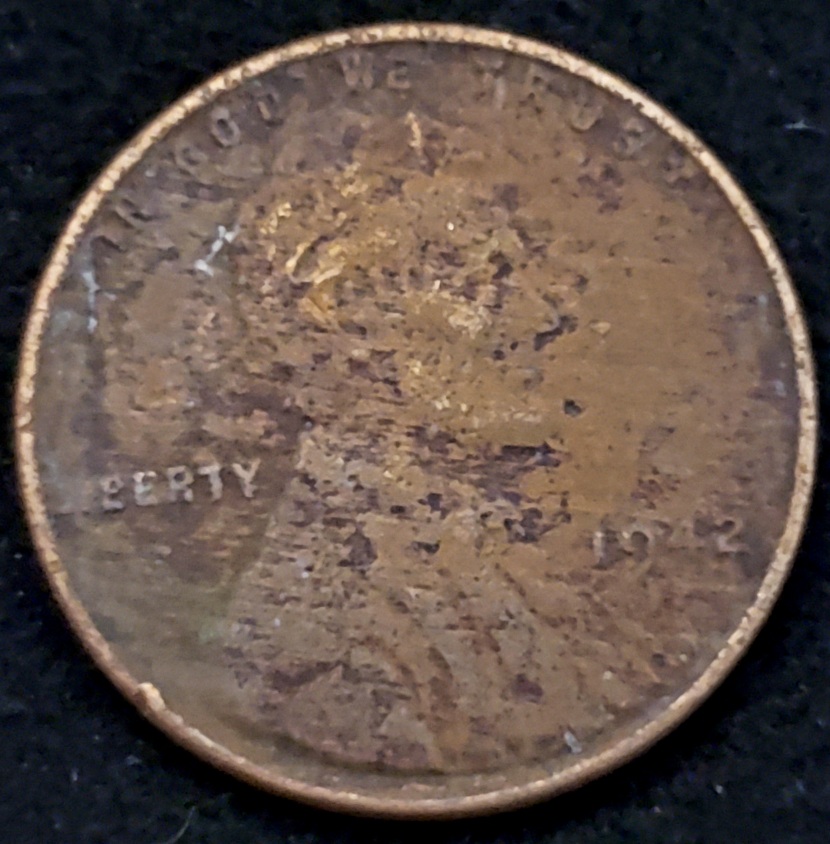 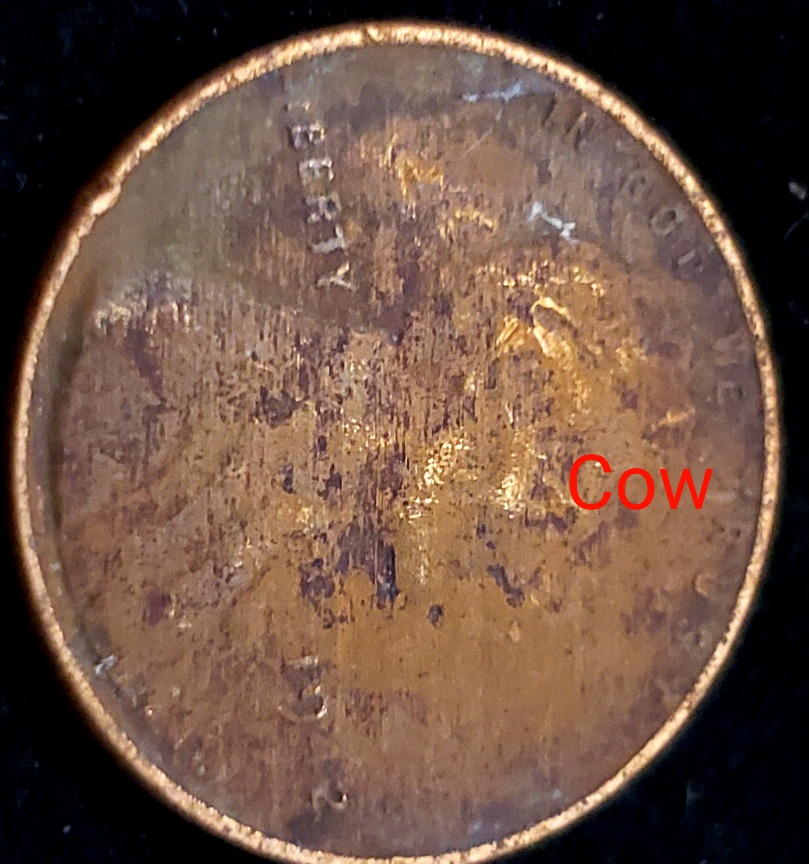 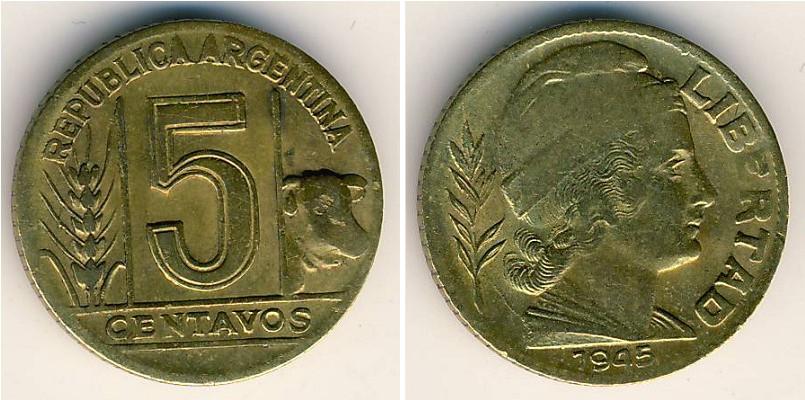 Edited by Ozzy5150
04/18/2022 02:28 am
|
|
|
|
Pillar of the Community
Canada
6244 Posts |
Last time the mint strike Argentina 5 centavos was in 1920 and was 75% Cu and 25% NI and the diameter was 17 mm and 2 gr. The color of the coin is complete different. So I think it is just an optical illusion about the Cow. The rest I do not go, let the others to pronounce.
|
|
Pillar of the Community
Canada
6244 Posts |
The photo I put it is from official report and cover all foreign coins struck by the US Mint till 1980 inclusive. 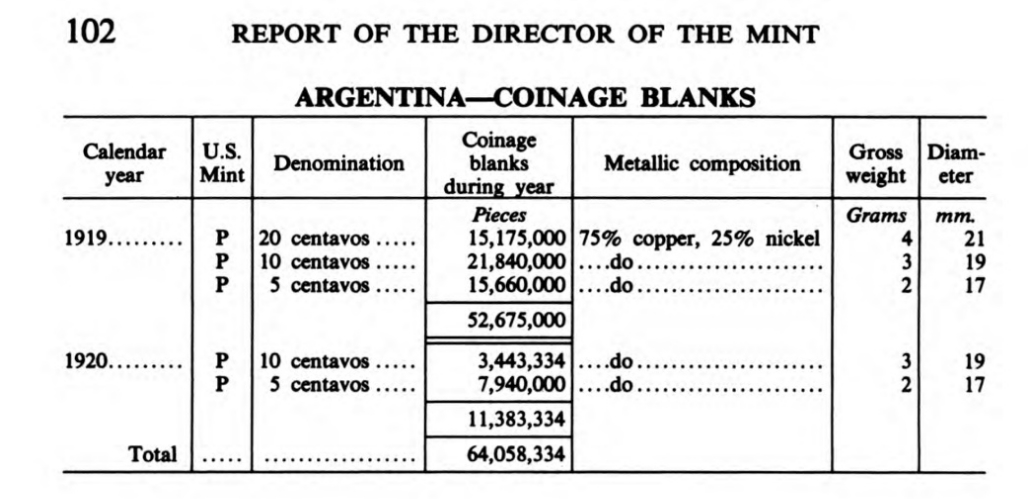 |
|
Valued Member
 United States
117 Posts |
Thanks for the info. I actually have a 1920 on an Argentina planchet. I can't figure this one out. The diameter is also smaller than a normal penny. Not sure of the measurement but it's definitely slightly smaller.
|
|
Pillar of the Community
United States
3848 Posts |
Quote:
The striations are on the planchet, not damage. This is incorrect. The striations are damage on the planchet. It is a porous coin that has seen better days. I would advise not sending it in. Suffering from bust half fever. Want to learn how to attribute early half dollars by die variety? Click Here: http://goccf.com/t/434955Shoot me a PM if you are looking to sell bust halves. |
|
Valued Member
United States
117 Posts |
I appreciate your opinion but with the coin in hand it is obvious it isn't damage. It obviously has "environmental damage" to a point. I guess we'll find out what PCGS has to say in a few weeks. I can't reconcile, the weight 2.74g +/-, with the reeded rim, somewhat visible devices of a 5 centavos, and date. It's definitely an outlier. Thank you.
|
|
Moderator
 United States
56855 Posts |
Let us know what PCGS says by posting a full slab photo front and back when you get it back, please. Thanks. John1  |
|
Pillar of the Community
United States
1675 Posts |
Can you post a picture of the reeded edge?
|
|
Pillar of the Community
United States
3848 Posts |
Keep us updated for what PCGS says   Suffering from bust half fever. Want to learn how to attribute early half dollars by die variety? Click Here: http://goccf.com/t/434955Shoot me a PM if you are looking to sell bust halves. |
|
Pillar of the Community
United States
7174 Posts |
Looks like acid to me. Can't see any reeding, and I would believe loss of .35 before I would believe a gain of .75 g.
|
|
Pillar of the Community
United States
5880 Posts |
I'm thinking the same thing as Cujohn, acid damaged.
The acid can dissolve the different metals at a slightly different rate. On a woody, this could put striations on the surface as the softer metals dissolved first.
Words of encouragement are one of the major food groups.
We need to consume them regularly to thrive and grow.
|
| |
Replies: 10 / Views: 1,120 |
|







 Posted 04/18/2022 12:24 am





