| Author |
 Replies: 12 / Views: 2,063 Replies: 12 / Views: 2,063 |
|
|
Pillar of the Community
Australia
1529 Posts |
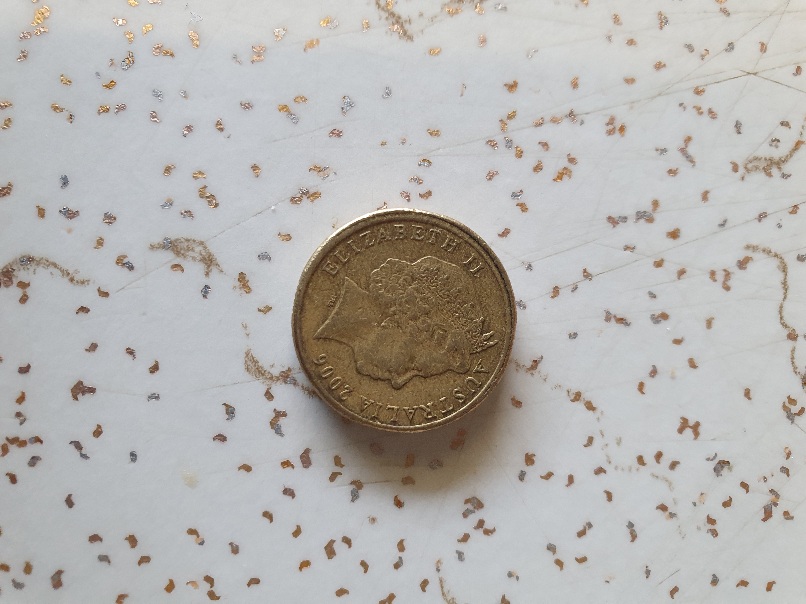
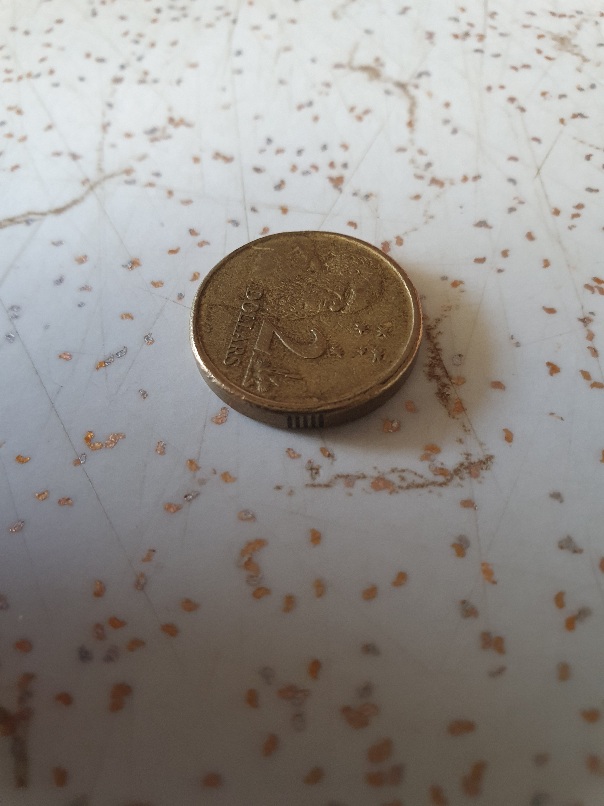
What makes everyone think its not a mule if it doesn't show Full rim.  |
|
|
|
Bedrock of the Community
Canada
21938 Posts |
Sorry but could you be a little more specific. Is this about a previous post? Please show photos of what you are referring to.
|
|
Pillar of the Community
 Australia
1529 Posts |
Ok will do I change over phone for
Better quality pics.
|
|
Bedrock of the Community
United States
94367 Posts |
  to the CCF! |
|
Moderator
 Australia
17015 Posts |
Judging from current eBay/Facebook usage here in Australia, one might believe that "mule" meant "mint error". But a "mule" a very specific kind of mint error. Specifically, a "mule" is where two dies that "belong" on two different coins, were improperly paired up and mashed together to make one coin. There are mules in many different coinage series worldwide; one of the most famous in the British Commonwealth series is the 1967 New Zealand 2 cents / Bahamas 5 cents mule. America has recently seen several "mules" where a die from a $1 coin is used to make quarters.
In the Australian series, prior to 2000 the most famous mule was the extremely scarce 1916 mule halfpenny, with the obverse from an Indian quarter-anna. But in 2000, the Mint made a new mule error when they accidentally used 10 cent obverse dies to strike some $1 coins. The 10 cent piece is smaller than the $1 coin, so this particular mis-match inevitably creates a noticeably much wider rim around the obverse. This "wide rim" is quite distinctive of the mule in question. If a 2000 $1 coin doesn't have that wide rim on the obverse, then it might be some other kind of mint error, but it's not a mule.
Don't say "infinitely" when you mean "very"; otherwise, you'll have no word left when you want to talk about something really infinite. - C. S. Lewis
|
|
Pillar of the Community
Australia
1333 Posts |
@Sap did you see the Gumtree ad for the 1916 halfpenny mule was a couple of years ago now, I think the person was asking for lot, pretty nice example to.
|
|
Pillar of the Community
Australia
2180 Posts |
Quote:
What makes everyone think its not a mule if it doesn't show Full rim. Are you talking about the 2000 $1 mule? Even in a mule doesn't have a full stepped rim it's still a mule, but people want a full stepped rim more because it's more obvious. |
|
Pillar of the Community
Australia
1529 Posts |
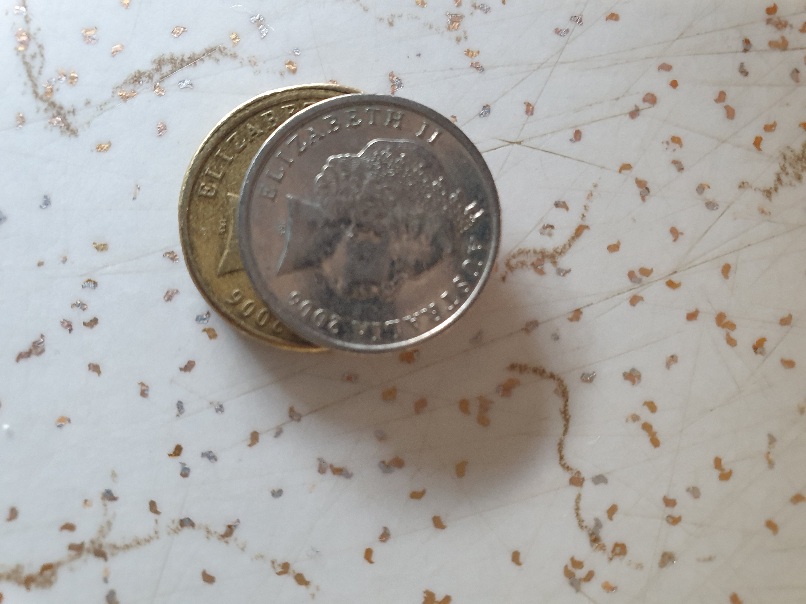
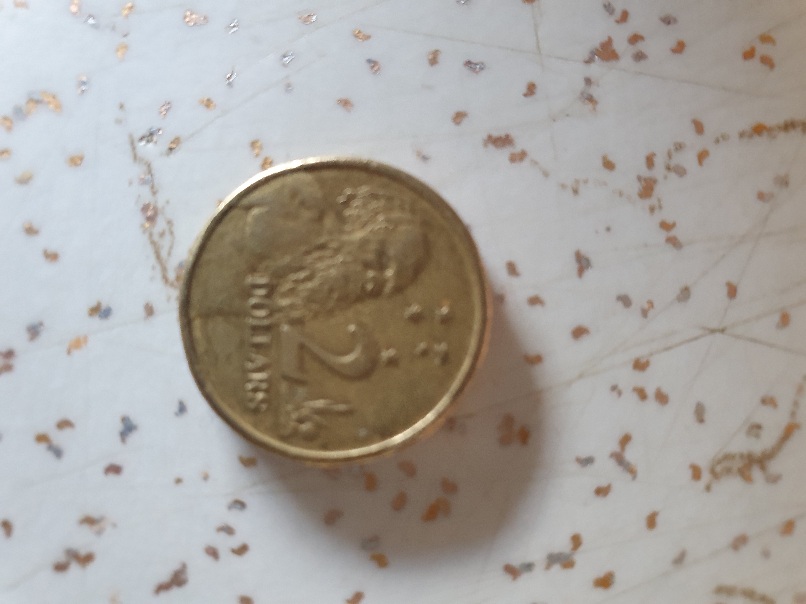
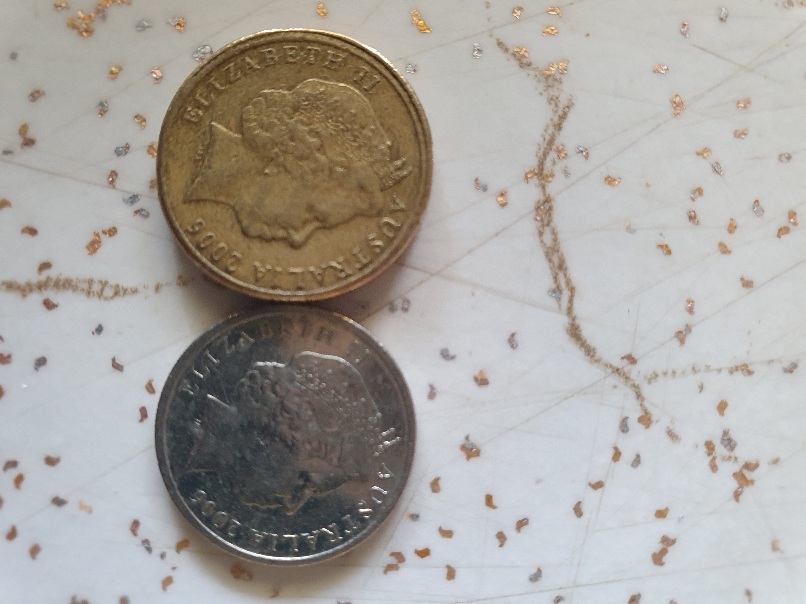
Yes indeed that's why I matched the 2006 5 cent coin with $2 coin Isn't that a mule because $1 is struck with Australian 10 cent planchette correct.
|
|
Pillar of the Community
Australia
1985 Posts |
If these are the kind of coins you're talking about they are not mules. Just slightly off-centre mistrikes. Fairly common with 2 dollar coins. 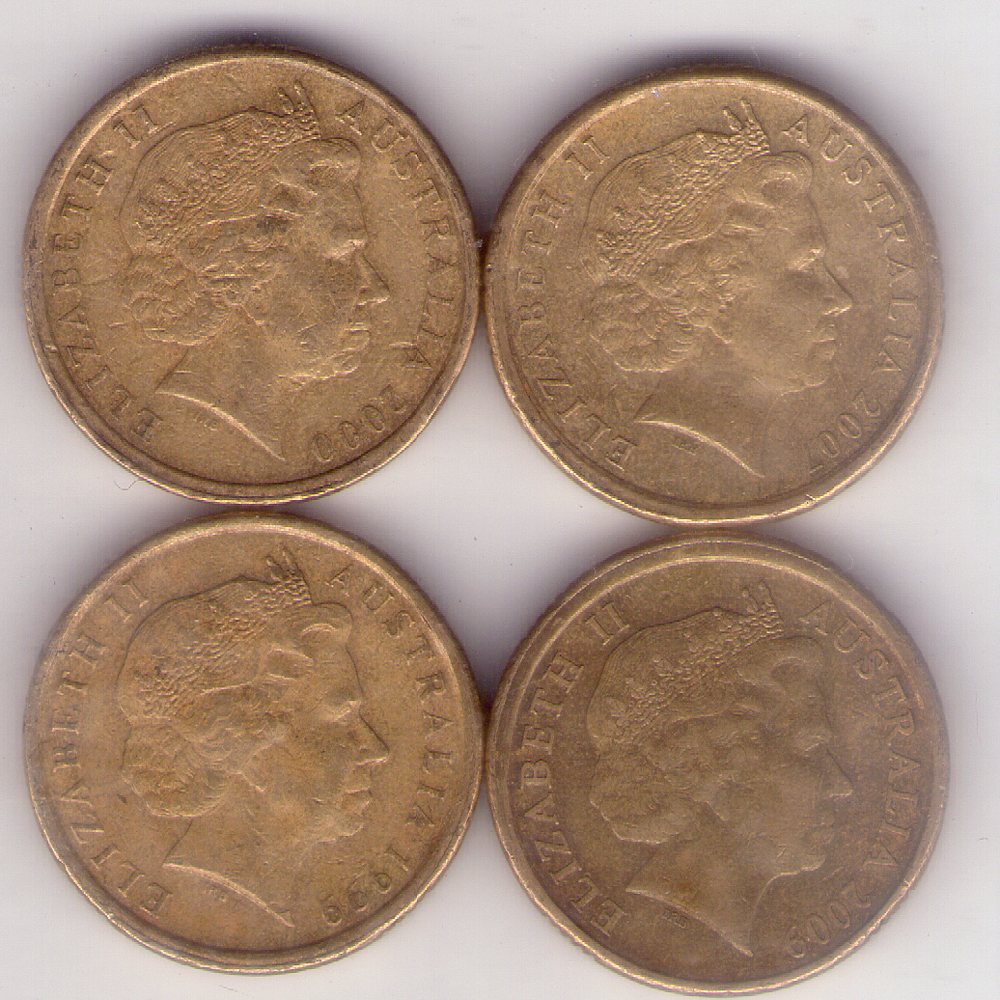 |
|
Pillar of the Community
Australia
1529 Posts |
|
|
Pillar of the Community
Australia
1368 Posts |
Hi Allcoinage, one method to crop and orientate your photos is to simply right click on the photo and choose 'Edit'. Here you can easily crop, resize and rotate your image. 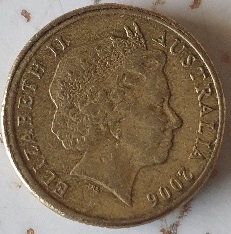 |
|
Valued Member
Australia
215 Posts |
Allcoinage, I don't understand what you are driving at.  If you are suggesting this is a mule because the rim isn't uniform over the entire circumference of the coin, I am sorry to disappoint you but it is clear from your 4th photo with the two coins side by side that the head on the 5c is smaller than on the 2 dollar coin. You can easily tell this by measuring it on the screen. The obverse die wasn't aligned properly and as a result the obverse is slightly off-centre producing a "double rim" effect on one side of the coin. |
|
Moderator
United States
34567 Posts |
@all, best practice is to not make multiple threads covering the same topic so I've merged your two threads. You are all set now.  "If you climb a good tree, you get a push."
-----Ghanaian proverb
"The danger we all now face is distinguishing between what is authentic and what is performed."
-----King Adz
|
| |
Replies: 12 / Views: 2,063 |
|




 Posted 04/24/2022 07:12 am