The more you study coins, the more you figure out. Sometimes bad things, other times good things. I guess I'm a see how one thing relates to another person. Learning more about differences and what causes them. So I learn something new almost daily. I realize that more than one thing can happen to a single coin. So it is not just a single answer. Thus my longer answers at times. Other times it is short, because not much that the coin tells me. Training the eyes will help you discern if I should set it aside for a second look, or to toss it back into circulation.
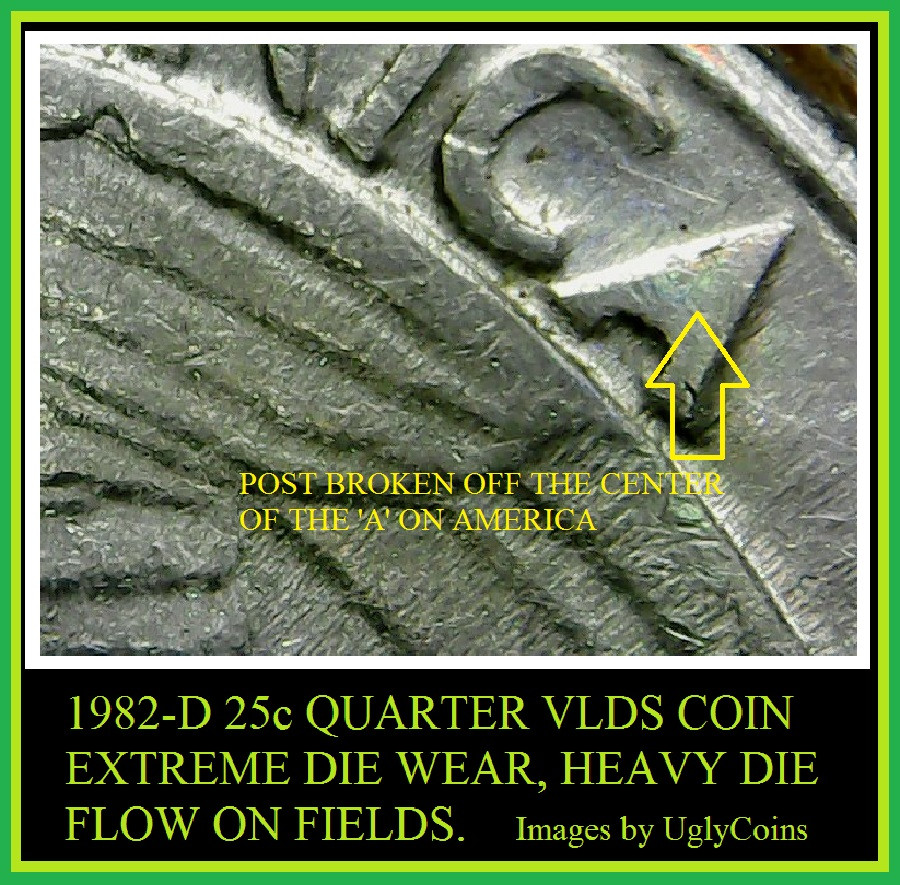
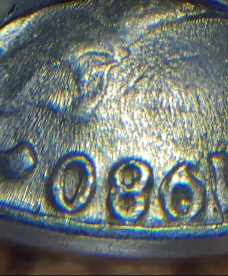
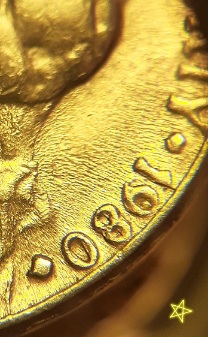
On this coin, the fields are screaming out about a die flow lines issue. The date distortion is telling me this coin has been polished a second time and the fields are ready for the third round of polishing. When the this happens the fields with look fresh, but the devices will continue to age as the die will be continued to be used.
Note the fields and devices on these coins:
After the first polishing: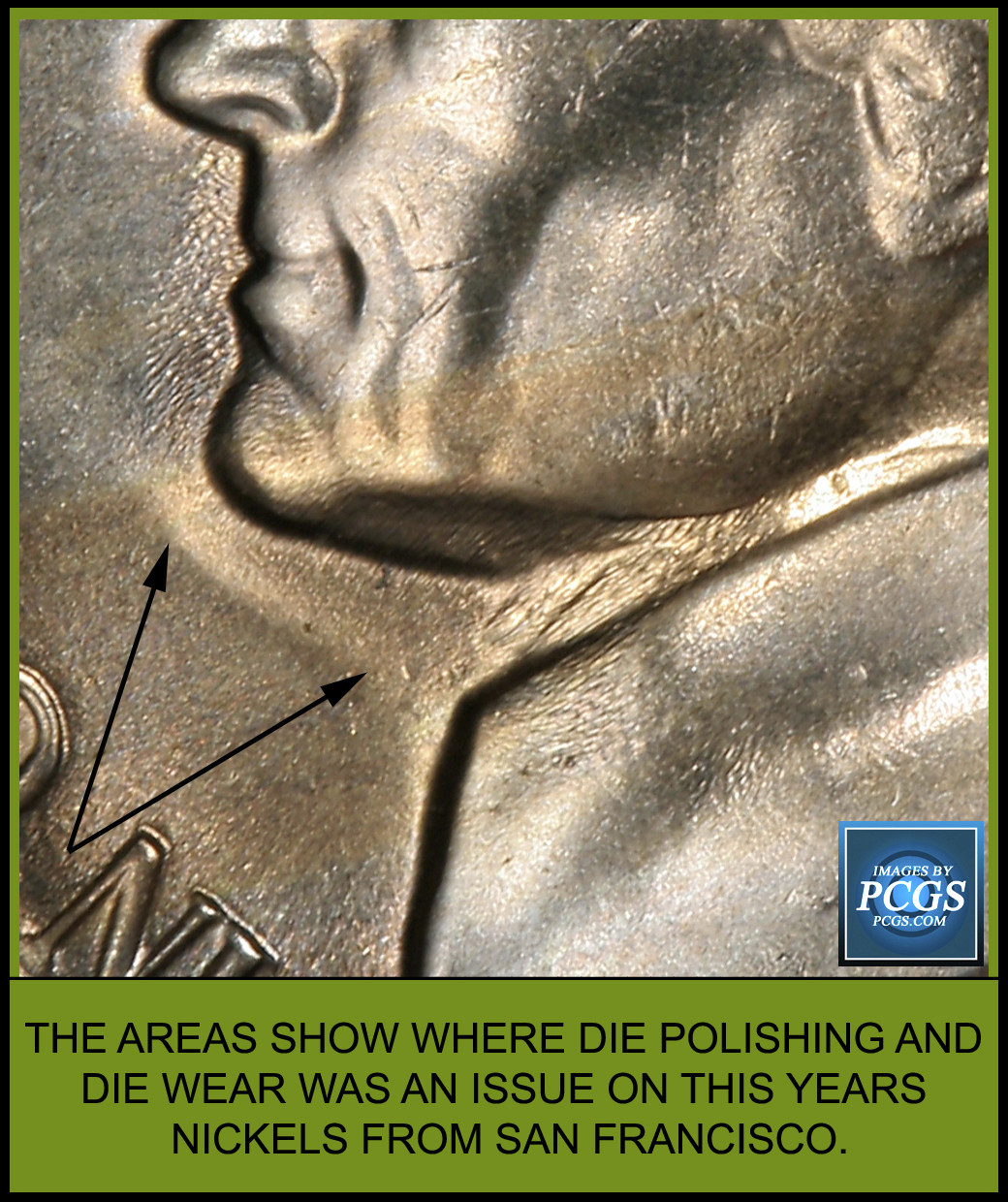
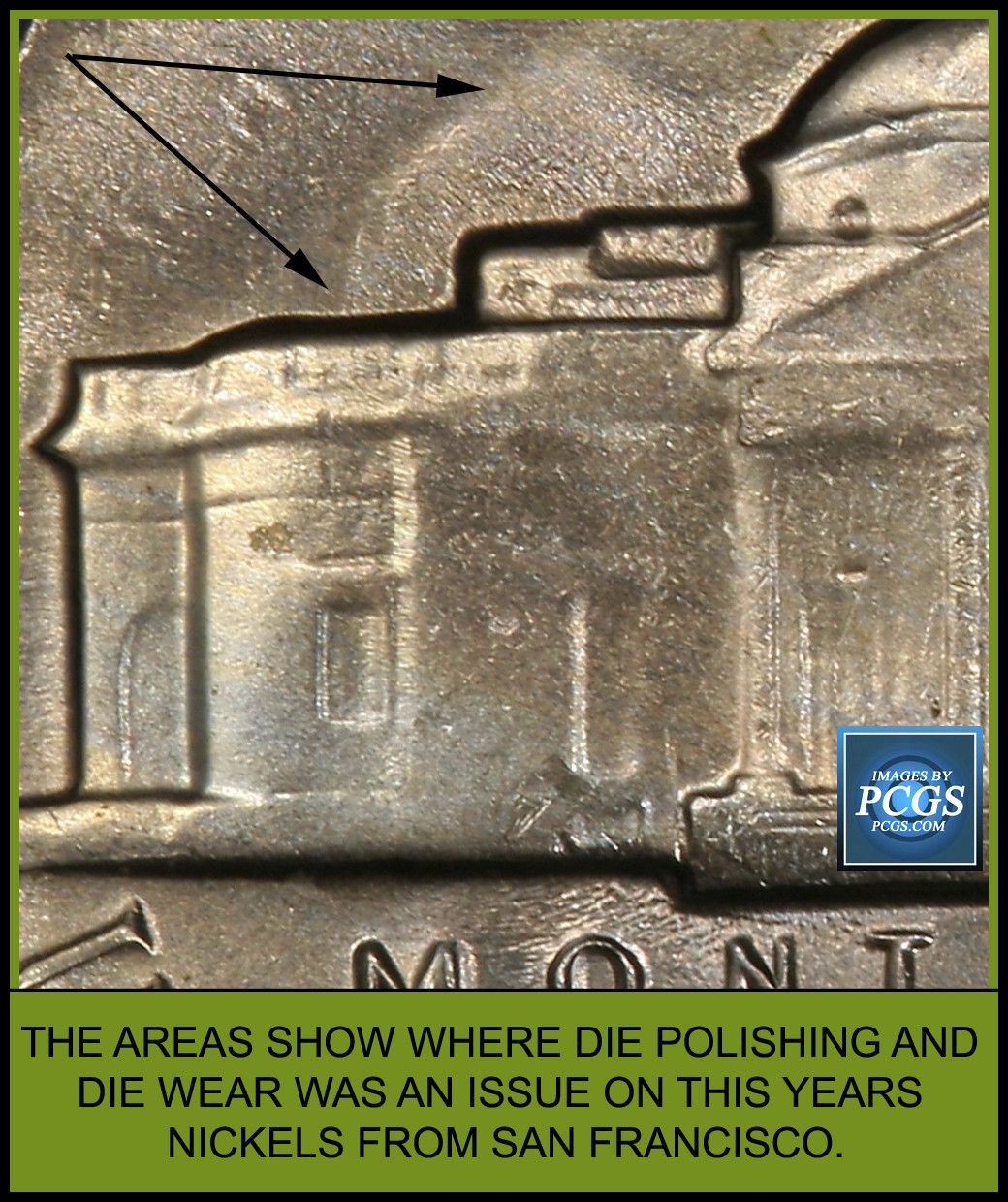
Note the devices are still fresh, not distorted yet. So this is after the first polishing and heading towards a second polishing.
After the second polishing example is the coin above.Note the heavy die flow, but with after the second polishing, but note how the devices are distorted. The date especially. It reminds me of an again person in middle age. We are starting to suffer the aging process, with little issues that may side line us.
After the third polishing the devices will continue to show even more distortion.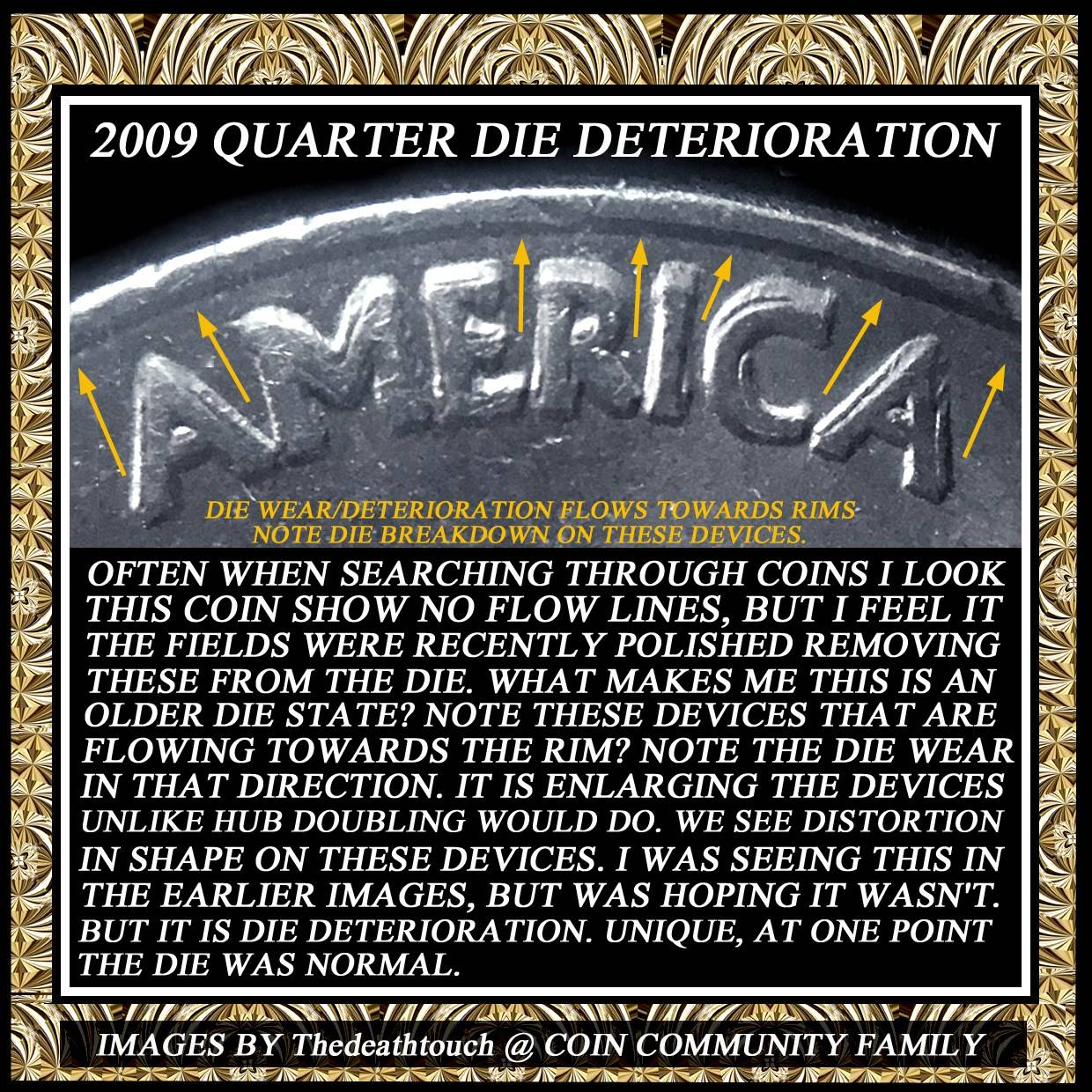
Note how the devices are spreading out even more, but note this is just the beginning after the third polishing. Note the fields are still fresh looking? But the devices are showing heavier die wear than on the OP's coin. But as the die continues to age, it gets even worse.
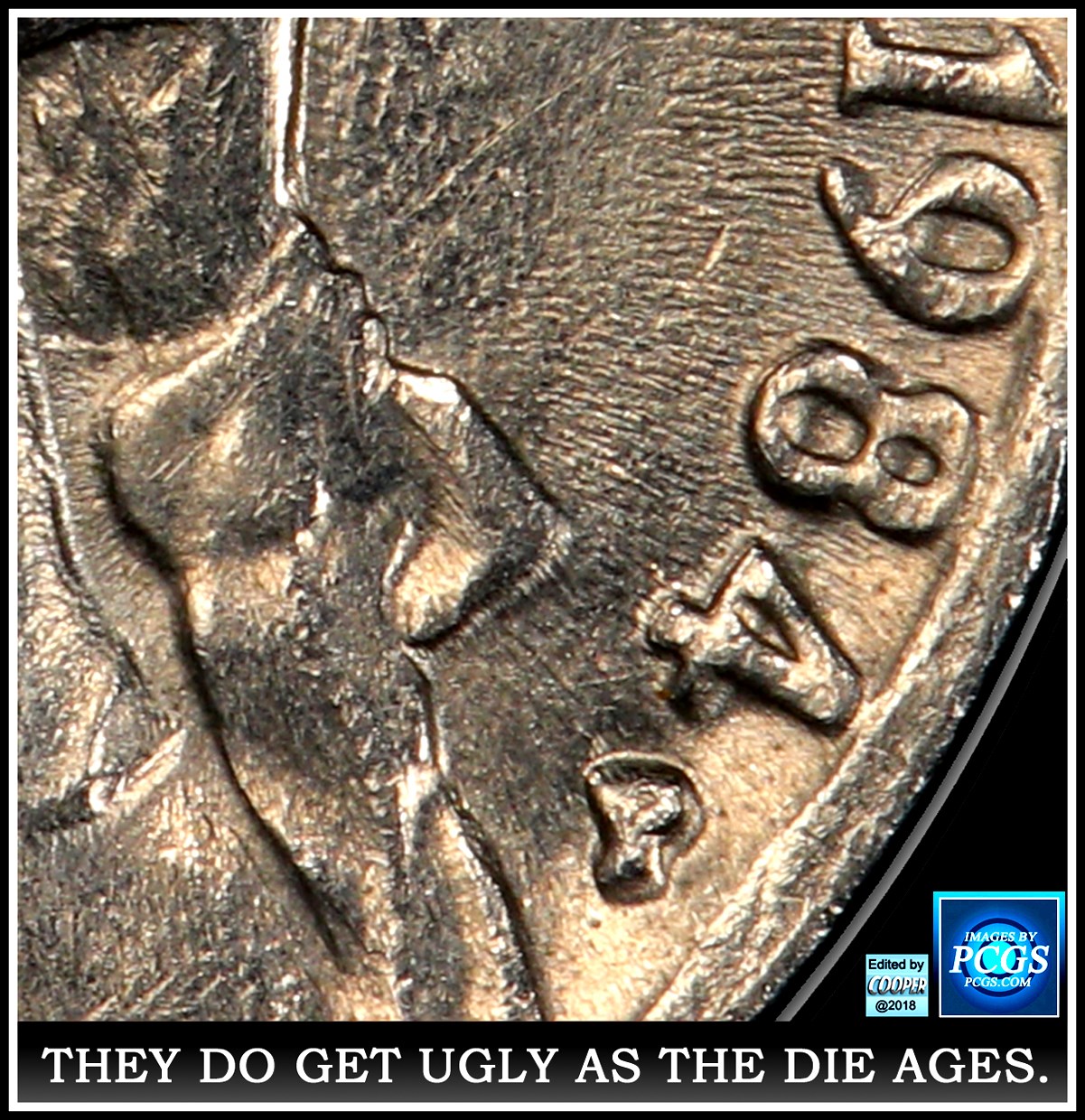
Die flow is beginning to start up again. Note the devices are starting to break down even more.
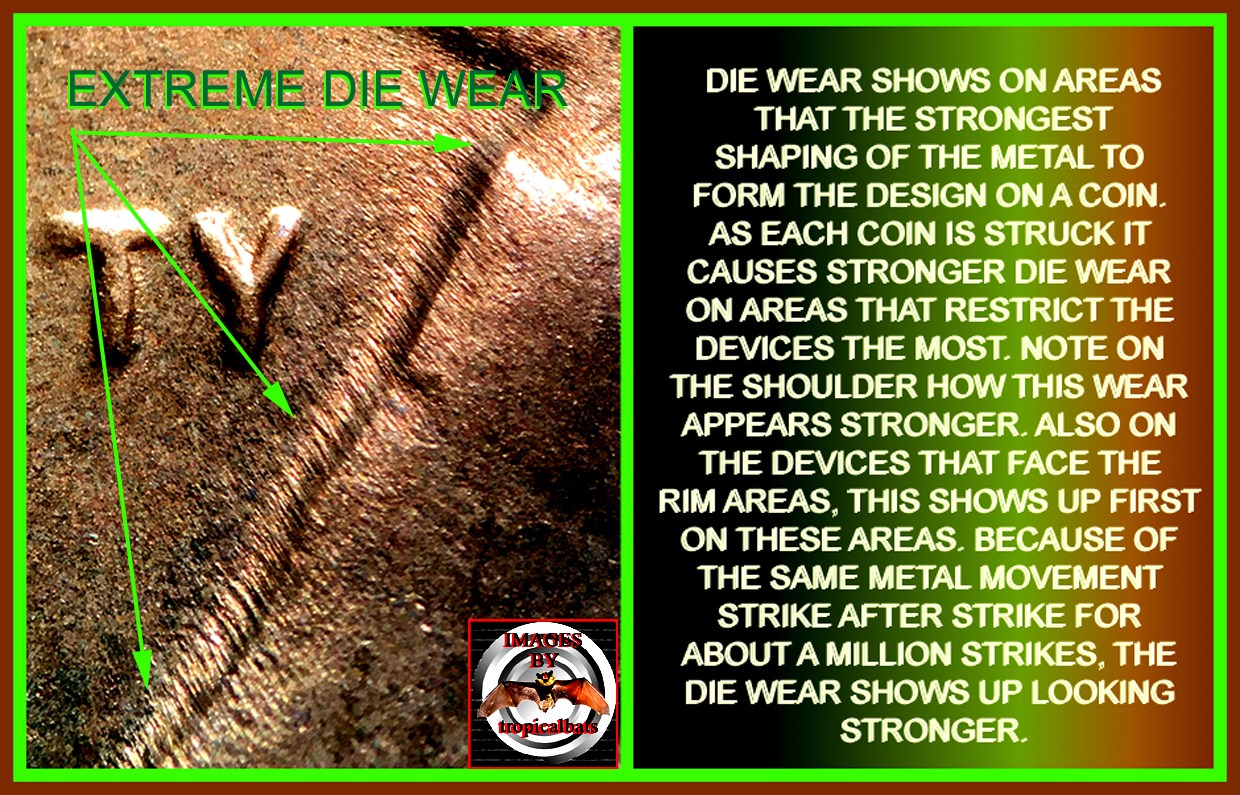
On cents the back of the shoulder is showing extreme die wear on that one area. But the fields just showing a little die flow.
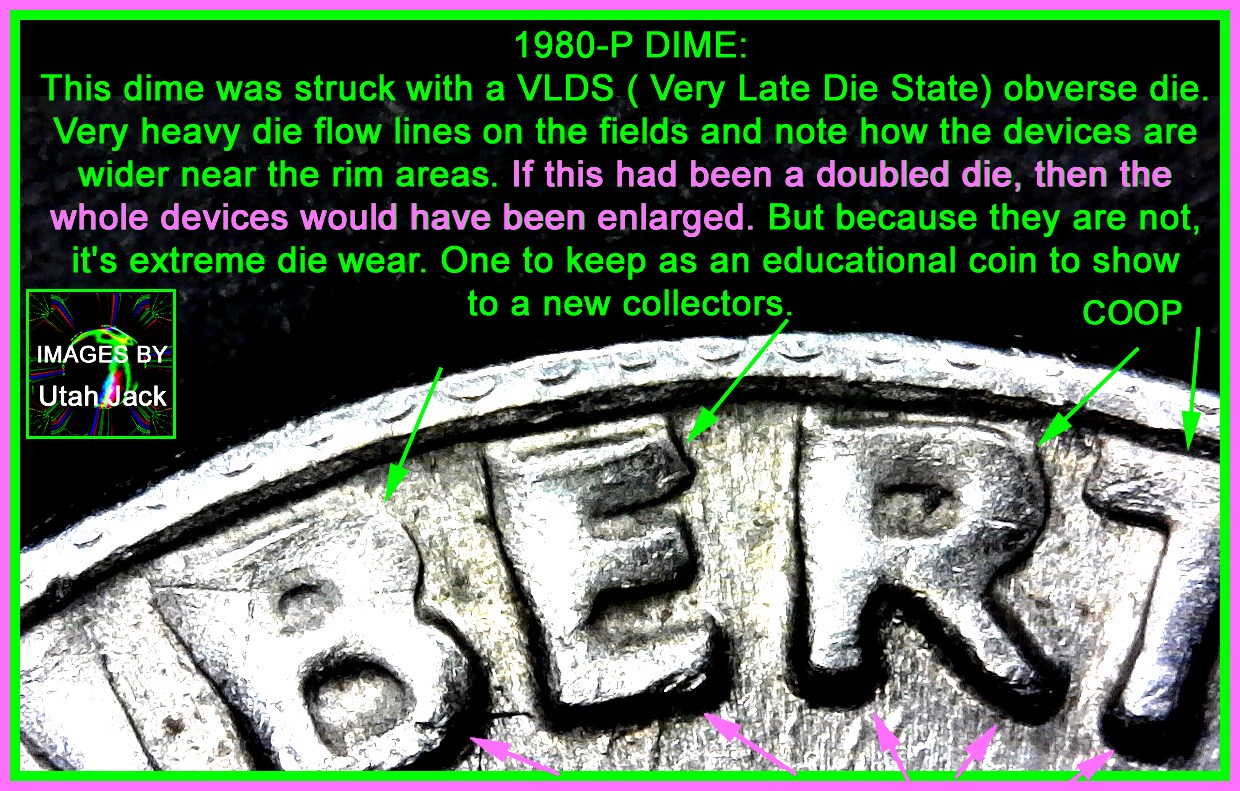
Dimes will start showing the stronger distortion at this point. Note the die flow lines are coming back, but note the distortion of the devices? It continues to age more and more as more strikes are happening.
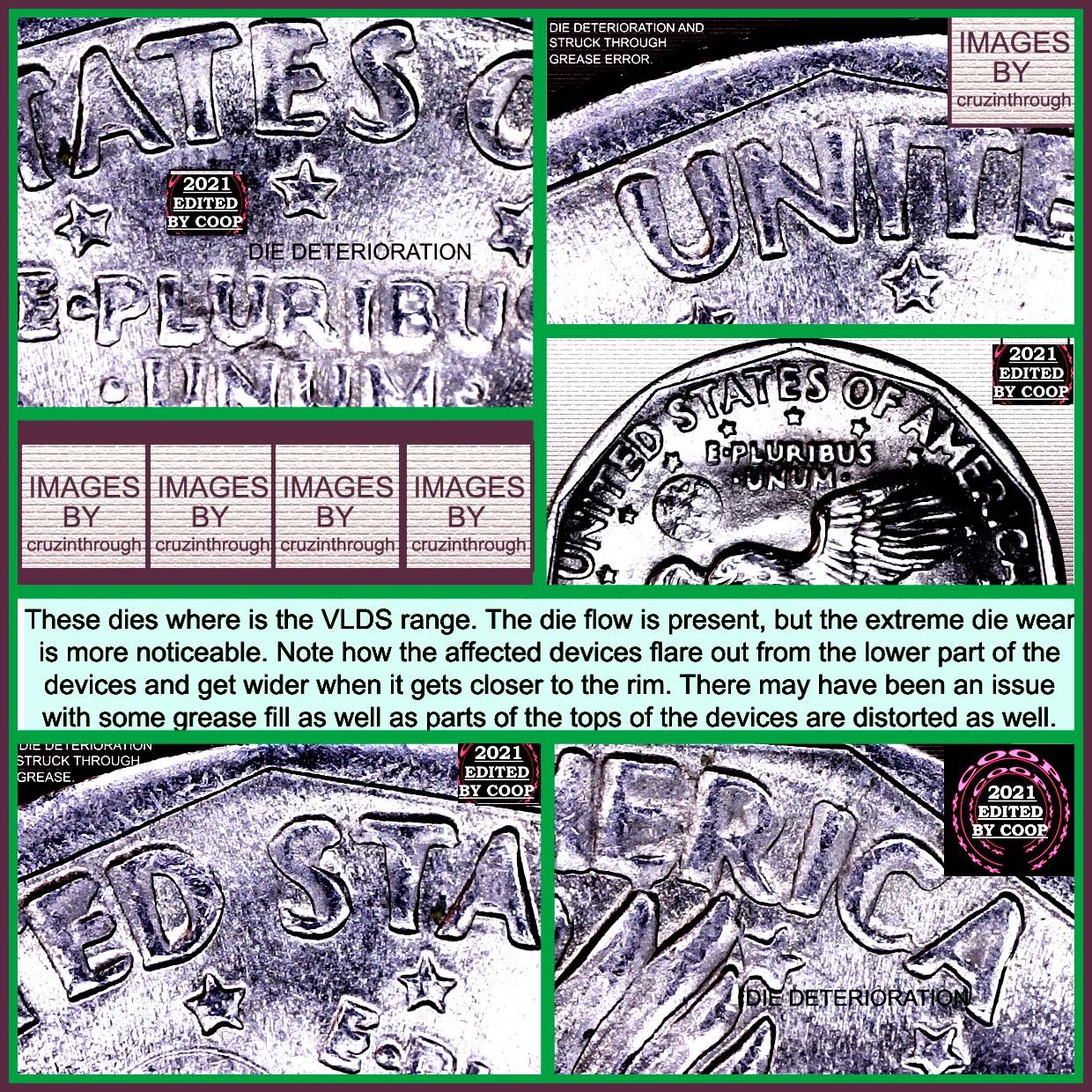
Dollars devices start to spread out even more as more coins are struck.

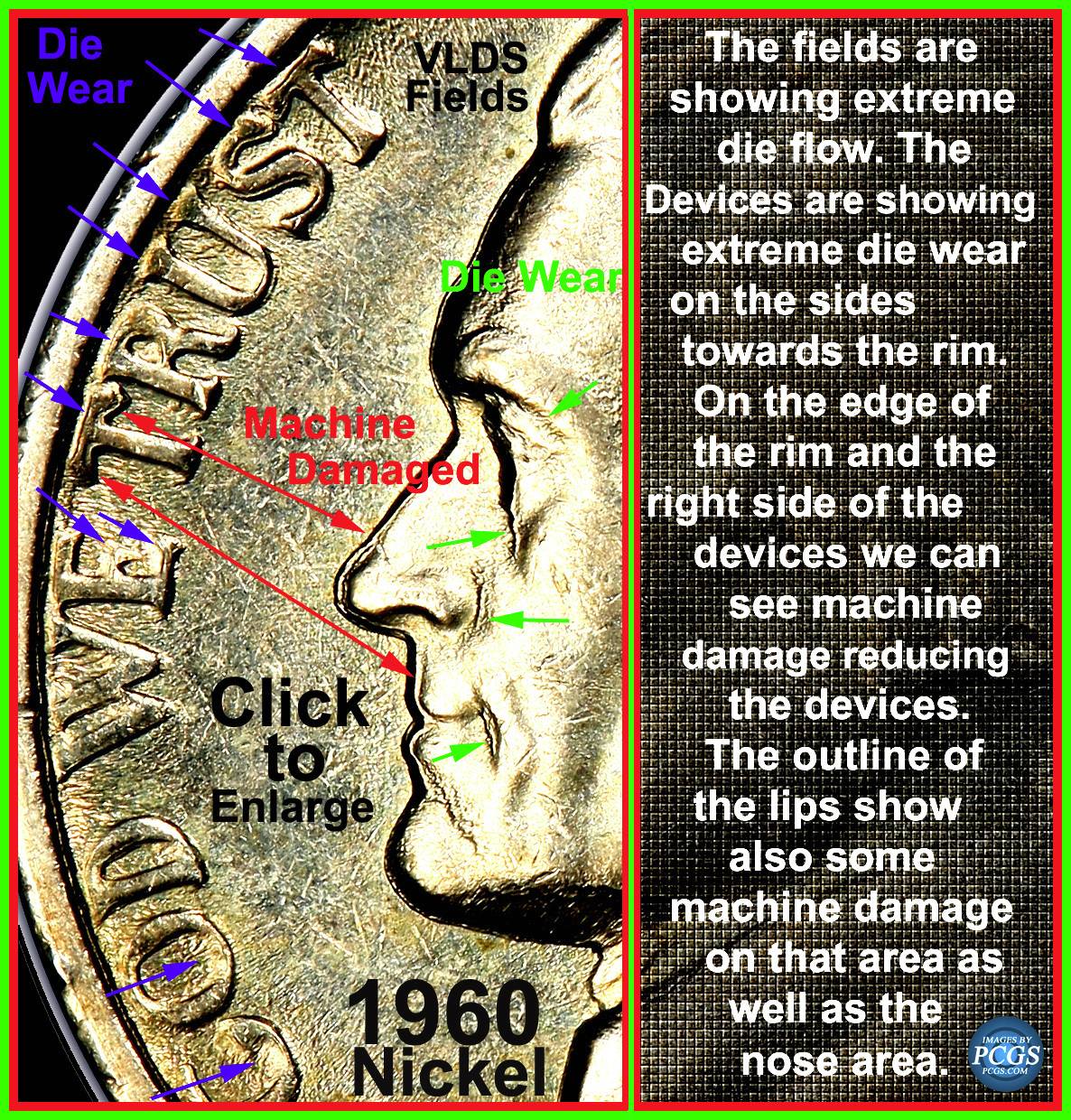
Note how the die flow lines get stronger after the the third polishing, the distortion of the devices continues. The die is nearing retirement at this point, but, it may even face another polishing. Depending on how bad the dies devices are.
Do they do a fourth polishing? Sometimes.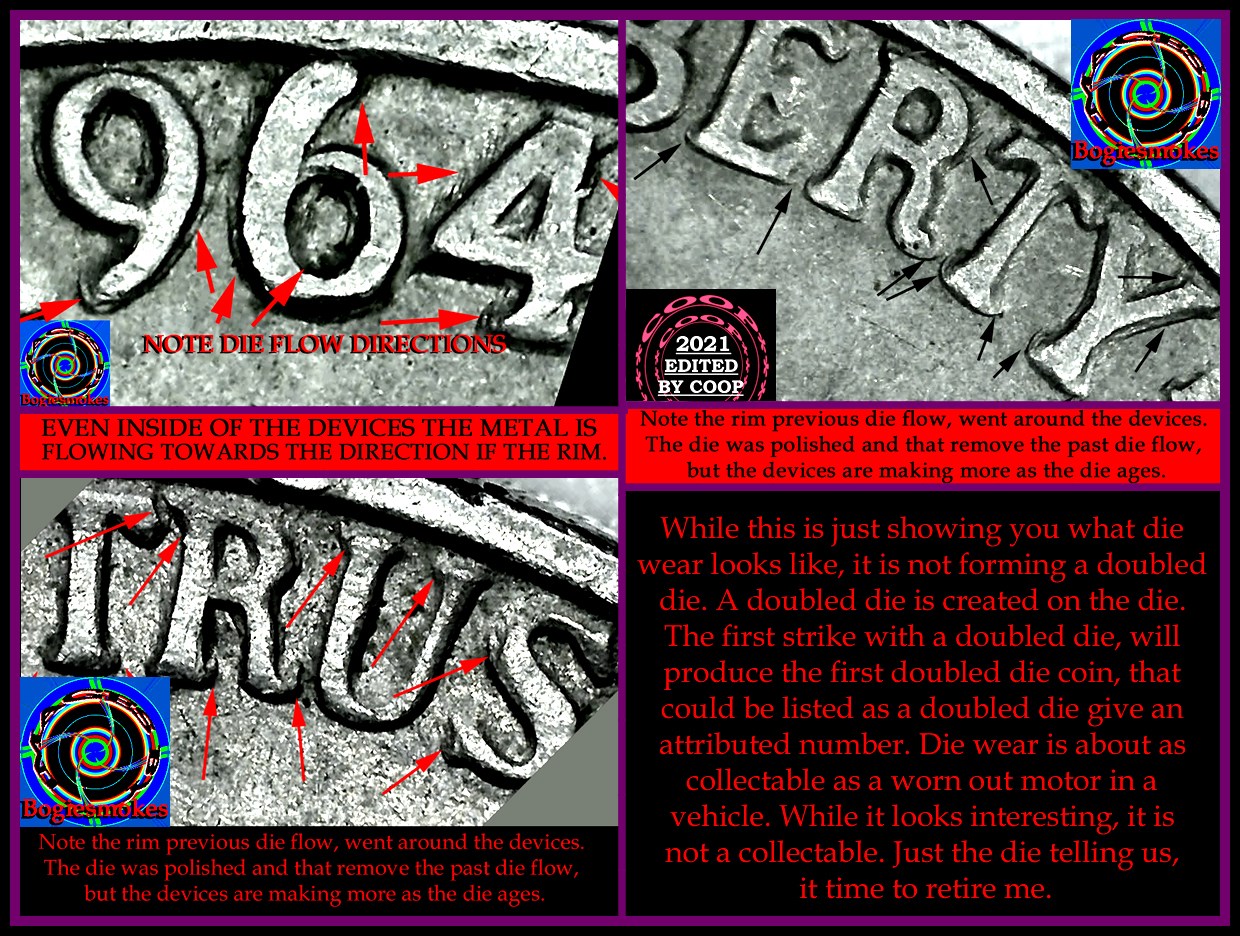
As the dies continue to age, they really start distortion.
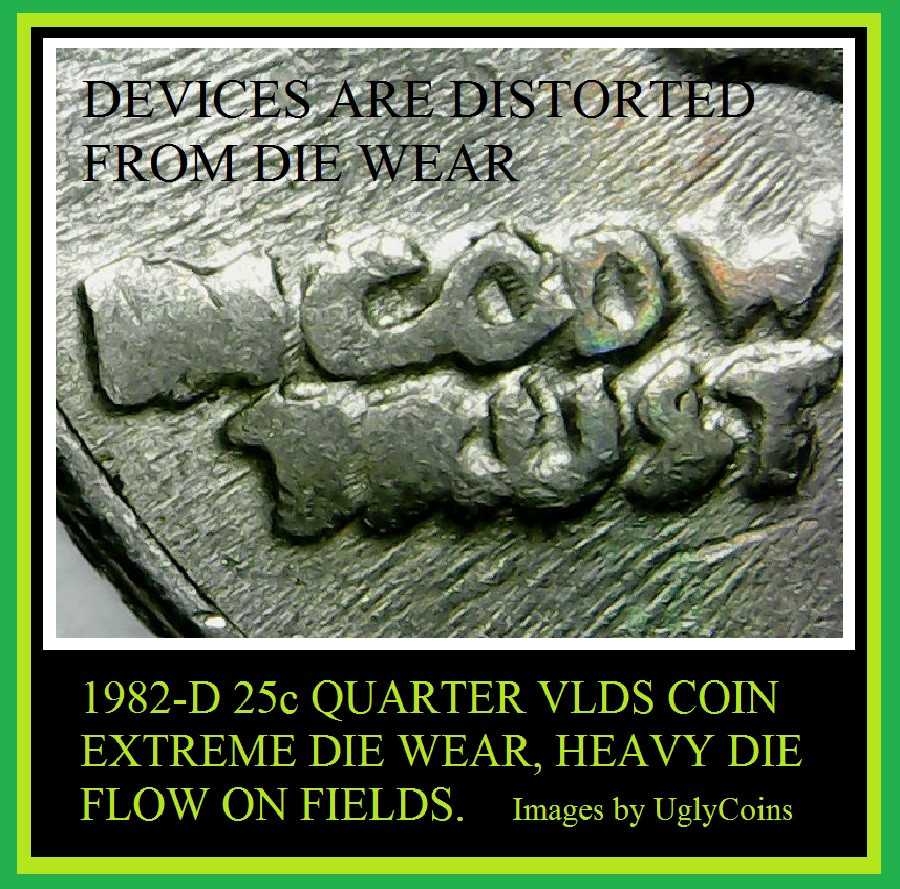
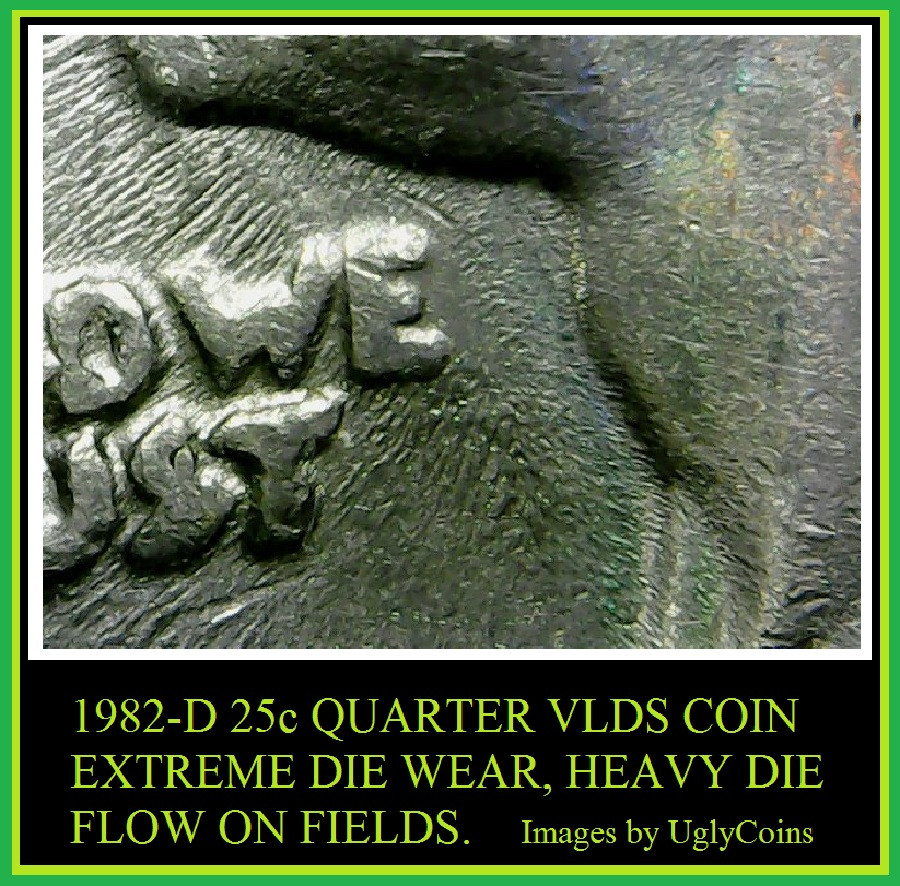
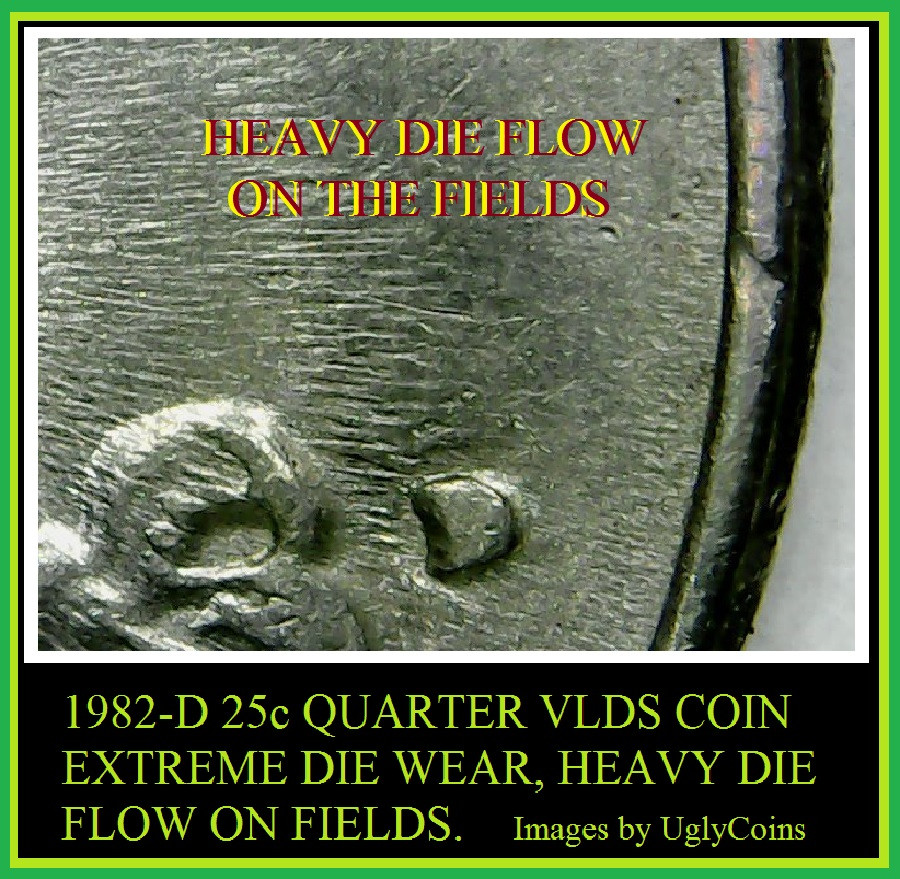
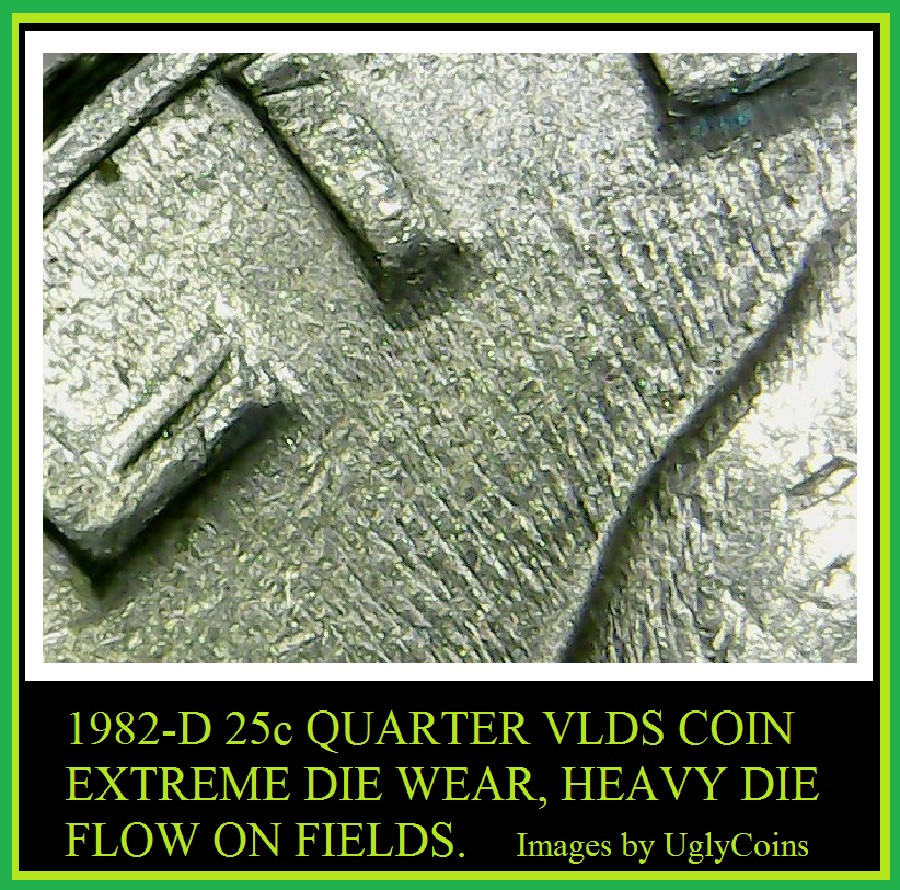
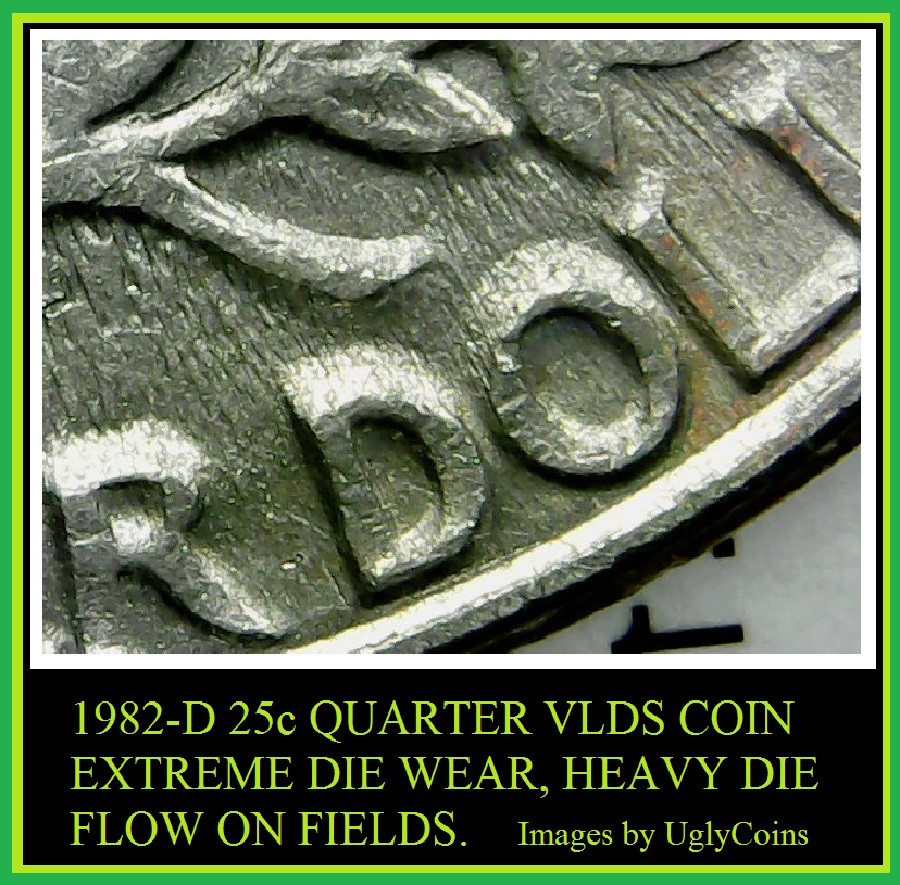
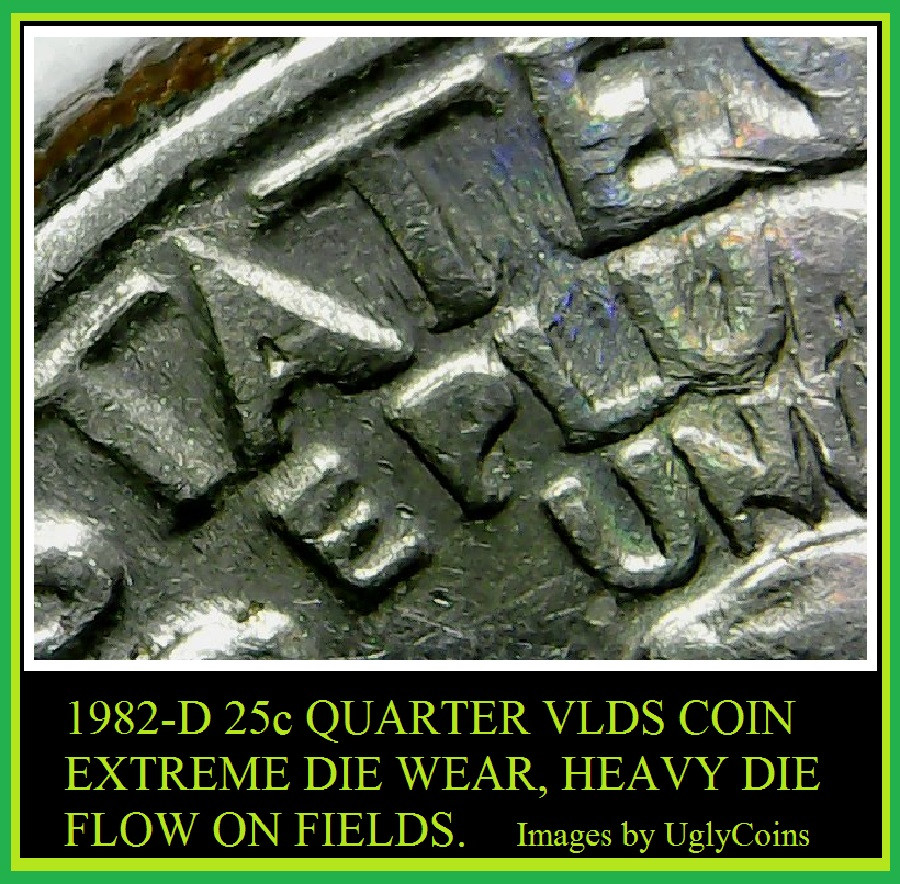
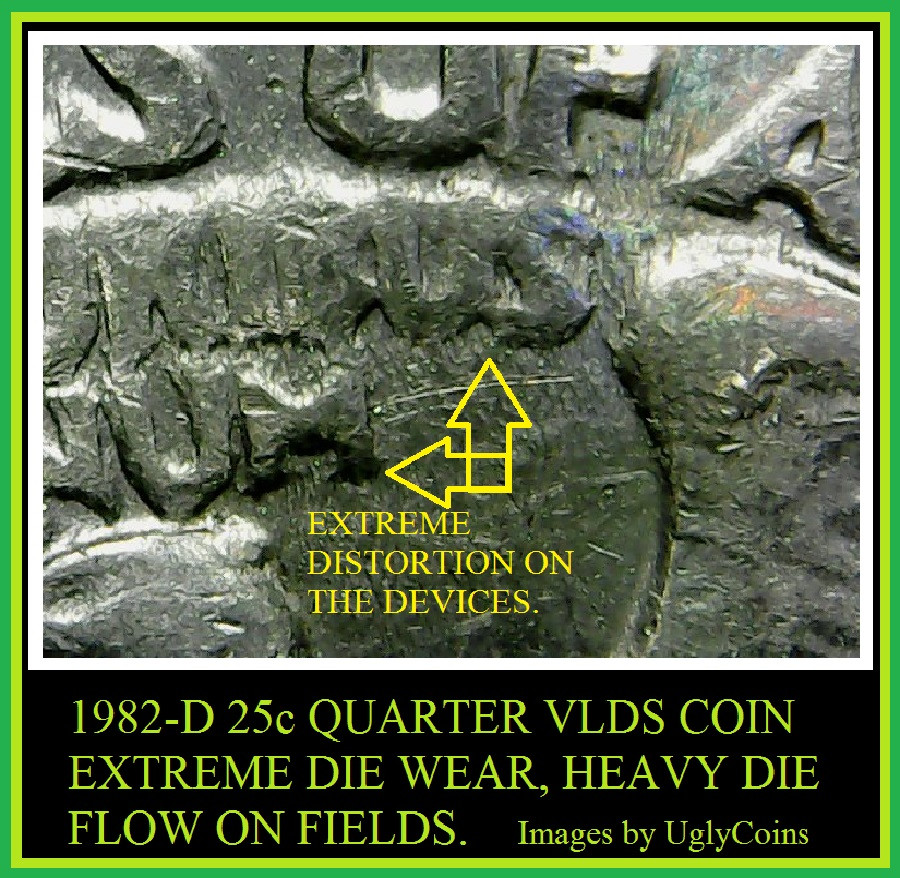
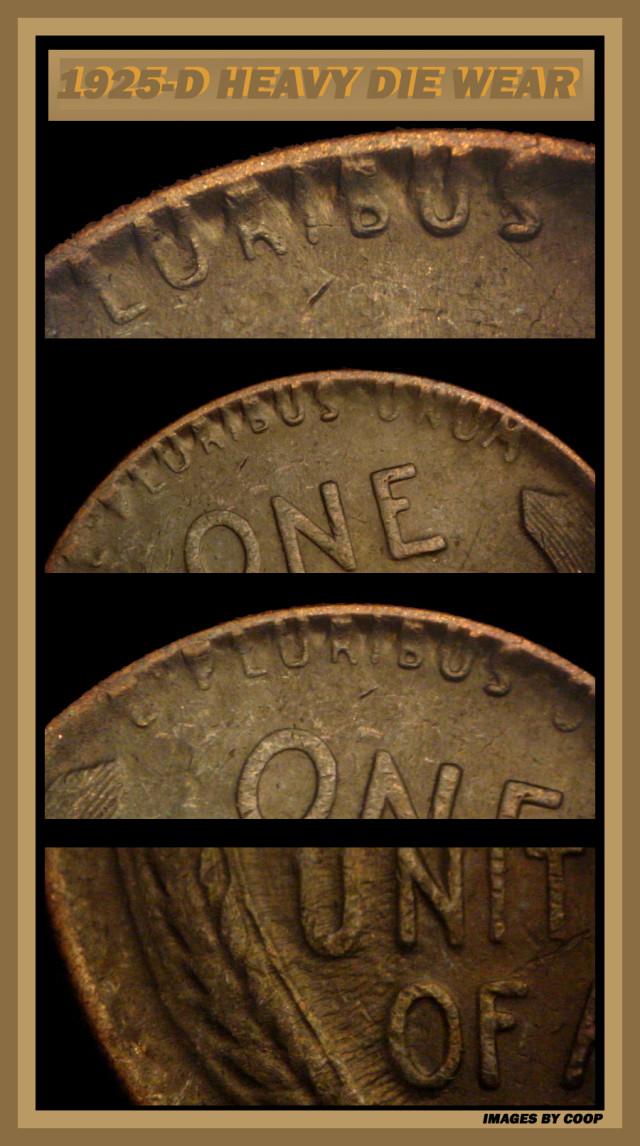
So this helps us to realize the dies themselves if they survive to the later die states, can be over used even more. Some really ugly coins are the result.
So this helps brighten our information of the aging process. The percentage of coins in the die states breaks down to this:

So note, most the coins are struck in the VLDS die state. So no wonder we roll our eyes when we see see extreme die wear. These coins don't go into collections. They back into circulation. Hope this helps with this discussion.
CoopHome:
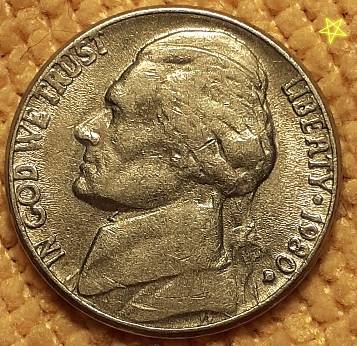
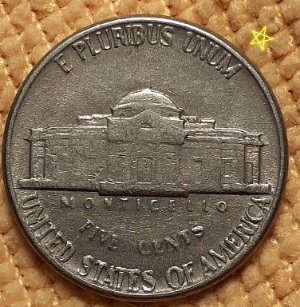
Are extreme die wear coins worth saving? Are they common? What does die wear look like?










 Posted 06/02/2022 06:09 am


 with above statements. just a nickel struck with a very tired die.


